
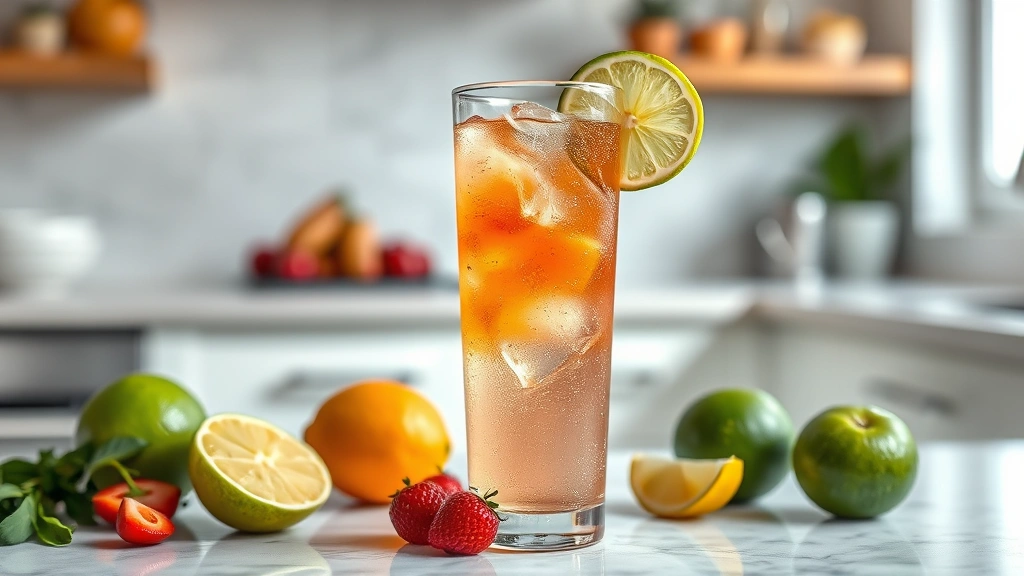
An agua fresca recipe is your ticket to making authentic Mexican refreshment drinks that beat any store-bought option—and honestly, it’s stupid simple. I’m talking five straightforward steps that’ll have you sipping something cold, fruity, and genuinely delicious in under 20 minutes. No fancy equipment needed, no complicated techniques, just real ingredients and basic kitchen skills.
Table of Contents
What Is Agua Fresca?
Agua fresca literally means “fresh water” in Spanish, and that’s exactly what it is—a light, refreshing beverage made from blended fruits, grains, or flowers mixed with water and a touch of sweetener. It’s been a staple in Mexico and Central America for centuries because it’s cheap, easy, and hits different on a hot day. Unlike juice, agua fresca is diluted and lighter on the stomach. Unlike soda, it’s actually good for you and tastes like real fruit instead of artificial nonsense.
The beauty of this drink is its versatility. You can make it with watermelon, cucumber, hibiscus, cantaloupe, strawberries, or even rice and cinnamon. Each variation brings its own character, but they all follow the same basic principle: blend, strain, sweeten, dilute with water, and drink cold.
Gather Your Ingredients
Here’s what you need for a basic agua fresca recipe that serves about 4-6 people:
- 2-3 pounds fresh fruit (watermelon, cantaloupe, strawberries, or your choice)
- 4-6 cups water (filtered or tap, your call)
- 2-4 tablespoons sugar or honey (adjust to taste)
- 1 lime (juice and zest optional)
- Salt (just a pinch—trust me on this)
- Ice (for serving)
That’s it. No weird additives, no processed ingredients. The quality of your agua fresca depends almost entirely on the quality of your fruit, so grab stuff that looks fresh and smells good. If your fruit is mealy or bland, your drink will be too.
Step One: Prep Your Fruit
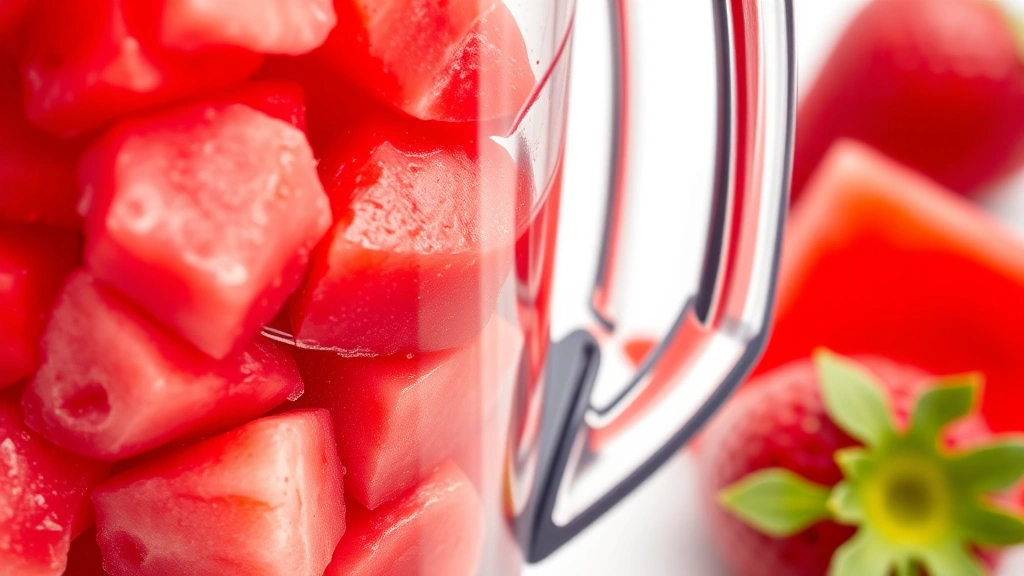
Wash your fruit thoroughly under cold running water. You’re not just rinsing—you’re actually cleaning off dirt and any surface bacteria. Use your hands or a soft brush if you’ve got one. For watermelon or cantaloupe, cut them in half, scoop out the seeds, and chop the flesh into chunks roughly 2-3 inches. If you’re using strawberries, just hull them and cut any large ones in half. For softer fruits, you don’t need to be precious about size since they’re going in a blender anyway.
Remove any tough skins or cores that won’t blend smoothly. You want pieces that’ll break down easily in your blender. If you’re working with fruit that has a hard outer layer—like cantaloupe—peel it off now. This step takes maybe 5 minutes and makes everything else way easier.
Step Two: Blend Until Smooth
Put your prepped fruit into a blender with about 2 cups of water. Start on low speed and gradually increase to high, blending for 60-90 seconds until you’ve got a completely smooth puree with no visible chunks. If your blender’s struggling, add a bit more water—maybe another half cup. The consistency should be like thick juice at this point.
Work in batches if your blender’s on the smaller side. There’s no shame in that. You’re just making sure everything gets properly pulverized. A smooth blend is critical because it’ll strain better and give you a cleaner drink without grit or chunks.
Step Three: Strain the Mixture
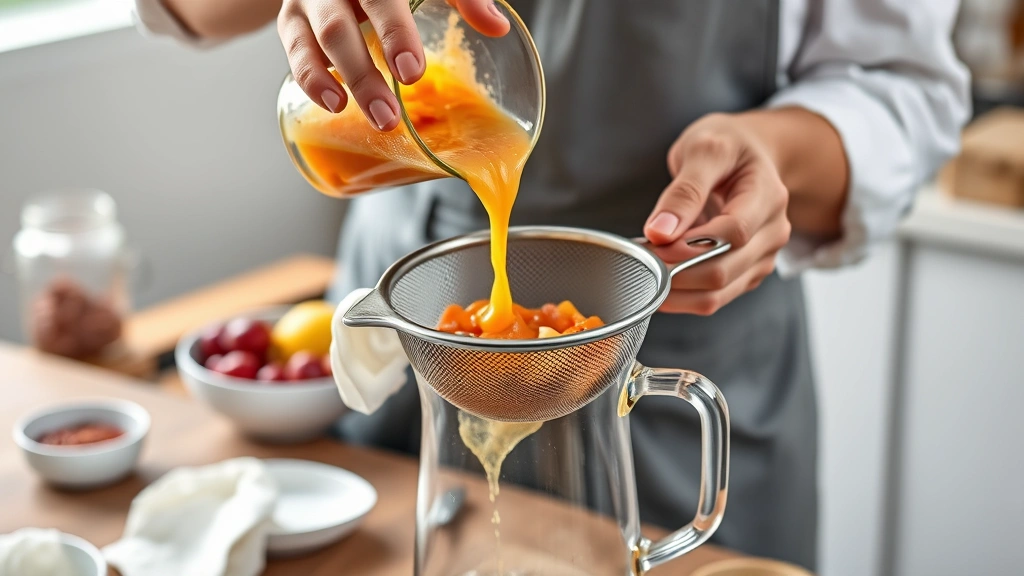
Pour your blended fruit through a fine-mesh strainer lined with cheesecloth or a clean kitchen towel into a large pitcher or bowl. Let gravity do most of the work—don’t force it. If you push too hard, you’ll get pulp in your drink instead of clear liquid. This takes about 3-5 minutes depending on how much you made.
If you want an extra-smooth agua fresca recipe, strain it twice. The first pass removes big particles; the second pass catches the fine stuff. You’ll lose a tiny bit of volume, but the texture will be noticeably cleaner. Save that pulp though—it’s great in smoothies or baking. Similar to how you’d strain apple sauce, you want that clear liquid separated from the solids.
Step Four: Sweeten to Taste
Add your sugar or honey to the strained liquid and stir until completely dissolved. Start with 2 tablespoons and taste it. If it needs more sweetness, add another tablespoon. Squeeze in your lime juice if you’re using it—the acid brightens everything up and prevents the drink from tasting one-dimensional. Add just a tiny pinch of salt. I know it sounds weird, but salt enhances fruit flavor and makes the sweetness pop without making it taste salty.
Let the mixture cool to room temperature, then refrigerate until cold. This is where patience pays off—a properly chilled agua fresca is infinitely better than one served lukewarm. Aim for at least 30 minutes in the fridge, but longer is fine.
Step Five: Chill and Serve
Pour your agua fresca into glasses filled with ice. If you made a concentrate that’s too strong, you can dilute it with a bit more water—some people prefer theirs lighter. Garnish with a lime wheel, fresh mint, or a sprinkle of tajín if you’re feeling fancy. Serve immediately while it’s cold.
The drink stays fresh in the fridge for about 3-4 days, though it tastes best within the first 24 hours. The flavor gradually fades as time goes on, and the color might separate slightly, but it’s still perfectly safe to drink. Just give it a good stir before serving.
Popular Flavor Variations
Once you nail the basic technique, you can experiment with different fruits and combinations. Watermelon and lime is the classic—refreshing, simple, perfect. Strawberry and hibiscus gives you a beautiful pink color and floral notes. Cantaloupe and mint is incredible on a hot day. Cucumber and lime tastes like a spa in a glass.
You can also go the grain route with horchata (rice, milk, cinnamon) or make agua de jamaica with dried hibiscus flowers. The process is basically identical—blend, strain, sweeten, serve. The ingredient list just changes. Each variation has its own personality, so don’t be afraid to try combinations that sound good to you. This is where the fun happens.
Storage and Keep Tips
Store your agua fresca in a glass pitcher or airtight container in the fridge. Glass is better than plastic because it won’t absorb flavors or colors. Keep it on a shelf where it won’t get jostled around—you want minimal separation. If separation happens anyway (water pools at the bottom, fruit settles), just stir it back together.
You can make agua fresca up to 4 days ahead, which makes it perfect for meal prep or having something cold ready all week. The flavor is strongest on day one but remains good through day three. After that, it starts tasting watered-down and flat. If you’re using fresh mint or other garnishes, add those right before serving so they don’t wilt or discolor the drink.
Troubleshooting Common Issues
Drink tastes watery: You either used bland fruit or added too much water. Start with less water next time and taste as you go. You can always add more water, but you can’t take it out.
Drink is too sweet: Add more water or lime juice to balance it. Acid cuts sweetness and makes the drink taste fresher. You can also chill it more—cold drinks taste less sweet than room-temperature ones.
Pulp keeps getting through the strainer: Use finer cheesecloth or strain twice. Some pulp is fine, but if you want crystal-clear agua fresca, take the extra minute to do a second pass. Similar issues happen when making apple cider, and the solution is the same—better filtration.
Fruit flavor seems muted: Your fruit probably wasn’t ripe enough. Ripe fruit has more sugar and more flavor. Next time, squeeze your fruit before buying—it should give slightly to pressure. Also make sure you’re not over-diluting. Start with less water and add more if needed.
Frequently Asked Questions
Can I use frozen fruit for agua fresca?
Absolutely. Frozen fruit works great and actually makes the blending easier since it’s softer. Thaw it first so you’re not fighting your blender, then follow the same steps. The flavor might be slightly less vibrant than fresh, but it’s still delicious and honestly more convenient.
Do I need a fancy blender?
Nope. A basic $30 blender does the job fine. You just need something that can pulverize fruit into a smooth puree. High-powered blenders are nice but totally unnecessary for agua fresca.
Can I make this without sugar?
You can, but it’ll taste pretty flat. Even just a tablespoon of honey or a couple tablespoons of agave nectar makes a huge difference. The sweetness brings out the fruit flavor and balances the water. If you’re trying to reduce sugar, use less water instead—a more concentrated drink needs less added sweetener.
How long does it take to make?
About 15-20 minutes of actual work, plus chilling time. The blending and straining are quick. Most of the time is just waiting for it to get cold, which you can do ahead of time.
Is agua fresca the same as horchata?
Not quite. Horchata is a specific type of agua fresca made with rice, milk, and cinnamon. All horchata is agua fresca, but not all agua fresca is horchata. Think of agua fresca as the broad category and horchata as one specific recipe within it.
Can I add alcohol to this?
Sure. A splash of rum, tequila, or vodka turns it into a cocktail. Add it after chilling, right before serving. About 1-2 ounces per serving works well without overpowering the fruit flavor. You can also check out how to make apple cider if you want to explore other fermented beverage options.


