
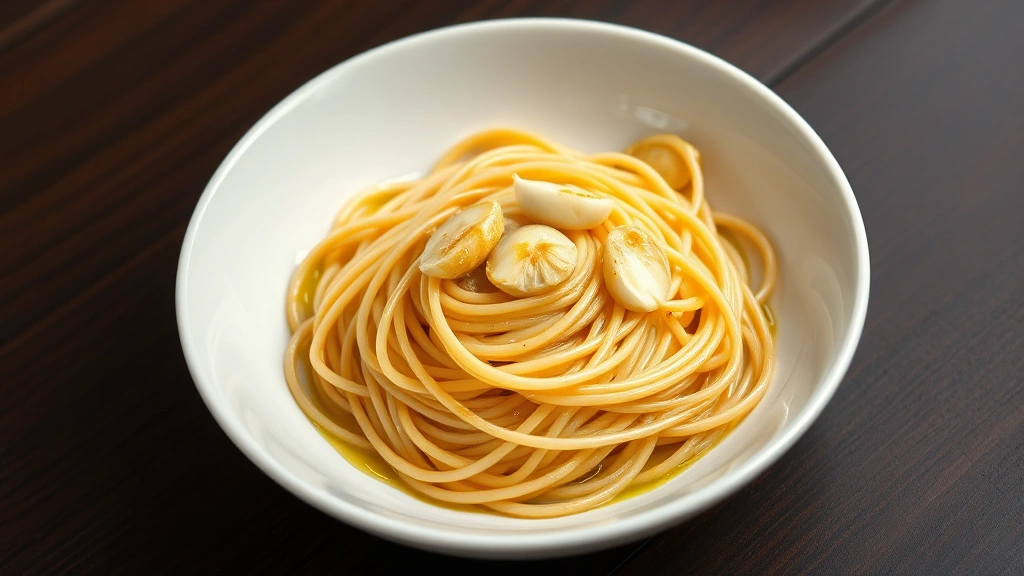
An aglio olio recipe is one of those kitchen moves that separates people who can actually cook from those who just heat things up. This isn’t fancy restaurant magic—it’s pure technique, timing, and understanding how a few simple ingredients transform into something genuinely delicious. In just 15 minutes, you’ll have a silky, garlicky pasta dish that tastes like you spent hours on it.
Table of Contents
What Is Aglio Olio?
Aglio olio is Italian for “garlic and oil,” and that’s literally what you’re working with. No cream, no cheese, no complicated sauces. Just pasta coated in infused olive oil with garlic that’s been cooked until it’s golden and fragrant. It sounds almost too simple, but that simplicity is exactly why this dish demands respect. When you strip away all the extras, every single element has to be executed properly. The aglio olio recipe originated in Southern Italy, particularly around Naples, where people understood that the best food doesn’t need to be complicated—it needs to be precise.
Ingredients You Need
Here’s what goes into your workspace: one pound of spaghetti or linguine, six to eight cloves of fresh garlic, half a cup of high-quality extra virgin olive oil, one-quarter teaspoon of red pepper flakes (adjust to your heat tolerance), salt for the pasta water, and black pepper for finishing. That’s it. No butter, no cream, no parmesan unless you want to break tradition. The quality of your ingredients matters here because there’s nowhere to hide. Cheap olive oil will make this taste cheap. Fresh garlic beats jarred every single time.
Pasta Selection Matters
You want a long, thin pasta for this dish—spaghetti, linguine, or bucatini work perfectly. The reason is surface area. Thin pasta strands coat more evenly with the oil, and they pick up the garlic flavor throughout. Avoid thick pasta shapes or anything with ridges that’ll trap oil unevenly. The pasta itself becomes part of the sauce here, not just a vehicle for it. When you’re shopping, grab bronze-cut pasta (pasta trafilata al bronzo) if you can find it. It has a rougher texture that holds onto the oil better than smooth, industrially-produced pasta.
Garlic Prep Technique
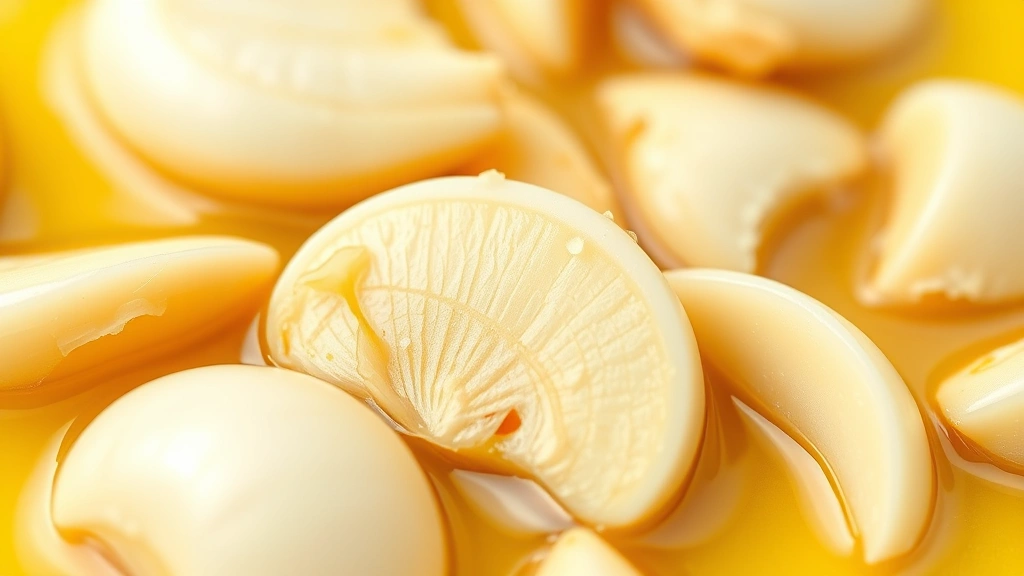
This is where most home cooks mess up. Slice your garlic thin—about the thickness of a coin—rather than mincing it. Thin slices cook evenly and give you control over the browning process. Minced garlic burns faster and creates bitter, harsh flavors. You want golden, toasted garlic, not blackened garlic. Peel your cloves first, then lay them flat on your cutting board and slice lengthwise. Keep your knife sharp; crushed, bruised garlic releases too much liquid and won’t crisp up properly. Some recipes call for whole cloves, but sliced garlic distributes better throughout the finished dish.
Oil Infusion Method
Pour your olive oil into a large skillet and set it over medium heat. Once the oil is warm but not smoking, add your sliced garlic. This is the critical moment. You’re not frying the garlic; you’re gently warming it in the oil so the flavors transfer. Keep the heat at medium or even medium-low. Stir occasionally and watch carefully. After about three to four minutes, the garlic will turn pale golden. That’s your target. Keep going for another minute or so until it’s a deeper gold color, but stop before it turns brown. The whole process takes five to seven minutes. This infused oil is the sauce—treat it with respect. Once you nail this technique, you’ve basically mastered the hardest part of the aglio olio recipe.
Cooking the Pasta
While your oil is infusing, get a large pot of salted water boiling. The water should taste like the sea—this is your only seasoning opportunity for the pasta itself. Drop in your pasta and cook it one minute under the package directions. You want it al dente, with a slight firmness in the center. When you’re about a minute away from done, reserve at least one cup of pasta water. This starchy water is going to help bring everything together and create a silky sauce. Don’t skip this step. Drain your pasta, but leave it slightly wet—you need that moisture.

Combining Everything
Here’s where everything comes together. Add your hot, drained pasta directly to the skillet with the garlic oil. Toss constantly, adding pasta water a splash at a time. The starch in the water emulsifies with the oil, creating a creamy coating that clings to every strand. Keep tossing for about a minute. The pasta will look almost glossy, like it’s coated in a light sauce. If it looks too dry, add more pasta water. If it looks soupy, you’ve added too much. The goal is pasta that’s evenly coated but not swimming in liquid. This is why you need to stay engaged—this isn’t a set-it-and-forget-it dish.
Seasoning Balance
Taste as you go. The pasta water already has salt, and your oil has garlic and red pepper flakes, but you might need to adjust. Add black pepper generously—this dish loves pepper. If you want to finish with parmesan, use a microplane to grate fresh parm over the top. Some purists skip the cheese entirely, and that’s totally valid. The red pepper flakes should provide a gentle heat that builds as you eat, not a shock. If you went light on the flakes, you can always add more to individual servings. Fresh parsley isn’t traditional, but a small handful of chopped flat-leaf parsley adds a fresh note that balances the richness of the oil.
Common Mistakes
Burned garlic is the number one killer. People crank the heat to speed things up, and suddenly their garlic is black and bitter. Low and slow wins every time. The second mistake is underseasoning. This simple dish needs more salt and pepper than you think. Third mistake: not reserving enough pasta water. You need that starch to bring the whole thing together. Fourth mistake: cooking the pasta too far ahead. This dish needs to come together quickly while everything is hot. Aglio olio recipe success depends on timing and temperature. Don’t make it ahead and try to reheat it—that defeats the purpose.
Frequently Asked Questions
Can I use pre-minced garlic for aglio olio?
Technically yes, but you’re compromising the dish. Pre-minced garlic has lost flavor and moisture, and it browns unevenly. Fresh garlic sliced while you cook tastes dramatically better. It takes two extra minutes to slice garlic yourself.
What if I don’t have red pepper flakes?
You can skip them entirely for a milder version, or use freshly cracked black pepper for heat. Some people use a pinch of cayenne, but start small—it’s spicier than flakes.
Is this recipe vegetarian?
Yes, completely. It’s also vegan if you skip the optional parmesan cheese. It’s naturally dairy-free and egg-free, making it accessible to most dietary preferences.
How do I store leftovers?
Honestly, this dish is best eaten immediately. If you have leftovers, refrigerate them in an airtight container for up to two days. Reheat gently in a skillet with a splash of water or olive oil, but expect the texture to be different.
Can I double this recipe?
Yes, but work in batches if your skillet isn’t huge. Doubling everything at once can make it hard to coat the pasta evenly. Two pounds of pasta with double the garlic and oil works fine, just give yourself more time for the combining step.
What pasta water ratio should I use?
Start with a quarter cup and add more gradually. You want enough to create a light coating, not a sauce. The pasta water should mostly evaporate as you toss, leaving just the oil clinging to the noodles.
Final Thoughts
Mastering an aglio olio recipe teaches you something fundamental about cooking: technique beats complexity every single time. This 15-minute dish has humbled professional chefs because it exposes every mistake immediately. There’s no sauce to hide behind, no cream to mask burned garlic, no cheese to compensate for underseasoning. But that’s also what makes it beautiful. Once you understand how garlic infuses oil, how starch emulsifies, and how timing creates texture, you’ve got skills that apply to hundreds of other dishes. This isn’t just pasta—it’s a masterclass in fundamentals. Make it once a week until you can do it without thinking. Then you’ll understand why Italian grandmothers have been making this for generations.


