
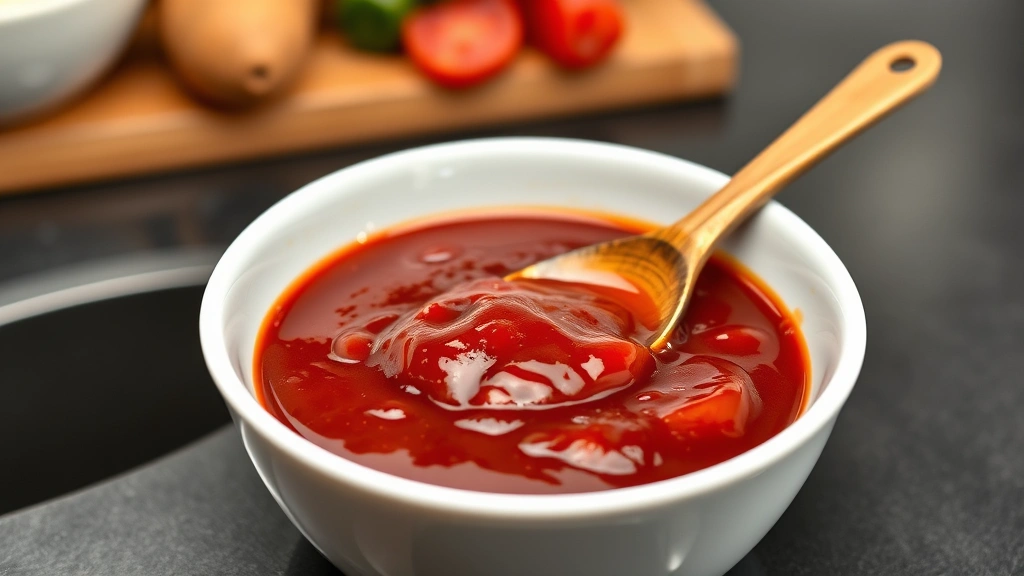
An adobo sauce recipe is your ticket to restaurant-quality dishes made right in your own kitchen. Whether you’re marinating meats, dipping tortillas, or building the foundation for killer enchiladas, this smoky, tangy, and slightly spicy sauce transforms ordinary ingredients into something memorable. I’ve made this countless times, and the best part? You probably have most of what you need in your pantry right now.
Table of Contents
What Is Adobo Sauce?
Adobo sauce is a thick, rich condiment with roots deep in Mexican and Latin American cuisine. The name comes from the Spanish word “adobar,” meaning to marinate or season. This isn’t just ketchup with attitude—it’s a complex blend of dried chiles, vinegar, garlic, and spices that develops depth when you take time to do it right.
The sauce sits somewhere between a marinade and a paste. It clings to meat, coats rice, and makes everything taste like you spent hours in the kitchen. The beauty of making your own adobo sauce recipe is controlling the heat level and adjusting the balance of smoky, tangy, and savory flavors to match your taste.
Gather Your Ingredients
Here’s what you’ll need for a solid batch:
- 4-6 dried ancho chiles (the workhorse of adobo)
- 2-3 dried chipotle chiles (for that smoky kick)
- 4 garlic cloves
- 1/2 cup apple cider vinegar or white vinegar
- 1 tablespoon honey or brown sugar
- 1 teaspoon cumin
- 1 teaspoon dried oregano
- 1/2 teaspoon black pepper
- 1/2 teaspoon salt (adjust to taste)
- 1 cup chicken or vegetable broth
The dried chiles are non-negotiable—they’re what separate homemade adobo from the bottled stuff. If you can’t find them at your regular grocery store, check the international aisle or order online. Fresh ingredients matter here, so don’t grab that garlic powder.
Prep Work Matters
Before you start cooking, remove the stems and seeds from your dried chiles. You can leave some seeds if you want extra heat—this is your heat dial. Rinse them under cool water to remove any dust, then set them aside on a clean surface.
Peel your garlic cloves and have them ready. Measure out your spices into separate small bowls—this mise en place approach keeps you from fumbling around mid-recipe. Grab a blender or food processor because you’ll need it in a few minutes.
Five Steps to Perfect Sauce
Step 1: Toast the Chiles
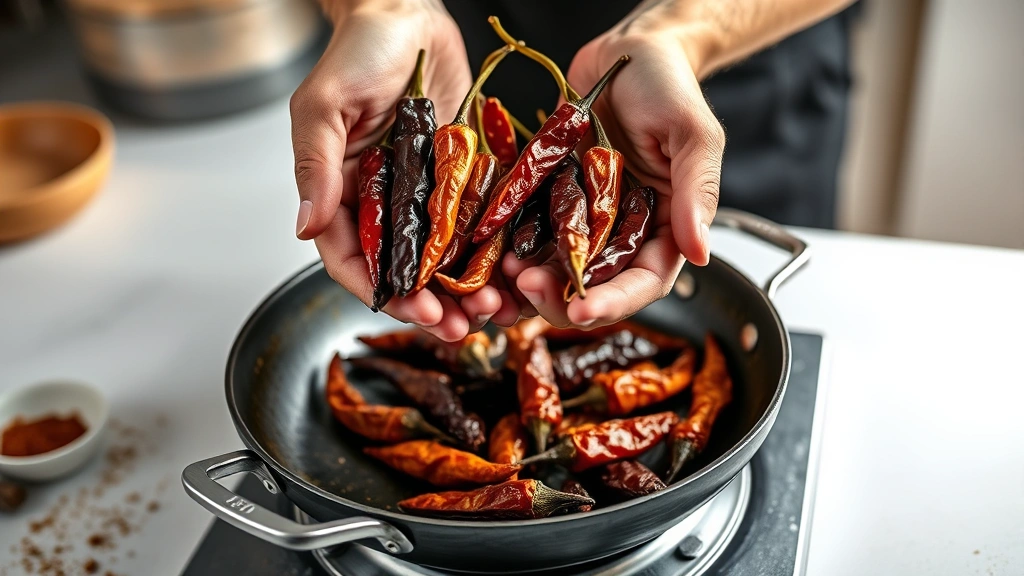
Heat a dry skillet over medium heat. Place your prepared chiles in the pan for 30-45 seconds per side. You’re not cooking them—you’re waking them up. You’ll smell that toasted, earthy aroma immediately. Don’t skip this step; it deepens the flavor significantly.
Step 2: Soak and Soften
Transfer your toasted chiles to a bowl and cover them with hot broth. Let them sit for 8-10 minutes until they’re soft and pliable. This is the magic moment where dried peppers transform into something you can actually blend. The broth becomes infused with chile flavor, and you’ll use this later.
Step 3: Combine in Your Blender
Drain your softened chiles, reserving that flavorful broth. Add the chiles to your blender along with the garlic cloves, vinegar, honey, cumin, oregano, black pepper, and salt. Pour in about 3/4 cup of that reserved broth. Blend until completely smooth—this takes a minute or two. You want zero graininess.
Step 4: Strain for Silky Texture
Pour the blended mixture through a fine-mesh strainer into a bowl, pushing it through with the back of a spoon. This removes any remaining chile skin bits and gives you that restaurant-quality silky texture. Yes, it takes an extra minute, but it’s worth it.
Step 5: Taste and Adjust
This is where you own the recipe. Taste a small spoonful. Too thick? Add a splash more broth. Too acidic? Add a pinch more honey. Not salty enough? Add salt gradually—you can always add more, but you can’t take it out. The sauce should coat the back of a spoon but still flow slightly.
Storage and Shelf Life
Your finished adobo sauce keeps in an airtight container in the refrigerator for up to two weeks. I usually make a double batch and freeze half in ice cube trays—perfect portions for quick weeknight cooking. Frozen adobo lasts about three months.
Pro tip: label your containers with the date. It’s easy to forget when you made something, and while adobo doesn’t spoil quickly, fresher is always better. You can also can this sauce using proper canning methods if you want shelf-stable storage.
Flavor Variations You’ll Love
Once you master the basic adobo sauce recipe, experiment with these tweaks:
Smoky Version: Use mostly chipotle chiles instead of ancho. Add a pinch of smoked paprika. This works beautifully with grilled chicken.
Sweet and Spicy: Increase the honey to 2 tablespoons and add a pinch of cinnamon. This version is fantastic with pork.
Citrus Twist: Replace half the vinegar with fresh lime juice and add a tablespoon of orange juice. Great for seafood.
Garlic Forward: Use 6-8 garlic cloves instead of 4. This version is perfect if you’re a garlic devotee like me.
Common Mistakes to Avoid
Don’t skip toasting the chiles—I know it seems like an extra step, but it’s crucial. Untoasted chiles taste flat and one-dimensional.
Don’t over-blend. You want smooth, not liquified. Blend just until you reach a consistent sauce texture.
Don’t use boiling water for soaking the chiles. Hot water is fine; boiling can make them break down too much and lose their structure.
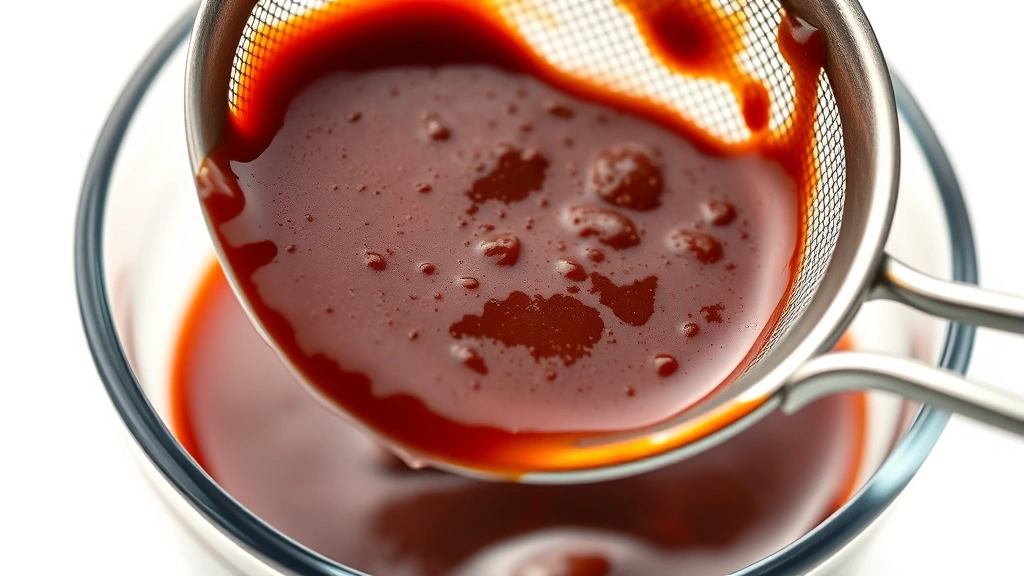
Don’t forget to strain. Yes, your blender made it smooth, but those tiny chile skin bits will affect the mouthfeel. The straining step is worth the two minutes.
Best Dishes for Adobo
This sauce is incredibly versatile. Use it to marinate chicken breasts for 2-4 hours before grilling. Spread it on enchiladas before baking. Mix it into pulled pork. Dip warm tortillas. Drizzle it over scrambled eggs and black beans for breakfast.
You can also brush it on vegetables before roasting—adobo-glazed zucchini and bell peppers are outstanding. If you’re familiar with how to make apple sauce, you understand how a good sauce elevates simple ingredients, and adobo does exactly that.
For seafood, thin your adobo with a little more lime juice and use it as a finishing sauce for grilled fish. The acidity cuts through the richness beautifully.
Frequently Asked Questions
Can I make adobo sauce without a blender?
Yes, though it requires more work. After soaking the chiles, you can mash them with a fork or potato masher, then press everything through a fine strainer. It takes longer and requires more elbow grease, but the result is similar. A food processor works almost as well as a blender if that’s what you have.
What’s the difference between adobo sauce and enchilada sauce?
Adobo is thicker and more concentrated, designed as a marinade or dipping sauce. Enchilada sauce is typically thinner and often made with broth or tomatoes. You can thin adobo with broth to make it enchilada-like, but they’re not quite the same thing.
How spicy is homemade adobo sauce?
It depends on your chiles. Ancho chiles are mild to medium heat. Chipotles add smokiness and moderate heat. If you’re heat-sensitive, use mostly anchos with just one chipotle. If you love heat, use more chipotles and keep some seeds in. Start conservative—you can always make it spicier next time.
Can I use fresh chiles instead of dried?
You can, but the flavor profile changes significantly. Fresh chiles are brighter and less concentrated. If you go this route, use about twice the amount of fresh chiles, remove the seeds for less heat, and reduce the soaking time to just a few minutes. The sauce won’t have that deep, smoky complexity though.
Is adobo sauce the same as adobo seasoning?
No. Adobo seasoning is a dry spice blend (usually cumin, oregano, garlic powder, paprika, and salt). Adobo sauce is wet and chile-based. They’re completely different things, though adobo seasoning is sometimes used in adobo sauce recipes.
For more sauce-making inspiration, check out how to keep apples from browning if you’re working with fresh ingredients. And if you’re looking to expand your kitchen skills beyond sauces, how to clean a washing machine is always handy to know.
Final Thoughts
Making your own adobo sauce recipe puts you in control of flavor, heat level, and quality. Once you’ve made it once, you’ll realize how simple it actually is. The ingredients are minimal, the technique is straightforward, and the results taste like you’ve been doing this for years.
Start with the basic recipe, make it a few times to get comfortable with the process, then start experimenting with variations. Your future tacos, enchiladas, and grilled meats will thank you. This is one of those skills that feels fancy but is actually approachable for anyone willing to spend 30 minutes in the kitchen.
For additional cooking techniques and kitchen projects, check out resources like Family Handyman for practical how-to guides that cover everything from kitchen maintenance to food preparation.


