
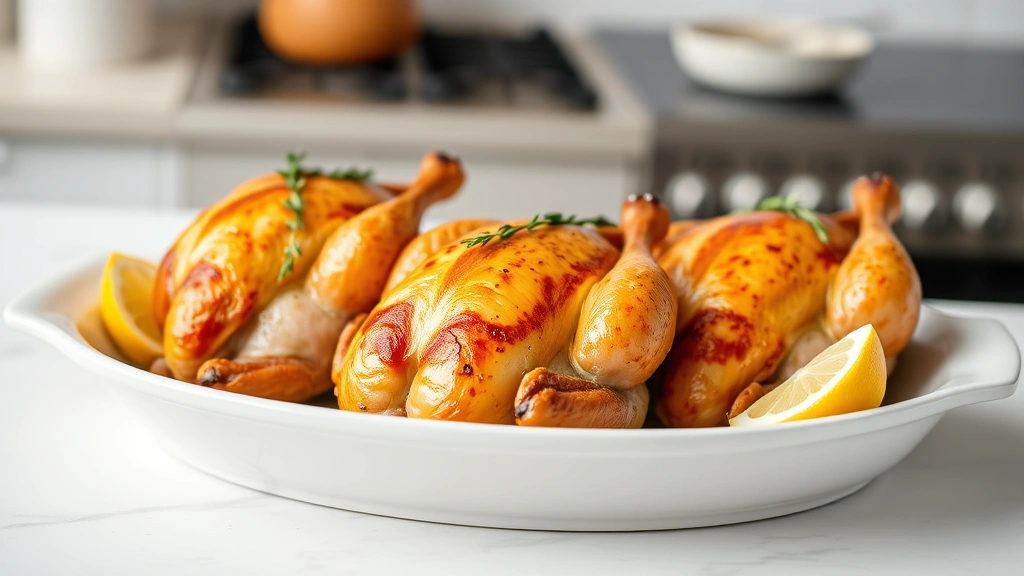
Learning how to cook cornish game hens transforms them from intimidating poultry into an elegant, restaurant-quality dinner that’s honestly easier than roasting a full-sized chicken. These petite birds are individual-sized portions of pure flavor, and once you nail the technique, you’ll be pulling them out for weeknight dinners and fancy entertaining alike.
Table of Contents
What Are Cornish Game Hens?
Cornish game hens aren’t a specific breed—they’re actually a cross between Cornish and White Rock chickens, bred to be smaller and meatier than standard broilers. Each bird weighs between 1.5 to 2.5 pounds, making them perfect for individual servings. What makes them special is their tender meat and higher meat-to-bone ratio compared to regular chickens. You’ll find them in most supermarket meat sections, usually frozen or available fresh by special order.
Prep Work Matters
Before you even think about heat, proper preparation sets you up for success. Remove your Cornish game hens from the refrigerator 30-45 minutes before cooking—this allows them to reach closer to room temperature, ensuring even cooking throughout. If they’re frozen, thaw them completely in the refrigerator, which takes about 24 hours for birds this size.
Pat the birds completely dry with paper towels. Moisture is the enemy of crispy skin, so don’t skip this step. Check inside the cavity for any remaining giblets or organs and remove them. Rinse the birds under cold water if desired, then dry again thoroughly. Trim any excess skin around the neck opening, but leave enough to fold under for a neat appearance.
Seasoning and Flavoring
This is where your Cornish game hens become exceptional. Season inside and out generously with kosher salt and freshly ground black pepper at least 15 minutes before roasting. The salt penetrates the meat and seasons it throughout, not just the surface. Don’t be shy—these birds are lean and benefit from bold seasoning.
Stuff each cavity with aromatics like halved lemons, fresh thyme sprigs, garlic cloves, and rosemary. You’re not trying to stuff them densely; just layer in enough to flavor the meat as it cooks. Tie the legs together loosely with kitchen twine to keep the birds compact and ensure even cooking. Tuck the wing tips under the body.
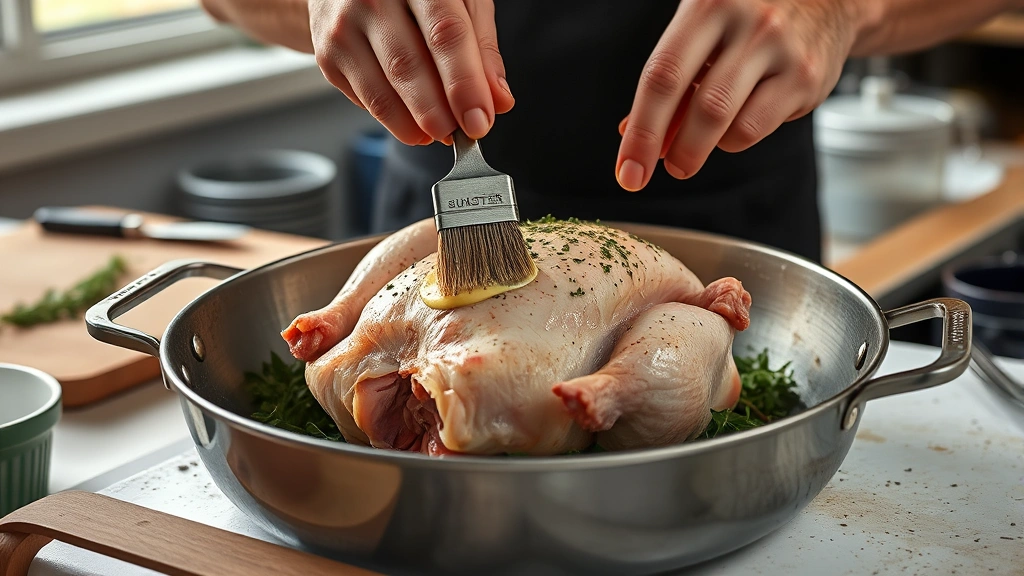
For the exterior, rub softened butter mixed with herbs directly under and over the skin. This creates incredible flavor and helps the skin brown beautifully. Try combinations like herb butter with sage and thyme, or garlic and parsley for something more classic.
Roasting the Birds
Position your oven rack in the lower-middle position and preheat to 450°F. Place your prepared Cornish game hens breast-side up on a roasting pan lined with foil for easy cleanup. If you’re cooking multiple birds, arrange them so air can circulate around each one—they shouldn’t touch. You can also use a wire rack inside the pan to elevate them slightly, which helps heat circulate underneath and promotes even browning.
Don’t add water to the pan initially. The birds will release their own juices as they cook. If you want to make pan gravy afterward, you’ll have plenty of flavorful drippings. Slide the pan into your preheated oven and set a timer.
Cooking Time and Temperature
At 450°F, expect Cornish game hens to cook in 45-55 minutes depending on their exact size and how cold they were when they went in. Some people prefer starting at 450°F for 15 minutes to get the skin crackling, then reducing to 375°F for the remainder—this method is foolproof if you’re worried about drying out the meat.
Alternatively, maintain a steady 425°F for the entire cooking time, which typically takes 50-60 minutes. Check them at the 40-minute mark. The skin should be turning golden brown. If it’s browning too fast, tent loosely with foil. The goal is mahogany-brown skin when finished.
For comparison, how long to bake chicken drumsticks differs significantly since drumsticks are smaller and cook faster. Cornish game hens need the longer time to cook through completely while developing that gorgeous skin.
Testing for Doneness
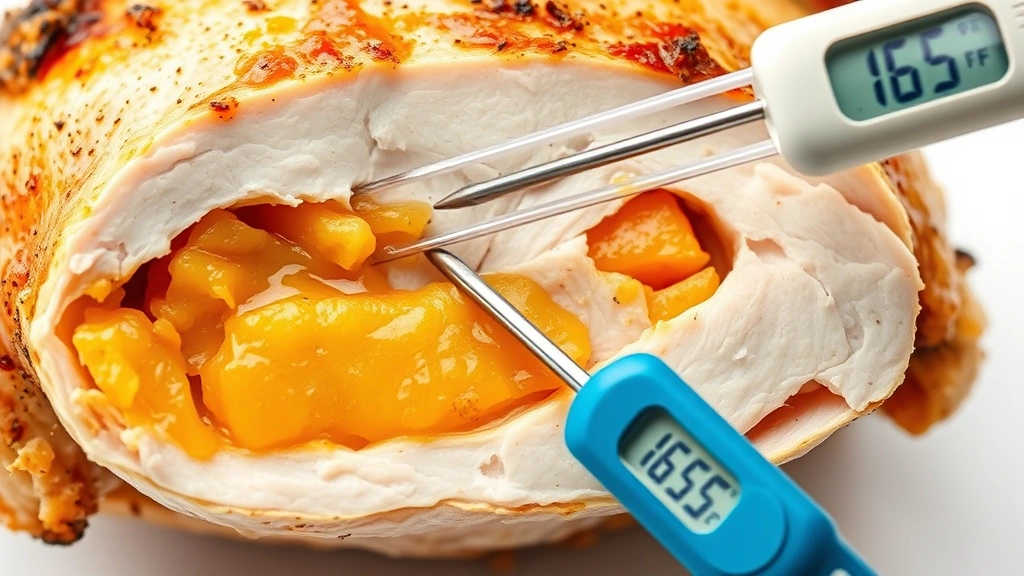
The most reliable method is using an instant-read meat thermometer. Insert it into the thickest part of the thigh without touching bone—you’re looking for 165°F minimum, though many cooks prefer 170°F for fully cooked poultry. Check both thighs if cooking multiple birds, as they may cook at slightly different rates.
If you don’t have a thermometer, pierce the thickest part of the thigh with a skewer or knife tip. The juices should run clear with no pink tinge. The leg should move freely in its socket when you wiggle it. Undercooked poultry is a food safety issue, so when in doubt, use that thermometer.
Resting and Serving
Remove your Cornish game hens from the oven and transfer them to a cutting board or serving platter. Let them rest for 10 minutes—this is non-negotiable. During resting, the residual heat continues cooking the meat slightly while the juices redistribute, keeping the meat moist and tender. Tent loosely with foil if your kitchen is cool.
After resting, you can serve them whole for an impressive presentation, or cut them in half lengthwise using kitchen shears or a sharp chef’s knife. One whole hen makes a perfect individual serving. If you want to make pan gravy, pour the drippings into a saucepan, add a splash of chicken broth or wine, and reduce over medium heat while scraping up the browned bits.
Flavor Variations
Once you’ve mastered the basic technique, experiment with different flavor profiles. For Asian-inspired birds, brush with a glaze made from soy sauce, ginger, garlic, and honey during the last 15 minutes of cooking. Mediterranean style calls for lemon, oregano, and olives stuffed inside. Cajun seasoning, Moroccan spices, or Italian herb combinations all work beautifully.
Stuff the cavities with different ingredients too: wild rice and mushrooms, bread stuffing, or even fresh fruit like apple halves and dried cranberries. The small size means the flavoring penetrates quickly, so you get bold taste in every bite. Similar to how long to cook chicken tenders in oven at 400, timing matters, but Cornish game hens are forgiving if you stay within the temperature range.
Side Dishes Pair Perfectly
Cornish game hens pair beautifully with elegant sides that cook simultaneously. Root vegetables like carrots, parsnips, and Brussels sprouts roast alongside the birds—just toss with oil and herbs and add to the pan 20 minutes before the birds finish. Potatoes work wonderfully too; how long do potatoes take to boil differs from roasting, but roasted potato wedges take about 35-40 minutes at 425°F, timing perfectly with your hens.
Creamed spinach, wild rice pilaf, or simple roasted asparagus all complement the rich, delicate meat. The pan drippings make an excellent light gravy to drizzle over everything. For something more substantial, consider how long to cook a pork loin in the oven if you want to understand oven timing for other proteins—Cornish game hens are actually one of the quickest proteins to roast.
Storage and Leftovers
Leftover Cornish game hens keep in the refrigerator for up to four days in an airtight container. Shred the meat from the bones and use it in salads, grain bowls, soups, or sandwiches. The bones make excellent stock—simmer them with aromatics for 2-3 hours for a rich, flavorful broth perfect for risotto or soup.
You can also freeze cooked birds for up to three months. Wrap them tightly in plastic wrap and foil, or store shredded meat in freezer bags. Thaw overnight in the refrigerator before reheating gently in a 325°F oven until warmed through, about 15-20 minutes.
Frequently Asked Questions
Can I cook Cornish game hens from frozen?
It’s not recommended. Frozen birds won’t cook evenly—the outside will overcook while the inside remains undercooked. Thaw them completely in the refrigerator first, which takes about 24 hours. If you’re in a pinch, you can thaw them in cold water (changing the water every 30 minutes), which takes 2-4 hours depending on size.
How many Cornish game hens should I cook per person?
Plan on one whole bird per person for a main course, or half a bird if serving with substantial sides or as part of a multi-course meal. Each bird weighs 1.5-2.5 pounds and provides a generous individual portion with meat to spare.
What’s the difference between Cornish game hens and regular chicken?
Cornish game hens are smaller (1.5-2.5 lbs vs. 4-6 lbs for a whole chicken), younger, and have a higher meat-to-bone ratio. They cook faster and more evenly due to their size, and many people find the meat slightly more tender and flavorful. They’re ideal for individual servings and elegant presentations.
Should I stuff Cornish game hens?
Light stuffing with aromatics (lemon, herbs, garlic) is excellent and adds flavor without weighing down the bird. Heavy bread stuffing isn’t ideal because it can prevent the inside from cooking properly due to the bird’s small size. Keep cavity fillings minimal and loose.
Can I grill Cornish game hens instead of roasting?
Absolutely. Spatchcock them (split and flatten) for even cooking on a grill over medium heat, or cook them whole using indirect heat (coals on one side, bird on the other). Grilling takes about 40-50 minutes and gives you beautiful char marks and smoky flavor.
Why is my Cornish game hen skin not crispy?
The most common culprit is moisture. Make sure the bird is completely dry before cooking, and don’t cover it during roasting. Starting at a higher temperature (450°F) for the first 15 minutes helps, as does avoiding opening the oven door frequently. Pat dry again just before cooking if needed.
Final Thoughts
Mastering how to cook cornish game hens opens up a world of elegant entertaining possibilities. These little birds are forgiving, cook quickly, and always impress. Whether you’re cooking for two or hosting a dinner party, Cornish game hens deliver restaurant-quality results with minimal fuss. Start with the basic herb butter and roasted preparation, then branch out into different flavor profiles once you’re comfortable with the timing and technique. Your guests will think you spent hours in the kitchen—your secret is that these beautiful birds practically cook themselves.


