
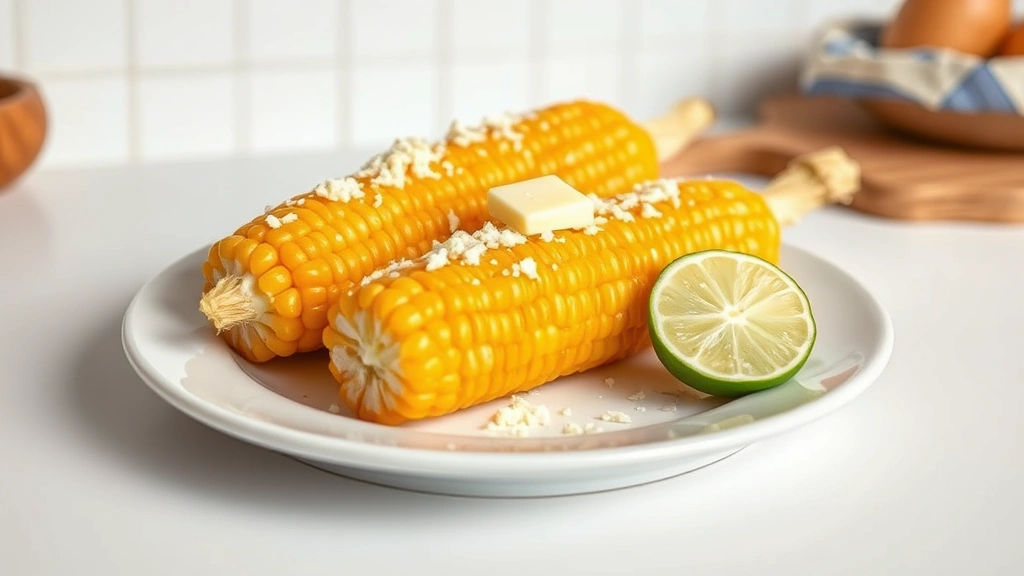
Learning how to cook corn in the oven is one of those kitchen tricks that’ll change your summer game forever. Forget boiling water or dealing with corn steamers—roasting corn brings out a natural sweetness and creates a caramelized exterior that’ll make your taste buds sing. Whether you’re prepping for a backyard barbecue or just want a simple weeknight side dish, oven-roasted corn delivers restaurant-quality results in under 30 minutes.
Table of Contents
Why Roast Corn in the Oven?
Roasting corn beats traditional boiling methods hands down. When you roast, the natural sugars caramelize on the kernels, creating a deeper, more complex flavor profile. The dry heat of the oven concentrates the corn’s sweetness rather than diluting it in water. Plus, you get that gorgeous golden-brown color and slightly charred edges that add visual appeal and textural contrast.
Unlike steaming (which we cover in our guide to steaming vegetables), roasting requires minimal equipment and attention. Toss your corn with oil and seasonings, slide it in the oven, and you’re basically done. No hovering, no timing precision—just delicious results.
Prep Your Corn Right
Start with fresh corn. Look for husks that are bright green and slightly damp, with silks that are golden-brown. The kernels should feel plump when you squeeze the ear gently. Fresh corn makes all the difference in the final result.
Here’s the prep breakdown: Peel back the husks carefully and remove all the silk strands—get as many as you can, though a few stragglers won’t ruin anything. Rinse the corn under cold water to remove remaining silk bits. Pat completely dry with paper towels. This step is crucial because moisture prevents proper browning and caramelization.
For whole-ear roasting, leave the husks on if you prefer a steamed-meets-roasted texture, or remove them entirely for maximum caramelization. Personally, I remove the husks completely for that restaurant-quality char.
Seasoning Options That Pop
The beauty of oven-roasted corn is its versatility with seasonings. Start with a base: brush each ear with melted butter or olive oil. This sounds simple, but quality butter makes a noticeable difference.
From there, you’ve got endless options. Classic approach: salt and pepper with fresh lime juice and cotija cheese (inspired by Mexican street corn). Spicy route: paprika, cayenne, garlic powder, and a pinch of chili powder. Herbaceous: fresh thyme, rosemary, and minced garlic mixed into softened butter before brushing on.
For adventurous cooks, try a buffalo-style seasoning approach with hot sauce mixed into melted butter, or go Mediterranean with Italian herbs and parmesan. The corn’s natural sweetness plays well with both savory and slightly spicy profiles.
The Roasting Process Explained
Here’s where the magic happens. First, preheat your oven to 400°F. This temperature is hot enough to create caramelization without burning the corn.
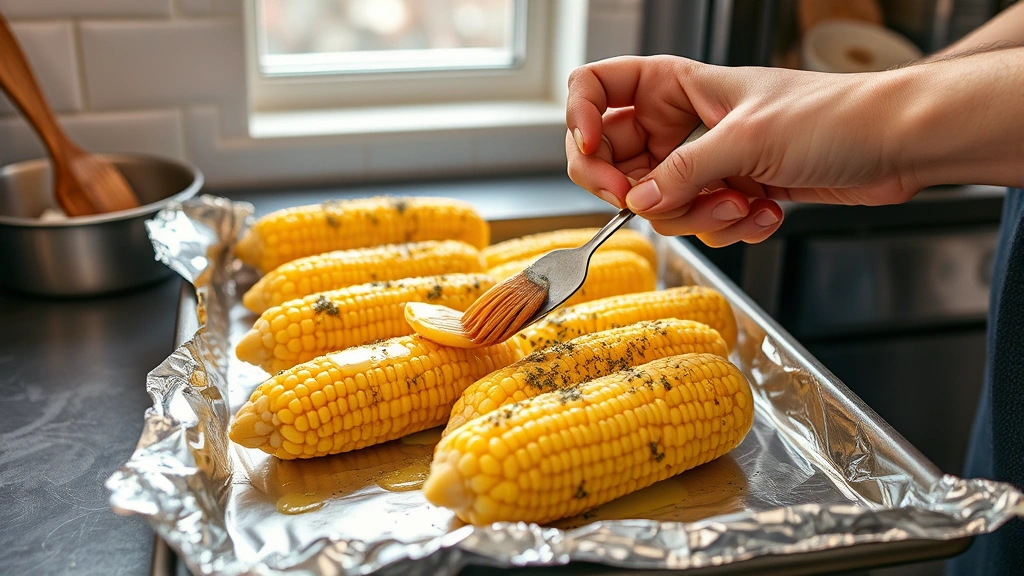
Line a baking sheet with foil or parchment paper for easy cleanup. Arrange your corn ears on the sheet in a single layer. They can touch slightly, but aim for good air circulation around each ear. If roasting corn kernels (cut from the cob), spread them in a thin layer on the baking sheet.
Brush each ear generously with your oil and seasoning mixture. Don’t be shy—the oil carries flavor and creates that beautiful golden crust. If you’re using a butter-based mixture, apply it evenly on all sides. For extra flavor, you can sprinkle additional seasonings directly on top before roasting.
Temperature and Timing Guide
Roast at 400°F for 20-25 minutes for whole ears. The exact time depends on corn size and your oven’s actual temperature (ovens vary, so use these as guidelines). You’ll know it’s done when the kernels are tender and the husks show some light browning or char marks.
If you prefer more char for deeper flavor, crank it to 425°F and roast for 18-22 minutes. Watch carefully at this temperature—the line between perfect char and burnt is thinner.
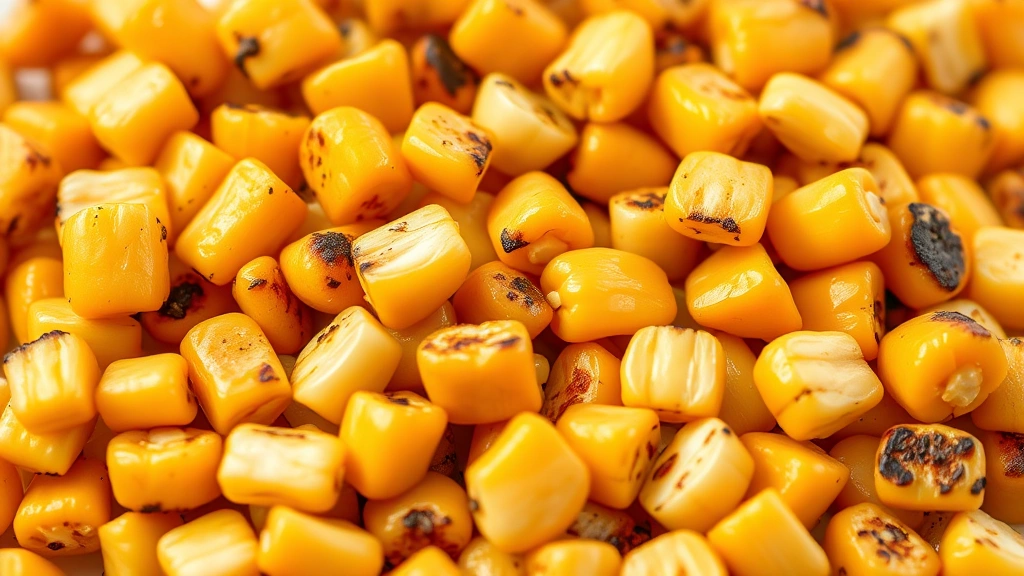
For corn kernels cut from the cob, reduce time to 15-18 minutes at 400°F, stirring halfway through for even browning. The kernels should be golden and slightly shriveled at the edges.
Pro tip: Rotate the baking sheet halfway through roasting if your oven has hot spots. This ensures even caramelization on all sides.
Finishing Touches Matter
Remove corn from the oven and let it cool for 2-3 minutes before handling. The kernels will be hot, so patience prevents burned fingers.
This is when you add final embellishments. Fresh herbs like cilantro or parsley work beautifully. A squeeze of fresh lime or lemon juice brightens the flavors. Grated cheese—whether cotija, parmesan, or feta—adds richness. Drizzle with more quality butter if you’re feeling indulgent.
For a finishing touch that really impresses, brush lightly with a garlic-infused oil or sprinkle with everything bagel seasoning. Small touches elevate the dish from simple to special.
Storage and Leftovers
Cooked corn keeps in an airtight container in the refrigerator for up to 3 days. Store it on the cob or cut the kernels off—your choice. To reheat, wrap in foil and warm in a 350°F oven for about 10 minutes, or microwave in a covered dish with a splash of water.
Leftover roasted corn kernels work great in salads, grain bowls, or mixed into cornbread batter. Cut kernels off the cob and freeze them in freezer bags for up to 3 months. They’re perfect for winter cooking when fresh corn isn’t available.
Common Roasting Problems
If your corn turns out dry, you likely roasted it too long or at too high a temperature. Fresh corn has natural moisture that evaporates with extended cooking. Stick to the 20-25 minute window at 400°F.
Kernels not browning enough? Your oven might run cool. Try increasing temperature by 25°F or extending time by 3-5 minutes. You can also increase the oil content in your seasoning mixture—more oil promotes browning.
Husks burning while kernels stay pale? Remove husks entirely or wrap the exposed kernels loosely with foil for the first 10 minutes, then remove foil to allow browning.
Uneven cooking? Make sure corn ears are similar in size. Smaller ears cook faster than large ones, so separate them by size if you notice significant differences.
Creative Variations to Try
Once you master basic roasted corn, experiment with flavor combinations. Try an Asian-inspired version with sesame oil, soy sauce, and sesame seeds. Go Cajun with smoked paprika, garlic powder, and a touch of cayenne.
Create a Mediterranean version with olive oil, oregano, lemon zest, and crumbled feta. For something unique, brush corn with miso butter and top with nori strips and sesame seeds.
You can also roast corn alongside other vegetables. Pair with roasted peppers, onions, or zucchini for a complete side dish. The shared cooking time works perfectly for a coordinated meal prep.
Frequently Asked Questions
Can you roast corn without removing the husks?
Yes, absolutely. Leaving husks on creates a steamed-roasted hybrid effect with softer kernels and less char. Remove the silk first, soak the whole ear in water for 10 minutes, then roast at 400°F for 25-30 minutes. The husks protect the kernels from direct heat.
What’s the best oil for roasting corn?
Butter is traditional and delicious, but olive oil works great too. Avocado oil or grapeseed oil handle high heat well. Avoid light vegetable oils—they lack flavor. Use about 1 tablespoon of oil per ear.
How do you know when roasted corn is done?
The kernels should be tender when pierced with a fork, and the corn should have light golden-brown spots or slight char marks. Don’t wait for deep browning—that’s overdone. The kernels should still have some firmness, not be mushy.
Can you roast frozen corn?
Yes, but thaw it completely first and pat it dry thoroughly. Frozen corn has more moisture than fresh, so you might need an extra 3-5 minutes of roasting time. The results won’t be quite as spectacular as fresh, but still delicious.
Is roasted corn healthy?
Corn is naturally nutritious—it’s a whole grain with fiber, vitamins, and minerals. Roasting doesn’t diminish nutritional value. The oil adds calories but also helps absorb fat-soluble vitamins. Enjoy it as part of a balanced diet.
Can you roast corn on the cob cut into pieces?
Absolutely. Cut ears into 2-3 inch pieces, brush with oil and seasonings, and roast the same way. This actually increases surface area for caramelization, creating more flavorful results. Roast time stays around 20-25 minutes at 400°F.
Wrapping Up Your Corn Roasting Journey
Learning how to cook corn in the oven opens up a world of simple, delicious possibilities. This method beats boiling every time, delivering caramelized sweetness and impressive presentation with minimal effort. Whether you’re feeding a crowd or prepping a weeknight side dish, oven roasting delivers consistent, restaurant-quality results.
Start with the basic method—fresh corn, butter, salt, and pepper—then branch out into creative seasonings once you’ve got the technique down. The beauty of this cooking method is its forgiving nature and endless flavor potential. Your friends and family will be asking for your secret, and you’ll be the hero who figured out the perfect way to cook corn.


