
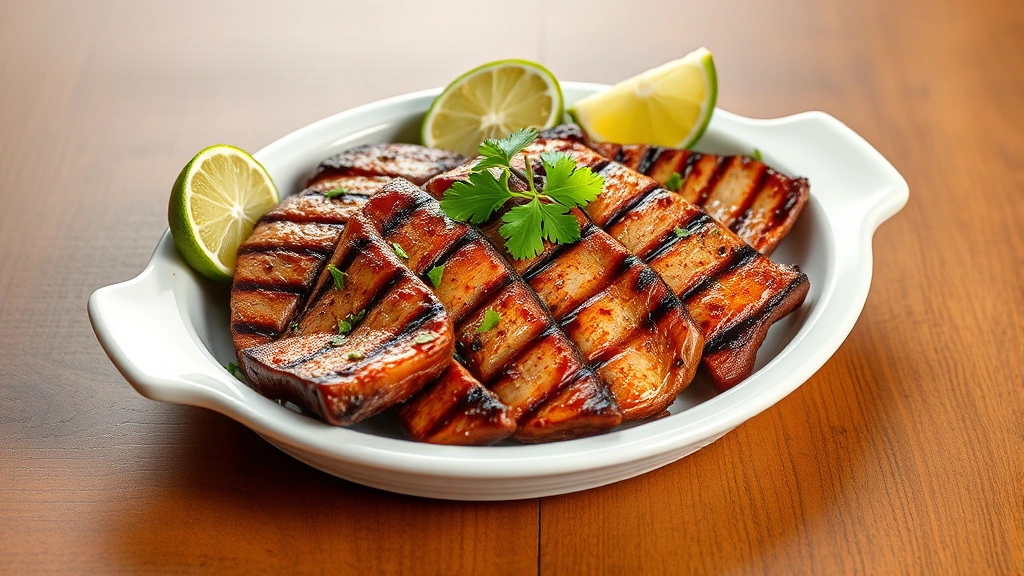
Learning how to cook carne asada transforms you from a backyard griller into someone who can deliver authentic Mexican street food magic. This isn’t fancy cooking—it’s honest, straightforward technique that relies on quality meat, bold flavors, and proper heat management. I’m going to walk you through everything you need to know to nail this dish every single time.
Table of Contents
Choosing the Right Meat Cut
The foundation of great carne asada starts at the meat counter. You want cuts that are flavorful but still tender enough to cook quickly over high heat. Skirt steak is the traditional choice—it’s got beautiful marbling, absorbs marinades like a sponge, and develops that perfect char when hit with flames. Flank steak works equally well and might actually be easier to find at your local grocery store.
Look for meat that’s bright red with white marbling throughout. Avoid anything that looks dark or has excessive moisture in the package. For a crowd, plan on roughly three-quarters of a pound per person. The thickness matters too—you want pieces between a quarter-inch and half-inch thick. Anything thinner risks drying out; anything thicker won’t cook evenly over high heat.
The Marinade Makes the Difference
This is where carne asada earns its reputation. The marinade isn’t just window dressing—it’s the soul of the dish. You’re looking for a balance of acid, fat, and bold seasonings that penetrate the meat and tenderize it simultaneously.
Here’s what goes into my go-to marinade: fresh lime juice (about six limes), orange juice for subtle sweetness, good olive oil, minced garlic, cumin, chili powder, oregano, and jalapeños. The acid in the citrus breaks down muscle fibers while the oil carries fat-soluble flavors deep into the meat. Don’t skip the fresh herbs—dried oregano works, but fresh makes a noticeable difference.
Mix your marinade in a bowl, then place your meat in a large zip-lock bag or shallow dish. Pour the marinade over, making sure every surface gets coated. This is where patience pays dividends. Minimum marinating time is four hours, but overnight is better. The longer it sits, the more tender and flavorful the final product becomes. If you’re short on time, even two hours will improve the meat significantly compared to cooking it plain.
Prep Work Before Grilling
Remove your meat from the refrigerator about thirty minutes before you plan to grill. Cold meat won’t cook evenly—the outside will char while the inside stays cool. Pat the meat dry with paper towels before it hits the grates. Any excess moisture creates steam, which prevents that beautiful crust from forming.
While the meat comes to room temperature, get your grill ready. If you’re using charcoal, build your fire about thirty minutes ahead. You want a hot zone and a cooler zone—this gives you flexibility if any piece threatens to char too quickly. For gas grills, get all burners going at high heat. Clean your grates with a wire brush; carne asada sticks to dirty grates like glue.
Have all your tools and serving pieces ready before you start cooking. Tongs, a meat thermometer, a cutting board, and a sharp knife should all be within arm’s reach. This isn’t the time to go hunting for equipment.
Grilling Technique and Temperature
Carne asada demands high heat—we’re talking 450 degrees Fahrenheit or hotter. The goal is a quick sear that creates a flavorful crust while keeping the inside juicy and tender. Place your meat directly over the hottest part of your grill.
Don’t move the meat around constantly. Let it sit for three to four minutes on the first side. You want those dark brown grill marks, not pale, wimpy stripes. Flip once and cook the other side for another three to four minutes. The total cooking time is usually six to eight minutes for medium-rare, which is the sweet spot for carne asada.
Use an instant-read meat thermometer to check doneness. Pull the meat off at 130-135 degrees Fahrenheit for medium-rare. It’ll continue cooking slightly while it rests, so don’t overcook it on the grill. If you’re serving people who prefer it more done, you can always throw individual pieces back on for another minute.
Timing and Doneness Levels
The thickness of your meat determines cooking time more than anything else. Quarter-inch pieces might only need four to five minutes total. Half-inch pieces could need the full eight minutes. This is why that meat thermometer becomes your best friend.
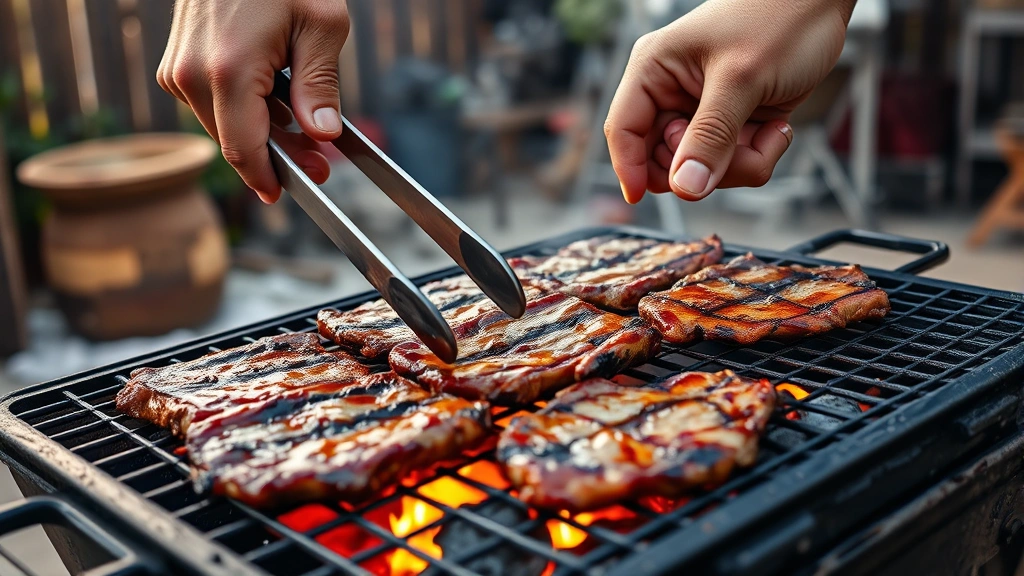
For rare: 120-125°F. For medium-rare: 130-135°F. For medium: 140-145°F. For medium-well: 150-155°F. Carne asada loses its magic above medium—the meat becomes tough and loses its juiciness. If you’ve got guests who want well-done meat, cook theirs separately and don’t let them judge your technique.
Watch for flare-ups from the marinade dripping onto hot coals or burners. Move the meat to a cooler zone temporarily if flames get too aggressive. You want char, not char-char-char.
Resting and Slicing Properly
This step separates good carne asada from great carne asada. Once your meat hits the target temperature, transfer it to a cutting board and let it rest for five to ten minutes. During this time, the juices redistribute throughout the meat instead of running all over your plate.
Slice against the grain. Look at the meat and identify which direction the muscle fibers run, then cut perpendicular to that direction. Slicing with the grain creates tough, chewy bites. Slicing against the grain creates tender, succulent pieces that practically melt in your mouth. This single technique makes an enormous difference in the final eating experience.
For skirt steak, the grain is usually pretty obvious. Cut on a slight angle to maximize the surface area and create those beautiful presentation slices.
Serving and Side Dishes
Traditional carne asada gets served with warm flour or corn tortillas, diced onion, fresh cilantro, and lime wedges. That’s it. That’s the complete package. The meat is the star, and everything else just supports it.
If you’re building a larger spread, consider pairing it with Alabama white sauce recipe for a unique accompaniment, or serve alongside air fryer vegetable recipes for roasted sides. Fresh salsa—either pico de gallo or a simple tomato-cilantro blend—complements the meat beautifully. Grilled lime halves add a nice touch and let guests juice them directly onto their tacos.
Refried beans and Mexican rice are standard sides that round out the meal. If you’re cooking on a Blackstone griddle instead of a traditional grill, remember to clean your Blackstone thoroughly after cooking to maintain it properly.
Common Mistakes to Avoid
Skipping the marinade or rushing it is mistake number one. You can’t make great carne asada without giving the flavors time to penetrate the meat. Plan ahead.
Cooking cold meat is mistake number two. Those thirty minutes at room temperature aren’t optional—they’re essential for even cooking. Cooking meat straight from the fridge guarantees an overcooked exterior and undercooked center.
Moving the meat constantly is mistake number three. Let it develop that crust. Flip once and leave it alone. The urge to fiddle with it is strong, but resist.
Overcooking is mistake number four. Carne asada is lean meat that dries out quickly if you push it past medium-rare. Use that thermometer and trust it.
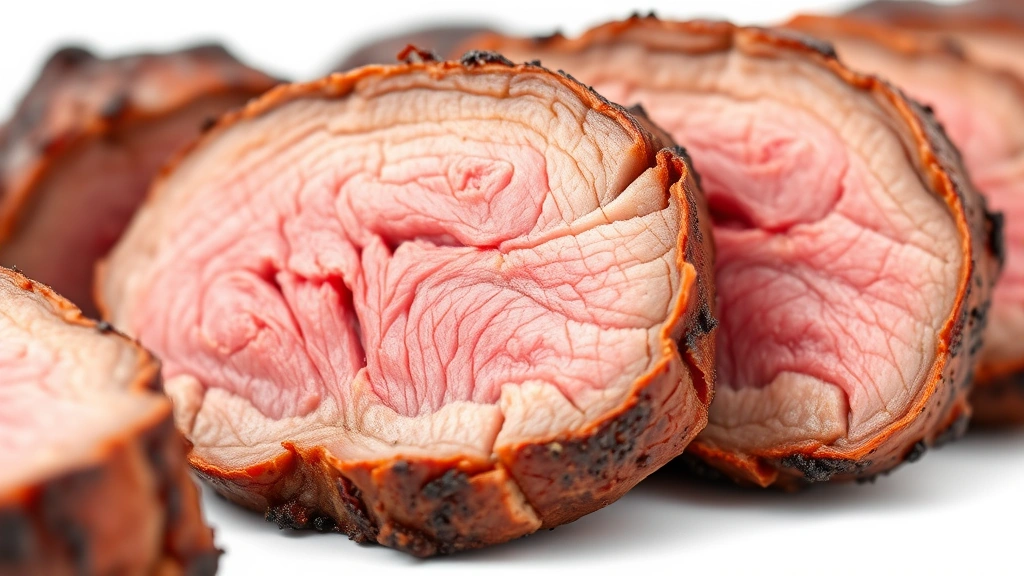
Not slicing against the grain is mistake number five. Even perfectly cooked meat tastes tough if you slice it wrong. Take five seconds to identify the grain direction and cut perpendicular to it.
Frequently Asked Questions
Can I marinate carne asada too long?
Technically yes, but practically no for most home cooks. Beyond twenty-four hours, the acid starts breaking down the meat’s texture too much, creating a mushy consistency. Overnight (eight to twelve hours) is ideal. Anything from four to twenty-four hours produces excellent results.
What if I don’t have a grill?
A cast-iron skillet on high heat works surprisingly well. You won’t get the same smoky flavor, but you’ll still develop a great crust. Some people even use a broiler in a pinch, though it’s less ideal. The key is high, direct heat.
Can I cook carne asada in an oven?
Yes, but it’s not traditional. Preheat your broiler and place the meat on the top rack. Cook for four to five minutes per side, watching carefully to prevent burning. It won’t have the same char and smoky notes, but it’s a viable option for bad weather.
How do I know when it’s done without a thermometer?
The touch method works if you practice it. Press the meat with your finger—rare feels soft like the fleshy part of your palm below your thumb. Medium-rare feels like the same area when you touch your thumb to your middle finger. It takes practice, but it works.
Can I prepare carne asada ahead of time?
Yes. You can marinate it up to twenty-four hours ahead. You can also cook it a few hours before serving and reheat it gently. Slice it, wrap it in foil, and warm it in a low oven (250°F) for about ten minutes. Don’t microwave it—that dries it out instantly.
What’s the best cut for beginners?
Skirt steak is more forgiving than flank steak because it’s thicker and more flavorful. It’s harder to dry out, making it perfect for learning the technique. Once you’ve mastered skirt steak, branch out to flank or even tri-tip.
Should I oil the grates or the meat?
Clean grates are more important than oiling them. A clean, hot grate won’t stick. If you must oil, oil the grates before the meat goes on, not the meat itself. Oily meat on a hot grill creates flare-ups.
Final Thoughts
Cooking authentic carne asada isn’t complicated, but it does require respecting the fundamentals. Quality meat, a proper marinade, high heat, and proper timing are non-negotiable. Skip any of these, and you’ll notice the difference immediately.
Start with the basics outlined here, nail the technique, then experiment with your own marinade variations. Some people add pineapple juice, others use beer, some incorporate chipotles for heat. The foundation stays the same—you’re just adjusting flavors to match your preferences.
Once you’ve cooked carne asada a few times, it becomes second nature. You’ll develop an instinct for when the meat is ready, how long it needs on the grill, and exactly how to slice it for maximum tenderness. That’s when you’ll understand why this dish has been a Mexican staple for generations. It’s simple, it’s delicious, and it impresses everyone at the table.
For complementary recipes and cooking inspiration, check out banana fritters recipe and Din Tai Fung cucumber recipe for side dish ideas that pair well with grilled meats.


