
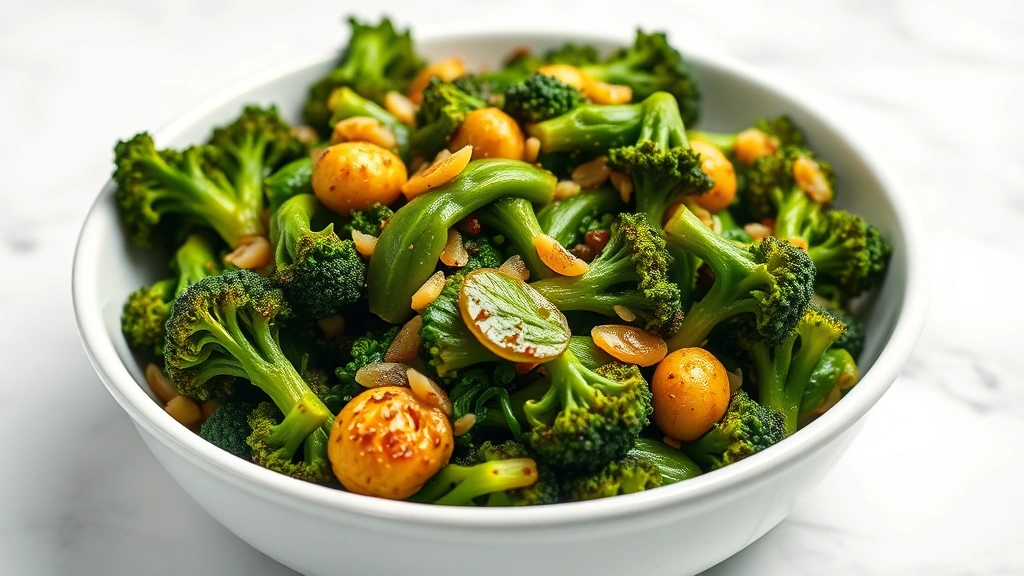
Learning how to cook broccoli rabe is one of those kitchen skills that transforms a bitter green into something genuinely delicious. Whether you’re prepping a weeknight side dish or building a Mediterranean-inspired meal, mastering this vegetable opens up real flavor possibilities. Broccoli rabe—also called rapini—has a nutty bite that pairs beautifully with garlic, olive oil, and a squeeze of lemon. The key is understanding that this isn’t regular broccoli. It’s slightly more assertive, cooks faster, and rewards simple, confident seasoning.
Table of Contents
Selecting and Prepping Broccoli Rabe
Before you even think about heat, you need to pick quality bunches. Look for bright green stems and leaves with no yellowing or wilting. The florets should be tight and compact, not loose or flowering. Fresh broccoli rabe has a firm snap when you bend it—that’s your signal it’s at its prime.
Prep is straightforward but matters. Rinse the bunch under cold water and pat dry. The stems are the real work. Unlike regular broccoli where you discard thick stems, rapini stems are actually tender and delicious when cooked properly. Trim about an inch from the very bottom—that’s where it gets woody. Then, using a sharp knife, peel away the outer skin of thicker stems. You’re exposing the tender interior. Chop the bunch into 2 to 3-inch pieces, keeping florets and stems separate if you prefer (stems take slightly longer to cook). Most home cooks find it easiest to just cut everything into manageable bite-sized pieces.
The Blanching Method
Blanching is the classic restaurant technique, and it works beautifully for broccoli rabe. Bring a large pot of salted water to a rolling boil—and don’t skimp on the salt. You want it to taste like the sea. Drop your prepared rabe into the water and let it cook for 2 to 3 minutes. You’re looking for the stems to bend easily when pierced with a fork but still maintain some bite. This isn’t about turning it to mush.
Set up an ice bath before you start boiling. That’s a bowl filled with ice water. As soon as your broccoli rabe hits that tender point, fish it out with a slotted spoon and plunge it straight into the ice bath. This stops the cooking instantly and sets that bright green color. Let it sit in the ice bath for about 2 minutes, then drain thoroughly and pat dry. From here, you can finish it immediately with garlic and oil, or store it for later use in the week.
Sautéing with Garlic
This is probably the most popular method, and honestly, it’s hard to mess up. Heat a large skillet over medium-high heat and add 3 to 4 tablespoons of good olive oil. Don’t go cheap here—the oil is a starring ingredient. Once the oil shimmers, add 4 to 6 cloves of sliced garlic (adjust based on how much you’re cooking and your garlic tolerance). Let it sizzle for about 30 seconds until fragrant. You’re not trying to brown the garlic; you just want to wake it up.
Add your blanched broccoli rabe to the pan and toss constantly for 2 to 3 minutes. Everything should be coated in that garlicky oil. If you’re starting with raw rabe instead of blanched, give it 5 to 7 minutes, stirring frequently, until the stems are tender and the leaves are wilted and slightly caramelized at the edges. That char adds real depth. A pinch of red pepper flakes here is traditional and recommended. Finish with a squeeze of fresh lemon juice and a sprinkle of sea salt. Taste and adjust seasoning. That’s it. You’ve just made restaurant-quality broccoli rabe.
Roasting for Depth
Roasting concentrates flavors and adds complexity that boiling alone can’t achieve. Preheat your oven to 425°F. Toss your prepped broccoli rabe with olive oil, minced garlic, salt, and pepper. Spread it in a single layer on a baking sheet—don’t crowd the pan. You want the pieces to have room to breathe and develop that caramelized edge.
Roast for 12 to 15 minutes, shaking the pan halfway through. You’re aiming for the florets to turn golden-brown and the stem edges to char slightly. The leaves should be crispy and the whole thing should smell incredible. Pull it from the oven and hit it with fresh lemon juice and maybe a sprinkle of parmesan or a drizzle of balsamic vinegar. This method pairs exceptionally well with roasted proteins like ribeye steaks or boneless pork chops in the oven.
Steaming for Simplicity
If you want the easiest method with minimal cleanup, steaming is your answer. Fill a pot with about 2 inches of water and bring it to a boil. Place a steamer basket inside and add your prepared broccoli rabe. Cover and steam for 5 to 7 minutes until the stems are tender. The advantage here is that you’re not losing any nutrients to boiling water, and the vegetable retains more of its natural flavor.
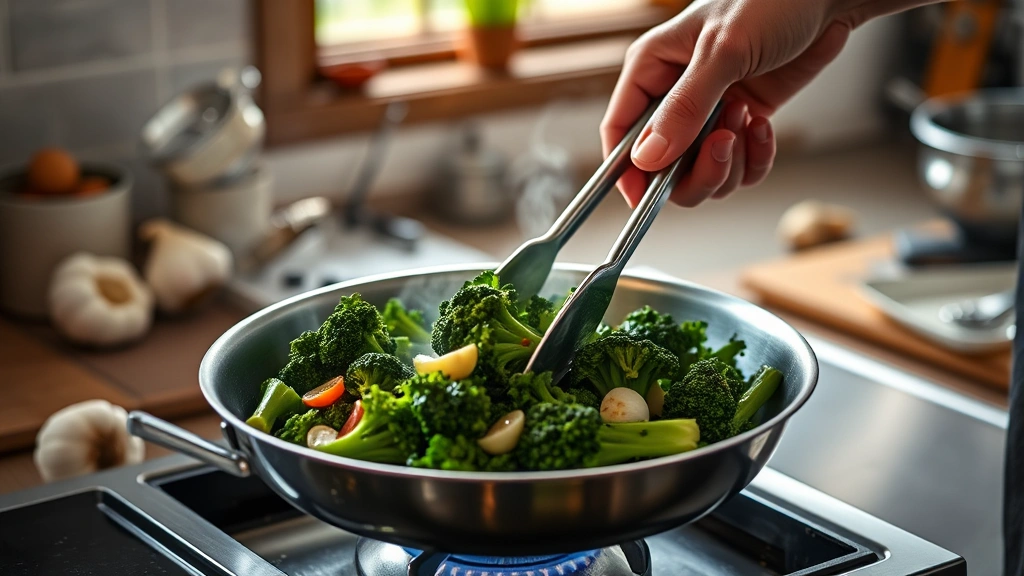
The downside is that steamed rabe lacks the caramelized depth of roasting or sautéing. That’s why most cooks use steaming as a first step, then finish the vegetable in a hot pan with garlic and oil for 2 minutes. You get the best of both worlds: tender texture and bold flavor.
Seasoning and Finishing Touches
Broccoli rabe’s slight bitterness is actually a feature, not a bug. It pairs beautifully with acidic and savory elements. Fresh lemon juice is non-negotiable. A good squeeze at the end brightens everything. Red pepper flakes add heat and complexity. Garlic is essential—there’s no such thing as too much garlic here. Sea salt enhances the natural flavors without overpowering them.
Consider finishing touches based on what you’re serving it with. A drizzle of aged balsamic vinegar adds sweetness and depth. Grated parmesan or pecorino romano brings nutty richness. A sprinkle of toasted breadcrumbs adds texture. Anchovy paste stirred into the oil before adding the rabe creates an umami bomb that elevates everything. Don’t be afraid to experiment. This vegetable is forgiving and responds well to bold seasoning.
Perfect Pairings
Broccoli rabe is incredibly versatile. It’s a classic Italian side that pairs beautifully with sausage, seafood, and rich meats. Try it alongside boiled lobster tails for a restaurant-quality dinner. The briny sweetness of lobster contrasts perfectly with the vegetable’s assertive bite.
It works equally well in Mediterranean bowls and grain-based dishes. Toss it into Greek bowl recipes or healthy lunch recipes for meal prep. The texture and flavor hold up beautifully in composed salads and grain bowls. You can even use it as a pizza topping or fold it into pasta dishes. Its versatility makes it a smart staple for any home cook building a flexible weeknight rotation.
Storage and Leftovers
Cooked broccoli rabe keeps in an airtight container in the refrigerator for up to 4 days. It’s actually better the next day after flavors have melded. Reheat gently in a skillet over medium heat with a splash of olive oil. Don’t use the microwave if you can avoid it—it tends to make the texture mushy.
Raw broccoli rabe should be used within 2 to 3 days of purchase. Store it in the crisper drawer wrapped in a damp paper towel inside a plastic bag. The moisture keeps it fresh without making it soggy. If you’ve blanched and shocked it, store it in an airtight container with a paper towel to absorb excess moisture. This prep-ahead method is perfect for busy weeknights when you want dinner on the table in minutes.
Common Cooking Mistakes
The biggest mistake is overcooking. Broccoli rabe cooks fast. A few extra minutes transforms it from tender-crisp to mushy. Start checking for doneness earlier than you think necessary. The stems should bend but still have a slight snap.
Another common error is underseasoning. This vegetable needs bold flavors to shine. Don’t be shy with garlic, salt, and acid. Taste as you go and adjust. Many home cooks also skip the blanching step and try to cook raw rabe entirely in the skillet. It works, but you’ll need 7 to 10 minutes instead of 3 to 5, and you risk uneven cooking with tough stems and overcooked leaves.
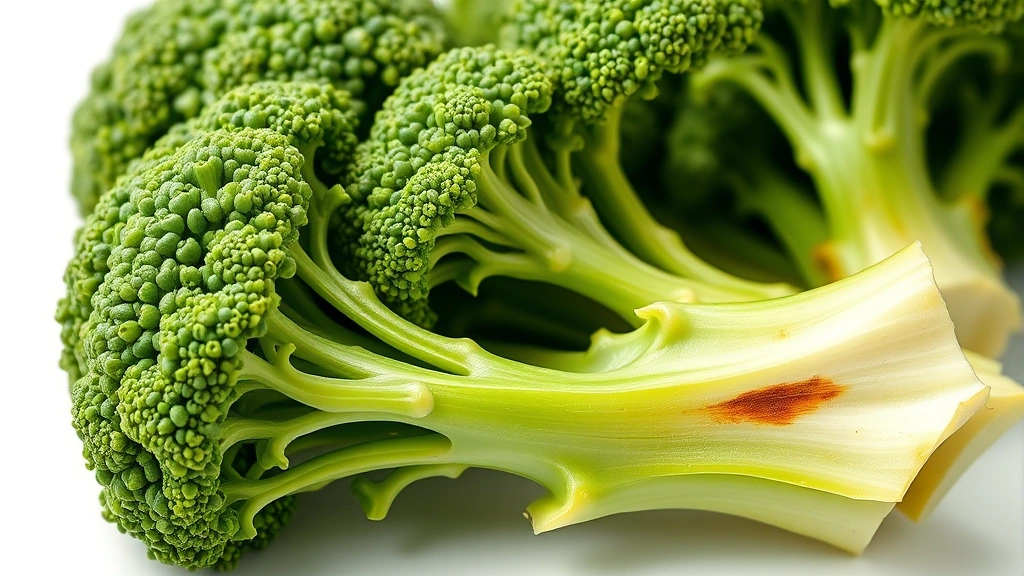
Finally, don’t discard the stems thinking they’re inedible. They’re the best part if you peel them properly. That tender interior is mild, slightly sweet, and worth the extra 30 seconds of prep work.
Frequently Asked Questions
Is broccoli rabe the same as regular broccoli?
No. Broccoli rabe (rapini) is a different plant entirely. It’s more bitter, has thinner stems, smaller florets, and cooks much faster. You can’t substitute one for the other in recipes without adjusting cooking times and seasoning.
How do you remove the bitterness from broccoli rabe?
Blanching helps reduce bitterness by removing some of the bitter compounds. Pairing it with acidic ingredients like lemon juice and garlic also balances the bitter notes beautifully. Some people soak it in salted water for 30 minutes before cooking, which can mellow the flavor slightly.
Can you eat broccoli rabe raw?
Technically yes, but most people don’t enjoy it raw because the bitterness is quite pronounced. If you want to try it raw, slice it very thin and dress it heavily with lemon juice, olive oil, and salt. It’s an acquired taste.
What’s the best cooking method for broccoli rabe?
Sautéing with garlic is the most popular and foolproof method. It takes 5 minutes, requires minimal equipment, and produces reliably delicious results. Roasting is excellent if you want deeper flavor and have a bit more time.
How long does broccoli rabe take to cook?
It depends on the method. Blanching takes 2 to 3 minutes. Sautéing takes 3 to 7 minutes depending on whether you blanch first. Roasting takes 12 to 15 minutes. Steaming takes 5 to 7 minutes. All methods are relatively quick.
Can you freeze broccoli rabe?
Yes. Blanch it first, shock it in ice water, dry it thoroughly, and freeze it in a single layer on a baking sheet. Once frozen solid, transfer to a freezer bag. It keeps for up to 3 months. Thaw in the refrigerator and reheat gently.
Conclusion: Mastering how to cook broccoli rabe is genuinely simple once you understand the vegetable’s nature and cooking times. Whether you blanch and sauté, roast for depth, or steam for simplicity, the key is bold seasoning and not overcooking. Start with the sauté method if you’re new to this green—it’s forgiving, fast, and produces consistently excellent results. Once you nail that technique, you’ll find yourself making broccoli rabe weekly. It’s inexpensive, nutritious, and transforms into something special with minimal effort. That’s the kind of kitchen skill worth keeping in your back pocket.


