
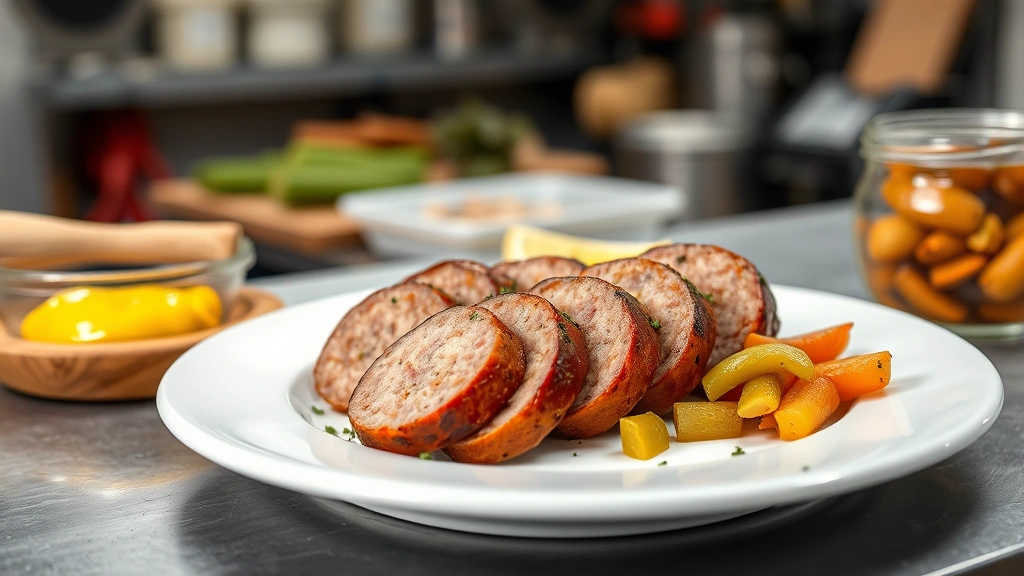
Learning how to cook boudin is easier than you think, and once you master the basics, you’ll be serving restaurant-quality sausage at home. Whether you’re a seasoned grill master or picking up your first link at the butcher counter, this guide walks you through every method to get that perfect snap and juicy interior every single time.
Table of Contents
What Exactly Is Boudin?
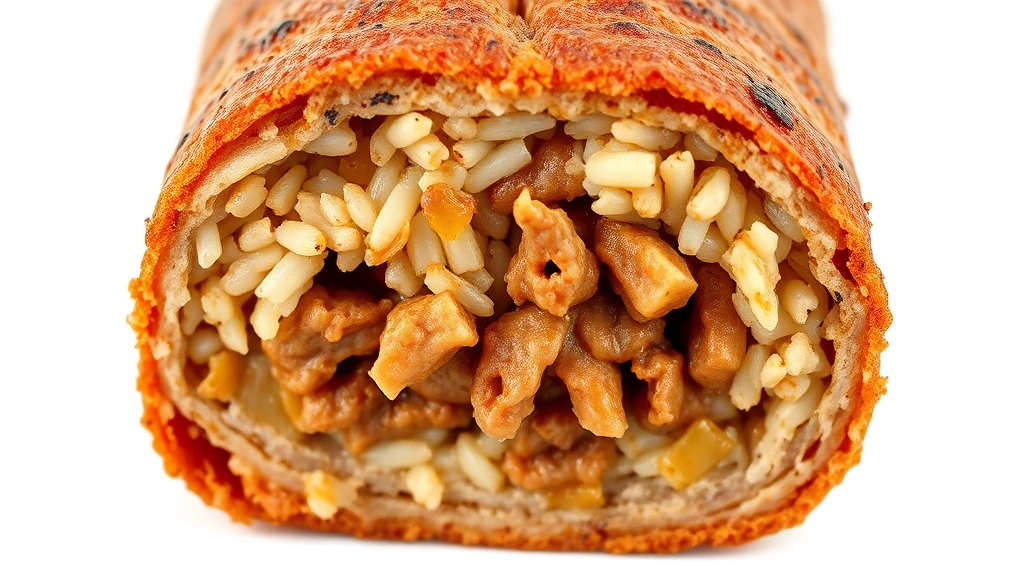
Boudin is a traditional Cajun and Creole sausage that originated in Louisiana, though it’s now enjoyed across the country. Unlike typical pork sausages, boudin contains rice, onions, peppers, and spices mixed directly into the meat. This gives it a unique texture and flavor profile that’s distinctly different from Italian or German sausages. The filling is loose rather than dense, which means you’re getting a combination of meat and grain in every bite.
There are two main types: boudin rouge (red boudin, made with blood) and boudin blanc (white boudin, without blood). Most home cooks and restaurants work with boudin blanc, which is milder and more approachable for beginners. Understanding what you’re working with helps you choose the right cooking method.
Choosing Quality Boudin
Before you even think about cooking, grab the best boudin you can find. Fresh boudin from a local butcher or specialty market will outperform frozen links every time. Look for links that feel firm but not rock-hard, with a casing that’s intact and has no visible tears or leaks.
If buying frozen, thaw it in the refrigerator overnight rather than at room temperature. The casing should be pinkish or reddish, not gray or discolored. Press gently—quality boudin should spring back slightly. If you’re unsure, ask your butcher for recommendations on cooking methods; they often have insider tips based on how their specific boudin is made.
Boiling: The Classic Approach
Boiling is the most forgiving method and the traditional way many Cajun families prepare boudin. It keeps the casing intact and ensures even cooking throughout. Fill a large pot with water and bring it to a gentle simmer—not a rolling boil, which can burst the casings.
Place your boudin links in the water and maintain that simmer for 15-20 minutes. You’ll know they’re done when they float to the surface and stay there. A meat thermometer inserted into the thickest part should read 160°F (71°C). Remove with tongs and let rest for a few minutes before serving.
The beauty of boiling is that it’s nearly impossible to overcook. The downside is you won’t get any browning or crispy exterior. Many cooks boil first, then finish with a quick pan-sear or grill to add color and texture. This hybrid approach gives you the best of both worlds.
Grilling for Maximum Flavor
Grilling creates that smoky, charred exterior that makes boudin truly shine. Preheat your grill to medium heat (around 350-375°F). If you’re using a charcoal grill, bank the coals to one side so you have a direct heat zone and an indirect zone.
Place boudin links on the grill grates directly over medium heat. Don’t move them around constantly—let them sit for 3-4 minutes per side to develop color. You’re looking for a nice golden-brown casing with some charring. Total time is usually 12-16 minutes depending on thickness and grill temperature.
The key to grilling success is preventing casings from bursting. Use medium heat rather than high heat, and avoid piercing the sausage. If you’re worried about flare-ups, move links to the indirect zone temporarily. A meat thermometer should hit 160°F internally. Many cooks like to smoke a pork butt using similar low-and-slow principles, and those same temperature guidelines apply here.
Pan-Searing Your Boudin
Pan-searing is perfect when you want restaurant-quality results without firing up the grill. Use a cast-iron skillet or heavy-bottomed pan over medium-high heat. Add a light coating of oil—just enough to prevent sticking.
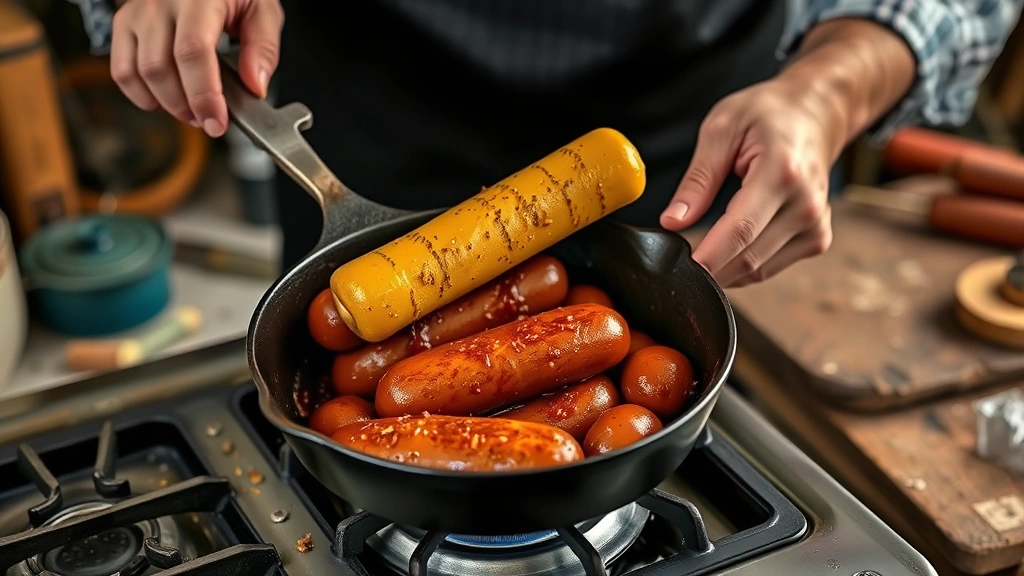
Place boudin links in the hot pan and let them sit undisturbed for 3-4 minutes. You want that casing to make contact with the hot surface and develop a brown crust. Flip and repeat on the other side. Continue turning every few minutes until you’ve got a deep golden-brown color all around, about 12-15 minutes total.
The advantage here is control. You can adjust heat instantly if things are cooking too fast. The pan also captures all those flavorful drippings, which you can use to make a quick pan sauce. Add diced onions and bell peppers to the pan alongside the boudin for an authentic Cajun experience.
Oven-Baking Made Simple
Oven-baking is the hands-off method, perfect when you’re cooking for a crowd or juggling other dishes. Preheat your oven to 375°F (190°C). Line a baking sheet with foil and arrange boudin links on it, leaving space between each one.
Bake for 20-25 minutes until the internal temperature reaches 160°F. You won’t get much browning this way, so many cooks finish with a quick 2-3 minute broil to add color. Watch carefully during broiling—the casings can split if exposed to direct heat too long.
This method works great when you’re preparing fall crockpot recipes or other dishes that need oven space. You can also add vegetables to the sheet pan around the boudin—they’ll roast together and soak up those juices.
Smoking for Deep Richness
For the ultimate flavor experience, smoke your boudin low and slow. Set up your smoker for 225-250°F (107-121°C) using mild wood like apple or cherry. Stronger woods like hickory can overpower boudin’s delicate spice profile.
Place boudin links on the grates and smoke for 45-60 minutes until the internal temperature reaches 160°F. The casing will darken significantly, but that’s exactly what you want. The smoke penetrates the sausage and creates a flavor you simply cannot achieve with other methods.
This technique takes patience but rewards you with complexity. The rice inside absorbs the smoke flavor, and the meat becomes incredibly tender. If you’re already smoking other meats, boudin makes an excellent companion—it won’t compete with larger cuts and cooks in a fraction of the time.
Serving and Pairing Ideas
Cooked boudin is versatile enough for casual weeknight dinners or impressive enough for entertaining. Slice it and serve with crusty bread, mustard, and pickled vegetables for a classic Louisiana plate. Add it to healthy dinner recipes for 2 by pairing with roasted vegetables and rice.
Chop cooked boudin and mix into jambalaya, gumbo, or dirty rice for authentic Cajun dishes. Slice lengthwise and use as a sandwich filling with sautéed peppers and onions. Even simpler: serve whole links with green beans recipes and mashed potatoes for a hearty, satisfying meal.
Beverage pairings matter too. Cold beer, particularly lagers or pilsners, cuts through the richness beautifully. Iced tea with lemon is the traditional Louisiana pairing. For something different, try a crisp white wine like Sauvignon Blanc.
Troubleshooting Common Issues
Casings burst during cooking: This usually means heat is too high or you’re cooking from frozen without thawing first. Always use medium heat and thaw in the refrigerator overnight.
Interior is still raw but exterior is burnt: Your heat is too high. Lower the temperature and cook longer. Remember, boudin is fully cooked when it reaches 160°F internally, which takes time at moderate temperatures.
Boudin tastes dry: You’ve overcooked it. Boudin dries out quickly once it hits 165°F. Pull it at 160°F and let it rest for a few minutes—carryover cooking will bring it up slightly while you rest.
Casing won’t brown: Make sure your pan or grill is actually hot before adding the sausage. Cold surfaces won’t develop that crust. For oven-baking, finish under the broiler for 2-3 minutes.
Frequently Asked Questions
Can you cook boudin from frozen?
You can, but it’s not ideal. Frozen boudin takes longer and cooks unevenly. Thaw in the refrigerator overnight for best results. If you’re in a pinch, use the boiling method with frozen links—add 5-10 extra minutes to the cooking time.
How do you know when boudin is fully cooked?
Use a meat thermometer. The internal temperature should reach 160°F (71°C). Visual cues like browning don’t guarantee doneness, so always verify with a thermometer.
Is boudin supposed to be salty?
Yes, authentic boudin is seasoned generously. If you find it too salty, serve it with something bland like plain rice or bread to balance the flavors. Don’t add extra salt to the cooking water or pan.
What’s the difference between boudin and andouille?
Andouille is a smoked sausage with a different spice profile and no rice filling. Boudin is milder and contains rice, which gives it a unique texture. They’re not interchangeable in recipes.
Can you make boudin ahead of time?
Absolutely. Cook boudin completely, cool to room temperature, and refrigerate for up to 4 days. Reheat gently in a 300°F oven or on the stovetop over low heat. You can also freeze cooked boudin for up to 3 months.
What’s the best way to reheat leftover boudin?
Pan-sear it over medium heat with a little water to prevent drying out. Cover the pan for the first minute to steam it, then uncover to let the exterior crisp up. This takes about 5 minutes total and restores much of the original texture.
Final Thoughts
Mastering how to cook boudin opens up a world of delicious possibilities. Whether you boil, grill, pan-sear, bake, or smoke, the key is respecting the ingredient and avoiding overcooking. Start with the boiling method to build confidence, then experiment with grilling and smoking as you get comfortable.
Quality boudin from a trusted source makes everything easier. Don’t skip the thermometer—it’s your insurance policy against dry, overcooked sausage. Once you nail the basics, you’ll find yourself reaching for boudin regularly, from quick weeknight dinners to impressive backyard entertaining. The versatility and bold flavor make it a kitchen staple worth mastering.


