
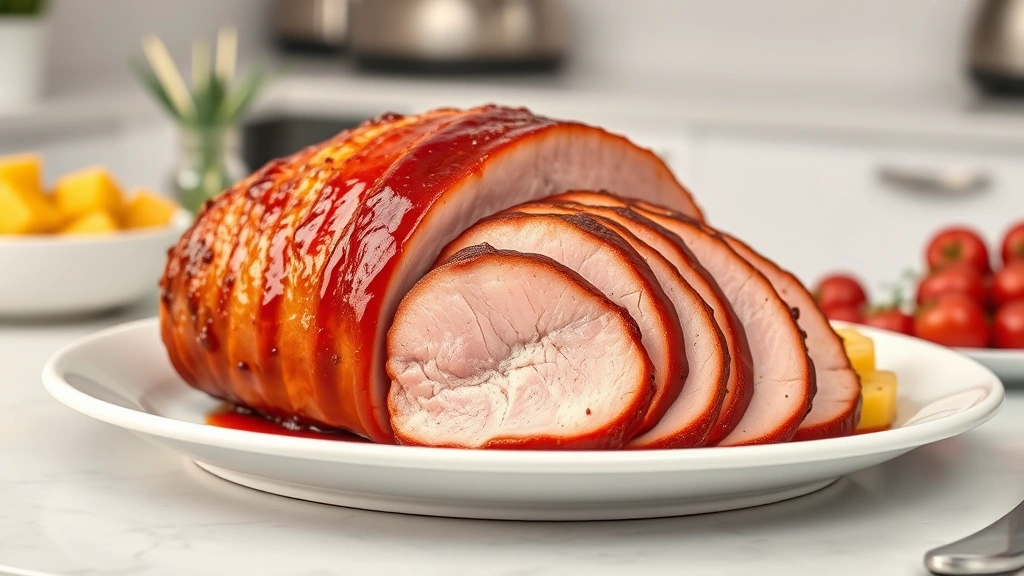
Learning how to cook a spiral ham is one of those kitchen skills that feels intimidating until you actually do it—then you realize it’s mostly about timing and not overthinking things. Whether you’re prepping for a holiday dinner or a Sunday family gathering, a spiral ham is your shortcut to impressive results without spending all day in the kitchen.
Table of Contents
Choosing Your Spiral Ham
Not all spiral hams are created equal, and picking the right one matters more than most people think. You’ve got two main types: bone-in and boneless. Bone-in hams take longer to cook but deliver better flavor—that bone adds richness to the meat. Boneless versions are more convenient and cook faster, which is why they’re popular for busy cooks.
Size-wise, plan on about three-quarters of a pound per person if you’re buying bone-in, or half a pound for boneless. A typical spiral ham ranges from 7 to 10 pounds, which feeds about 10-15 people comfortably. Check the label for whether it’s pre-cooked or not—most spiral hams sold in grocery stores are already fully cooked, which changes your cooking strategy.
Look for hams with a nice pink color and minimal surface damage. The spiral cuts should be even and not too shallow. When you’re at the store, pick up your ham last so it stays cool until you get home.
Thawing and Prep Work
If your ham is frozen, you’ll need to thaw it properly. The safest method is the refrigerator approach: allow about 24 hours for every 4-5 pounds. So a 10-pound ham needs roughly two days. If you’re short on time, you can submerge the ham in cold water, changing the water every 30 minutes—this cuts thawing time to about 2-3 hours depending on size.
Once thawed, remove your ham from the packaging and let it sit at room temperature for about 30 minutes before cooking. This helps it cook more evenly. Trim away any excess skin, but leave a thin layer—it protects the meat and adds flavor. Score the surface in a crosshatch pattern if you want a more decorative presentation, but this is purely aesthetic.
Pat the ham dry with paper towels. This helps the glaze stick better and promotes browning. Place it cut-side down in your roasting pan. If you don’t have a roasting pan, a large baking dish works fine. Add about half an inch of water or broth to the bottom of the pan—this prevents sticking and keeps the meat moist.
Best Glazing Options
The glaze is what transforms a basic ham into something memorable. You’ve got endless options, but the formula is simple: sweet, tangy, and a little savory. Brown sugar is your foundation for most glazes—it caramelizes beautifully and creates that sticky, glossy exterior everyone loves.
A classic glaze combines brown sugar, mustard, and either pineapple juice or honey. Mix about one cup of brown sugar with half a cup of mustard, quarter cup of pineapple juice, and a tablespoon of cloves. Brush this on during the last 30 minutes of cooking. If you want something more sophisticated, try a Bordelaise sauce recipe adaptation with red wine and shallots for an elevated twist.
Other solid options include maple syrup with Dijon mustard, honey with orange juice, or even a spicy-sweet combo with sriracha and brown sugar. The key is applying your glaze in the final stages of cooking so it doesn’t burn. Start with a light brush at the 30-minute mark, then add another coat at the 15-minute mark if you want extra depth.
Oven Cooking Method
The oven is the most reliable way to cook a spiral ham, and it’s what most home cooks default to. Preheat your oven to 325°F. This lower temperature ensures even cooking without drying out the meat.
Place your prepared ham cut-side down in the roasting pan with the water or broth. Cover the pan tightly with foil—this traps steam and keeps the ham moist. Bake for about 15-18 minutes per pound for a pre-cooked ham. So a 10-pound ham takes roughly 2.5 to 3 hours.
About 30 minutes before the ham is done, remove the foil and brush on your glaze. Let it caramelize in the oven, uncovered. If you want a deeper glaze color, brush it on again at the 15-minute mark. The internal temperature should reach 140°F for a pre-cooked ham (use a meat thermometer in the thickest part, not touching bone).
Fresh or partially cooked hams need to reach 160°F internally, which takes longer—plan on 20-25 minutes per pound. The difference matters, so check your label before you start cooking.
Slow Cooker Approach
If you want a hands-off method, the slow cooker is your friend. This is especially helpful if your kitchen is already crowded with other dishes. Cut your ham into chunks or keep it whole if your cooker is large enough. Layer the bottom with sliced pineapple, brown sugar, and a splash of juice from a can of pineapples.
Place the ham on top and set the cooker to low. For a 7-8 pound ham, cook for 4-5 hours. You don’t need to add much liquid—the ham releases its own moisture. About an hour before serving, brush on your glaze and let it warm through.
The slow cooker method is gentler and produces incredibly tender results. The downside is you won’t get the same caramelized exterior as the oven method. If that’s important to you, finish the ham in a 400°F oven for 10-15 minutes after slow cooking to get some color and crispness.
Timing and Temperature Guide
Timing is where most people trip up, so let’s break it down clearly. For a pre-cooked spiral ham (which is 90% of what you’ll buy): 15-18 minutes per pound at 325°F. For a fresh or partially cooked ham: 20-25 minutes per pound at 325°F.
Use a meat thermometer for accuracy. Insert it into the thickest part of the meat, away from bone. Pre-cooked hams should hit 140°F; fresh hams need 160°F. Don’t rely on cooking time alone—ovens vary, and ham thickness isn’t always consistent.
Here’s a quick reference chart: A 7-pound ham takes 1.75-2 hours (pre-cooked) or 2.25-3 hours (fresh). A 10-pound ham takes 2.5-3 hours (pre-cooked) or 3.5-4 hours (fresh). A 12-pound ham takes 3-3.5 hours (pre-cooked) or 4-5 hours (fresh).
Always start checking at the low end of the time range. It’s better to catch it early than to overcook and dry it out.
Carving and Serving
Let the ham rest for at least 15 minutes after removing it from the oven. This allows the juices to redistribute, making carving easier and the meat juicier. While it rests, you can prepare side dishes like crockpot potato recipes or get your table ready.
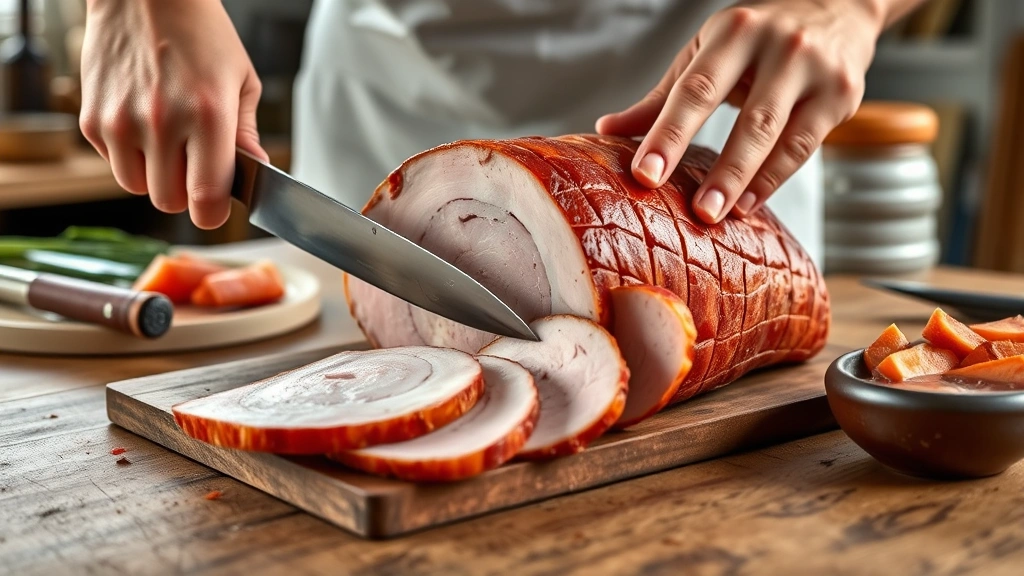
Carving a spiral ham is straightforward because the butcher already did most of the work. Use a sharp carving knife and cut along the existing spiral lines. Start at the top and work your way down, following the natural grain of the meat. The slices should come away cleanly if the ham is cooked properly.
Arrange the slices on a serving platter, overlapping them slightly. Pour some of the pan drippings over the top for extra flavor and moisture. If you want to get fancy, garnish with fresh pineapple chunks or parsley. The ham stays warm for about 30 minutes on a regular platter, longer if you cover it loosely with foil.
Common Mistakes to Avoid
The biggest mistake is cooking at too high a temperature. People assume more heat means faster cooking, but a 375°F or 400°F oven just dries out the meat. Stick with 325°F and be patient.
Another common error is forgetting to add water to the pan. The ham can stick and scorch on the bottom, and you lose the flavorful drippings for sauce. Always start with about half an inch of liquid.
Overcooking is also easy to do if you rely only on time. A ham that’s been sitting in the oven for four hours when three would have done is going to be dry. Use a meat thermometer—it takes 30 seconds and saves your dinner.
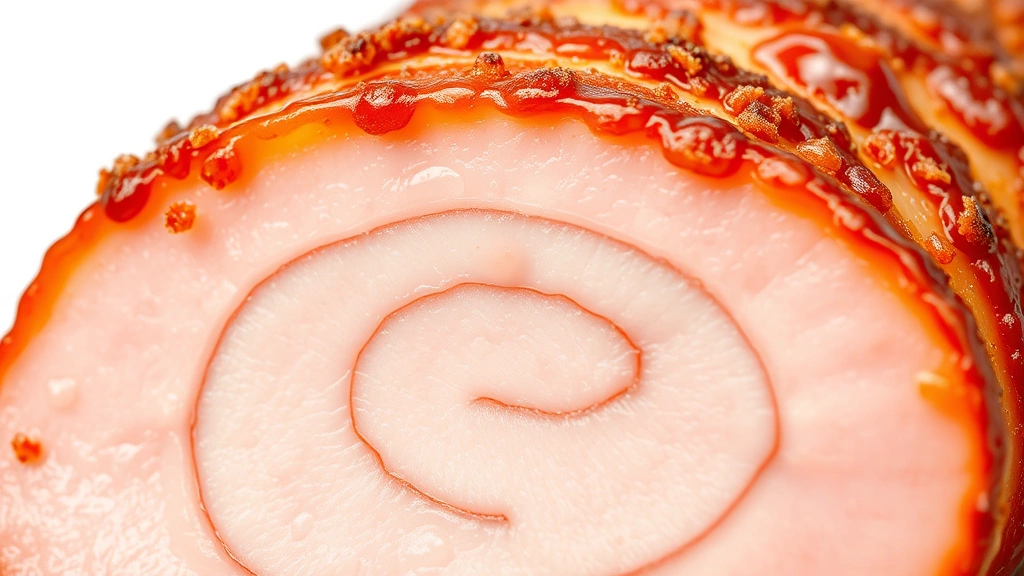
Don’t skip the resting period. I know you’re hungry and everything smells amazing, but those 15 minutes make a real difference in texture and juiciness. Use the time to finish other dishes or set the table.
Finally, many people apply glaze too early. If you brush it on at the start of cooking, it burns and tastes bitter. Save the glaze for the last 30 minutes of cooking when the meat is nearly done.
Frequently Asked Questions
Can I cook a spiral ham the day before?
Yes, and it’s actually convenient. Cook it fully, let it cool, wrap it tightly, and refrigerate. Reheat it gently in a 300°F oven for about 30-45 minutes, covered with foil, until it reaches 140°F again. Add a little broth or juice to the pan to keep it moist. This also gives you more oven space on the day of your meal.
What’s the difference between bone-in and boneless spiral ham?
Bone-in hams have more flavor because the bone adds richness and depth. They also take longer to cook—add about 5 minutes per pound to your cooking time. Boneless hams are more convenient, easier to carve, and cook faster. Choose based on your priorities: flavor or convenience.
How do I store leftover spiral ham?
Wrap it tightly in plastic wrap or foil and refrigerate for up to 5 days. You can also freeze it for up to 2 months. Thaw frozen ham in the refrigerator overnight before using. Leftover ham is fantastic for sandwiches, soups, or how to air fry ham steaks for a quick breakfast.
Do I need to score the surface of my ham?
Scoring (making crosshatch cuts) is optional. It looks nice and allows glaze to penetrate slightly, but it’s not necessary for flavor or cooking. If you do score, make shallow cuts—about a quarter inch deep—in a diamond pattern. Deep scoring can cause the ham to fall apart during cooking.
Can I cook a spiral ham in a slow cooker if it’s still frozen?
It’s not recommended. Thaw it first using the refrigerator or cold water method. Cooking from frozen takes much longer and creates uneven cooking. Plus, you can’t properly monitor the internal temperature if the ham isn’t fully thawed.
What should I do with the ham bone after cooking?
Save it! The bone makes incredible broth for soups and stews. Simmer it with water, celery, carrots, and onions for 2-3 hours. You’ll get rich, flavorful broth that’s perfect for split pea soup or bean dishes. Freeze the broth in ice cube trays for easy portions.
Is a pre-cooked spiral ham really already cooked?
Yes, it’s fully cooked and safe to eat cold right out of the package. Heating it is purely for flavor and texture improvement. The low-temperature oven method warms it through and allows the glaze to caramelize, making it taste fresher and more appealing than eating it cold.
How much ham per person should I plan for?
Budget three-quarters of a pound per person for bone-in ham, or half a pound for boneless. This accounts for bone weight and ensures everyone gets a generous serving with a little left over for sandwiches.
Final Thoughts
Cooking a spiral ham doesn’t require special skills or fancy equipment. The key is respecting the basics: low temperature, proper timing, and a good glaze. Whether you choose the oven or slow cooker method, you’re going to end up with a delicious centerpiece that impresses without keeping you in the kitchen all day.
Start with a quality ham from your local butcher or grocery store. Prep it properly by letting it thaw and come to room temperature. Cook at 325°F with water in the pan, brush on your glaze in the final 30 minutes, and use a meat thermometer to nail the timing. Rest it for 15 minutes before carving, and you’re done.
The techniques work just as well for how long to bake ribs in oven or how long to boil chicken—low and slow wins every time in the kitchen. Next time you’re planning a meal around a spiral ham, you’ll do it with confidence.


