
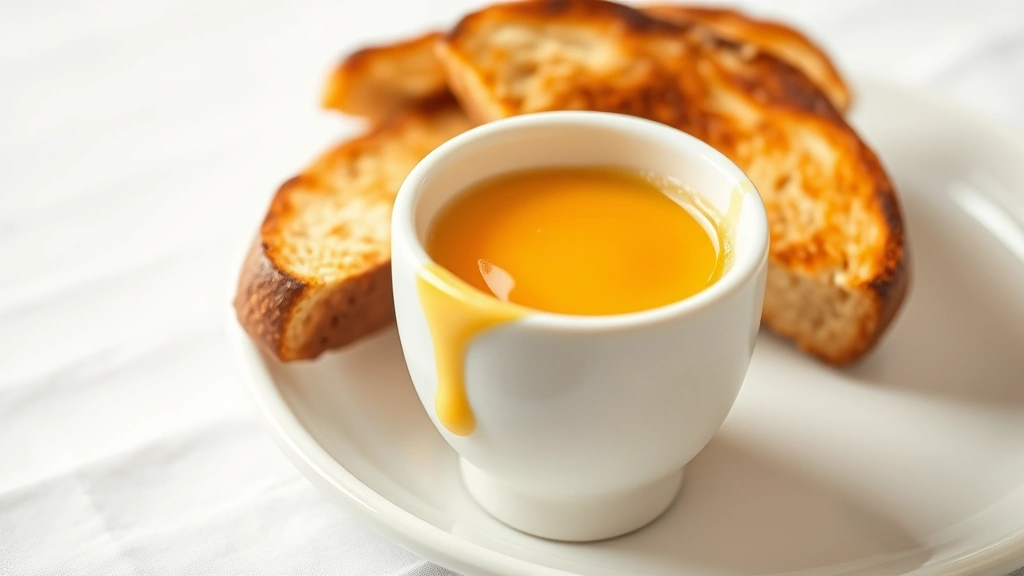
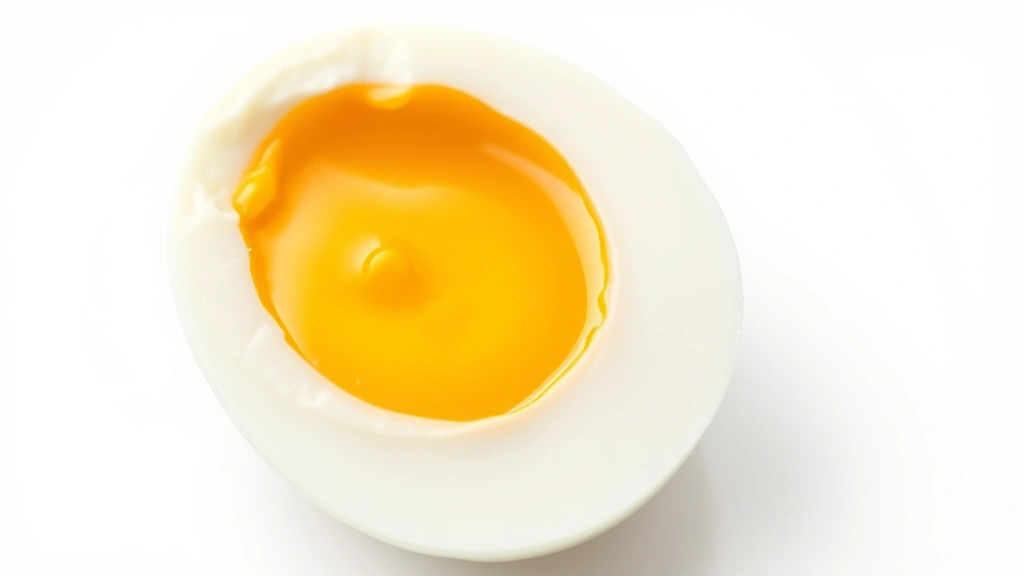
Learning how to cook a soft boiled egg is one of those kitchen skills that seems simple but trips up most people. You want that golden, runny yolk with a fully set white—not rubbery, not raw. It’s all about timing, temperature, and a few pro tricks that’ll have you nailing it every single time.
Table of Contents
Why Soft Boiled Matters
A properly cooked soft boiled egg is breakfast royalty. The whites are set and tender, while the yolk stays liquid gold—perfect for dipping soldiers of toast or adding richness to grain bowls. Unlike hard boiled eggs, soft boiled eggs retain that creamy, luxurious center that makes them special. The yolk’s richness also makes them naturally more satisfying, keeping you fuller longer than scrambled eggs. Plus, there’s something deeply satisfying about that moment when your spoon breaks through to the runny center.
Gather Your Gear
You don’t need fancy equipment here—this is straightforward stuff. Grab a small saucepan (a 2-quart works perfectly), a slotted spoon, a kitchen timer (your phone works fine), and a bowl filled with ice water. Some folks use egg cups for serving, but that’s optional. The only real requirement is a reliable timer because eyeballing this won’t cut it. A kitchen scale helps if you’re weighing eggs to ensure consistency, though it’s not essential.
The Water Temperature Game
This is where most people go wrong. You’ve got two main methods: starting with boiling water or starting with cold water. The boiling water method is faster and more reliable for consistent results. Bring your water to a rolling boil first—use enough water to cover eggs by about an inch. Cold water starts are trickier because you’re guessing when the water actually reaches boiling point. Stick with the boiling water method for predictability. The water temperature determines how quickly the egg cooks from the outside in, so getting this right is non-negotiable.
Timing Is Everything
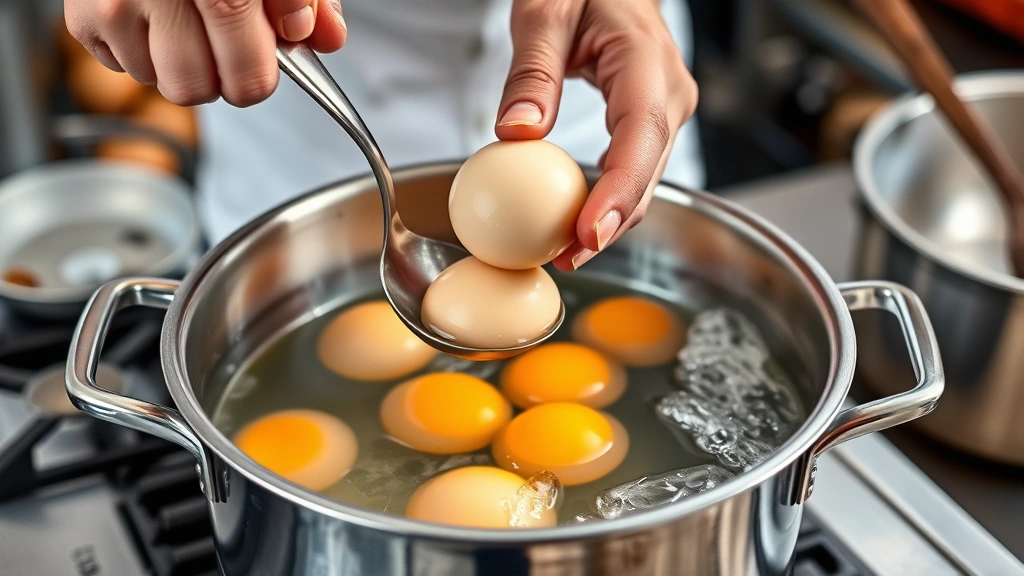
Once your water’s at a full rolling boil, gently lower room-temperature eggs into the pot using a spoon. Start your timer immediately. For a soft boiled egg with a runny yolk and fully set whites, you’re looking at 6 to 7 minutes for large eggs. Medium eggs need 5 to 6 minutes, and extra-large eggs need 7 to 8 minutes. The difference comes down to egg size and how much heat needs to penetrate to the center. Mark your timer and don’t wander off—those minutes matter. When the timer goes off, you’re done waiting.
The Ice Bath Trick
The moment your timer dings, move those eggs to an ice bath immediately. This stops the cooking process dead. If you leave them in hot water, residual heat keeps cooking the yolk, turning it from runny to firm. Your ice bath should be ice-cold water—not just cool tap water. Keep eggs in there for at least 2 minutes, longer if you can wait. This cooling step is what separates restaurant-quality soft boiled eggs from overcooked disappointments. Think of it as locking in perfection.
Cracking and Serving
Once cooled, gently tap the egg all over to create cracks in the shell. Start at the wider end where the air pocket sits—it’s easier to peel there. Roll the egg gently on the counter to loosen the membrane under the shell. Peel carefully under cool running water, letting the water help separate the shell from the white. Once peeled, place your egg in an egg cup (or a small bowl) and serve immediately. If you’re using soldiers—strips of buttered toast—arrange them standing up so you can dip them into that glorious runny yolk.
Troubleshooting Common Issues
If your yolk is too firm, you cooked it too long. Next time, cut 30 seconds off your timer. If it’s too runny and the whites are still translucent, add 30 seconds. If your shell is impossible to peel, your eggs might be too fresh—older eggs (7-10 days old) peel easier than farm-fresh ones. If you’re at high elevation, add 30 seconds to your cooking time for every 1,000 feet above sea level. Water that’s not actually boiling before eggs go in is another common culprit—always wait for that full rolling boil.
Elevation and Adjustments
Living in the mountains? Water boils at lower temperatures at higher elevations, so your cooking times need adjustment. At 3,000 feet elevation, add about 1 minute to your cook time. At 5,000 feet, add 1.5 minutes. At 7,000 feet, add 2 minutes. This happens because water boils at a lower temperature when atmospheric pressure is lower, so it takes longer to cook eggs through. If you’re unsure of your elevation, a quick Google search of your zip code will tell you. Once you know your elevation adjustment, write it down so you remember it next time.
Pairing Soft Boiled Eggs
Soft boiled eggs are incredibly versatile. The classic pairing is buttered toast soldiers for dipping. You can also serve them with fresh asparagus—check out our guide on how long to steam asparagus for a complete breakfast plate. For something heartier, serve soft boiled eggs over rice bowls with greens and roasted vegetables. The runny yolk becomes a natural sauce. Some people enjoy them with a side of homemade applesauce for a sweet contrast—our homemade applesauce recipe pairs beautifully. You can even add soft boiled eggs to grain salads for extra protein and richness.
Storage and Make Ahead
Soft boiled eggs are best eaten fresh, but you can prep them up to 4 hours ahead. Keep them in the ice bath in the fridge until you’re ready to serve. Don’t peel them until serving time—the shell protects the delicate white. If you’re meal prepping, consider making hard boiled eggs instead, which last 5-7 days refrigerated. Soft boiled eggs are really a fresh-order situation, best made right before breakfast or brunch.
Frequently Asked Questions
Can I cook soft boiled eggs in an Instant Pot?
Yes, you can. Use the high pressure setting for 5 minutes for large eggs, then quick release and immediately transfer to an ice bath. The timing is slightly different because pressure cooking works differently than boiling, so you’ll need to experiment a bit to dial in your preference.
Why do my eggs crack while cooking?
Eggs crack from thermal shock—usually because they go from cold straight into boiling water. Always use room-temperature eggs, or let cold eggs sit out for 10 minutes first. Another cause is dropping eggs too hard into the pot. Use a spoon to gently lower them.
What’s the difference between soft boiled and runny eggs?
Soft boiled eggs have fully set whites and a runny yolk—you can hold them without them falling apart. Runny eggs (like sunny-side up) have partially set whites. Soft boiled is more structured and easier to serve in an egg cup.
Can I use brown eggs instead of white?
Absolutely. Shell color doesn’t affect cooking time—only egg size matters. Brown and white eggs cook identically if they’re the same size.
How do I know if my eggs are room temperature?
Leave them on the counter for 10-15 minutes before cooking. If you’re in a rush, run them under warm (not hot) water for a minute. Room temperature eggs cook more evenly than cold eggs straight from the fridge.
Is there a foolproof method for peeling?
The ice bath is your best friend here. Older eggs (not farm-fresh) peel much easier. If you’re buying eggs specifically for soft boiling, grab ones that are at least a week old. The longer storage helps separate the membrane from the white.
The Bottom Line
Mastering how to cook a soft boiled egg comes down to three things: boiling water, accurate timing, and an immediate ice bath. Get those right, and you’ll nail it every time. Start with 6-7 minutes for large eggs in boiling water, chill immediately, and you’re golden. Once you’ve done it a few times, it becomes automatic—you won’t even need to think about it. This is the kind of kitchen skill that feels fancy but is actually dead simple once you understand the science behind it. Your breakfast game is about to level up.


