
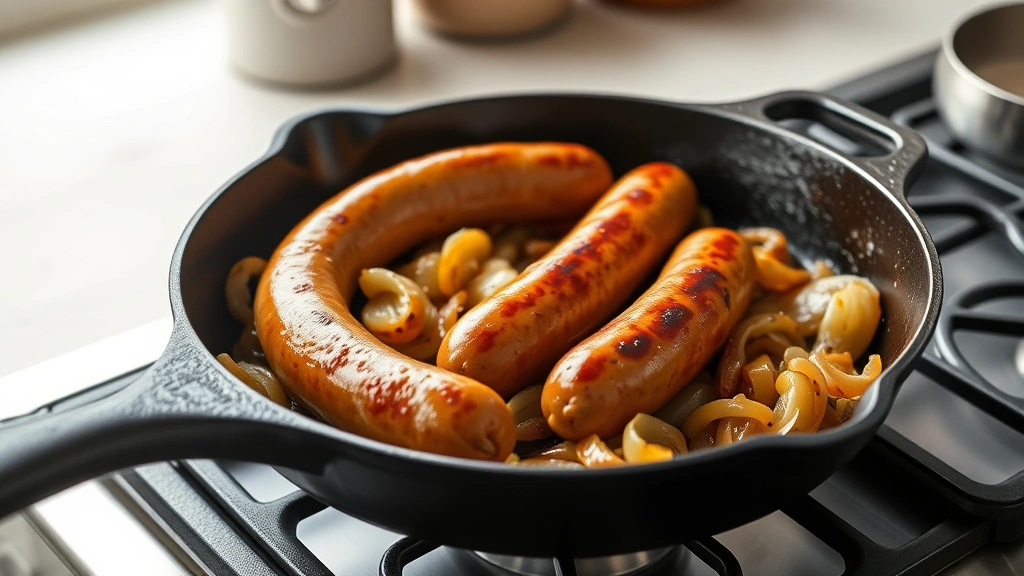
Learning how to cook brats on the stove is one of those kitchen skills that’ll make you look like a pro without breaking a sweat. Whether you’re prepping dinner for the family or feeding a crowd, stovetop brats deliver juicy, flavorful results in about 20 minutes flat. No fancy equipment needed—just a skillet, some heat control, and a little know-how.
Table of Contents
Choose the Right Brats
Not all brats are created equal, and your starting point matters more than you’d think. Grab fresh bratwurst from the butcher counter if you can—they’ll have better flavor and texture than frozen varieties. Look for links that feel firm to the touch and have a nice casing without splits or tears. Wisconsin-style brats are the gold standard, but German imports work beautifully too. The fat content is crucial here; you want sausages with enough marbling to stay juicy during cooking. Avoid ultra-lean versions that’ll dry out faster than you can say “schnitzel.”
Prep Your Skillet
Grab a large skillet—cast iron or stainless steel both work great. You’ll want enough room to lay your brats without crowding them. Cold skillet, no oil yet. Place your brats in there and set the heat to medium. This slow-start approach prevents the casings from bursting and allows the meat to cook evenly. If you’re doing a big batch, work in two rounds rather than cramming them in like sardines. Proper spacing means better browning and more control over the cooking process.
The Simmering Stage
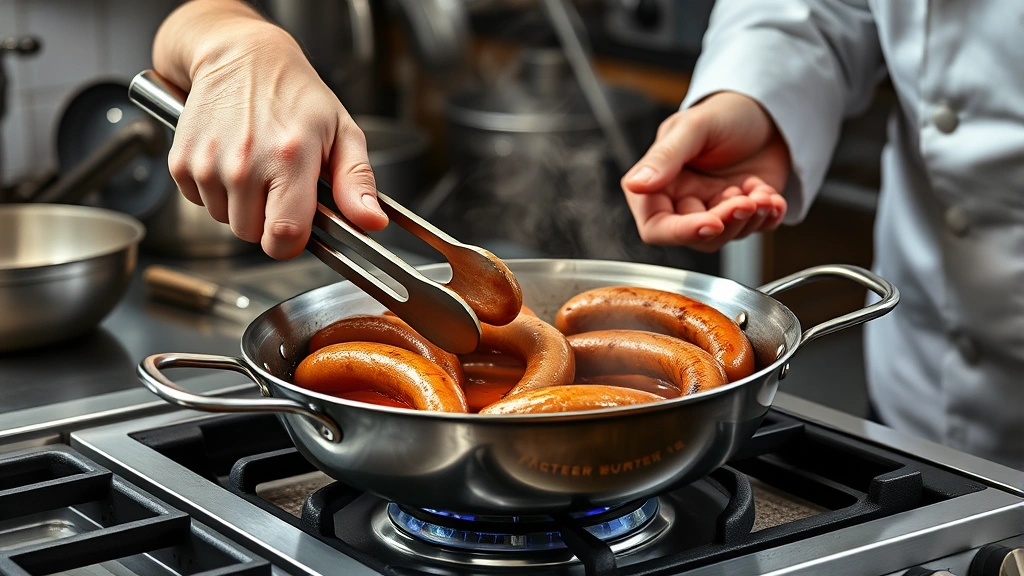
Here’s where the magic happens. Once the brats hit the cold skillet and you’ve turned the heat to medium, let them sit undisturbed for about 3-4 minutes. You’ll hear them sizzle as they release their own fat—that’s your cooking medium right there. After a few minutes, add about ½ cup of water or beer (or a mix of both) to the skillet. This creates steam that gently cooks the interior while the bottom gets a light sear. Lower the heat to medium-low and let them simmer for 12-15 minutes, turning occasionally so they cook evenly on all sides. This two-stage cooking method—steam first, then sear—is the secret to juicy brats every single time.
Browning Technique Matters
Once the liquid has mostly evaporated and the brats are cooked through, bump the heat back up to medium-high. Now you’re going for color and that satisfying crust. Let them sit in the dry pan for 2-3 minutes per side, rotating as needed, until you’ve got a nice golden-brown exterior all around. Don’t walk away—you want to catch that perfect golden moment before they start looking burnt. The browning stage is quick but critical. This is where you develop flavor through the Maillard reaction, turning those brats from pale and steamed to restaurant-quality gorgeous. If you’re making griddle recipes or other sausage dishes, this same browning technique applies across the board.
Check for Doneness
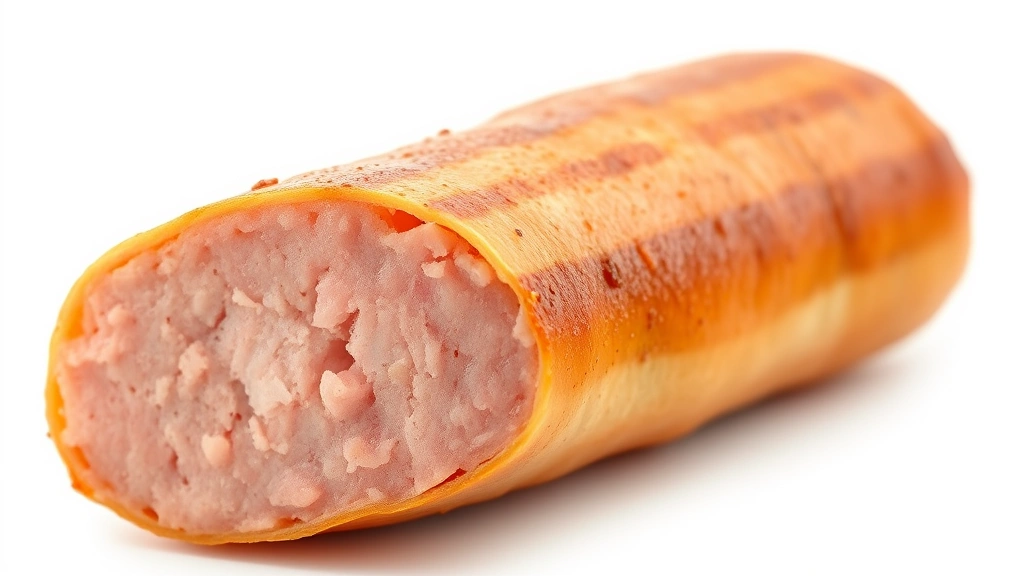
Your brats are done when they reach an internal temperature of 160°F (71°C). Use an instant-read thermometer inserted into the thickest part without touching the casing. If you don’t have a thermometer, cut into the thickest brat—the meat should be pale with no pink, and juices should run clear. The casing should be firm and deeply browned, not split or leaking. Overcooking brats is tough to do on the stovetop if you’re paying attention, but undercooking is the real risk. Those 12-15 minutes of simmering do most of the heavy lifting, so trust the process.
Flavor Variations
The basic water-or-beer approach is solid, but you’ve got options. Swap the water for chicken or beef broth for deeper flavor. Add sliced onions to the pan during the simmering stage—they’ll caramelize beautifully and make an excellent topping. A splash of apple juice or cider vinegar adds brightness. Whole grain mustard, caraway seeds, or a pinch of smoked paprika can elevate the flavor profile. Some folks add a tablespoon of butter in the final browning stage for extra richness. Experiment once you’ve nailed the basic technique. Just like learning how long it takes to smoke ribs, understanding the fundamentals first gives you the confidence to improvise.
Serving Suggestions
Brats deserve good company. Toast your buns lightly in the same skillet after the brats are done—it takes 30 seconds and makes a real difference. Classic toppings include sautéed onions, whole grain mustard, sauerkraut, and a touch of mayo. Some regions go heavier with chili or cheese. Serve alongside fresh corn recipes for a summer meal, or pair with roasted potatoes and a simple salad. A cold beer is the obvious beverage choice, but these also work with lemonade or iced tea if that’s your speed. The beauty of stovetop brats is they’re versatile enough for casual weeknight dinners or casual entertaining.
Troubleshooting Tips
Casings bursting? Your heat was too high too fast. Start over with a cold skillet and medium heat. Brats turning gray instead of brown? You’re not getting them hot enough during the final browning stage. Crank it to medium-high and be patient—browning takes 2-3 minutes per side. Dry, tough meat? You either skipped the simmering stage or cooked them too long on high heat. Stick to the 12-15 minute simmer and you’ll be golden. Uneven cooking? Make sure brats are similar in size and thickness, and turn them halfway through simmering. If you’re making burnt ends recipe style dishes with leftover brats, slice them lengthwise and finish them on a hot griddle.
Frequently Asked Questions
Can you cook frozen brats on the stove?
Yes, but add 5-7 minutes to the simmering time. Don’t thaw them first—frozen brats actually cook more evenly when you start cold. Just make sure they reach 160°F internally.
What’s the best liquid for cooking brats?
Beer (light or dark) is traditional, but water works fine too. A 50/50 mix gives you the best of both worlds. Avoid anything too acidic unless you want that flavor to dominate.
How many brats per person?
Plan on 2-3 brats per person as a main course, or 1-2 if you’re serving them as part of a larger meal with sides.
Can you make brats ahead of time?
Cook them through the simmering stage, then refrigerate. Finish the browning stage just before serving for the best texture and color.
What if the casing splits during cooking?
It happens. The brat will still taste fine, but you’ve lost some of those juices. Lower your heat next time and start from a cold skillet to prevent this.
Final Thoughts
Mastering how to cook brats on the stove is genuinely one of the easiest wins in the kitchen. You’ve got a 20-minute window, minimal cleanup, and results that taste like you spent way more effort than you actually did. The two-stage cooking method—gentle steam followed by a quick sear—is what separates mediocre brats from the kind that have people asking for your recipe. Once you’ve done it a couple times, it becomes second nature. You’ll be the person everyone wants cooking the brats at the next gathering, and honestly, that’s a pretty good spot to be in.


