
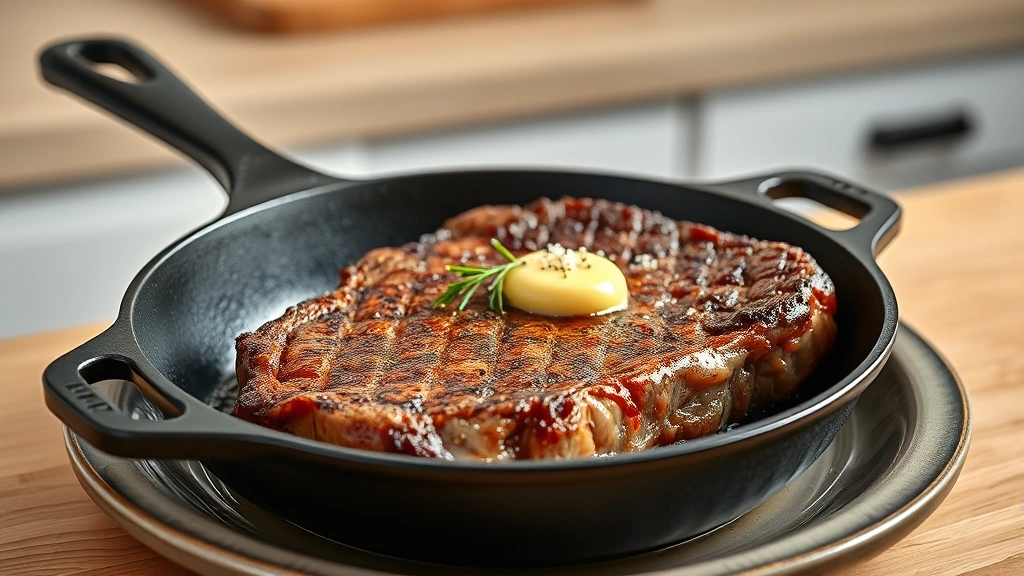
Learning how to cook a steak in a cast iron skillet is one of those kitchen skills that’ll change your life—seriously. If you’ve been intimidated by cast iron or thought you needed fancy equipment to nail a perfect steak, I’m here to tell you that you’ve got everything backwards. A cast iron skillet is basically the secret weapon for getting restaurant-quality results at home, and once you nail the technique, you’ll never look back.
Table of Contents
Why Cast Iron Works Best
Cast iron skillets have been around for centuries, and there’s a reason they’re still the go-to for serious cooks. The material distributes heat incredibly evenly across the cooking surface, which means your steak gets consistent browning from edge to center. Unlike thin stainless steel or non-stick pans, cast iron retains heat like a champ—it won’t cool down when you lay a cold steak on it, which is essential for getting that perfect crust.
The thermal mass of cast iron is your secret weapon. When properly preheated, it maintains its temperature throughout the cooking process, creating the Maillard reaction (that delicious browning) that makes a steak taste phenomenal. Plus, if you treat your cast iron right, it’ll outlive you and your kids.
Choosing Your Steak Cut
Not all steaks are created equal when it comes to cast iron cooking. The best cuts are ones with good marbling and at least 1.5 inches thick. I’m talking about ribeyes, New York strips, or filet mignons. These cuts have enough fat content to stay juicy during the high-heat cooking process, and the thickness means you can get a proper crust without overcooking the inside.
Thinner steaks (under an inch) are risky in cast iron because by the time you get a good crust, the inside might be overdone. You want that steak to have substance. A good rule of thumb: if it’s thinner than your pinky finger, it’s too thin. Aim for cuts that are at least 1.5 to 2 inches thick for best results.
Prep Work Matters
Here’s where most home cooks mess up—they skip the prep. Take your steak out of the fridge 30 to 40 minutes before cooking. Room temperature meat cooks more evenly, and you’ll get better results. Cold steak straight from the fridge will shock your hot pan and won’t cook as uniformly.
Pat your steak completely dry with paper towels. This is non-negotiable. Moisture is the enemy of browning. Any water on the surface will turn to steam, preventing that beautiful crust from forming. Don’t be shy—really dry it off. This single step makes a massive difference in your final result.
Seasoning Strategy
Salt and pepper. That’s it. That’s the whole strategy. Don’t overthink this. Season your steak generously on both sides right before it hits the pan—about 5 minutes before, not earlier. If you salt too far in advance, the salt draws out moisture; if you salt too close to cooking, it won’t dissolve properly. That sweet spot is right before you’re ready to sear.
Coarse sea salt and freshly ground black pepper are all you need. If you want to get fancy, try a carne asada seasoning recipe for a different flavor profile, but honestly, quality salt and pepper on a quality steak is perfection. You can always add butter and herbs after cooking.
Heat and Temperature
This is where cast iron really shines. You need high heat—and I mean genuinely high. Place your cast iron skillet on the stovetop over medium-high to high heat. Let it preheat for at least 5 minutes. You want it smoking hot. If you’re nervous about the heat, remember: that’s what makes the magic happen.
To test if your pan is ready, hold your hand about 6 inches above the surface. If you can only hold it there for 2-3 seconds before it’s unbearably hot, you’re in the right zone. Some people like to use an infrared thermometer to hit around 450-500°F, but honestly, the hand test works fine once you’ve done it a few times.
The Cooking Process
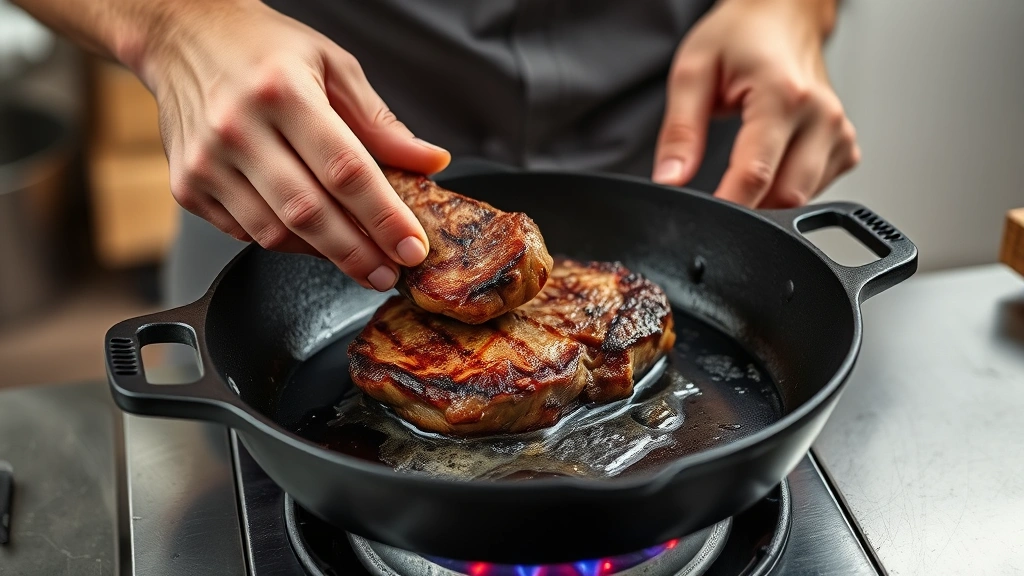
Once your pan is screaming hot, add a high-heat oil—avocado oil or refined vegetable oil work great. Butter will burn, so save it for later. You need just a thin coating; the oil helps with heat transfer and browning. Immediately place your steak in the pan. You should hear a serious sizzle. If it doesn’t sizzle aggressively, your pan isn’t hot enough.
Here’s the critical part: don’t move it. Seriously, hands off. Let it sit for 3-4 minutes to develop that crust. Resist the urge to poke, flip, or adjust it. The steak is doing its thing, and you’re just getting in the way. After 3-4 minutes, flip it once and cook for another 2-3 minutes for medium-rare.
The exact timing depends on thickness and how done you like your steak. For a 1.5-inch steak cooked to medium-rare, you’re looking at roughly 6-7 minutes total. Use a meat thermometer if you want precision: 120-125°F for rare, 130-135°F for medium-rare, 140-145°F for medium. Pull it off the heat about 5°F before your target temperature because carryover cooking will bump it up a few degrees.
Resting is Critical
You just did all this work, so don’t ruin it by cutting into the steak immediately. Transfer it to a warm plate and let it rest for 5-10 minutes. During this time, the juices redistribute throughout the meat instead of running all over your cutting board. This is the difference between a juicy steak and a dry one.
While your steak rests, this is the perfect time to add butter, fresh herbs (rosemary and thyme are classic), and minced garlic to the pan. Let that butter get all foamy and aromatic, then spoon it over your resting steak. That basting step takes it from good to incredible.
Finishing Touches
Once your steak has rested, finish it with a final sprinkle of fleur de sel or finishing salt. The larger crystals give you that satisfying texture and visual appeal. If you want to pair it with sides, roasted air fryer vegetable recipes complement steak beautifully without requiring extra stovetop space.
Serve immediately while it’s still hot. Your steak is now ready to impress whoever’s eating it—whether that’s guests or just you treating yourself to a proper meal.
Troubleshooting Common Issues
If your steak came out tough, you likely overcooked it or didn’t let it rest properly. Use that meat thermometer next time and pull it off the heat earlier. If the crust isn’t brown enough, your pan wasn’t hot enough or you moved the steak around too much. Remember: patience and high heat are your friends.
If you’re getting uneven cooking (one side done, the other rare), your heat source might be uneven. Try rotating the pan halfway through cooking, or invest in a better burner if you’re working with a really old stovetop. Some cast iron skillets have hot spots; you’ll learn your specific pan’s quirks after a couple of cooks.
Frequently Asked Questions
Can I use butter instead of oil for searing?
Butter has a low smoke point (around 350°F), so it’ll burn before your pan reaches the right temperature. Stick with high-heat oils like avocado, vegetable, or canola. You can add butter after searing for flavor, but not for the initial sear.
How do I know when my steak is done?
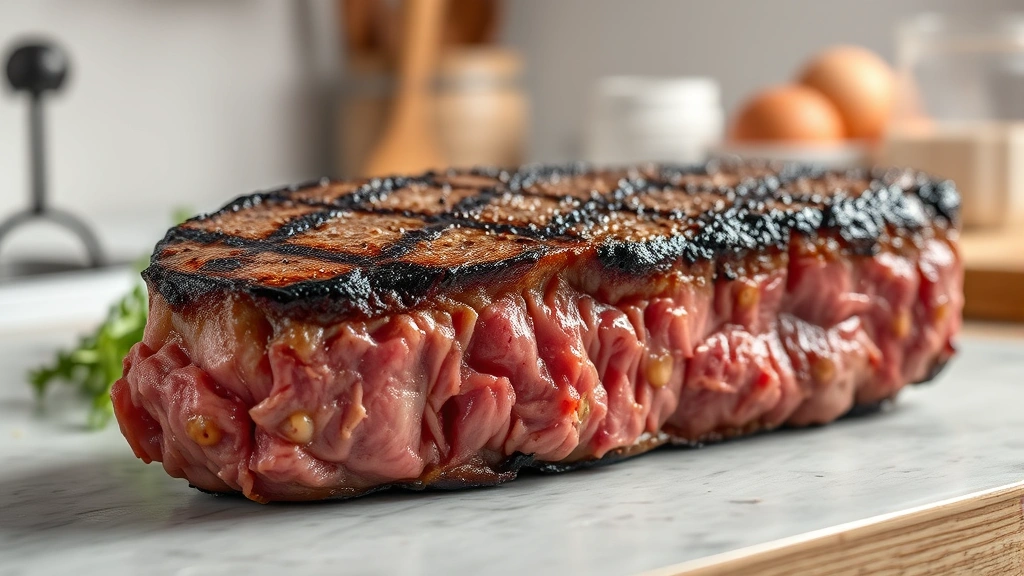
Use a meat thermometer for accuracy: 120-125°F for rare, 130-135°F for medium-rare, 140-145°F for medium. If you don’t have a thermometer, the touch test works—compare the firmness of your steak to the firmness of the flesh between your thumb and forefinger at different hand positions.
Should I season before or after cooking?
Season about 5 minutes before cooking. This timing allows the salt to dissolve and penetrate the meat without drawing out too much moisture. Seasoning right at the end also works, but seasoning beforehand gives better flavor distribution.
Can I cook frozen steak in cast iron?
You can, but it’s not ideal. Frozen steak will take longer to cook and won’t brown as well because it releases moisture as it thaws. Always thaw your steak in the fridge overnight for best results.
What if my cast iron isn’t seasoned well?
Even a lightly seasoned cast iron will work fine for cooking steak because you’re using oil and high heat. However, if you want to improve your seasoning, cook fatty foods regularly and clean it properly (hot water and a stiff brush, no soap unless absolutely necessary).
How thick should my steak be?
At least 1.5 inches, ideally 2 inches. Thicker steaks are more forgiving and give you a better window to achieve a good crust without overcooking the inside.
The Bottom Line
Cooking a perfect steak in cast iron comes down to three things: proper prep, high heat, and patience. Get your steak to room temperature, dry it thoroughly, use a screaming hot pan, and resist the urge to fiddle with it while it cooks. Season simply, let it rest, and finish with butter and herbs. That’s the formula, and it works every single time.
The beauty of cast iron is that it’s forgiving once you understand the basics. Each steak you cook will teach you something about your specific pan and your stovetop. After a few rounds, you’ll develop an intuition for when it’s ready to flip and when it’s done cooking. That’s when you stop following recipes and start trusting your instincts.
Whether you’re cooking for a special occasion or just treating yourself to a quality dinner, mastering how to cook a steak in a cast iron skillet is a skill that’ll serve you for life. Your cast iron will outlast your cookware, your technique will improve with practice, and your steaks will taste better every single time you cook one. That’s not just cooking—that’s craftsmanship.


