

Learning how to compare AI search optimization tools is like picking the right wrench for a job—you need to know what you’re actually trying to fix before you grab anything off the shelf. Whether you’re running a small blog, managing an e-commerce site, or handling content for a mid-sized business, the explosion of AI-powered SEO tools means you’ve got options. But more options also means more confusion. Let me walk you through this the way I’d explain it to a friend over coffee—straightforward, no marketing fluff, just practical thinking.
Table of Contents
Define Your Actual Needs
Before you start comparing anything, get honest about what you’re trying to accomplish. Are you optimizing existing content, researching keywords, tracking rankings, or analyzing competitor strategies? This matters because some AI search optimization tools excel at keyword research while others shine at content gap analysis. Think of it like knowing whether you need a hammer or a saw—both are tools, but they solve different problems.

Write down three specific problems you want solved. Maybe you’re struggling with technical SEO audits, or you need better keyword recommendations. Maybe you’re drowning in manual competitor analysis. Your actual pain points should drive your tool selection, not some feature list that looks impressive but doesn’t help you.

Core Features That Matter
Every AI search optimization tool claims to do everything, but let’s be real—they don’t. Look for these non-negotiable features: keyword research with search volume and difficulty metrics, content optimization suggestions, rank tracking, competitor analysis, and backlink monitoring. Some tools add AI-powered content generation, which can save time but varies wildly in quality.

Check whether the tool offers SERP (Search Engine Results Page) analysis, which shows you exactly what Google is ranking for your target keywords. This matters because understanding the competition helps you write smarter content. Also verify if they track featured snippets—that’s where a lot of traffic comes from these days, and many tools miss it entirely.

Test Accuracy and Reliability
Here’s where most people skip ahead and regret it later. An AI tool that gives you bad data is worse than no tool at all because you’ll make decisions based on lies. Start by checking their data sources. Do they pull from Google directly? Do they use third-party APIs? How often do they refresh their data?

Run a test with keywords you already know well. If you’ve been tracking a keyword manually for months, plug it into the new tool and compare results. Does the search volume match what you’ve observed? Are the difficulty ratings reasonable? Check at least five keywords where you have real-world experience. This takes an hour but saves you from months of wasted effort.

Pricing Breakdown Reality
Most AI search optimization tools use tiered pricing, but the tiers are designed to confuse you. A $99/month tool might have features locked behind a $299/month plan that you actually need. Create a spreadsheet and list exactly which features you need at each price tier for every tool you’re considering.

Watch out for hidden costs: overage fees if you exceed keyword limits, per-user charges, or premium support that costs extra. Some tools charge based on the number of websites you monitor. Others charge based on search volume data requests. Calculate your actual monthly cost by assuming realistic usage, not best-case scenarios. If you’re unsure, contact their sales team and ask for a custom quote based on your specific needs.

Integration and Compatibility
An AI tool is only as useful as its ability to fit into your existing workflow. Check if it integrates with Google Analytics, Google Search Console, your CMS, and whatever project management system you use. If you’re using content management tools, verify compatibility before committing.

Some tools offer API access, which matters if you want to automate reporting or pull data into custom dashboards. Others have Zapier integrations that let you connect them to hundreds of other apps. Don’t underestimate how much time you’ll save if the tool plays nicely with your existing setup versus requiring manual data transfer every week.

Support and Documentation Quality
This is the difference between a tool you’ll actually use and one that frustrates you into abandonment. Read their knowledge base before purchasing. Is it comprehensive? Are there video tutorials? Can you find answers to common questions without contacting support?
Check their support response times. Do they offer live chat, email, or phone support? What’s their average response time? For tools you’re paying $200+/month for, you should expect same-day responses at minimum. Look at community forums or Reddit discussions about their support quality—real users will tell you whether the company actually helps when you get stuck.
Hands-On Trial Period Testing
Never buy a tool without testing it first. Most legitimate AI search optimization tools offer free trials or freemium versions. Spend at least a week actually using the tool, not just poking around. Set up your website, run a keyword research project, check the reporting features, and try the competitor analysis.

During your trial, pay attention to how the tool makes you feel. Is it intuitive or confusing? Does it save you time or create more work? Can you find what you need without hunting through menus? Sometimes a tool that looks great in a demo feels clunky when you’re actually trying to use it daily. Trust that gut feeling—it matters.

User Experience and Learning Curve
Some AI tools are built for SEO experts with years of experience. Others are designed for beginners. Neither is wrong, but you need to pick the right one for your skill level. If you’re new to SEO, a tool with 47 advanced features you don’t understand will slow you down, not speed you up.

Look for tools with good onboarding. Do they have setup wizards? Do they explain what each metric means? Can you start getting useful insights in your first session, or do you need to spend hours learning the interface first? The best tools make simple tasks simple and advanced tasks possible—not the other way around.

Performance Metrics Comparison
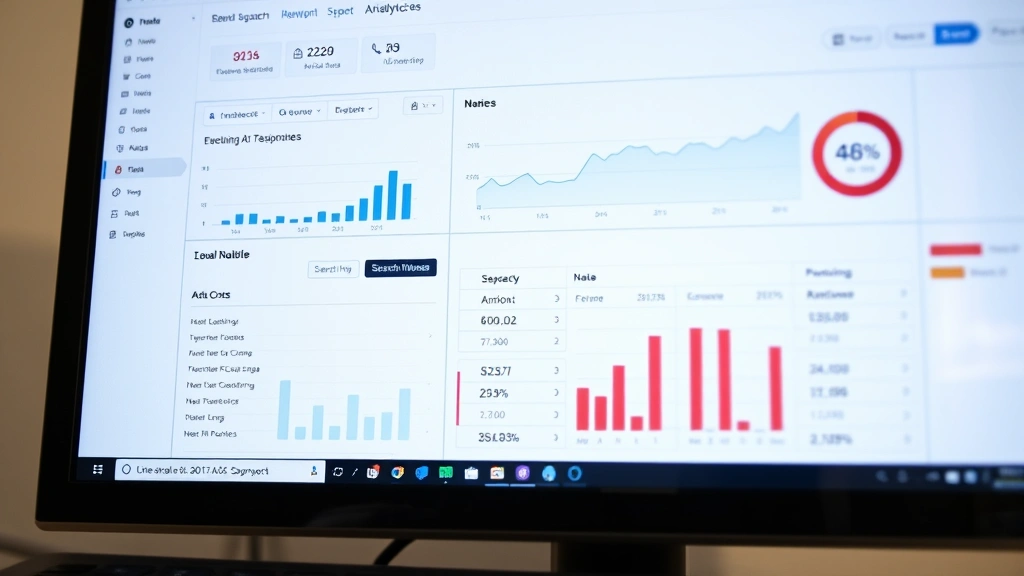
Create a comparison chart with your top three tool choices. List every feature you identified as important, then mark whether each tool has it. Use a simple system: yes, no, or partial. This forces you to think clearly about what actually matters versus what’s just nice to have.
Include performance metrics like update frequency, data accuracy (based on your test), ease of use (rate 1-10), customer support quality (rate 1-10), and total monthly cost. Weight these factors based on your priorities. If accuracy is critical for your work, weight that heavily. If ease of use matters most because you’re busy, adjust accordingly. This isn’t rocket science—it’s just being systematic instead of emotional about your choice.
Frequently Asked Questions
What’s the difference between AI-powered and traditional SEO tools?
Traditional tools collect and organize data—they tell you what keywords rank and how much traffic they drive. AI-powered tools go further by analyzing patterns, making predictions, and generating recommendations. For example, an AI tool might analyze your top-performing content and automatically suggest optimization improvements. However, AI isn’t magic; it’s only as good as the underlying data and algorithms. Both types have value depending on your needs.
Can I use a free tool instead of paying for premium?
Yes, but with limitations. Free tools usually cap your keyword tracking, limit competitor analysis, or reduce data freshness. They work fine for testing ideas or small projects, but if you’re managing multiple websites or need daily tracking, you’ll outgrow them quickly. Think of free tools as good for learning; paid tools are for serious work.
How often should I switch tools or reevaluate?
Reevaluate your tool choice annually or when your business needs change significantly. If you’re scaling up, adding new websites, or shifting your SEO strategy, that’s a good time to reassess. Switching tools is disruptive, so don’t do it lightly, but don’t stay with something that no longer fits your needs either.
Are expensive tools always better?
Not necessarily. Price correlates with features and data freshness, but the most expensive tool isn’t always the best fit for your specific needs. A $400/month tool might be overkill if you only need basic keyword research. A $50/month tool might be perfect. Evaluate based on your requirements, not price.
What if I need to compare tools with different interfaces?
Use a standardized testing approach: run the same five keyword research queries on each tool, analyze the same three competitors, and check the same reporting features. This apples-to-apples comparison reveals differences that marketing materials hide. Document your findings in a spreadsheet so you can reference them when making your decision.
How important is data freshness?
Very important. SEO data changes constantly—keyword rankings shift daily, search volume fluctuates, and new competitors emerge. Tools that update daily are significantly better than those updating weekly or monthly. If you’re making decisions based on stale data, you’re essentially flying blind. Check their update frequency before committing.
Should I consider multiple tools instead of one?
Many professionals use 2-3 tools together. For example, one tool for keyword research, another for rank tracking, and a third for competitor analysis. This approach lets you pick the best-in-class tool for each function rather than compromising on a mediocre all-in-one solution. However, this also means managing multiple subscriptions and integrations, which adds complexity. Start with one solid tool and expand only if you identify specific gaps it doesn’t fill.
What about tools that promise to automate SEO completely?
Be skeptical. SEO requires strategy, creativity, and judgment—things AI can’t fully replace yet. Tools that promise to “automate SEO” usually mean they automate data collection and basic recommendations, not actual strategy. You still need to think about your business goals, understand your audience, and make intentional decisions. Any tool claiming otherwise is overselling.
Bottom line: Comparing AI search optimization tools doesn’t require a PhD in data science. You need to know what you’re trying to solve, test tools with your real data, and pick the one that fits your workflow and budget. Take your time with this decision—you’ll be using this tool regularly, so it’s worth getting right. Start with your three biggest pain points, run a proper trial, and trust your experience over marketing claims. The right tool will save you hours every month and help you make smarter decisions about your content strategy. That’s worth the effort of comparing properly.


