

Learning how to come down from a high faster is essential knowledge for anyone who wants to manage their experience responsibly. Whether you’ve consumed more than intended or simply want to speed up the process, understanding the science behind comedown timelines and practical strategies can make a significant difference in how you feel and function.
Table of Contents
Stay Hydrated Throughout
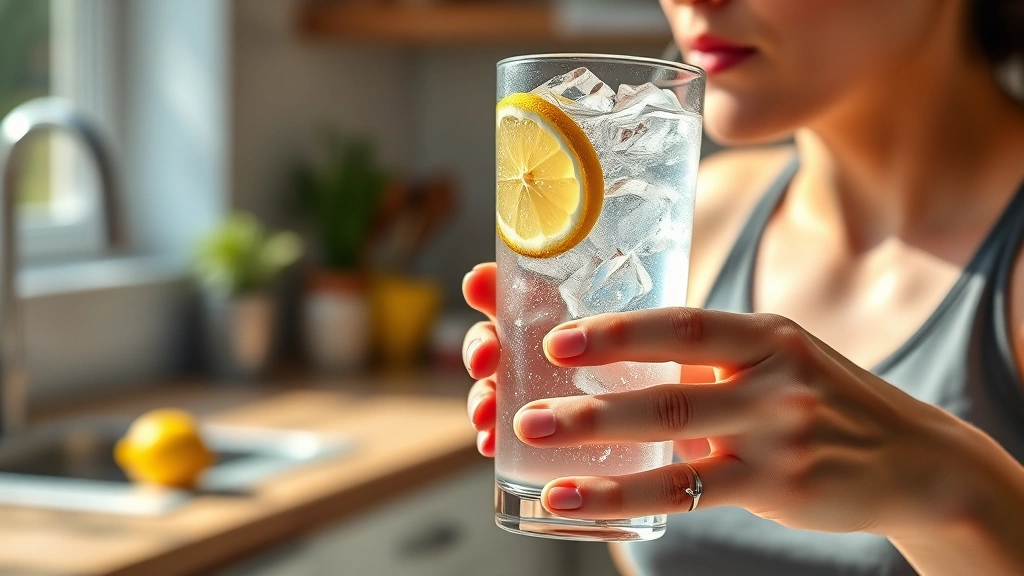
Water is your first line of defense when you want to accelerate your comedown. Dehydration intensifies the effects you’re experiencing and prolongs the duration. Drinking plenty of water helps your body process and eliminate substances more efficiently through your kidneys and liver.
Start by drinking a full glass of water immediately, then continue sipping throughout the process. Aim for at least 8-16 ounces every 30 minutes. Adding electrolytes—like those found in sports drinks or coconut water—can be even more effective than plain water alone, as they help your body absorb and retain fluids better. This simple step addresses the physiological component of your comedown while supporting overall bodily function.
Get Moving and Exercise
Physical activity is one of the most underrated methods for speeding up a comedown. Exercise increases your heart rate and metabolism, which helps your body process substances faster. It also triggers the release of endorphins, which can counteract some of the negative feelings associated with coming down.
You don’t need an intense workout—even a 15-20 minute walk, light jog, or yoga session can make a noticeable difference. If you’re feeling too disoriented for structured exercise, simply moving around your space, stretching, or dancing to music can be effective. The key is getting your blood flowing and your body working, which naturally accelerates metabolic processing. Just make sure you’re staying hydrated while exercising.
Eat the Right Foods
What you eat directly impacts how quickly you come down. Your body needs fuel to process and eliminate substances efficiently. Focus on foods rich in vitamins, minerals, and antioxidants that support your liver and kidney function—the organs responsible for processing most substances.
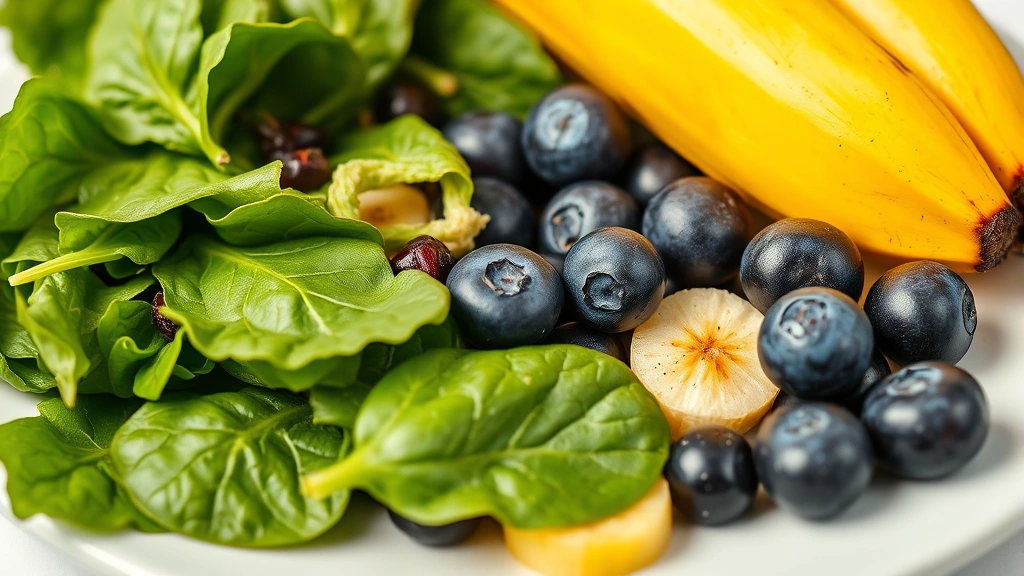
Good choices include bananas (potassium), berries (antioxidants), leafy greens (nutrients), eggs (protein and choline), and nuts (healthy fats). Avoid heavy, greasy, or sugary foods that can slow digestion and make you feel worse. Eating something substantial but digestible within the first 30-60 minutes can significantly speed up your recovery. If you’re experiencing nausea, start with something light like toast, crackers, or ginger tea, then progress to more substantial foods as your stomach settles.
Use Cold Exposure Techniques
Cold exposure is a physiological hack that can rapidly shift your nervous system state. A cold shower or even splashing cold water on your face activates your parasympathetic nervous system and can provide immediate relief from the intensity of your high.
You don’t need to commit to a full cold shower—even 30-60 seconds of cold water on your face, neck, or wrists can trigger a noticeable shift. The cold stimulates your vagus nerve, which helps regulate your body’s stress response. This technique works particularly well when combined with deep breathing. If a full cold shower feels too intense, try holding an ice pack against your neck or soaking your feet in cold water for similar benefits.
Control Your Environment
Your surroundings significantly influence how intense your experience feels and how quickly you recover. A chaotic, overstimulating environment will prolong your comedown, while a calm, controlled space accelerates it.
Dim the lights or move to a darker room to reduce visual stimulation. Lower the volume on any background noise or switch to calming music. Keep the temperature cool but comfortable—being too warm intensifies many comedown symptoms. Clear your space of clutter and distractions. If possible, move to a quiet room away from other people. This environmental control reduces the load on your nervous system, allowing your body to focus energy on processing and recovery rather than managing external stimuli.
Try Grounding Techniques
Grounding techniques work by anchoring your mind and body to the present moment, which reduces anxiety and the psychological intensity of your high. The 5-4-3-2-1 technique is particularly effective: identify 5 things you can see, 4 you can touch, 3 you can hear, 2 you can smell, and 1 you can taste.
Other grounding methods include holding ice cubes in your hands, focusing on your breathing (try 4-7-8 breathing: inhale for 4 counts, hold for 7, exhale for 8), or pressing your feet firmly into the ground. These techniques engage your sensory system and redirect your focus away from uncomfortable physical sensations. They’re particularly useful for managing the psychological aspects of your comedown while your body naturally processes the substances involved.
Prioritize Sleep and Rest
Sleep is perhaps the most powerful accelerator of recovery. Your body does most of its healing and processing during sleep, so if you can rest, you’ll come down significantly faster. Most people find that even a 1-2 hour nap dramatically speeds up their recovery.
Create ideal sleep conditions: complete darkness, cool temperature, quiet environment, and comfortable bedding. If you’re struggling to fall asleep, try relaxation techniques like progressive muscle relaxation or guided meditation. Avoid screens for at least 30 minutes before attempting to sleep, as blue light can interfere with your natural sleep cycle. If sleep isn’t possible immediately, simply lying down and resting with your eyes closed still provides significant benefits compared to staying active.
Know When to Seek Help
While most comedowns resolve naturally with time and the methods above, certain situations warrant professional help. If you’re experiencing severe anxiety, panic attacks, hallucinations, rapid heart rate that doesn’t slow down, difficulty breathing, or any symptoms that feel dangerous or unmanageable, contact emergency services or poison control immediately.
Additionally, if you’re struggling with frequent or intense comedowns, or if substance use is becoming a pattern you’re concerned about, speaking with a healthcare provider or counselor can provide valuable guidance and support. There’s no shame in seeking help—it’s a sign of responsibility and self-awareness. For reference on how various substances affect your body, you might explore how long does it take for Tylenol to work or consult medical resources about substance metabolism.
Frequently Asked Questions
How long does a typical comedown last?
Comedown duration varies dramatically depending on the substance, amount consumed, your body weight, metabolism, and overall health. Most comedowns last anywhere from 2-12 hours, though some substances have longer windows. Implementing the methods above can reduce this timeframe by 25-50% in many cases.
Can I speed up my comedown with more of the substance?
No. Taking more will only extend your overall experience and make the eventual comedown more intense. This approach also significantly increases health risks. The only way to come down faster is through the natural processing methods your body uses.
Is it safe to mix these methods together?
Yes, most of these methods work synergistically. Combining hydration, food, movement, and environment control is safe and more effective than using just one approach. However, if you’re on medications or have health conditions, consult with a healthcare provider before attempting intense exercise or significant dietary changes.
What if I feel panicked during my comedown?
Panic is a common part of comedowns and is typically not dangerous, though it feels awful. Grounding techniques, cold exposure, and controlled breathing are particularly effective for panic. Remind yourself that the feeling is temporary and will pass. If panic becomes severe or you’re having thoughts of self-harm, contact emergency services or a crisis helpline immediately.
Does caffeine help or hurt a comedown?
Caffeine generally makes comedowns worse by increasing heart rate and anxiety. Avoid coffee, energy drinks, and other stimulants during your comedown. Stick with water, herbal tea, or electrolyte drinks instead.
Can I go to work or drive while coming down?
This depends on the substance and severity of your comedown. If you’re experiencing impaired judgment, coordination, or alertness, you should not drive or operate machinery. For work, assess whether you can safely perform your duties. If in doubt, it’s better to call in and prioritize your safety and recovery.
What’s the relationship between comedown speed and overall health?
Your baseline health significantly impacts how quickly you come down. People with better cardiovascular fitness, proper nutrition, adequate sleep, and lower stress levels typically process substances faster and experience less intense comedowns. Investing in your overall health is one of the best long-term strategies for managing comedowns.


