
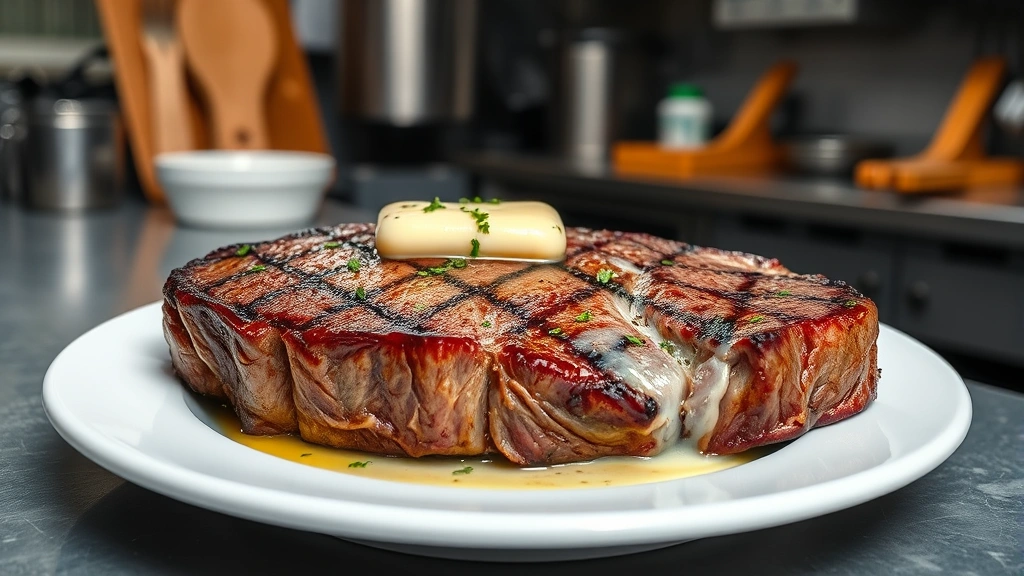
Learning how to cook a ribeye in the oven is one of those kitchen skills that’ll make you look like a pro without breaking a sweat. Forget the grill—your oven is about to become your secret weapon for restaurant-quality steaks at home. Whether you’re cooking for yourself or impressing guests, this method delivers a perfectly seared crust and a tender, juicy interior every single time.
Table of Contents
Choosing Your Perfect Steak
Not all ribeyes are created equal. You want to start with a quality cut that’s at least 1.5 inches thick—thinner steaks tend to overcook before they develop that gorgeous crust. Look for marbling throughout the meat (those white fat lines running through it). That marbling is flavor and juiciness locked in, and it’s what separates a mediocre steak from an unforgettable one.
Grab steaks that have good color—deep red, not bright red or brown. The bone-in versions add extra flavor, but boneless works just fine if that’s what you’ve got. Plan on one 12-16 oz ribeye per person, or go bigger if you’re really hungry. When you’re ready to cook, check out our carnivore recipes for other protein-focused meals that pair perfectly with your cooking skills.
Prep Work Matters Most
Here’s where most home cooks mess up: they skip the prep. Don’t be that person. Pull your ribeyes out of the fridge 40-45 minutes before cooking. Room temperature meat cooks evenly—cold meat from the fridge will have a cold center when the outside is done. This is non-negotiable if you want consistent results.
Pat your steaks completely dry with paper towels. Moisture is the enemy of a good crust. Wet meat steams instead of sears, and steamed meat is sad meat. Dry it thoroughly, and don’t be shy about it. While you’re waiting for the meat to come to room temperature, preheat your oven to 400°F. This gives you time to get everything ready without rushing.
Seasoning Strategy Simplified
Keep it simple. Salt and pepper. That’s it. You don’t need garlic powder, onion powder, or whatever seasoning blend is trending on TikTok. A quality ribeye speaks for itself, and you’re just there to amplify its natural flavors.
Season both sides generously about 15 minutes before searing. The salt dissolves into the meat and seasons it throughout, rather than just sitting on the surface. If you season right before cooking, you’ll get a crust that’s more salty than flavorful. Black pepper—freshly ground if you can manage it—goes on just before the pan hits the heat. Pepper can burn if it sits too long, so timing matters here.
The Searing Technique
Get your cast iron or stainless steel skillet smoking hot. We’re talking seriously hot—you want it around 450-500°F. Let it sit on the burner for a solid 3-4 minutes at high heat. If you’re not sure it’s hot enough, hold your hand a few inches above it—you should barely be able to keep it there for a second.
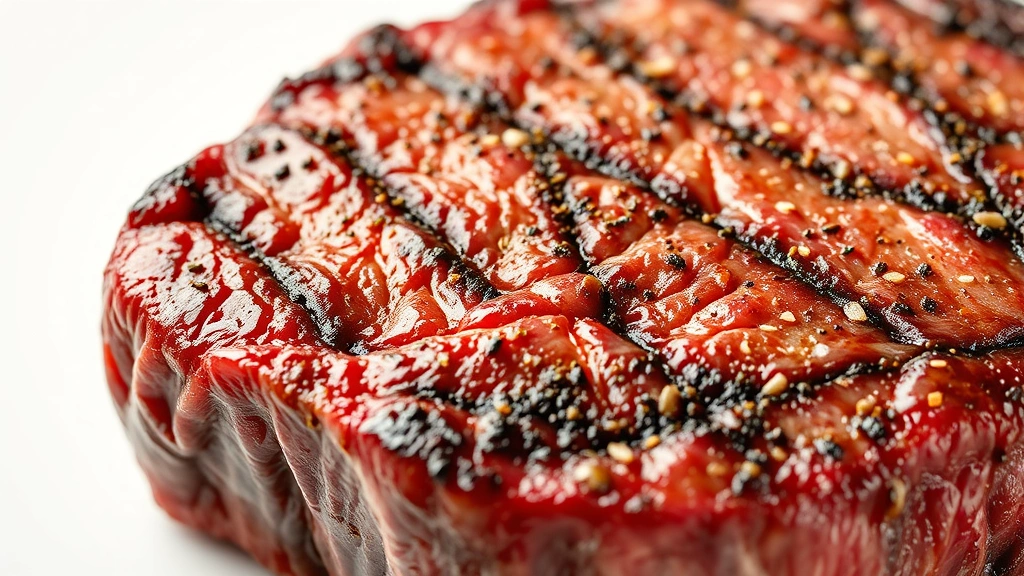
Once the pan is ready, place your ribeye in there and resist the urge to move it. Leave it alone for 2-3 minutes. You’re building a crust here, and moving the meat constantly prevents that from happening. You’ll hear it sizzle aggressively—that’s exactly what you want. Flip it once, and sear the other side for another 2-3 minutes. If you’ve got a bone, stand it up on the bone side for 30 seconds to render some of that fat.
Oven Cooking Temperature Guide
After searing, transfer your skillet to that preheated 400°F oven. This is where the magic happens. The oven provides consistent, gentle heat that cooks the interior while keeping that crust intact. Cooking time depends on thickness and how done you want it:
- Rare (125°F internal): 5-7 minutes
- Medium-rare (135°F internal): 8-10 minutes
- Medium (145°F internal): 10-12 minutes
- Medium-well (150°F internal): 12-14 minutes
Most people go for medium-rare, which gives you a warm, pink center with a hint of red. It’s forgiving and delicious. If you’re cooking a thicker cut (2 inches or more), you might need to add a couple minutes to these times.
Testing for Perfect Doneness
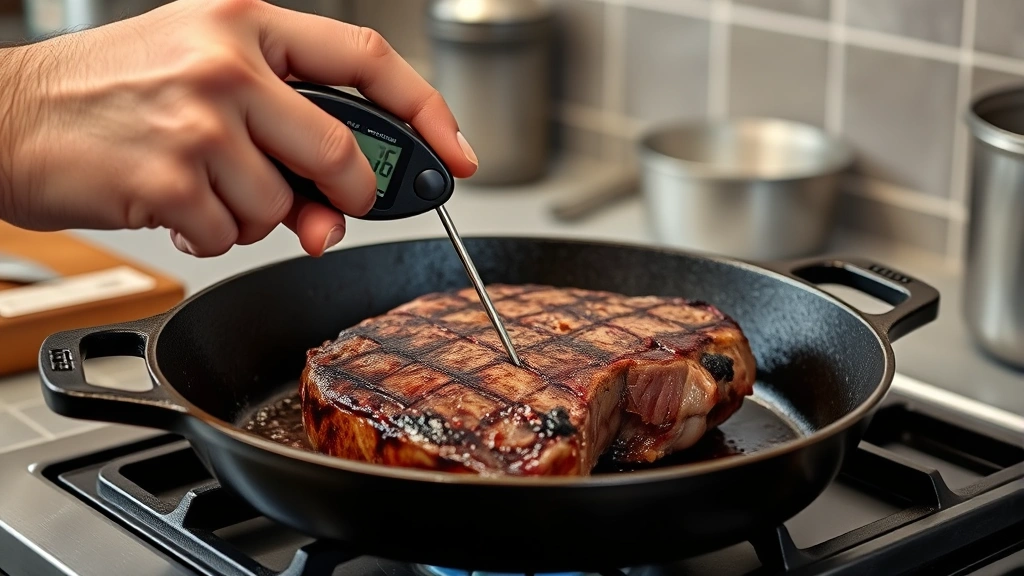
Don’t guess. Use a meat thermometer. Stick it into the thickest part of the steak, making sure it’s not touching bone or fat. Digital instant-read thermometers are cheap and accurate—this is a kitchen tool worth owning.
Remember that carryover cooking happens after you pull the steak out of the oven. The temperature will rise another 3-5°F as it rests. So pull your ribeye at 130°F if you want medium-rare, not 135°F. This prevents overcooking and keeps your steak juicy.
The Critical Resting Period
This is the step people skip, and it’s the biggest mistake you can make. Let your steak rest for 5-10 minutes after pulling it from the oven. Tent it loosely with foil if your kitchen is cold, but don’t wrap it tight—you want some air circulation.
During rest, the muscle fibers relax and reabsorb the juices. If you cut into the steak immediately, all those juices run out onto the plate instead of staying in the meat. A 10-minute rest makes the difference between a juicy steak and a dry one. It’s not optional—it’s essential.
Serving Your Masterpiece
Top your ribeye with a pat of butter mixed with fresh herbs—rosemary, thyme, or parsley work great. The butter melts into all those nooks and crevices from the crust. If you want sides, keep them simple: roasted potatoes, a green salad, or grilled vegetables. Let the steak be the star.
If you’re planning a full meal, check out our chipotle guac recipe for a killer side that complements beef perfectly. A good steak sauce (or no sauce at all) is all you need beyond that.
Common Mistakes to Avoid
Cooking straight from the fridge: Cold meat doesn’t cook evenly. Always bring it to room temperature first.
Skipping the dry step: Wet meat steams. Pat it completely dry before seasoning.
Not preheating the pan: A lukewarm pan produces a gray, steamed crust instead of a brown, flavorful one. Get it smoking hot.
Moving the meat during searing: Let it sit undisturbed. You’re building a crust, not scrambling eggs.
Cooking without a thermometer: The touch test is unreliable. Use a meat thermometer and take the guesswork out.
Skipping the rest: Those 10 minutes make the difference between good and great. Don’t rush it.
Keep your kitchen clean and organized while you work. If you’ve got a stainless steel skillet, you might want to learn how to clean stainless steel appliances properly to keep your cookware in top shape for future meals.
Frequently Asked Questions
Can I cook a frozen ribeye using this method?
You can, but it’s not ideal. Thaw it first for best results. If you’re in a pinch, add 50% more cooking time and check the internal temperature frequently. Frozen-to-cooked steaks are harder to get right.
What’s the difference between this method and grilling?
The oven method gives you more control over the final temperature and is more forgiving. Grilling adds a smoky flavor but requires more attention. Both methods work—this one is just more consistent.
Should I use butter while cooking?
You can add butter and herbs (like rosemary or thyme) to the pan during the oven phase, but it’s not necessary. The steak’s own fat is enough. If you do add butter, make sure the pan is already hot before adding it.
How do I know if my pan is hot enough?
When a drop of water hits the pan, it should immediately evaporate with a sharp sizzle. If it beads up and rolls around, it’s hot enough. If it just sits there, wait longer.
Can I use a different cut of beef?
Absolutely. New York strips, filet mignon, and T-bones all work great with this method. Adjust timing slightly based on thickness and fat content.
What if I don’t have an oven-safe skillet?
Sear the steak in any pan, then transfer it to a baking dish and finish in the oven. You’ll lose some of the crust quality, but it still works.
The Bottom Line
Cooking a perfect ribeye in the oven isn’t complicated—it just requires attention to detail and patience. Room temperature meat, a screaming hot pan, a proper sear, and a precise oven temperature are your four pillars. Follow these steps, use a thermometer, and let that steak rest, and you’ll nail it every single time. Your dinner guests will think you’re a culinary genius, and you’ll know the truth: it’s just a simple, repeatable process that anyone can master.


