
Learning how to clear check engine light is one of those skills that’ll save you hundreds at the mechanic shop and keep you from panicking at a red light. That little amber engine icon on your dashboard isn’t always a death sentence—sometimes it’s just your car’s way of saying “hey, pay attention to me.” Whether you’ve got a loose gas cap or something more serious brewing under the hood, we’ve got five proven methods to help you diagnose and fix the problem yourself.
Table of Contents
Understanding Check Engine Light
Before you start throwing wrenches at the problem, understand what that light actually means. Your vehicle’s onboard diagnostic system (OBD2) constantly monitors emissions, engine performance, and transmission health. When something’s off—even slightly—it triggers a diagnostic trouble code and illuminates your check engine light. The good news? It doesn’t mean your engine’s about to explode. The bad news? You need to figure out what triggered it. The light could indicate anything from a faulty oxygen sensor to a catalytic converter issue, and sometimes it’s just that gas cap we mentioned.
The Loose Gas Cap Trick
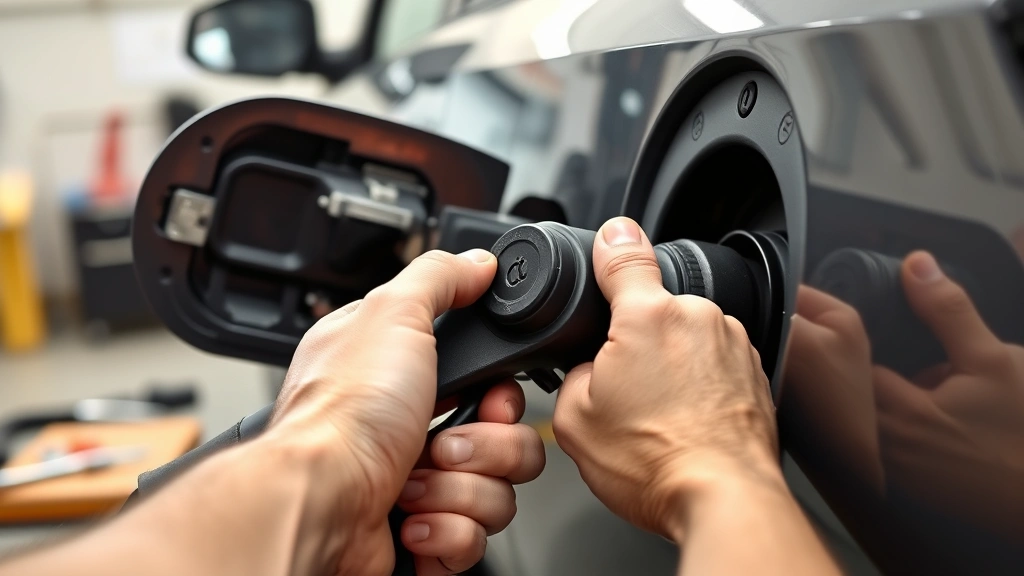
Seriously, start here. I’m not joking. A loose or damaged fuel door cap causes fuel vapors to escape, which triggers the emissions system and lights up your dashboard. It’s responsible for roughly 25% of all check engine light cases. Locate your fuel door (usually on the side of your car), open it, and check if the cap’s loose or cracked. Tighten it firmly until you hear a click. If it’s damaged, grab a replacement at any auto parts store for five bucks. Drive around for 50-100 miles and see if the light resets itself. Many times, that’s all you need to do.
Using an OBD2 Scanner
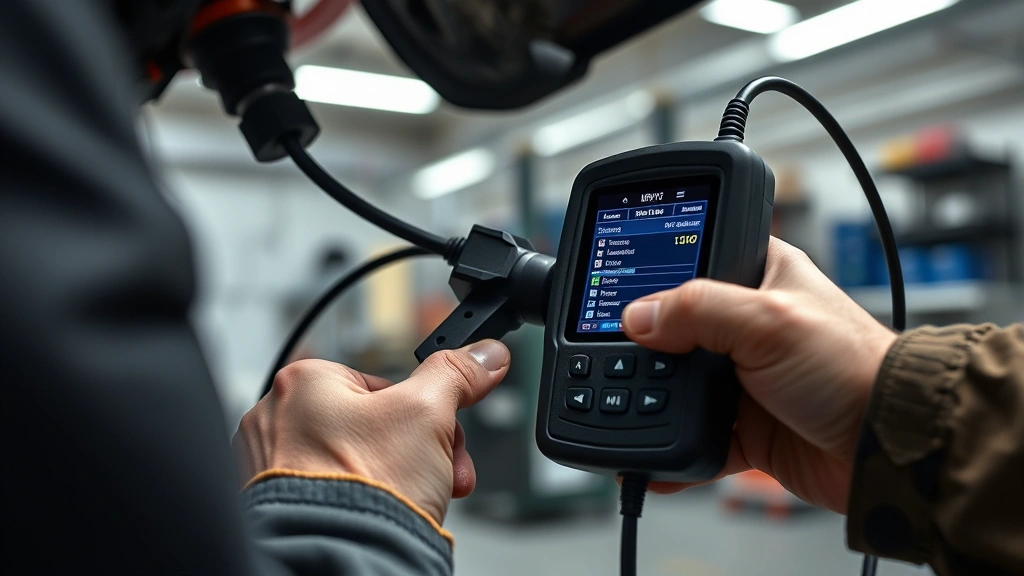
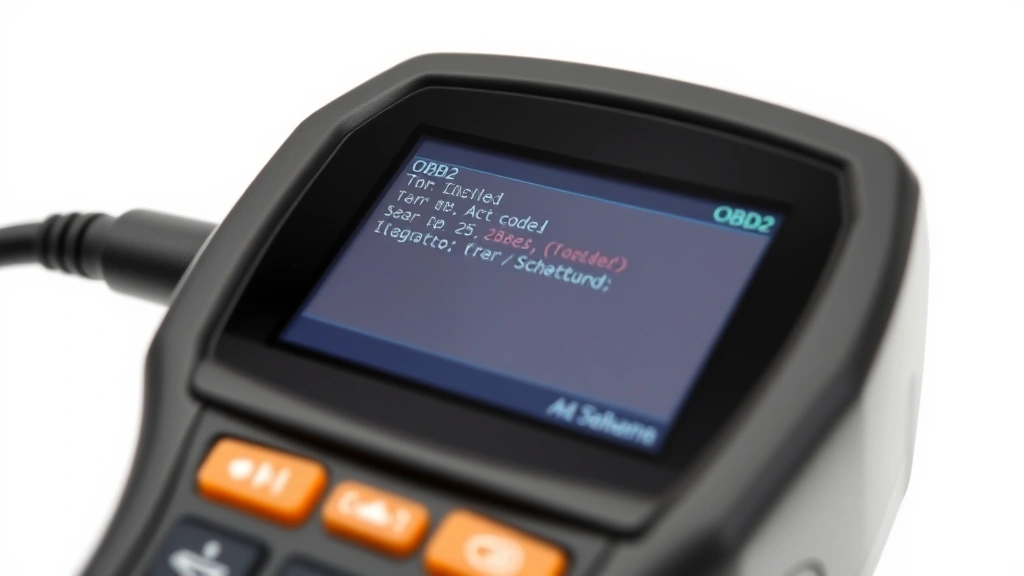
This is where you get serious about diagnosis. An OBD2 scanner plugs into your vehicle’s diagnostic port (located under the steering wheel on most cars) and reads the specific trouble codes triggering your light. You don’t need a $500 professional scanner—a basic handheld model costs $20-50 and works great for home mechanics. Plug it in, follow the menu, and it’ll display codes like “P0420” (catalytic converter efficiency) or “P0171” (system too lean). Write down these codes and search them online to understand what they mean. This information is gold when deciding whether you can fix it yourself or need a pro. Sites like Family Handyman have excellent guides for interpreting these codes and planning repairs.
Clearing Codes with Battery Disconnect
Once you’ve identified and fixed the underlying problem, you need to clear those stored codes. The old-school method involves disconnecting your car’s negative battery terminal for 10-15 minutes. This drains the system’s memory and resets the diagnostic computer. However, this approach has downsides—it’ll also reset your radio presets, clock, and other settings. A better method? Use your OBD2 scanner’s “clear codes” function, which erases the trouble codes without affecting other systems. After clearing, drive normally for 50-100 miles to let the system relearn and confirm the fix worked. If the light stays off, you’ve solved it. If it comes back, the problem’s still there, and you might need professional diagnosis.
Common Triggers & Fixes
Beyond the gas cap, certain issues pop up repeatedly. A faulty oxygen sensor is incredibly common—it monitors exhaust gases and costs $150-400 to replace depending on which sensor’s bad. Catalytic converter problems are more expensive ($400-2,500) but often preventable with regular maintenance. A misfiring cylinder usually points to bad spark plugs, which you can replace yourself for $50-150 in parts and an hour of work. Mass airflow sensor issues affect fuel economy and performance—cleaning or replacing it runs $200-400. Vacuum leaks cause rough idling and poor performance; these need careful inspection but often cost under $200 to fix. This Old House has solid guides on identifying these problems before they become expensive repairs.
When You Need Professional Help
Know your limits. If your OBD2 scanner shows transmission codes (P0700 series), catalytic converter efficiency codes, or anything involving the engine computer, take it to a professional. Transmission work requires specialized equipment. Catalytic converter replacement demands proper torque specs and sometimes dealer-level diagnostics. If you’re uncomfortable working under the hood or lack basic tools, there’s no shame in paying a mechanic. A proper diagnosis from a shop costs $80-150 but saves you from guessing wrong and making expensive mistakes. Get a written estimate before they start work, and don’t let them pressure you into repairs you don’t understand.
Preventive Maintenance Tips
The best way to avoid check engine light drama is preventing problems in the first place. Change your oil every 5,000-7,500 miles—clean oil keeps sensors happy and engines running smoothly. Replace air filters annually or every 15,000 miles; a clogged filter triggers mass airflow sensor issues. Use quality fuel from reputable stations; cheap gas can contain contaminants that damage injectors and sensors. Keep your vehicle’s emission system in good shape by driving it regularly—short trips without fully warming up the engine can cause codes. Have your battery tested annually; weak batteries can cause sensor malfunctions. Bob Vila recommends checking your owner’s manual for your vehicle’s specific maintenance schedule and following it religiously.
Frequently Asked Questions
Can I drive with the check engine light on?
It depends on the code. If it’s flashing, stop immediately—that indicates a serious misfire that can damage your catalytic converter. A steady light means you can usually drive carefully to a mechanic, but don’t ignore it. Get it diagnosed within a few days to prevent further damage.
How much does it cost to fix a check engine light?
Anywhere from $0 (loose gas cap) to $2,500+ (catalytic converter). Most common fixes run $150-400. That’s why getting a proper diagnosis with an OBD2 scanner is so valuable—you’ll know exactly what you’re dealing with before spending money.
Will the check engine light go away on its own?
Not usually. The code stays stored until you clear it, and the light will return if the underlying problem isn’t fixed. Clearing the code without addressing the issue is just temporary—the light comes back after 50-100 miles.
Do I really need an OBD2 scanner?
Yes, if you want to diagnose the problem yourself. Most auto parts stores will scan your vehicle for free, so you can get the code without buying a scanner. But owning one ($20-50) gives you independence and saves time.
What’s the difference between a steady and flashing check engine light?
Steady light = get it checked soon. Flashing light = stop driving immediately. A flashing light indicates severe misfires that can destroy your catalytic converter in minutes. Pull over safely and call a tow truck.
Wrapping It Up
Clearing your check engine light starts with understanding what triggered it. Begin with the simple stuff—that gas cap—then move to OBD2 scanning if needed. Most common issues are fixable with basic tools and some patience, but know when to call in the pros. A $100 professional diagnosis beats a $1,000 mistake every time. Keep up with preventive maintenance, and you’ll spend less time staring at warning lights and more time enjoying the road. Your car will thank you, and your wallet will feel lighter.


