
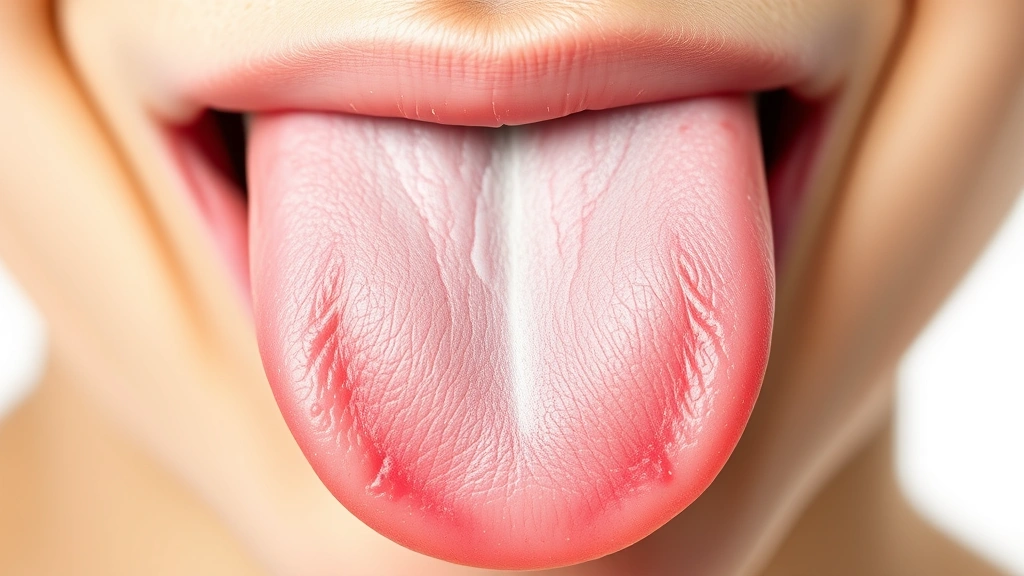
Learning how to clean your tongue is one of the simplest yet most overlooked steps in your daily oral hygiene routine, and it can make a massive difference in your breath quality and overall mouth health. Your tongue is basically a magnet for bacteria, dead cells, and food debris—it’s like the workshop floor that collects all the sawdust if you don’t sweep it regularly. In this guide, I’m going to walk you through five proven steps that’ll have your tongue looking fresh and your breath smelling clean.
Table of Contents
Why Your Tongue Needs Cleaning
Your tongue is covered in tiny bumps called papillae, and these little grooves trap more bacteria than you’d think. According to research from the American Dental Association, your tongue can harbor thousands of bacteria that contribute to bad breath, plaque buildup, and even gum disease. When you neglect tongue cleaning, you’re basically leaving a petri dish in your mouth. The white or yellowish coating you sometimes see? That’s a buildup of dead cells, bacteria, and food particles. It’s not just gross—it’s a sign your mouth needs some attention. Think of it like not cleaning your workshop properly; eventually, you’ve got a mess that’s harder to deal with than if you’d just maintained it regularly.
Tools You’ll Actually Need
You don’t need fancy equipment to get the job done right. Here’s what works:
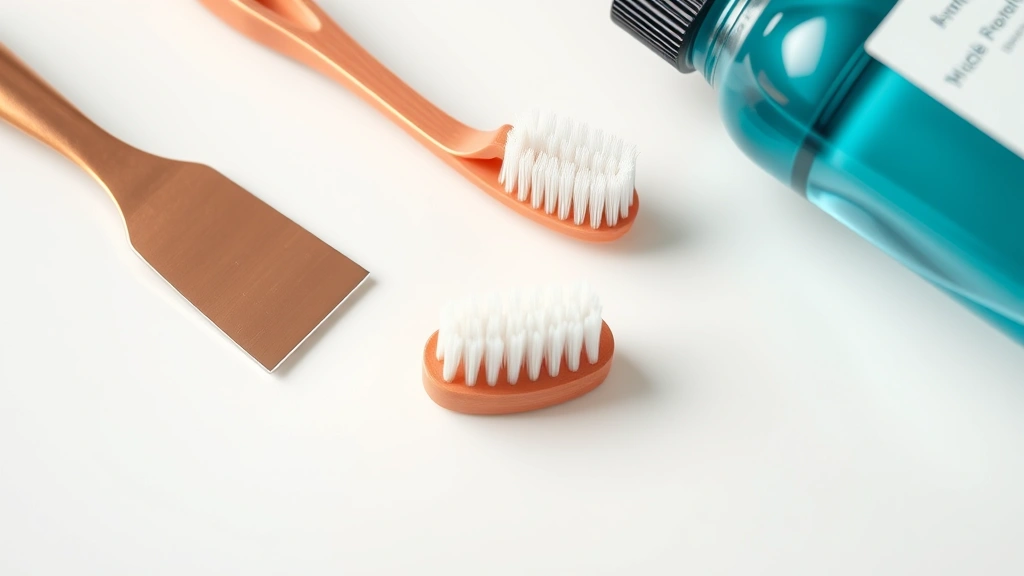
Tongue Scrapers: These are your best friend. Copper or stainless steel scrapers are ideal because they’re durable and easy to clean. Plastic ones work too, but they wear out faster. A good scraper costs between $5-15 and lasts for years.
Soft-Bristled Toothbrush: Your regular toothbrush can work in a pinch, but it’s not as effective as a scraper. The bristles don’t have the same leverage to remove buildup.
Mouthwash: Optional but helpful. Look for alcohol-free options if you’re sensitive—they’re gentler on your mouth tissue.
Tongue Brush: Some people prefer these hybrid tools that combine scraping and brushing. They’re effective if you like a two-in-one approach.
The 5-Step Cleaning Method
Step 1: Stick Out Your Tongue Look in the mirror and extend your tongue as far as comfortable. You want good visibility of the entire surface, especially the back where most buildup accumulates.
Step 2: Position Your Scraper Hold your tongue scraper at the very back of your tongue. If you’re using a scraper, position it so the curved edge contacts your tongue. The angle matters—you want about 45 degrees for maximum contact without discomfort.
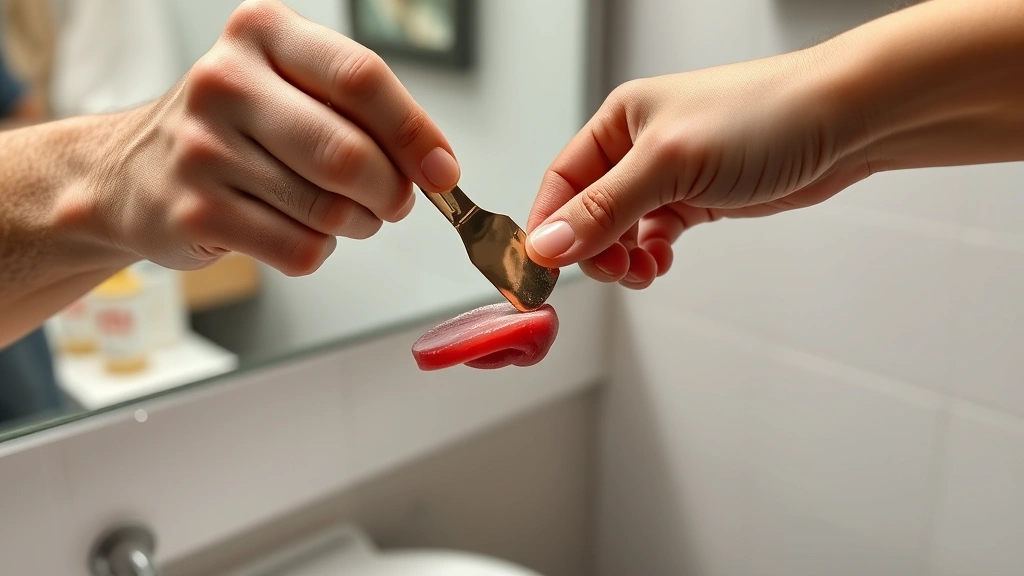
Step 3: Scrape Forward with Gentle Pressure This is crucial: use gentle, steady pressure. Pull the scraper forward toward the tip of your tongue in one smooth motion. Don’t saw back and forth like you’re trying to remove paint. One or two passes per area is plenty. If you’re using a toothbrush, use gentle circular motions instead.
Step 4: Rinse and Repeat Rinse your scraper under warm water and repeat the process 2-3 times. You’ll notice the coating diminishes with each pass. Rinse your mouth with water between passes if you want.
Step 5: Finish with Mouthwash Swish with mouthwash for 30 seconds to kill remaining bacteria and freshen your breath. This step is optional but recommended, especially if you’re dealing with persistent bad breath.
Tongue Scraper vs. Toothbrush
Let’s be honest: a tongue scraper beats a toothbrush for cleaning your tongue. Here’s why. Scrapers use a flat, curved edge that lifts and removes buildup in one motion. Toothbrush bristles push bacteria around rather than removing it efficiently. Studies show tongue scrapers remove about 30% more buildup than brushing alone. That said, if you only have a toothbrush available, use it—something is better than nothing. Just be gentle and use soft bristles. The bristles can irritate your tongue if you’re too aggressive, and you’ll end up defeating the purpose.
How Often Should You Clean
Aim for daily tongue cleaning, ideally twice a day—morning and night. Morning cleaning removes the buildup from sleeping (your mouth is basically a bacteria breeding ground at night), and evening cleaning prepares you for the next day. If you’re dealing with bad breath issues or oral thrush, you might benefit from cleaning three times daily. However, don’t overdo it. Cleaning more than three times daily can irritate your tongue tissue and cause sensitivity. Find your sweet spot and stick with it. Most people see the best results with a consistent morning-and-night routine.
Mistakes People Make
Don’t scrape too hard. This is the number-one mistake. Your tongue is sensitive tissue, and aggressive scraping causes irritation, bleeding, and soreness. You’re cleaning, not sanding. Another common error is only cleaning the front of your tongue. Most buildup happens toward the back, so make sure you’re reaching that area. People also forget to clean their scraper tool itself. Rinse it thoroughly after each use and let it air dry. A dirty scraper just reintroduces bacteria. Finally, don’t skip the rinsing step. You need to rinse your mouth with water or mouthwash to remove loosened debris. Just scraping and leaving it there defeats the purpose.
Natural Cleaning Options
If you prefer natural methods, you’ve got options. Salt water rinses are effective and gentle. Mix half a teaspoon of sea salt in warm water and rinse for 30 seconds. The salt has mild antibacterial properties. Baking soda mixed with water creates a gentle paste that can be used with a soft toothbrush for tongue cleaning. Oil pulling with coconut oil is popular in traditional medicine—swish it around for 10-15 minutes to reduce bacteria, though scientific evidence is limited. Turmeric paste has anti-inflammatory properties and can help with tongue health. Mix it with water to create a paste and gently brush your tongue. These natural options work reasonably well, but they’re generally less effective than mechanical scraping with a dedicated tool. Combine them with regular scraping for best results.
When to See a Professional
Most tongue cleaning is preventative maintenance you can handle yourself. However, see your dentist if you notice persistent white patches that don’t go away with cleaning—this could indicate oral thrush or other infections. If your tongue is swollen, painful, or has unusual bumps, get it checked out. Chronic bad breath that doesn’t improve with regular cleaning and tongue scraping might indicate a deeper issue. Bleeding gums or tongue tissue that bleeds easily during cleaning should be evaluated. Your dentist can identify problems like geographic tongue, fissured tongue, or oral lichen planus that require professional attention. Think of it like knowing when a workshop problem is beyond DIY—sometimes you need the expert.
Frequently Asked Questions
Can I use my toothbrush to clean my tongue?
Yes, but it’s not ideal. A soft-bristled toothbrush works, but a dedicated tongue scraper is more effective. Toothbrush bristles are designed for teeth, not the softer tissue of your tongue. If you only have a toothbrush available, use gentle circular motions and avoid aggressive scrubbing.
Will cleaning my tongue help bad breath?
Absolutely. Bad breath often originates from bacteria and buildup on your tongue. Regular tongue cleaning significantly reduces odor-causing bacteria. Combined with proper brushing and flossing, it’s one of the most effective bad breath solutions.
Is it normal for my tongue to bleed when I clean it?
Light bleeding occasionally happens, especially if you’re new to tongue scraping. However, if you’re bleeding every time, you’re scraping too hard. Use gentler pressure. If bleeding persists despite gentle cleaning, see your dentist—it could indicate gum disease or other issues.
What does a healthy tongue look like?
A healthy tongue is pink with a slight white coating that’s minimal. It should feel smooth without excessive bumps or sores. If you’re seeing thick white coating, yellow buildup, or unusual discoloration, increase your cleaning frequency and see your dentist if it doesn’t improve.
Can I clean my tongue too much?
Yes. Cleaning more than three times daily can irritate your tongue tissue and cause sensitivity or soreness. Stick with once or twice daily for optimal results without overdoing it.
Are tongue scrapers better than tongue brushes?
Both work, but traditional scrapers are slightly more effective at removing buildup. Tongue brushes are good if you prefer a softer approach. Choose based on comfort and what works best for your routine.
Final Thoughts
Cleaning your tongue is straightforward maintenance that takes maybe two minutes per session. The payoff is fresh breath, better oral health, and fewer bacteria in your mouth. Start with a basic tongue scraper—they’re cheap and effective—and make it part of your daily routine. Morning and night, just like brushing your teeth. Most people notice improvement in their breath within a week of starting regular tongue cleaning. It’s one of those small habits that delivers big results. Your mouth will thank you, and so will everyone standing near you during conversations. Don’t overlook this simple step; it’s the difference between a clean, healthy mouth and one that’s just getting by.


