
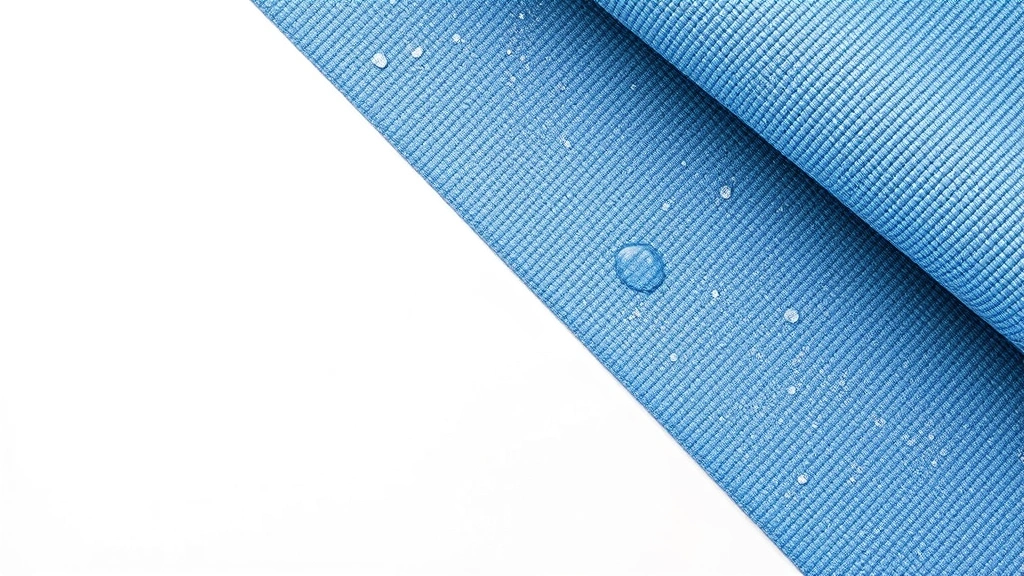
Learning how to clean yoga mat properly keeps your practice space fresh, hygienic, and extending the life of your mat by years. Whether you’re a daily practitioner or weekend warrior, a clean mat is essential for your health and your mat’s longevity.
Table of Contents
Why Mat Cleaning Matters
Your yoga mat is ground zero for sweat, bacteria, and dead skin cells. Every time you roll it out, you’re creating an environment where microbes thrive. Regular cleaning prevents odors, extends mat life, and protects your skin from breakouts and infections. Think of it like brushing your teeth—it’s preventive maintenance that pays dividends. A clean mat also performs better, providing proper grip and cushioning without that slippery, grimy feeling that develops over time.
Gather Your Supplies First
Before tackling your mat, round up the right tools. You’ll need warm water, mild dish soap or a yoga mat cleaner, a soft cloth or sponge, and a spray bottle. Some people prefer specialized mat cleaners from brands like Manduka or Jade, but honestly, simple dish soap works just fine for most situations. Avoid harsh chemicals—your mat isn’t a kitchen counter. If you want to get fancy, tea tree oil or vinegar solutions work great for natural cleaning. Have a clean towel ready for drying, and if you’re doing a full wash, access to a bathtub or outdoor space helps tremendously.
Spot Clean Problem Areas
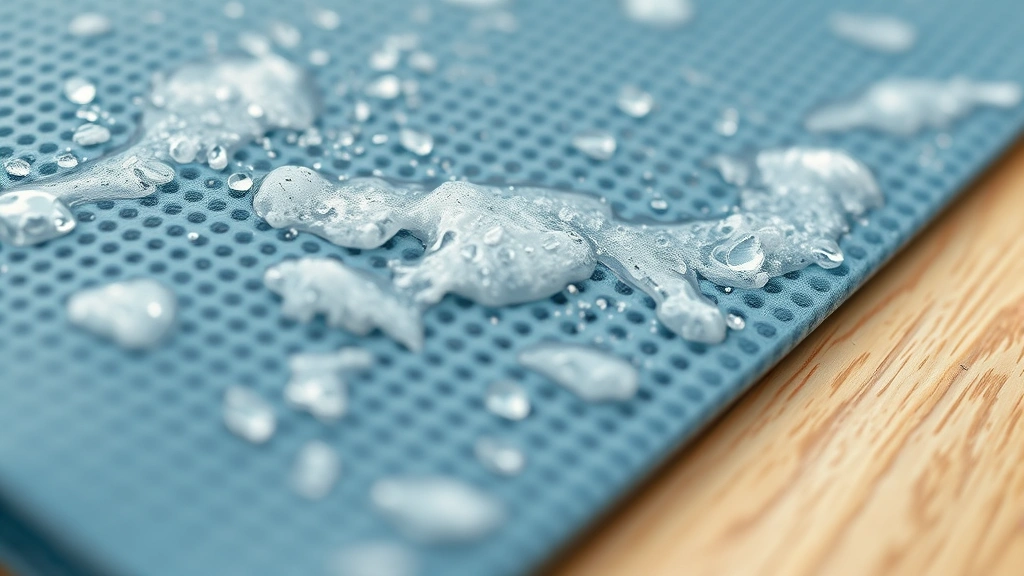
For quick maintenance between deeper cleans, spot cleaning is your friend. Mix a few drops of dish soap with warm water in your spray bottle and lightly mist the affected area. Use a soft cloth to gently rub the spot—don’t scrub aggressively, as you can damage the mat’s surface. Pay special attention to high-sweat zones like where your hands and feet contact the mat. This weekly habit takes five minutes and prevents buildup that becomes harder to remove later. If you notice stubborn stains, let the soapy water sit for a minute before wiping.
Full Wash Approach Works Best
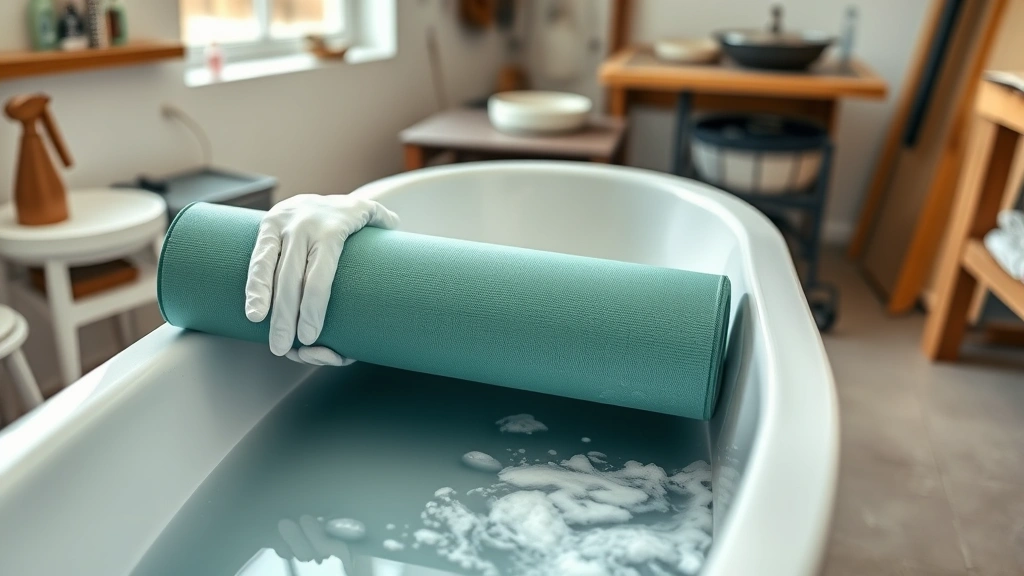
Once a month, give your mat the full treatment. Fill a bathtub with lukewarm water and add a small squirt of gentle dish soap or yoga mat cleaner. Submerge your mat and let it soak for 5-10 minutes—this loosens trapped sweat and debris. Use a soft cloth or soft-bristled brush to gently scrub both sides, paying attention to textured surfaces where grime hides. Work in circular motions rather than harsh back-and-forth strokes. Rinse thoroughly under running water until the water runs clear and you don’t see any soap residue. This thorough approach works better than surface spraying for deep cleaning. For those without a bathtub, you can lay the mat on a clean surface and use a hose with gentle pressure, though this uses more water.
Drying Techniques Matter
Improper drying causes mildew and odors, so don’t rush this step. After rinsing, gently squeeze excess water out—don’t wring it like a towel. Lay the mat flat on a clean, dry surface in a well-ventilated area. A sunny spot outdoors is ideal, as UV rays naturally kill bacteria. If indoors, position it near a fan or open window. Some people roll it in a clean towel to absorb moisture, then unroll it to finish air-drying. This typically takes 2-4 hours depending on humidity and airflow. Never roll up a damp mat or store it in a closed bag—this creates the perfect breeding ground for mildew. Your mat should be completely dry before rolling and storing.
Monthly Deep Clean Routine
Beyond the basic wash, a monthly deep clean keeps your mat in top condition. This involves the full soak and scrub method, but with added attention to edges and seams where bacteria love to hide. Use a soft toothbrush for tight spots. Some practitioners add a few drops of tea tree oil to the rinse water for its natural antimicrobial properties. After drying completely, store your mat in a breathable bag or simply roll it loosely. If your mat starts to develop a persistent odor, sprinkle baking soda on both sides, let it sit overnight, then vacuum it off before your next wash. This absorbs trapped odors naturally.
What to Avoid Completely
Don’t make common mistakes that damage your mat. Avoid bleach, harsh chemicals, and abrasive scrubbers—these break down the mat material and reduce cushioning. Never use a washing machine, as the agitation destroys the mat’s structure. Don’t dry-clean or use high heat, which can warp or shrink your mat. Skip fabric softeners and dryer sheets; these leave residue that makes your mat slippery. Avoid storing your mat in direct sunlight for extended periods, as UV exposure degrades rubber and foam over time. Keep it away from extreme heat sources like radiators or car trunks. Treating your mat gently during cleaning ensures it lasts 5-7 years instead of falling apart after one season.
Maintenance Schedule for Success
Develop a cleaning rhythm that fits your practice. Daily users should spot-clean weekly and deep-clean monthly. Casual practitioners can extend this to every two weeks for spot cleaning and every 6-8 weeks for full washing. After intense sweaty sessions, always do at least a quick spot clean. Store your mat rolled up in a cool, dry place—not in a damp gym bag or car. Consider keeping a small spray bottle of diluted dish soap and water in your yoga bag for post-practice quick cleanups. This prevents sweat from drying and becoming harder to remove. A consistent schedule beats sporadic deep cleans, as prevention is always easier than remediation.
Frequently Asked Questions
Can I use bleach to clean my yoga mat?
No—bleach is too harsh and will damage the mat material, causing discoloration and degradation. Stick with mild dish soap or specialized yoga mat cleaners designed to be gentle on rubber and foam.
How often should I clean my yoga mat?
Spot clean weekly and do a full wash monthly for regular users. If you practice daily or in hot yoga studios with heavy sweating, increase to bi-weekly spot cleaning. Casual users can extend this to every 6-8 weeks for deep cleaning.
Is it okay to machine wash my yoga mat?
Absolutely not. Washing machines agitate and damage the mat’s structure, destroying cushioning and causing tears. Always hand wash using the methods described above.
What’s the best way to eliminate yoga mat odor?
Sprinkle baking soda on both sides, let it sit overnight, then vacuum thoroughly before your next wash. For persistent odors, add a few drops of tea tree oil to your rinse water during deep cleaning.
Can I dry my mat in the dryer?
No—heat damages the material and can cause warping or shrinking. Always air-dry flat in a well-ventilated area, preferably in sunlight, which naturally kills bacteria.


