
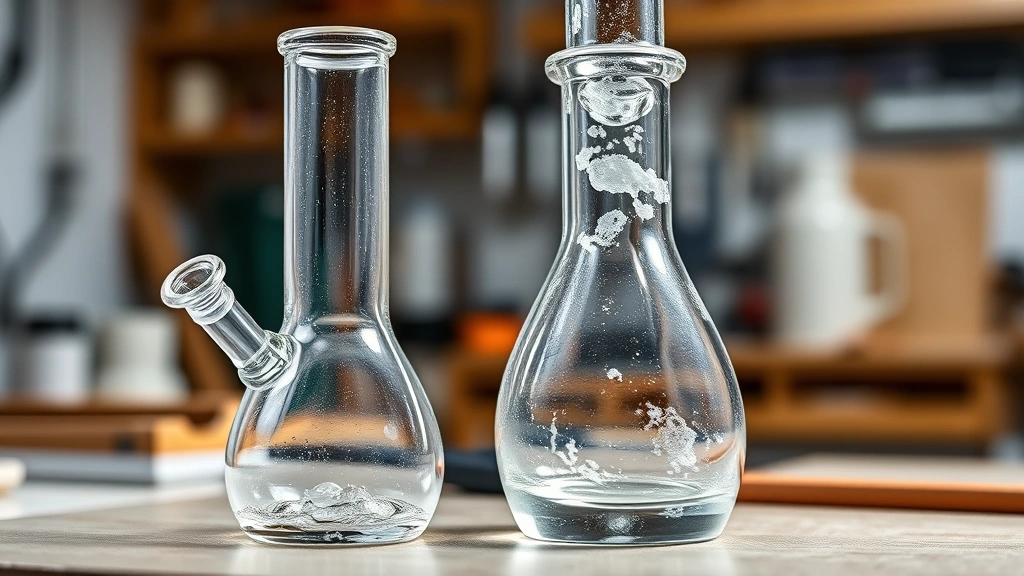
Learning how to clean weed pipe is one of those essential skills that separates casual users from folks who actually care about their gear. A clean pipe doesn’t just taste better—it hits smoother, lasts longer, and honestly, it’s just more respectful to your equipment. Whether you’ve got a glass piece that’s seen better days or a ceramic pipe caked with buildup, we’ve got the methods that actually work.
Table of Contents
Why Cleaning Your Pipe Matters
Before we dive into the nitty-gritty, let’s talk about why this actually matters. Residue buildup—we’re talking about tar, ash, and plant matter—affects flavor, airflow, and the overall smoking experience. A clogged pipe forces you to work harder to pull, which means hotter smoke and a harsher hit. Plus, old buildup can harbor bacteria and mold, which is genuinely not great for your lungs.
Think of it like maintaining a workshop tool. You wouldn’t leave a brush sitting in dried paint, right? Same principle applies here. Regular cleaning extends the life of your pipe, keeps it functioning at peak performance, and honestly, it just feels better when you’re using something clean.
Method 1: Isopropyl Alcohol & Salt
This is the gold standard for pipe cleaning, and it’s what most experienced users swear by. The combination works because isopropyl alcohol dissolves resin while salt acts as a gentle abrasive—kind of like how you’d use sandpaper in a woodworking project, except way gentler on your glass.
What you’ll need:
- 90% or higher isopropyl alcohol (the higher the concentration, the better)
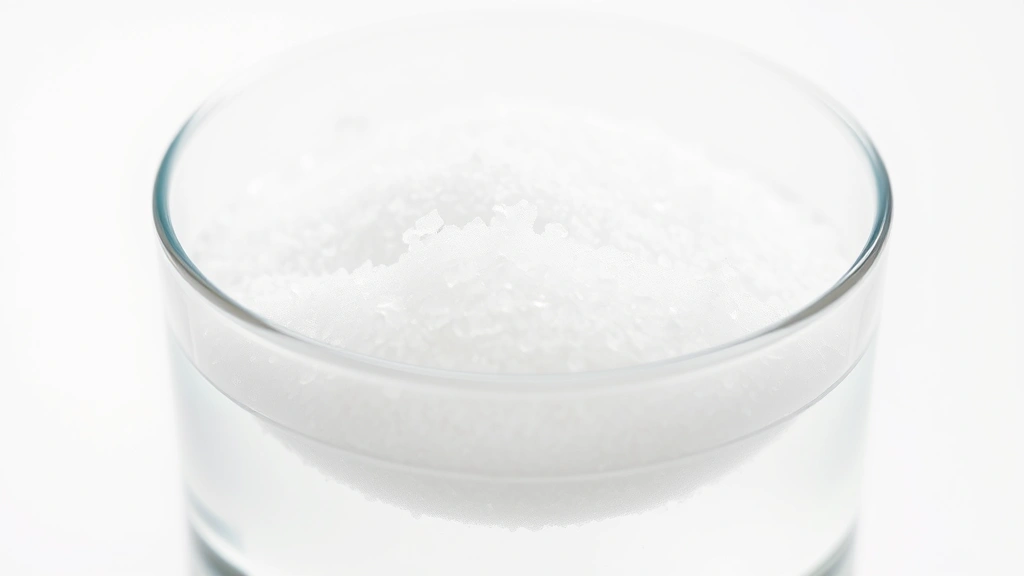
- Coarse salt (rock salt or sea salt works great)
- Ziplock bag or container
- Hot water
- Pipe cleaners or cotton swabs
The process:
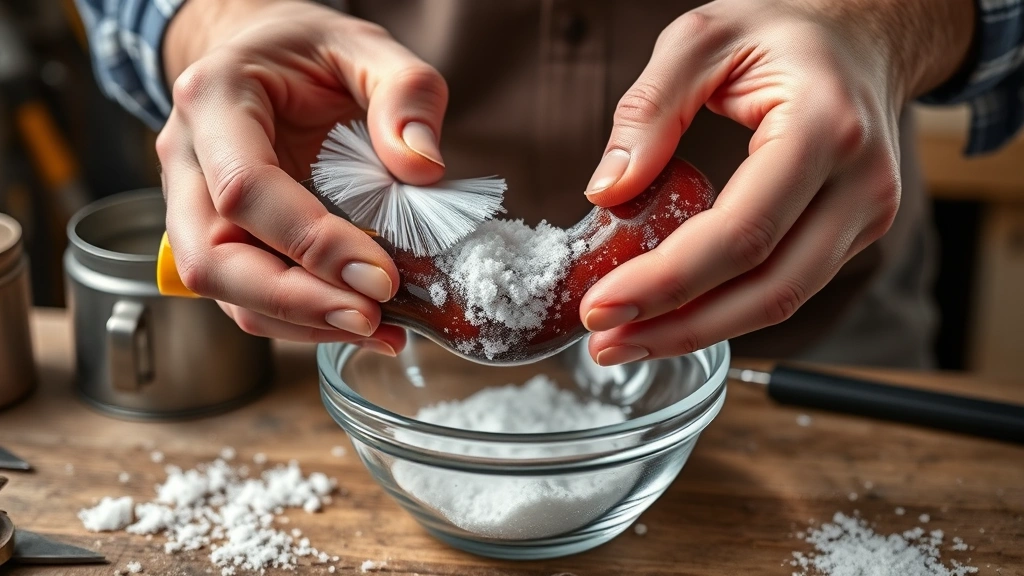
Start by rinsing your pipe with hot water to loosen any loose debris. Pour about a quarter cup of isopropyl alcohol into your ziplock bag, then add a generous handful of salt—we’re talking enough that it’s clearly visible. Drop your pipe in and seal it up. Now here’s where patience comes in: shake it hard for about 5-10 minutes. You’ll feel the salt grinding against the glass, breaking down that stubborn resin. For really nasty pipes, let it soak for 30 minutes first, then shake.
After shaking, use pipe cleaners dipped in alcohol to scrub the interior. For tight spots, cotton swabs work like a charm. Rinse thoroughly with hot water until you can’t smell the alcohol anymore. The whole process usually takes 15-20 minutes depending on buildup severity.
Method 2: The Boiling Water Approach
If you don’t have isopropyl alcohol on hand, boiling water is your backup plan. This method works best for glass pipes and is gentler than you’d think. The heat softens the resin, making it easier to dislodge.
Here’s the setup:
Fill a pot with water and bring it to a rolling boil. Carefully place your pipe in the water—use tongs or a slotted spoon so you don’t burn yourself. Let it sit for 10-15 minutes. The resin will start to soften and may even float to the surface as little bits. You can help things along by gently rotating the pipe or using a soft brush to loosen stubborn spots.
Remove the pipe carefully (it’ll be hot!) and let it cool slightly. Once it’s cool enough to handle, use hot water and a pipe cleaner to scrub out the loosened residue. This method might require a couple of rounds if the buildup is heavy, but it’s free and uses stuff you already have in your kitchen.
Fair warning: Don’t use this method on acrylic or plastic pipes—they’ll warp or melt. Glass and ceramic only.
Method 3: White Vinegar Soak
White vinegar is an underrated cleaning powerhouse. The acetic acid dissolves mineral deposits and resin buildup without the harsh chemical smell of isopropyl alcohol. This method is slower than the alcohol-and-salt approach, but it’s gentler and works surprisingly well.
Pour white vinegar into a container and submerge your pipe completely. Let it sit for 2-4 hours, or overnight for really stubborn buildup. The vinegar will gradually dissolve the resin. After soaking, use a pipe cleaner or soft brush to scrub away loosened material, then rinse thoroughly with hot water.
You can speed this up by heating the vinegar slightly before soaking—not boiling, just warm enough to be uncomfortable to touch. The heat activates the acid and cuts through resin faster. This method is perfect if you’re sensitive to alcohol fumes or just prefer a more natural approach.
Method 4: Commercial Cleaning Solutions
There are purpose-built pipe cleaning products on the market, and some of them are genuinely excellent. Brands like Formula 420 and Randy’s Black Label are specifically formulated to break down resin without damaging glass or other materials.
Follow the manufacturer’s instructions—they vary by product. Generally, you’ll soak your pipe for 15-30 minutes, shake it with the cleaner, and rinse. These solutions are convenient if you clean pipes frequently, and they often include additives that leave your pipe smelling fresh. The tradeoff is cost—you’re paying for convenience and specialized formulation.
Method 5: Pipe Cleaners & Brushes
Sometimes you don’t need chemicals at all. For light buildup or regular maintenance, good old-fashioned pipe cleaners and small brushes can do the job. This is similar to how you’d clean a mouth guard—gentle mechanical action without solvents.
Use thin pipe cleaners for narrow stems and wider brushes for bowls. Dip them in hot water and scrub thoroughly. For stubborn spots, combine this with a light coating of alcohol or vinegar on the brush. This method takes longer than chemical approaches, but it’s perfect for weekly touch-ups between deep cleans.
Maintenance Between Cleanings
The best way to reduce cleaning frequency is to maintain your pipe regularly. Empty the bowl completely after each use—don’t let ash and residue sit in there. A quick rinse with hot water right after use prevents buildup from hardening.
Store your pipe in a cool, dry place. Keeping it upright helps prevent liquid from pooling inside. If you use your pipe daily, a weekly rinse with hot water and a pipe cleaner keeps things fresh without needing a full deep clean.
What NOT to Do
Here are the mistakes that’ll damage your pipe or waste your time:
- Don’t use bleach or ammonia: These are too harsh and can damage glass or leave toxic residue
- Don’t use abrasive scrubbers: Steel wool or harsh scouring pads will scratch glass and ceramic
- Don’t boil acrylic or plastic: They’ll warp or melt—stick to glass and ceramic for heat methods
- Don’t use super-hot water on cold glass: Rapid temperature changes can cause thermal shock and cracking
- Don’t force stuck pieces: If something’s really stuck, soak longer rather than applying force
Proper Drying & Storage
After cleaning, drying is crucial. Wet pipes can develop mold or mildew if stored improperly. Pat the exterior dry with a clean cloth, then stand the pipe upright in a well-ventilated area. If water is trapped inside the bowl or stem, use compressed air or a hair dryer on low heat to dry it out completely.
Once fully dry, store in a cool, dark place away from direct sunlight. Glass can become brittle over time if exposed to constant UV light. A soft cloth or padded case protects your pipe from accidental bumps and dust.
Frequently Asked Questions
How often should I clean my pipe?
If you use your pipe daily, do a quick rinse weekly and a deep clean every 2-3 weeks. Light users can get away with monthly deep cleans. The key is emptying it completely after each use and not letting residue harden.
Can I use rubbing alcohol instead of isopropyl?
Isopropyl alcohol is better because it evaporates faster and leaves less residue. Rubbing alcohol often contains water and other additives. If isopropyl is all you can find, use it, but make sure it’s at least 70% concentration.
What if my pipe has really thick, stuck-on buildup?
Start with a long soak in vinegar or alcohol (overnight if needed), then try the boiling water method. For stubborn spots, the alcohol-and-salt shake method with extended soaking usually breaks through. Patience beats force every time.
Is it safe to use isopropyl alcohol on all pipe materials?
Isopropyl alcohol is safe for glass and ceramic. For wooden pipes, use vinegar or just hot water and brushes—alcohol can dry out the wood. Always check your specific pipe’s material first.
Can I reuse the alcohol-salt mixture?
Absolutely. The mixture gets dirtier with each use but stays effective. Store it in a sealed jar and reuse until it’s completely black and gunky. Then dispose of it properly—don’t pour it down the drain.
How do I know if my pipe is completely clean?
Look through the stem and bowl toward a light source. You should see clear glass or ceramic with no visible residue. If light passes through cleanly, you’re good to go. You can also smell it—a clean pipe has no smell or just smells like the material itself.
Pro tip: If you’re interested in maintaining other items properly, check out our guide on how to clean mouth guard—similar principles apply to keeping personal gear in top shape. For storage considerations, understanding how to store dry ice teaches you about proper temperature control in general. And if you’re curious about drying times for other household projects, our articles on how long does it take paint to dry and how long does caulk take to dry cover similar concepts. For those interested in precision application techniques, how to spray cologne demonstrates proper spray technique methodology.
Final Thoughts
Knowing how to clean weed pipe properly is a skill that pays dividends every single time you use your piece. Whether you go with the isopropyl-and-salt method, boiling water, vinegar, or commercial cleaners, the key is consistency and patience. A clean pipe performs better, tastes better, and lasts longer.
Start with whichever method sounds easiest for you, then experiment to find your favorite. Most experienced users end up rotating methods depending on what they have on hand and how much time they’ve got. The important thing is that you’re not letting buildup get out of control.
Your pipe is an investment—treat it like one. Regular maintenance takes minutes and saves you from dealing with caked-on residue later. Happy smoking, and keep that pipe clean.


