
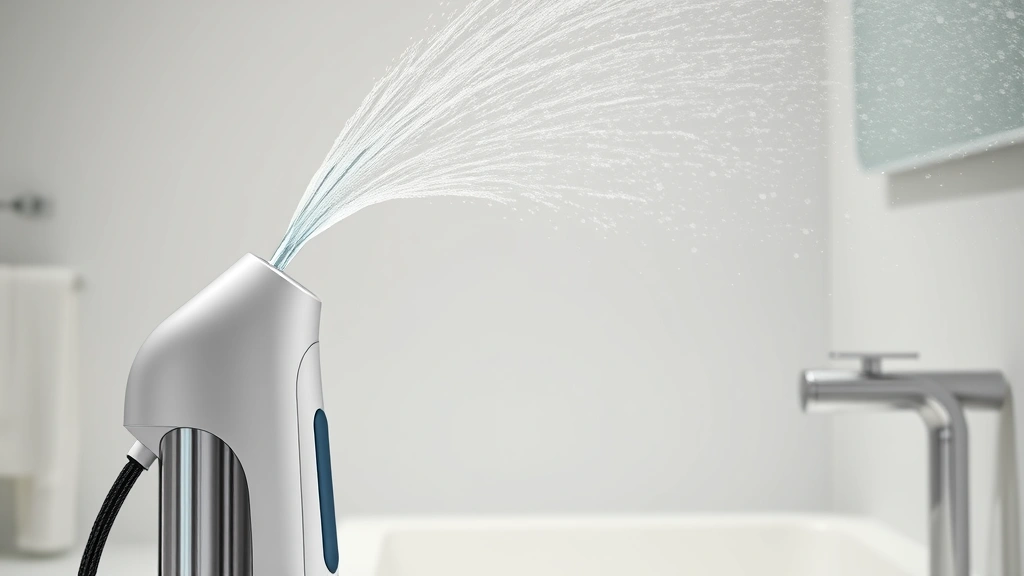
Learning how to clean waterpik is one of those maintenance tasks that takes five minutes but saves you hundreds in repairs and keeps your oral care game sharp. Your Waterpik is basically a precision instrument—treat it right, and it’ll perform like a champ for years. Neglect it, and you’re looking at mineral buildup, mold, and a device that sputters like a broken water fountain.
Table of Contents
Why Cleaning Matters
Your Waterpik works by forcing water through tiny jets at high pressure. That’s brilliant for blasting food debris between teeth, but it also means mineral deposits love to set up camp in those narrow passages. Hard water is the culprit here—calcium and magnesium build up faster than you’d think. After a few weeks without proper cleaning, you’ll notice the water pressure dropping. After a few months, you might get mold growing in that dark, damp reservoir. Not exactly the fresh-breath experience you were going for.
Regular cleaning prevents all this drama. It keeps water pressure consistent, extends your device’s lifespan, and ensures you’re actually getting the cleaning power you paid for. Think of it like maintaining a power drill—a little upkeep prevents expensive replacements.
Gather Your Supplies
Before you start, grab these items from around your house or a quick store run:
- White vinegar (the MVP for mineral dissolution)
- Distilled water (to refill after cleaning)
- Soft-bristled toothbrush (old one works perfect)
- Small bowl or cup (for soaking)
- Paper towels or lint-free cloth
- Pipe cleaner or thin brush (optional but helpful)
You don’t need fancy cleaning solutions. Vinegar and water do the heavy lifting. If you want to dig deeper into DIY cleaning solutions, check out our homemade laundry detergent recipe for inspiration on making your own cleaning products—same principle applies here.
Empty the Reservoir First
Start with an empty tank. If your Waterpik still has water in it, empty it completely into the sink. Don’t skip this step—stale water sitting in the reservoir is where mold parties happen. Once it’s empty, fill it halfway with white vinegar and the other half with distilled water. This mixture is your secret weapon for breaking down mineral buildup without damaging the device’s internal components.
Let the vinegar solution sit in the reservoir for about 30 minutes. You don’t need to run it yet—just let the acidity work on those mineral deposits. If you’ve got heavy buildup (you’ll know because the water pressure is basically a sad trickle), let it soak for up to an hour.
Disassemble All Components
Most Waterpik models come apart easily—check your manual to see which pieces are removable. Typically, you can separate:
- The water reservoir
- The handle/main body
- The tip/nozzle
- Any caps or covers
Gently twist or pull apart the pieces. Don’t force anything—these are precision tools, not brute-force equipment. Lay all the parts on a clean towel so you know where everything is. This is also a good time to inspect the rubber seals and gaskets. If they look cracked or dried out, that’s a sign you need a replacement kit (most manufacturers sell these cheap).
Soak Away Mineral Deposits
Now that you’ve got the vinegar solution sitting in the reservoir, it’s time to run it through the system. Reassemble the device temporarily (just enough to run it), then activate it over a sink for about 30 seconds. You’re basically flushing the vinegar solution through all the internal passages. This is where the real cleaning happens—the vinegar dissolves mineral buildup that’s been choking your water pressure.
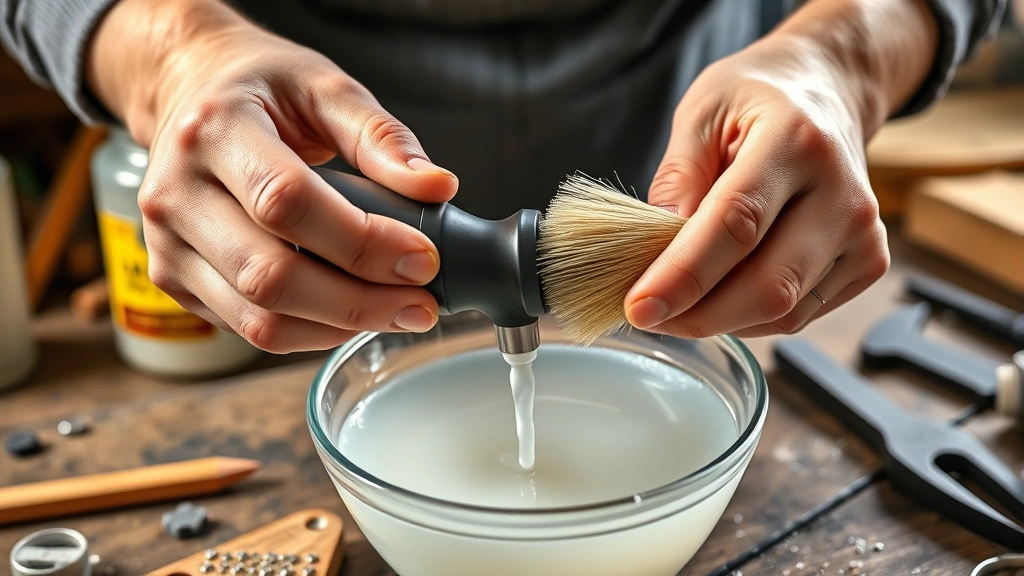
After that initial flush, disassemble again and let the individual nozzles soak in a small cup of the vinegar solution for 15-20 minutes. These tips are where the most mineral accumulation happens, so giving them dedicated soak time pays dividends. You should see the water coming out clearer and the pressure noticeably stronger afterward.
Clean Nozzles Thoroughly
The nozzles are the most critical part to clean properly. After soaking, use a soft-bristled toothbrush to gently scrub around the tip opening. If you’ve got a pipe cleaner or thin brush, thread it through the nozzle opening to dislodge any stubborn deposits. Be gentle here—the tip is precision-engineered, and you don’t want to damage the jet opening.
Rinse each nozzle under running distilled water. Tap water at this point is fine, but distilled water ensures you’re not reintroducing minerals. If you see white crusty stuff still stuck, dip the nozzle back in vinegar for another few minutes and repeat the brush scrubbing. Persistence wins here.
Reassemble and Test Run
Once everything is clean and dry, reassemble your Waterpik. Fill the reservoir with fresh distilled water (not tap water—that mineral-rich stuff defeats the purpose). Before you use it on your teeth, run it over the sink for 10-15 seconds to flush out any remaining vinegar residue. You want distilled water as your first run-through.
Now test it on your teeth. You should notice the pressure is stronger and more consistent than before. If it’s still weak, you might have mineral buildup in the handle itself—in that case, repeat the vinegar soak for the assembled device and run it again. Sometimes stubborn deposits need extra time to dissolve.
Maintenance Schedule Tips
Don’t wait until your Waterpik is practically dead to clean it. Here’s a realistic maintenance schedule:
- Weekly: Empty the reservoir after each use. Leaving water sitting is mold’s invitation to move in.
- Monthly: Do a full vinegar soak and cleaning like we just walked through. Takes 30 minutes, saves your device.
- Every 3 months: Replace the nozzle tips. They’re cheap, and worn tips lose effectiveness.
- Every 6 months: Deep clean the entire handle and motor area with the vinegar solution.
If you live in a hard water area (check your local water report—most areas have this data online), bump up the frequency. Hard water means more mineral buildup, so you might need to clean every two weeks instead of monthly. It’s a small investment in time that keeps your device performing like new.
Frequently Asked Questions
Can I use tap water in my Waterpik?
Technically yes, but it’s not ideal. Tap water contains minerals that accumulate over time. If you must use tap water, clean your device more frequently (every 2 weeks instead of monthly). Distilled water is cheap and eliminates this problem entirely.
What if vinegar smell lingers?
Run distilled water through the device 2-3 times to flush out the vinegar smell. You can also fill the reservoir with distilled water and a drop of essential oil (mint or lemon work great), run it briefly, then flush with plain water. The smell will disappear within a day or two anyway.
Can I use denture tablets to clean my Waterpik?
Yes, denture tablets work similarly to vinegar. Dissolve one tablet in water and soak your nozzles for 30 minutes. Some people prefer this method because there’s no vinegar smell. Just make sure to rinse thoroughly afterward with distilled water.
How do I know if my Waterpik needs cleaning?
Watch for these signs: water pressure dropping noticeably, visible white deposits on the nozzle, sputtering or inconsistent water flow, or a musty smell from the reservoir. Any of these means it’s cleaning time.
Is it safe to soak the entire device in vinegar?
Check your manual first. Most modern Waterpiks are water-resistant enough to handle this, but older models might have electronics that don’t appreciate prolonged vinegar soaking. When in doubt, just soak the nozzles and reservoir separately, not the motor housing.
Can I use bleach to clean my Waterpik?
No. Bleach is too harsh and can damage the rubber seals and internal components. Vinegar and water do the job without the risk. If you’re worried about mold, the vinegar solution handles that—the acidity kills mold spores.
How long should a Waterpik last?
With proper maintenance, 3-5 years is typical. Some people get 7+ years out of theirs. The difference is usually cleaning frequency. A device that gets cleaned monthly will outlast one that never gets maintained. It’s the same logic as changing your car’s oil—small effort, big payoff.
For more tips on maintaining household items and tackling DIY projects, explore our guides on how to disconnect a car battery and how to right click on a chromebook for the same kind of practical, no-nonsense approach to maintenance.
Final Thoughts
Knowing how to clean waterpik properly is honestly one of those skills that takes minimal effort but delivers maximum results. You’re looking at 30 minutes of work per month to keep your device performing at peak efficiency. That’s less time than watching a TV episode, and you get years of reliable oral care in return.
The key takeaway: don’t wait until your Waterpik is struggling. Stay ahead of mineral buildup with regular vinegar soaks, empty the reservoir after each use, and replace nozzles every few months. Your teeth will thank you, your device will last longer, and you’ll never deal with the frustration of weak water pressure or mold growth. That’s the workshop-buddy wisdom right there.


