
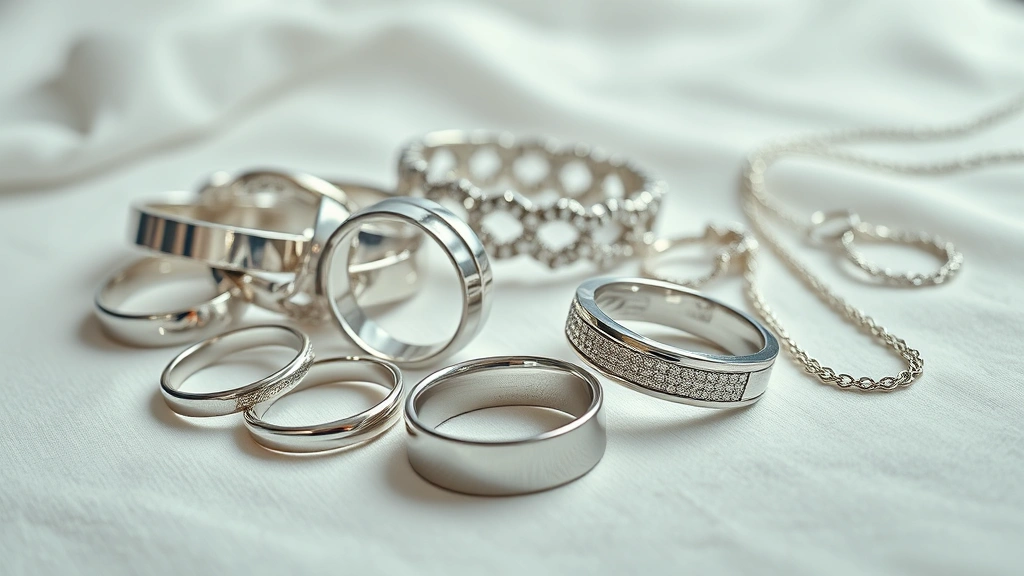
If you’re wondering how to clean tarnished jewelry, you’re not alone—that dull, dark coating on your favorite silver necklace or heirloom ring is one of the most common jewelry headaches. The good news? You don’t need expensive professional cleaning or harsh chemicals. I’ve tested every method from baking soda pastes to aluminum foil tricks, and I’m sharing exactly what works, what doesn’t, and when to call in the pros.
Table of Contents
- Why Jewelry Tarnishes in the First Place
- The Baking Soda Paste Method
- Aluminum Foil and Baking Soda Soak
- White Vinegar and Salt Solution
- Lemon Juice and Cream of Tartar
- When to Use Commercial Jewelry Cleaners
- Prevention: Keep Your Jewelry Shining
- Special Considerations for Delicate Pieces
- Frequently Asked Questions
- Final Thoughts
Why Jewelry Tarnishes in the First Place
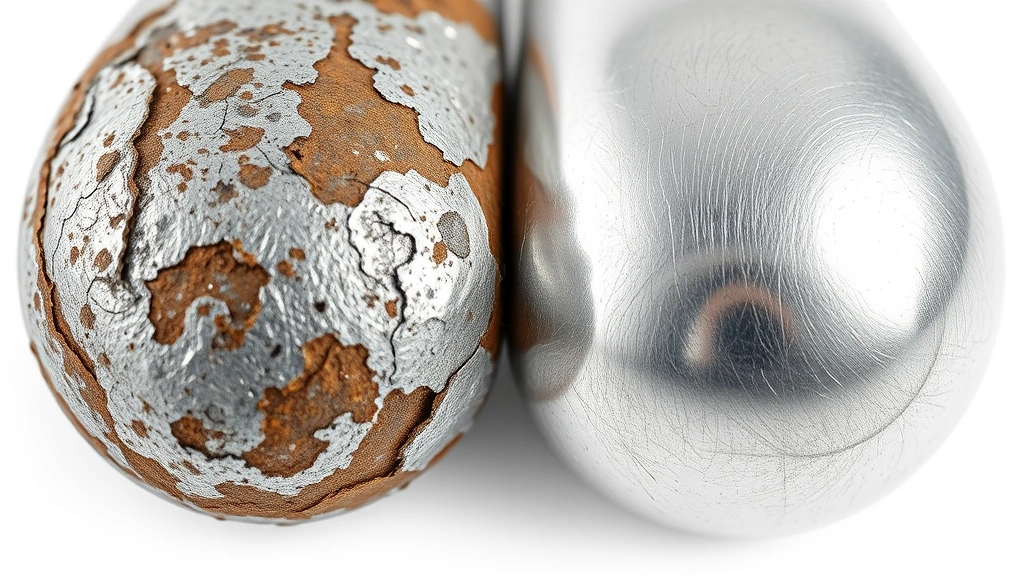
Before we jump into cleaning, let’s understand what’s actually happening to your jewelry. Tarnish isn’t dirt—it’s a chemical reaction. When silver (or silver-plated items) comes into contact with sulfur compounds in the air, moisture, or certain materials, it forms silver sulfide, that dark, stubborn coating you’re seeing. It’s the same reason old silverware gets that murky look. The good news is that tarnish is only a surface issue and doesn’t damage the underlying metal, making it totally reversible with the right approach.
The Baking Soda Paste Method
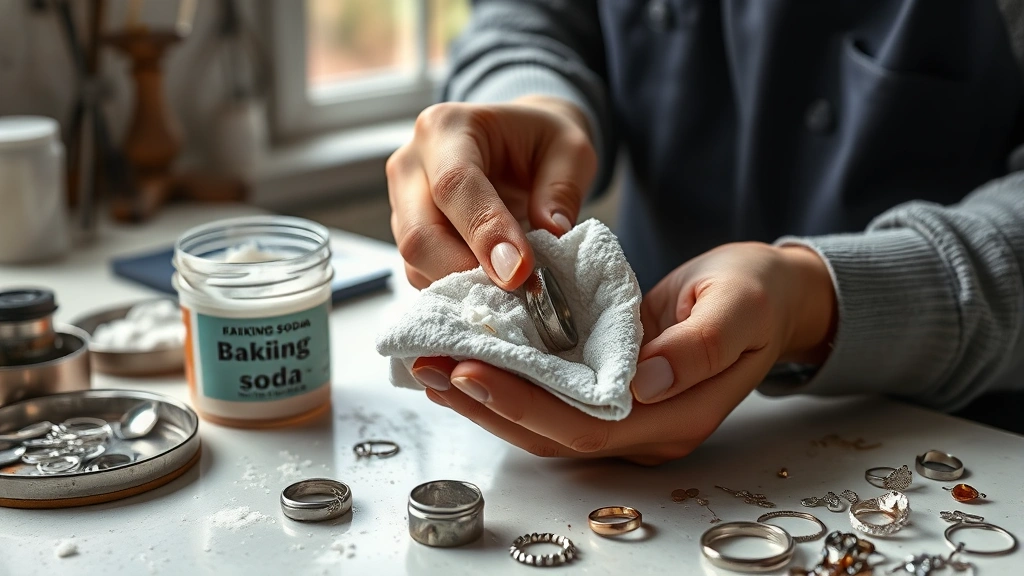
This is my go-to for everyday tarnish, and honestly, it’s hard to beat. Here’s what you need: baking soda, water, and a soft cloth. Mix baking soda with just enough water to create a thick paste—think toothpaste consistency. Dip an old toothbrush or soft cloth into the paste and gently rub the tarnished areas in circular motions. For delicate pieces, skip the brush and use only your fingers with the cloth. Rinse thoroughly under warm running water and dry immediately with a soft microfiber cloth. The beauty of this method is that it’s gentle enough for most jewelry but effective enough to handle moderate tarnish. I’ve used this on silver rings, bracelets, and even costume jewelry without any issues.
Aluminum Foil and Baking Soda Soak
This method sounds like kitchen chemistry, but it works because of an electrochemical reaction. Line a bowl with aluminum foil (shiny side up) and fill it with hot water. Add a tablespoon of baking soda and stir until dissolved. Drop your tarnished jewelry into the solution and let it soak for 5-15 minutes, depending on how bad the tarnish is. You’ll actually see the tarnish transfer from your jewelry to the foil—it’s oddly satisfying. Remove the jewelry, rinse it under cool water, and dry it completely. This method is fantastic for heavily tarnished pieces because it requires minimal scrubbing. Just avoid using this on jewelry with gemstones or delicate settings, as the hot water and chemical reaction can loosen stones or damage certain materials. If you’re interested in understanding more about chemical cleaning processes, check out our guide on how to clean battery terminals, which uses similar electrochemical principles.
White Vinegar and Salt Solution
If you’ve got white vinegar and salt in your kitchen, you’ve got a tarnish cleaner. Mix equal parts white vinegar and salt in a small dish to create a paste. Soak your jewelry for a few hours, or apply the paste directly and let it sit for 15-30 minutes. The acidity of the vinegar combined with the abrasive salt creates a powerful cleaning duo. Rinse thoroughly and dry immediately. This method works well for silver but can be a bit harsh on delicate pieces or jewelry with intricate details. I typically reserve this for sturdy silver items like flatware or chunky bracelets. The smell isn’t pleasant, so work in a ventilated area.
Lemon Juice and Cream of Tartar
For a gentler approach that still packs a punch, mix fresh lemon juice with cream of tartar to form a paste. Apply to tarnished areas and let sit for 5-10 minutes. Gently rub with a soft cloth, rinse with warm water, and dry thoroughly. This method is less abrasive than salt-based solutions and works surprisingly well on moderate tarnish. The citric acid in lemon juice dissolves tarnish without the aggressive scrubbing required by other methods. This is my preferred choice for vintage or delicate jewelry because it’s effective but gentle.
When to Use Commercial Jewelry Cleaners
Sometimes the DIY route isn’t the best option. Commercial jewelry cleaners like Tarnex or Hagerty are formulated specifically for different metals and can be more effective on stubborn tarnish. These products typically come in liquid form and work quickly—sometimes in just a few minutes. The downside? They contain chemicals that require careful handling and proper ventilation. I use commercial cleaners when I’m dealing with heavily tarnished heirloom pieces or when DIY methods haven’t worked after a fair try. Always follow the manufacturer’s instructions carefully and never mix different cleaning products, as this can create dangerous chemical reactions. For more information on proper cleaning techniques, the FDA website has resources on safe chemical handling practices.
Prevention: Keep Your Jewelry Shining
The best way to deal with tarnish is to prevent it in the first place. Store your jewelry in airtight containers or ziplock bags—the less exposure to air and moisture, the slower tarnish forms. Silica gel packets in your jewelry box help absorb moisture. Wear your jewelry regularly; the natural oils on your skin actually help prevent tarnish. Remove jewelry before showering, swimming, or doing household chores, as water and cleaning chemicals accelerate tarnishing. Keep your jewelry away from perfumes, lotions, and hairsprays, which contain chemicals that can speed up the tarnishing process. If you’re storing pieces long-term, wrap them in acid-free tissue or anti-tarnish cloth. Think of it like maintaining a clean workspace—a little preventive care saves massive cleanup later.
Special Considerations for Delicate Pieces
Not all jewelry is created equal, and some pieces require extra care. Antique jewelry, pieces with gemstones, and items with intricate details demand gentler methods. Always test any cleaning solution on an inconspicuous area first. Avoid ultrasonic cleaners if your jewelry has loose stones or delicate settings. For pieces with gemstones, use only the baking soda paste method or lemon juice approach, and skip the soaking methods entirely. Pearls and opals are especially vulnerable—never use acidic solutions or abrasive methods on these. If you’re uncertain about a piece’s construction or materials, consult a professional jeweler. It’s worth spending a few bucks to protect something irreplaceable. Similar to how you’d approach delicate surfaces like hardwood floors, jewelry cleaning requires matching the method to the material.
Frequently Asked Questions
Is tarnish permanent?
No, tarnish is completely reversible. It’s only a surface chemical reaction, not damage to the underlying metal. Even heavily tarnished pieces can be restored to their original shine with the right cleaning method.
Can I use toothpaste to clean jewelry?
I’d avoid regular toothpaste because it contains abrasives designed for tooth enamel, which can scratch softer metals and gemstones. Baking soda paste is a safer alternative that’s actually gentler.
How often should I clean my jewelry?
This depends on how often you wear it and where you live. If you wear pieces daily, a gentle cleaning every 2-3 months is usually sufficient. If you store jewelry long-term, check it every few months and clean as needed.
Will these methods damage my jewelry?
When done correctly, these DIY methods are safe for most sterling silver and silver-plated jewelry. However, always test on a small area first and avoid using harsh methods on delicate pieces with gemstones.
What’s the fastest way to clean tarnished jewelry?
The aluminum foil and baking soda soak is typically the fastest for heavy tarnish, taking just 5-15 minutes. For quick touch-ups, the baking soda paste method is speedy and effective.
Can I use these methods on gold jewelry?
Gold doesn’t tarnish the same way silver does, but these methods can still work for removing buildup. However, gold is softer than silver, so use gentler methods like the lemon juice and cream of tartar paste, and avoid vigorous scrubbing.
Final Thoughts
Learning how to clean tarnished jewelry is a practical skill that saves money and keeps your favorite pieces looking beautiful. Whether you choose the simple baking soda paste, the electrochemical aluminum foil method, or a commercial cleaner, you’ve got proven options that work. The key is matching the method to your jewelry’s material and condition, testing first on inconspicuous areas, and drying thoroughly after cleaning. Start with the gentlest method that fits your tarnish level, and work your way up if needed. Most importantly, implement prevention strategies so you’re not constantly battling tarnish. Your jewelry will thank you with years of shine and sparkle. For more detailed guidance on cleaning and maintenance techniques across different surfaces and materials, check out resources from This Old House and Bob Vila, which cover comprehensive home and personal care maintenance strategies.


