
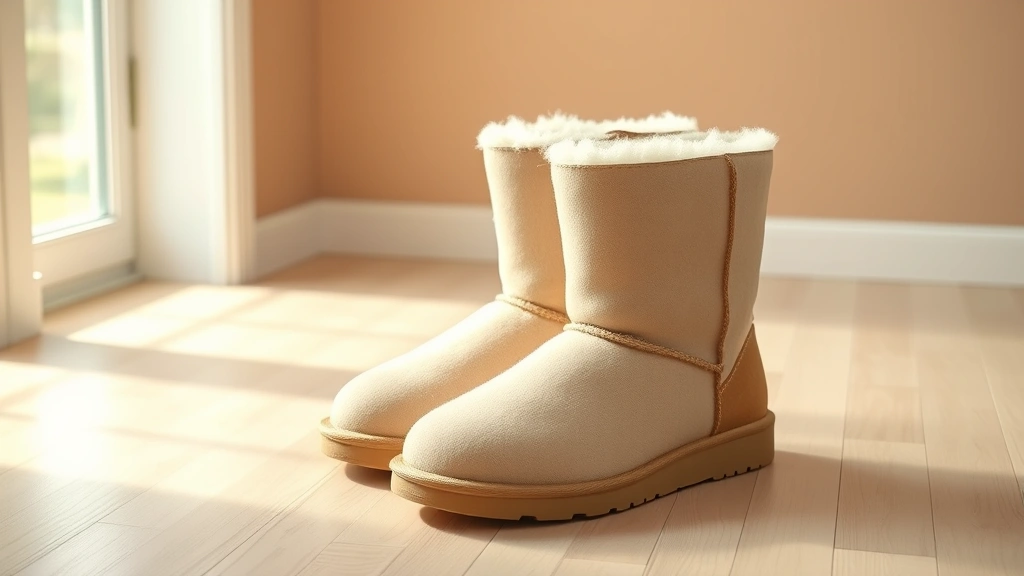
Learning how to clean Uggs is essential if you want your beloved boots to stay looking fresh and last for years. These iconic sheepskin boots are an investment worth protecting, and the good news is that keeping them pristine doesn’t require expensive professional cleaning or complicated techniques. With the right approach and a few household items, you can restore your Uggs to like-new condition and prevent permanent damage from dirt, stains, and weather.
Table of Contents
Gather Your Cleaning Supplies
Before you start on how to clean Uggs, round up the right materials. You’ll need a soft-bristled brush (an old toothbrush works in a pinch), white vinegar, baking soda, a clean white cloth, and lukewarm water. Grab a small bowl for mixing and have paper towels standing by. The beauty of this approach is that most of these items are already sitting in your kitchen. For tougher jobs, consider picking up a specialized sheepskin cleaner—brands like UGG’s own cleaning kit are specifically formulated for suede and sheepskin without stripping natural oils. Having everything prepped before you start means you won’t waste time hunting for supplies mid-project.
The Dry Brush Method First
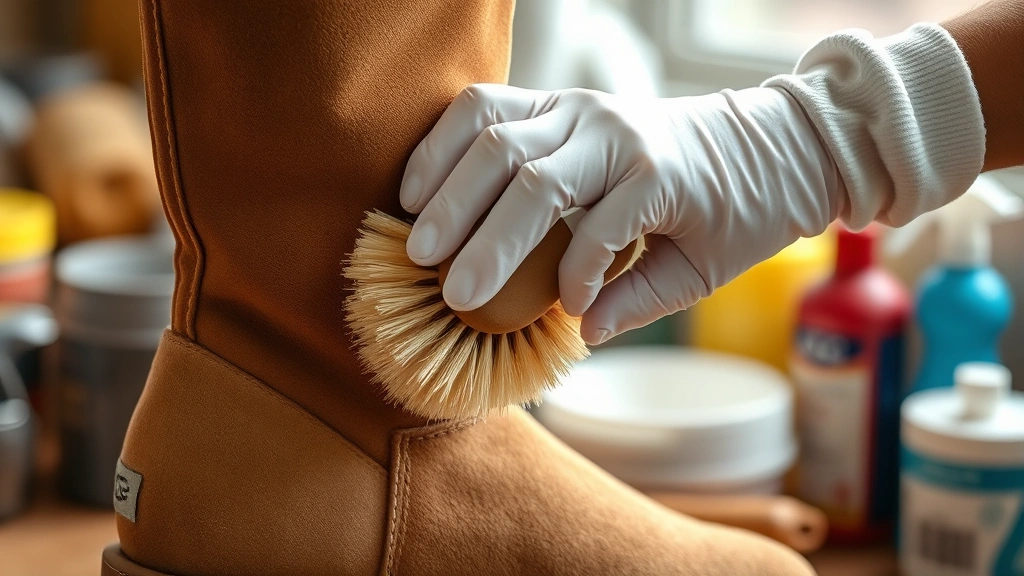
Start with the gentlest approach: dry brushing. This removes surface dust and loose dirt before any moisture touches your boots. Use your soft-bristled brush in circular motions across the entire boot surface, paying special attention to seams and creases where grime accumulates. Don’t press hard—let the brush do the work. This step is crucial because it prevents you from grinding dirt into the sheepskin fibers during wet cleaning. Many people skip this and regret it later when they end up pushing stains deeper. Spend a good two to three minutes on each boot. You’d be surprised how much crud comes off with just this step alone, especially if your Uggs have been sitting in a closet for a season.
Spot Treat Stubborn Stains
Now tackle specific stains before full cleaning. Mix one part white vinegar with three parts water in a small bowl. Dip a clean white cloth into this solution and dab directly onto stains—don’t rub aggressively. For salt stains (common from winter sidewalks), this vinegar solution works wonders. Let the solution sit for about five minutes, then gently work it in with a soft brush using small circular motions. For grease or oil stains, sprinkle baking soda directly on the spot and let it sit overnight to absorb the oils. Vacuum or brush away the powder the next morning. The key here is patience—rushing this step means stains set permanently into the fibers. If you’re dealing with something like mud, let it dry completely first, then brush it away rather than trying to clean wet mud.
Deep Clean With Sheepskin Solution
For a thorough cleaning, create a proper sheepskin wash. Fill a bowl with lukewarm water and add a small amount of mild soap or specialized sheepskin cleaner. Dip your cloth into the solution—not soaking wet, just damp—and work over the entire boot surface in gentle circular motions. This is similar to how you’d clean a rug with delicate fibers: you’re working from the outside in, not forcing liquid into the material. Pay special attention to the cuff area where your ankle sits, as this accumulates sweat and dead skin cells. Rinse with a fresh damp cloth using plain water to remove soap residue. Sheepskin is naturally water-resistant, but you’re not trying to saturate it—just cleanse the surface. This process typically takes about ten to fifteen minutes per boot and makes a dramatic difference in appearance.
Dry Properly to Prevent Damage
This step separates successful Ugg cleaning from boot-ruining disasters. Never use heat—no hair dryers, radiators, or direct sunlight. Instead, stuff your boots with crumpled newspaper or paper towels to help them maintain shape and absorb moisture from the inside. Place them in a cool, well-ventilated area and let them air dry naturally, which typically takes twenty-four to forty-eight hours. Change the newspaper every few hours if they’re really wet. Patience here is non-negotiable; rushing the drying process with heat causes the sheepskin to shrink, crack, and become stiff. Once they’re fully dry, gently brush the nap of the sheepskin to restore its soft texture and even out any matting that occurred during cleaning.
Protect Boots for Next Season
Once your boots are clean and dry, apply a protective coating to guard against future stains and water damage. Sheepskin protector sprays create an invisible barrier that repels liquids and dirt. Apply this in a well-ventilated area following the product instructions, typically holding the can six to eight inches from the boot surface. This isn’t a permanent solution—you’ll need to reapply every season—but it dramatically reduces how often you need deep cleaning. Think of it like protecting wood furniture; a good finish prevents problems before they start. This is also a good time to condition the leather trim if your Uggs have any, using a leather conditioner to keep it supple.
Mistakes That Ruin Uggs
Don’t make these costly errors. Never machine wash or dry your Uggs—the agitation and heat destroy the sheepskin permanently. Avoid bleach and harsh chemicals that strip natural oils and cause discoloration. Don’t scrub aggressively or use stiff brushes; you’ll damage the nap and create permanent marks. Skip the washing machine completely; it’s tempting but catastrophic. Don’t apply water-based stain removers without testing on an inconspicuous area first. And never store damp Uggs in a plastic bag—they need air circulation to prevent mold and odor. These mistakes are permanent, so take your time and use gentle techniques throughout the process.
Regular Maintenance Schedule
Establish a routine to keep your Uggs looking fresh between deep cleans. After each wear, especially outdoors, do a quick dry brush to remove surface dirt. This five-minute task prevents grime from settling into fibers. Once a month during regular use, do a spot treatment of any visible stains. Before storing for the season, give them a full cleaning and drying as outlined above. This preventive approach means you’re never faced with a heavily soiled boot crisis. It’s the same philosophy as maintaining your Blackstone griddle—regular light maintenance beats occasional heavy-duty cleaning. Store your Uggs in a cool, dry place away from direct sunlight, preferably in a breathable dust bag rather than plastic.
Frequently Asked Questions
Can I use regular soap to clean Uggs?
Yes, mild dish soap works fine if you don’t have specialized sheepskin cleaner. Use just a tiny amount mixed with water—you want a very dilute solution. Avoid antibacterial soaps and anything with harsh chemicals. The goal is gentle cleaning, not stripping the natural protective oils from the sheepskin.
How often should I clean my Uggs?
Light dry brushing after each wear keeps them looking fresh. Deep cleaning should happen once or twice per season depending on use. If you wear them daily in harsh conditions, aim for monthly deep cleans. If they’re occasional wear, seasonal cleaning is sufficient.
What if my Uggs have odor?
Sprinkle baking soda inside and let sit overnight, then vacuum out. For stubborn odors, place crumpled newspaper or activated charcoal inside overnight. Ensure they’re completely dry before storing. Odor usually indicates trapped moisture, so focus on proper drying techniques.
Can I use vinegar on all Ugg colors?
Test the vinegar solution on a hidden area first, especially with dark colors, as vinegar can sometimes lighten suede. Most Uggs handle it fine, but it’s better to test than regret. If discoloration occurs, rinse immediately with plain water.
What should I do if my Uggs get wet in the rain?
Don’t panic. Remove excess water by gently squeezing (don’t wring). Stuff with newspaper and let air dry completely in a cool place. Once dry, do a light dry brush to restore the nap. Sheepskin is naturally water-resistant, so occasional exposure isn’t catastrophic if handled properly.
Are professional cleaners worth the cost?
For routine cleaning, home care is sufficient and saves money. Professional cleaning is worth considering for expensive, heavily soiled, or damaged boots where you want expert restoration. For regular maintenance, the DIY approach works perfectly well.
Final Thoughts
Knowing how to clean Uggs properly transforms your boot care routine and extends the life of your investment significantly. The five-step process—gathering supplies, dry brushing, spot treating, deep cleaning, and proper drying—isn’t complicated, just methodical. The secret is patience and using gentle techniques rather than aggressive scrubbing or heat. Your Uggs will reward this care by staying soft, comfortable, and looking like new season after season. Start with regular maintenance now, and you’ll never face a crisis-level cleaning situation. These boots are built to last, and with the right care approach, yours will become a wardrobe staple for years to come. For other seasonal items that need similar care, check out our guides on how to wrap a scarf to complete your cold-weather wardrobe maintenance routine.


