
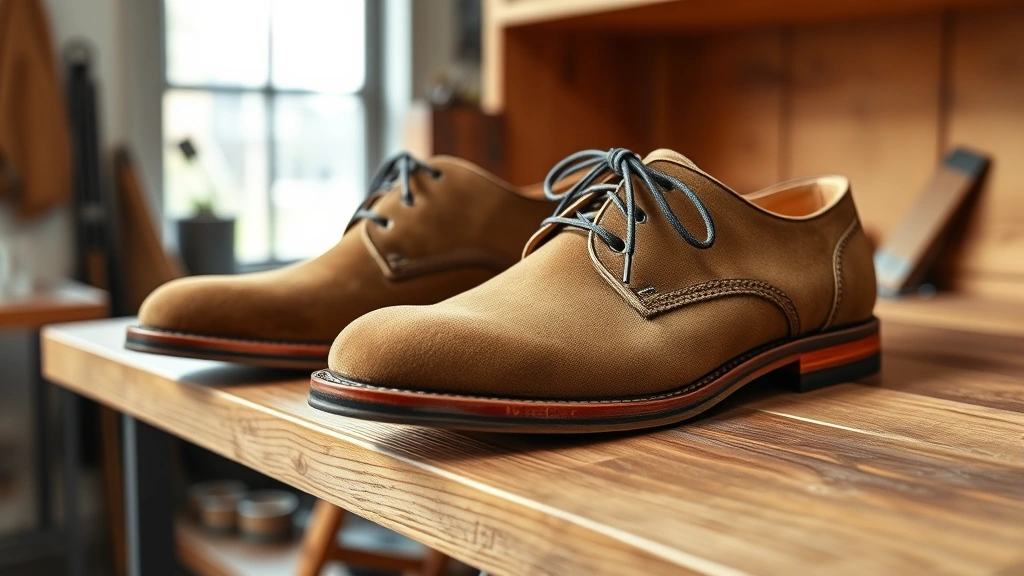
Learning how to clean suede shoes is one of those skills that separates people who trash their favorite footwear from those who keep them looking fresh for years. Suede is a finicky material—beautiful, soft, and prone to staining if you look at it wrong. But here’s the thing: it’s not as delicate as everyone thinks. With the right approach and a few basic tools, you can handle most suede problems yourself without sending your shoes to a professional cleaner every time they get dusty.
Table of Contents
Gather Your Cleaning Tools
Before you touch your suede shoes, get your arsenal ready. You don’t need fancy equipment—most of this stuff you probably have lying around. A soft-bristled suede brush is your MVP here. This isn’t like cleaning a mousepad where you can scrub aggressively; suede demands a gentle touch. Pick up a brush specifically designed for suede (they’re cheap, under $10), not a hard-bristled shoe brush that’ll destroy the nap.
You’ll also want white vinegar, baking soda, a clean white cloth (crucial—colored cloths bleed onto suede), and a spray bottle. Some people swear by a suede eraser, which works wonders on scuff marks. Keep paper towels handy too. If you’re dealing with water stains or salt marks, you might need a suede protectant spray down the road. Think of this like gathering supplies before tackling any workshop project—preparation makes execution smooth.
Assess the Damage First
Not all suede problems are created equal. Is it just dust and general grime? That’s surface-level stuff. Do you see dark water stains, salt residue, or actual scuffs? Different problems need different solutions. Grab a white cloth and gently rub a small area to see what comes off. If dirt transfers to the cloth easily, you’re dealing with surface contamination. If the mark stays put, you’ve got a deeper stain.
Water stains often look darker than the surrounding material. Salt stains (super common in winter) appear as white or grayish crusty patches. Scuffs are where the nap has been flattened or the surface abraded. Once you know what you’re fighting, you can target your approach. This diagnostic step takes two minutes and saves you from wasting time on the wrong technique.
Brush Away Surface Dirt
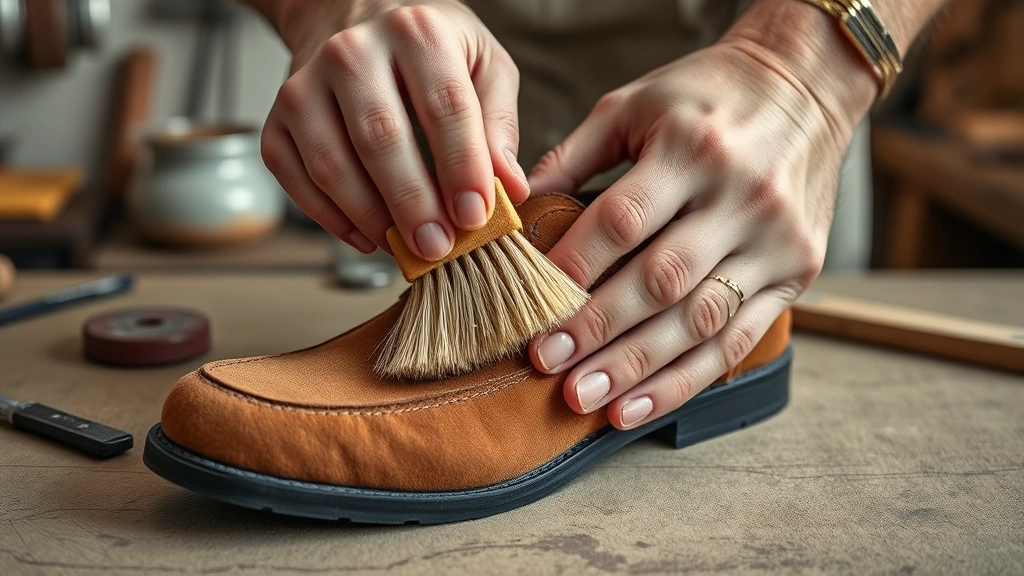
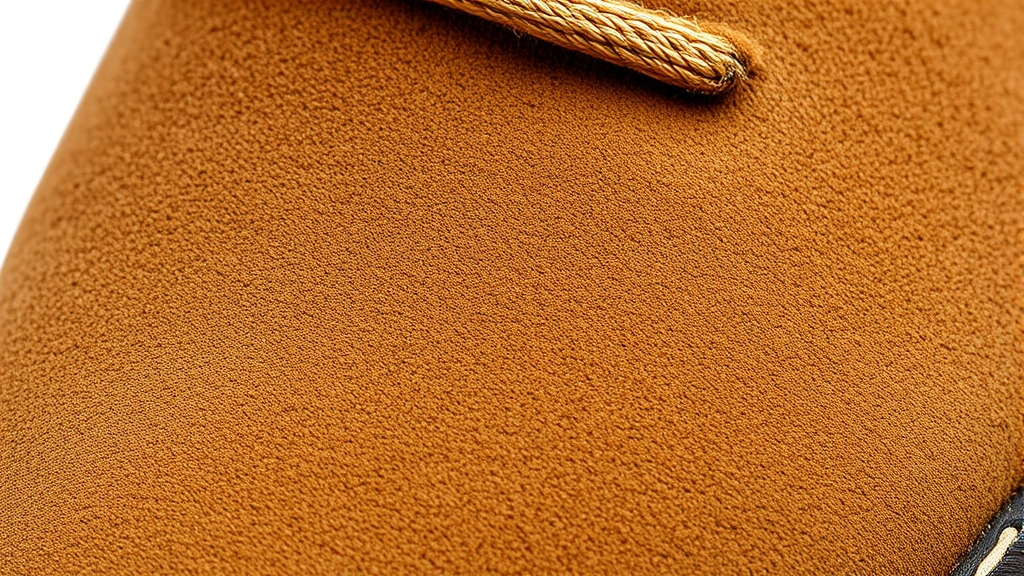
Start with the gentlest method first. Use your suede brush in short, light strokes, always going in one direction—usually from heel to toe. Don’t press hard. Let the brush do the work. You’re essentially raising the nap back up and dislodging loose dirt particles. If your shoes are really dusty, do this outside or over a trash can because you’ll create a small dust cloud.
For stubborn surface dirt, try a dry suede eraser. Rub gently in circular motions on the affected spot. These erasers work surprisingly well on scuffs and marks that haven’t penetrated deep into the material. Spend a minute or two here—patience pays off. Many people skip this step and jump straight to wet cleaning, which is overkill for basic dirt. Much like how you’d dust a surface before deep cleaning it, this preliminary brush-down prevents you from turning loose dirt into mud.
Tackle Stains Head-On
Once surface dirt is handled, address actual stains. For water stains and general marks, mix equal parts white vinegar and water in your spray bottle. Spray lightly—and I mean lightly—onto the stained area. Your cloth should be damp, not soaked. Blot gently with a white cloth, don’t rub. Let it air dry naturally, away from direct heat or sunlight.
For salt stains, you can use the vinegar solution too, or try a baking soda paste. Mix baking soda with a tiny bit of water to create a paste, apply it to the salt-stained area, let it sit for a few minutes, then brush it away gently with your suede brush. The baking soda absorbs and lifts the salt residue. This technique is similar to using baking soda for other household cleaning tasks—it’s a gentle abrasive that works without harsh chemicals. Always test any solution on an inconspicuous area first (like the inside heel) to make sure it doesn’t discolor your shoes.
Deep Clean Stubborn Marks
Some stains are stubborn little jerks that won’t quit. Oil stains, scuffs that go deep, or marks from previous damage require more aggressive action. For oil stains, sprinkle baking soda directly on the spot and let it sit overnight. The powder absorbs the oil. Brush it away the next morning with your suede brush. Repeat if needed.
For really stubborn scuffs, a suede eraser is your best friend. These rubber erasers work like pencil erasers but are gentler. Rub the scuffed area with light to medium pressure. You should see improvement within a minute or two. If the damage is deep—like the suede is actually torn or worn through—you might need professional help. But for surface-level marks, this approach handles most situations. Think of it as sanding down a rough spot in woodworking; you’re removing the damaged top layer to reveal cleaner material underneath.
Protect After Cleaning
Once your shoes are clean and dry, protection is your next move. Suede protectant spray creates a barrier against future stains and water damage. Apply it according to the product instructions—usually in light, even coats. Let it dry completely before wearing. This step is optional but highly recommended if you live somewhere with wet weather or salt-treated roads.
Some people use fabric protectants designed for upholstery, which works fine. Others prefer suede-specific products. Either way, this preventative measure saves you cleaning headaches down the road. It’s like applying a finish to wood—you’re protecting the material from the elements. Your shoes will shed water and resist stains much better with this protection in place. Reapply every few months or after professional cleaning.
Prevent Future Problems
The best cleaning is the one you never have to do. Store your suede shoes in a cool, dry place away from direct sunlight. Sunlight fades suede over time. Use cedar shoe trees or stuff them with newspaper to maintain shape and absorb moisture. If your shoes get wet, stuff them with newspaper immediately and let them air dry at room temperature—never near a heater or radiator.
Wear your suede shoes in rotation, not every single day. This gives the material time to rest and recover. Brush them lightly every week or two to maintain the nap and catch dirt before it sets in. If you’re heading into winter or a rainy season, consider rotating to different shoes. Suede loves dry conditions. Think of maintenance like regular oil changes in a car—small consistent effort beats major repairs. Check out our guide on how to clean a washing machine for similar preventative cleaning principles that apply across different materials.
Common Mistakes to Avoid
Don’t use a hard-bristled brush or regular shoe brush on suede. You’ll destroy the nap and make things worse. Don’t soak your shoes in water—dampness is fine, saturation is disaster. Don’t use hot water; cold or room temperature only. Never scrub aggressively. Suede responds to gentle, patient work, not force.
Don’t use colored cloths or paper towels that might bleed. Stick with white cloth only. Don’t apply protectant spray to wet shoes—they need to be completely dry first. Don’t ignore small stains hoping they’ll disappear. They won’t; they’ll set deeper. And don’t use household cleaners like bleach or harsh detergents. Suede is delicate and these will damage it. According to Family Handyman’s suede cleaning guide, most damage comes from over-aggressive cleaning rather than the stains themselves.
Frequently Asked Questions
Can I wash suede shoes in a washing machine?
No. Never. A washing machine will destroy suede completely. The agitation, water exposure, and heat will ruin the material permanently. Stick to hand cleaning methods only.
What’s the best suede brush to buy?
Look for a two-sided brush with soft bristles on one side and a small rubber eraser on the other. Brands like Crep Protect or Timberland make solid options for under $15. You don’t need anything fancy.
How often should I clean my suede shoes?
Do a light brush-down every week or two. Deep clean only when you notice stains or significant dirt buildup. Most suede shoes don’t need aggressive cleaning more than a few times a year.
Can I use regular shoe polish on suede?
No. Regular polish is for leather. Suede needs different products. Use suede-specific conditioners or protectants if you want to add color or maintain the material.
What if my suede shoes get soaking wet?
Act fast. Stuff them with newspaper immediately—replace the newspaper every hour or so as it absorbs moisture. Let them air dry at room temperature for 24-48 hours. Once dry, brush gently to restore the nap. They should be fine.
Are suede shoes worth the maintenance hassle?
Absolutely. Suede looks great and feels amazing. Yes, it requires more care than leather, but it’s not difficult—just consistent. If you follow these steps, your suede shoes will outlast most other footwear.
Final Thoughts
Cleaning suede shoes isn’t rocket science. You need patience, the right tools, and a gentle touch. Start with brushing, move to targeted stain treatment, and finish with protection. Most suede problems are preventable with regular maintenance and smart storage. According to Bob Vila’s footwear experts, the key is addressing problems early before they set in permanently.
Keep your suede shoes looking fresh by treating them with respect. They’re an investment worth protecting. Once you master these techniques, you’ll save money on professional cleaning and keep your favorite shoes in rotation for years. The skills transfer too—understanding how to clean delicate materials like suede makes you better at caring for all your gear. Now get out there and give those shoes the attention they deserve.


