
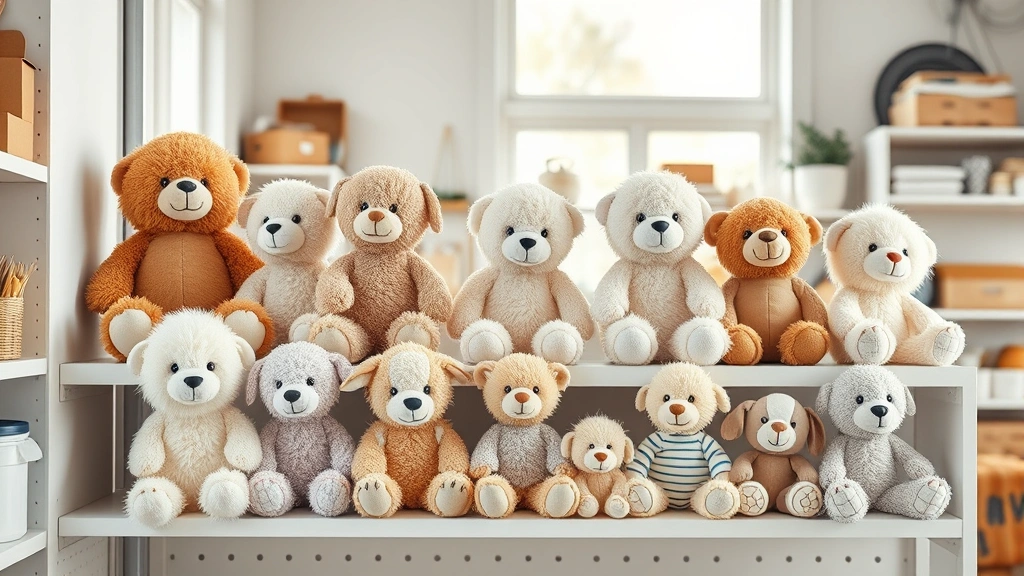
Learning how to clean stuffed animals doesn’t require fancy equipment or harsh chemicals—just a little know-how and patience. Whether you’re dealing with a beloved childhood teddy bear, your kid’s favorite plush companion, or a collection that’s gathered dust, these five proven methods will restore them to like-new condition without damage.
Table of Contents
Surface Dust Method
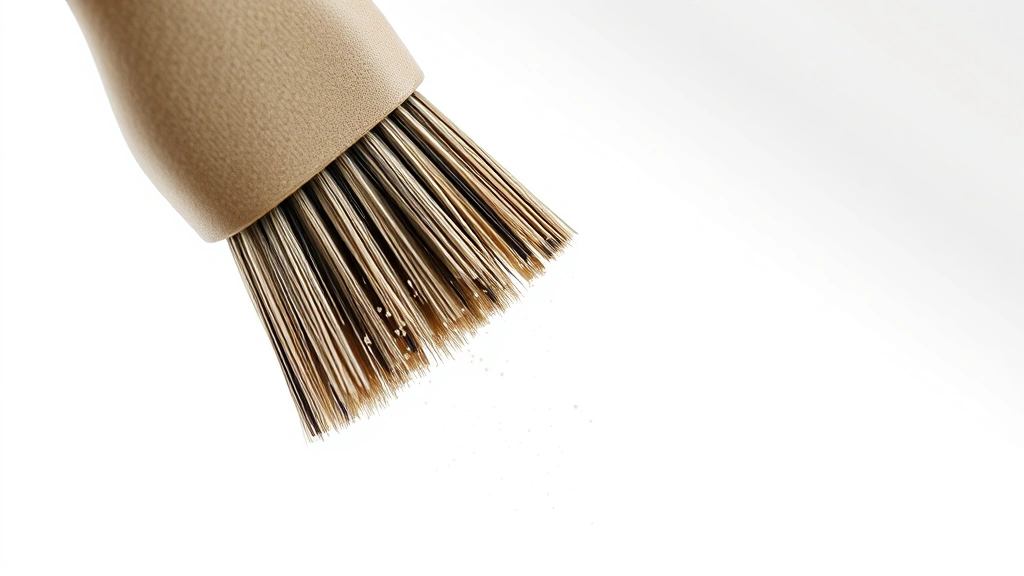
The simplest approach to cleaning stuffed animals starts with removing surface dust. Grab a soft-bristled brush—a old toothbrush works perfectly—and gently brush the fabric in one direction. This method works best for animals that aren’t heavily soiled but just need a refresh. Hold the plush over a trash can or outside to catch loose particles. Pay special attention to seams, creases, and textured areas where dust loves to hide. This is also the safest method for antique or delicate stuffed animals that can’t handle moisture.
Spot Cleaning Stains
For targeted stains, mix a solution of one part white vinegar to three parts water, or use a mild soap solution with a few drops of dish soap in cool water. Dip a clean white cloth into the solution and dab—don’t rub—the stained area. Work from the outside of the stain toward the center to prevent spreading. Let it sit for a minute, then blot with a damp cloth using plain water to rinse. This spot-cleaning technique handles most food, dirt, and minor marks without requiring a full wash. If the stain persists, repeat the process rather than scrubbing harder, which can damage fibers.
Dry Cleaning Powder
Baking soda is your secret weapon for odor removal and light cleaning. Sprinkle it generously over the stuffed animal, place it in a sealed plastic bag, and let it sit for 24 hours. The powder absorbs odors and can help loosen dirt. After the time is up, take the animal outside or to a well-ventilated area and brush off the powder thoroughly with a soft brush. You can also use commercial dry-cleaning powders designed for fabrics, following package instructions. This method is perfect for items that can’t tolerate water and works especially well for musty-smelling vintage finds. Similar to how you’d clean a mousepad with dry methods, this preserves delicate materials.
Gentle Hand Washing
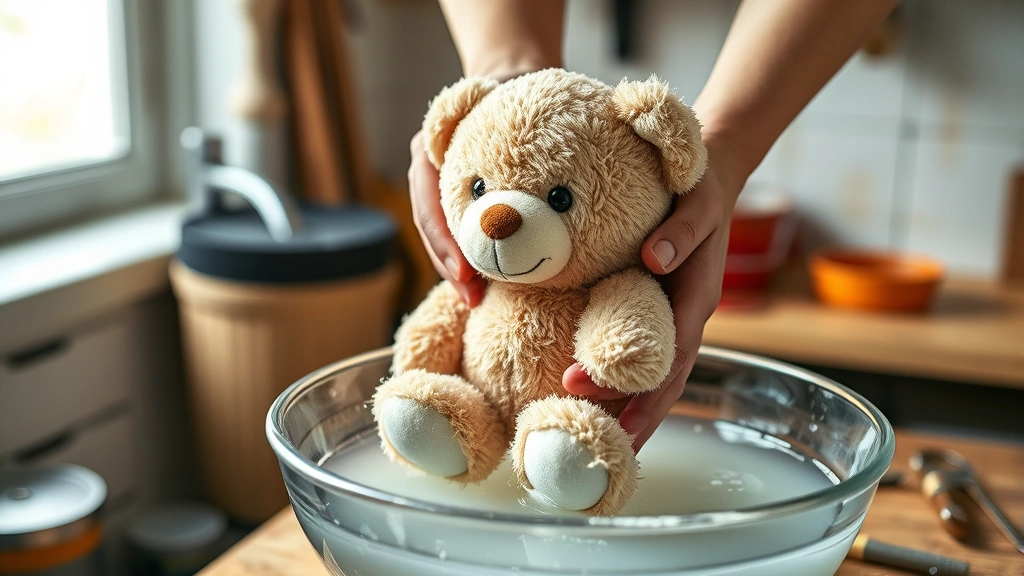
For a more thorough cleaning, fill a basin with cool water and add a small amount of gentle detergent—baby shampoo or wool wash work great. Submerge the stuffed animal and gently agitate the water around it for a few minutes. Don’t wring or squeeze. Rinse thoroughly with cool water until all soap is gone, changing the water several times if needed. Gently squeeze out excess water without wringing. This method cleans deeply while remaining gentle on fabrics. Check the care tag first, as some animals have specific washing instructions. Hand washing is safer than machine washing for most plush toys, especially those with delicate embellishments or older construction.
Steam Cleaning Option
A garment steamer or handheld steam cleaner can refresh stuffed animals effectively. Hold the steamer a few inches away and pass it slowly over the surface, allowing the steam to penetrate the fibers. The heat kills bacteria and dust mites while the moisture helps lift dirt. Be careful not to hold the steamer in one spot too long, as excessive heat can damage some fabrics. This method works particularly well for large animals or collections. Let the animal air-dry completely afterward. Steam cleaning is gentler than water-based washing and ideal for items with electronic components or music boxes inside.
Drying and Storage
Proper drying prevents mold and mildew growth. After any wet cleaning method, gently squeeze out excess water and lay the animal flat on a clean, dry towel in a well-ventilated area. You can also hang it in indirect sunlight, which naturally disinfects. Never use a dryer, as heat damages most fabrics and can melt synthetic materials. Drying typically takes 24-48 hours depending on size and humidity. Once completely dry, store in a cool, dry place away from direct sunlight. Use acid-free tissue paper or cotton storage bags rather than plastic, which traps moisture. Store away from pets and food sources to prevent future contamination.
Special Materials Guide
Different fabrics require different approaches. Velvet animals need only gentle brushing or steaming—water can damage the nap. Fur-like synthetic fabrics tolerate hand washing well but benefit from a conditioner rinse to maintain softness. Embroidered details should be cleaned carefully around the stitching to avoid unraveling. Glass or plastic eyes may loosen if soaked, so avoid submerging animals with these features entirely. Vintage animals with delicate seams should stick to dry methods. Musical or electronic components absolutely cannot be submerged—dry methods only. When in doubt, test your cleaning method on an inconspicuous area first. This careful approach mirrors how you’d clean gold jewelry, where material matters tremendously.
Preventing Odors
Prevention beats treatment every time. Store stuffed animals in breathable containers with cedar blocks or lavender sachets to keep them fresh. Avoid plastic bags in humid climates, as they promote mildew. Keep animals away from smoke, food, and pets. Rotate your collection if storing long-term so air circulates around all pieces. For animals that get frequent use—like a child’s bedtime companion—a monthly light cleaning with dry powder keeps odors at bay. Sunlight exposure for a few hours monthly naturally freshens fabrics. These preventative habits mean you’ll need major cleaning less often and your collection stays fresher longer.
Frequently Asked Questions
Can I machine wash stuffed animals?
Most stuffed animals shouldn’t go in the machine, as agitation damages seams and fabrics. However, some newer toys with care tags specifically allowing machine washing can go in a mesh bag on a gentle cycle with cold water. Always check the tag first and hand wash when in doubt.
How often should I clean stuffed animals?
Light surface cleaning monthly keeps them fresh. Deep cleaning depends on use and storage conditions—typically once or twice yearly for frequently-used animals, less often for display pieces. Spot-clean stains immediately when they occur.
What if my stuffed animal has a music box inside?
Never submerge it. Stick to dry methods like brushing, dry powder, or steaming. If the music box malfunctions after any moisture exposure, it likely needs professional repair or replacement.
Are commercial fabric cleaners safe?
Many are, but test on a hidden area first. Look for products labeled safe for delicate fabrics and follow instructions carefully. Natural solutions like vinegar and water are gentler and usually just as effective.
Can I use bleach on stuffed animals?
No. Bleach damages fibers and can cause permanent discoloration. Stick to mild soaps, vinegar solutions, or oxygen-based cleaners for stubborn stains.
How do I remove permanent marker from a stuffed animal?
Rubbing alcohol on a cloth can work for some markers—test first on hidden fabric. For permanent markers on synthetic fabrics, you may need to accept the mark or consult a professional fabric cleaner. Prevention through storage away from markers is best.
For more detailed cleaning guidance on various household items, check out our guide on how to remove eyelash extensions for delicate handling techniques applicable to fragile materials.
Final Thoughts
Cleaning stuffed animals is straightforward when you match the method to the material and condition. Start simple with surface dusting, progress to spot cleaning for stains, and only move to full washing when necessary. Your favorite plush companions—whether they’re kids’ toys, sentimental keepsakes, or collectibles—deserve gentle care that preserves their integrity while restoring their cleanliness. With these five proven methods in your toolkit, you’ll keep your collection looking and smelling fresh for years to come. Remember: when in doubt, go gentle, test first, and let time do the work rather than force and friction.


