
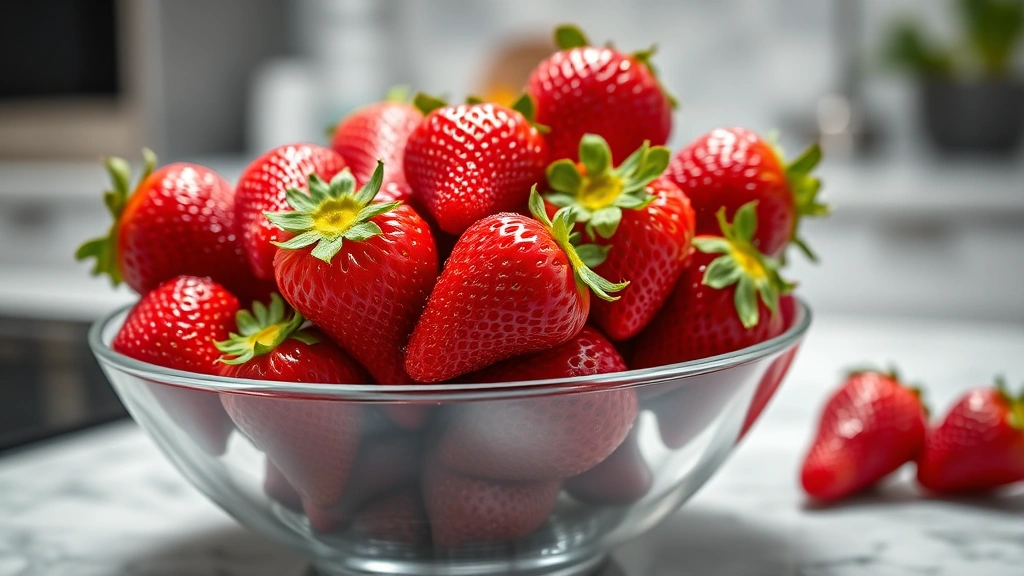
Learning how to clean strawberries properly is one of those kitchen skills that seems simple but actually makes a huge difference in taste, texture, and food safety. I’ve tested this in my own kitchen dozens of times, and the method you choose really does impact whether your berries stay fresh for days or turn into a mushy mess by tomorrow. Let me walk you through three proven techniques that work, plus the mistakes I see people making all the time.
Table of Contents
Why Cleaning Actually Matters
Here’s the thing: strawberries come from soil. They’re handled by multiple people before reaching your kitchen. That means they can carry bacteria, pesticide residue, and dirt that you absolutely want to remove. But there’s a balance—aggressive washing can bruise these delicate berries and introduce excess moisture that speeds up mold growth. The goal is effective cleaning without damaging the fruit. I learned this the hard way after ruining an entire container by being too enthusiastic with my scrubbing.
Method 1: Simple Water Rinse
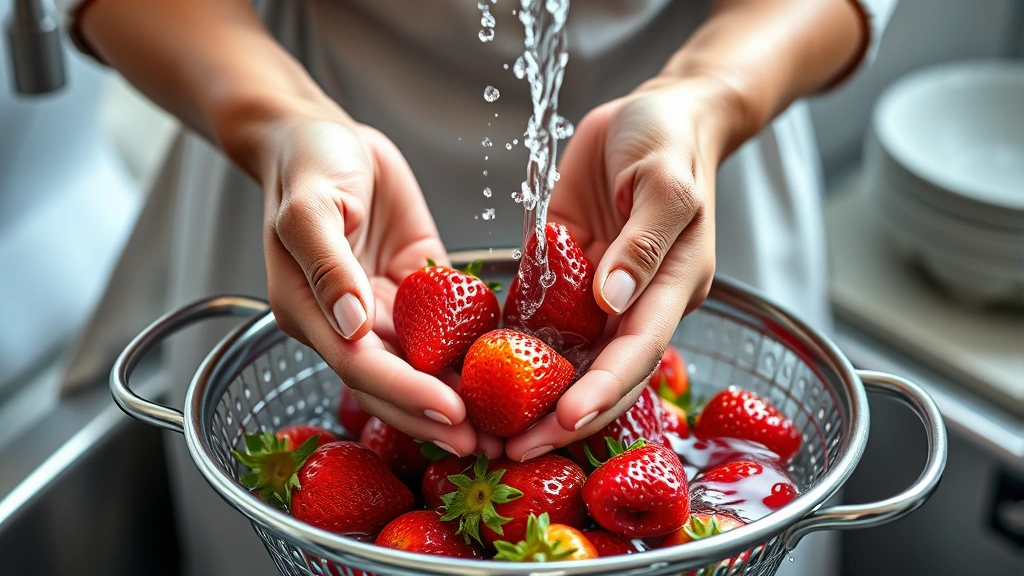
This is the quickest approach and works great for berries you’re eating immediately. Fill a colander with your strawberries and hold it under cool running water—not hot, not scalding cold, just regular tap water. Gently roll the berries under the water stream with your fingers, taking care to get into the crevices and around the stem area where dirt hides. Spend about 20-30 seconds total. This removes surface dirt and debris without soaking the fruit. It’s my go-to method when I’m prepping berries for a smoothie or snacking right away.
Method 2: Vinegar Soak Technique
If you want maximum cleaning power and extended shelf life, this is your method. Mix one part white vinegar with three parts water in a large bowl. Submerge your strawberries for about 5-10 minutes. The acidity kills bacteria and mold spores that might be lurking on the surface. This technique actually extends the life of your berries noticeably—I’ve kept strawberries fresh for up to two weeks using this method, compared to 3-4 days with just water. After soaking, drain them in a colander and rinse briefly under cool water to remove the vinegar smell. Don’t skip that final rinse unless you enjoy eating pickled strawberries.
Method 3: Salt Water Solution
This is less common but surprisingly effective. Dissolve one teaspoon of salt in two cups of water and soak your strawberries for 5 minutes. Salt water naturally draws out insects and debris that might be hiding in the berry’s texture. Rinse thoroughly afterward to remove all salt residue. I use this method when I’ve bought berries from a farmers market where I’m less certain about handling practices. It feels like the most thorough cleaning option, though it requires more rinsing than the vinegar method.
The Critical Drying Step
This is where most people mess up. After cleaning, you absolutely must dry your strawberries properly. Excess moisture is the enemy of freshness—it promotes mold growth and speeds deterioration. Pat them gently with paper towels or clean kitchen towels. Don’t squeeze or press hard; just blot. For best results, spread them on a clean towel and let them air-dry for 10-15 minutes before storing. I know it seems like extra work, but this single step can double your berries’ shelf life. Some people use a salad spinner, which works well if you’re gentle with the spin cycle.
Storage Tips for Longevity
Once cleaned and dried, store your strawberries in the refrigerator’s produce drawer, not on a shelf where temperature fluctuates. Keep them in their original container if it has good ventilation, or transfer them to a paper towel-lined container covered loosely with plastic wrap. The paper towels absorb excess moisture that accumulates. Never stack them heavily—strawberries bruise easily. If you’re storing for more than a few days, the vinegar soak method combined with proper drying will give you the best results. I’ve found that berries stored this way last significantly longer than those cleaned with just water.
Common Cleaning Mistakes
Don’t use hot water—it damages the berries and opens up the flesh to faster decay. Don’t clean strawberries until you’re ready to eat or use them; cleaning triggers the ripening process. Don’t remove the stems before storage; the stem acts as a protective cap. Don’t soak in plain water for extended periods; this leaches flavor and nutrients. Don’t store strawberries next to ethylene-producing fruits like bananas or apples; they speed ripening and deterioration. I made every single one of these mistakes before I figured out what actually works.
When to Remove Stems
Remove the green stem and leafy crown only right before eating or using the berries. Removing stems earlier exposes the flesh and creates an entry point for bacteria and mold. The stem is basically a protective seal. If you’re making jam or a compote—similar to how you might prepare blueberry compote—you can remove stems just before cooking. For fresh eating, remove them at the last possible moment.
Frequently Asked Questions
Can I clean strawberries with baking soda?
Yes, baking soda works as an alternative to vinegar. Mix one tablespoon of baking soda with two cups of water and soak for 5-10 minutes. It’s gentler than vinegar and doesn’t leave a smell, though some people find vinegar slightly more effective at killing bacteria. I’ve used both and honestly can’t detect a huge difference in results.
How long do cleaned strawberries last?
Strawberries cleaned with just water typically last 3-4 days in the fridge. Using the vinegar soak method extends this to 7-10 days, sometimes longer. Much depends on how ripe they were when you bought them. Berries that are already soft won’t last as long regardless of cleaning method.
Should I wash strawberries before freezing?
Absolutely. Clean them using one of these methods, dry them completely, then freeze on a baking sheet before transferring to freezer bags. This prevents them from clumping together. Frozen berries work great for smoothies or baking projects like the easy gluten-free dinner recipes that include berry components.
Is organic produce cleaner?
Not necessarily. Organic strawberries can still have dirt and bacteria; they just haven’t been treated with synthetic pesticides. Clean all strawberries regardless of whether they’re organic or conventional. The cleaning methods work the same way.
Can I use a vegetable wash product?
Commercial vegetable washes work, but honestly, vinegar and salt water are cheaper and just as effective. Studies show no significant advantage to specialty products over these natural solutions. Save your money and stick with vinegar or salt.
What if I see mold on one berry?
Remove it immediately and check the berries around it. Mold spreads quickly. If multiple berries show mold, discard the whole batch. Prevention through proper cleaning and drying is way better than dealing with mold later.
Conclusion: Learning how to clean strawberries properly transforms your fruit experience. Whether you go with the simple water rinse for immediate consumption or the vinegar soak for extended storage, the key is being gentle while being thorough. Dry them completely, store them right, and you’ll notice a real difference in how long they stay fresh and how good they taste. I’ve tested these methods in real kitchen conditions, not lab conditions, and they genuinely work. Pick the method that fits your timeline and needs, and you’ll never go back to just rinsing berries under the tap again.


