
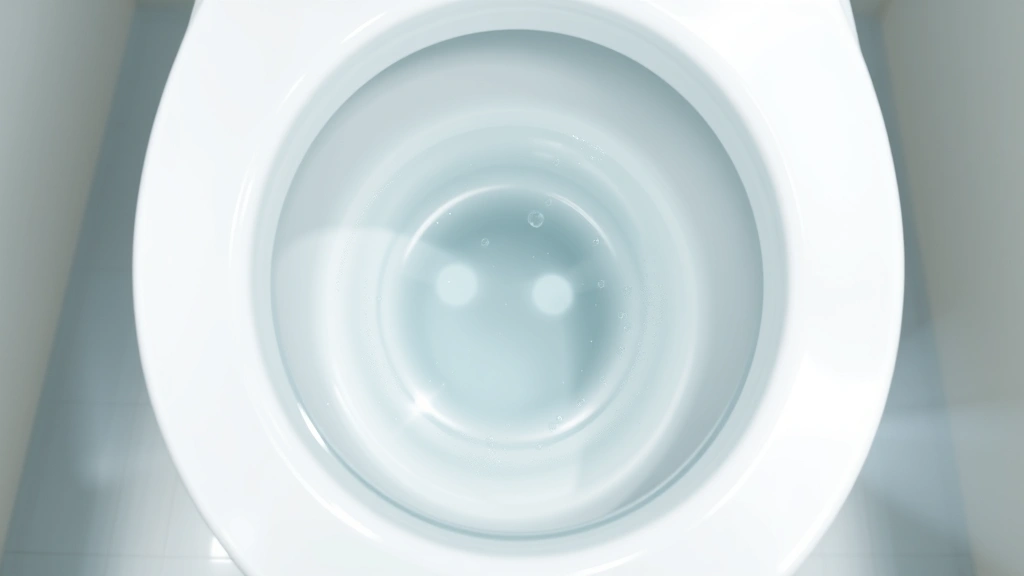
Learning how to clean stains in the toilet bowl doesn’t require calling a plumber or buying expensive chemical cocktails. I’ve tackled stubborn toilet stains in rental bathrooms, family homes, and everything in between, and I’m here to walk you through the battle-tested methods that actually work. Whether you’re dealing with rust rings, hard water deposits, or mysterious brown marks, you’ve got options—some using stuff already under your sink.
Table of Contents
Why Stains Happen in Toilets
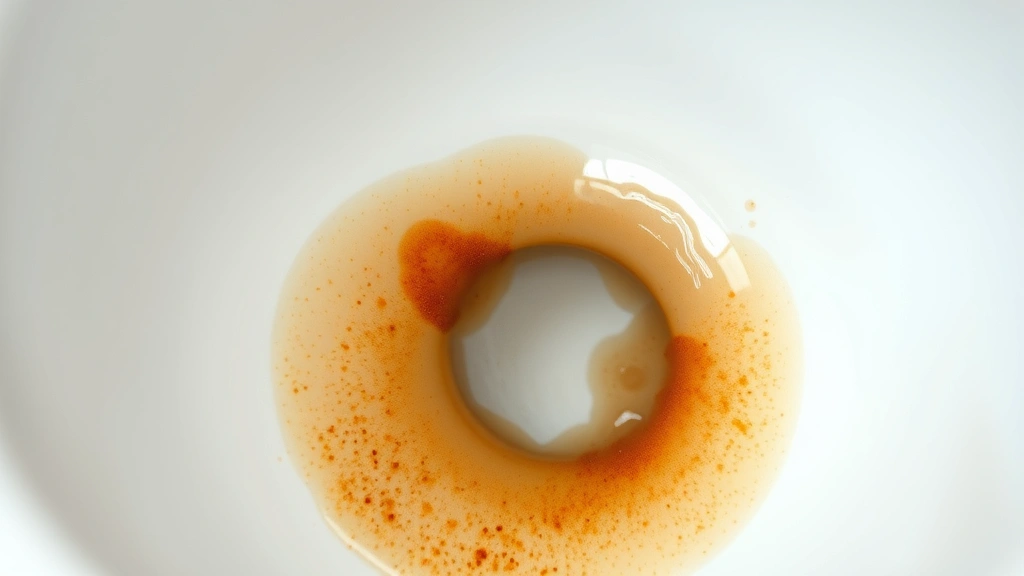
Before we tackle removal, let’s understand what we’re fighting. Toilet stains fall into a few categories. Hard water deposits—those reddish or brownish rings—come from mineral buildup, especially iron and manganese. Rust stains typically indicate corroded metal in your plumbing or a high iron content in your water supply. Mold and mildew thrive in the damp, dark environment below the waterline. Understanding the stain type helps you pick the right weapon. Just like knowing how long it takes for mold to grow helps you prevent bathroom problems, identifying your stain type prevents wasted effort.
Method 1: White Vinegar Soak
This is my go-to first move because it’s safe, cheap, and surprisingly effective. White vinegar contains acetic acid that dissolves mineral deposits without harsh chemicals. Here’s the process: Drain the toilet bowl completely using a plunger or by turning off the water valve and flushing. Pour undiluted white vinegar directly onto the stained areas, making sure to coat the entire stain. Let it sit for 30 minutes to several hours—overnight works even better for stubborn stains. Scrub with a toilet brush using circular motions. For ring stains, you might need to repeat this process two or three times.
The beauty of vinegar is that it works on multiple stain types. It tackles hard water deposits, lightens rust stains, and kills some mold spores. I’ve used this method in homes with notoriously hard water, and it consistently delivers results. If the stain persists after soaking, move to a stronger method rather than scrubbing endlessly—you’ll just wear yourself out.
Method 2: Baking Soda Paste
When vinegar alone doesn’t cut it, baking soda brings abrasive power without scratching the porcelain. Mix baking soda with a small amount of water to create a thick paste—you want something that sticks to the bowl, not a runny mixture. Apply the paste directly to the stains and let it sit for 15-30 minutes. The longer you leave it, the better it works on mineral deposits. Scrub with a toilet brush or a non-scratch sponge, using firm but controlled pressure.
For extra power, combine this with the vinegar method: apply the paste, let it dry slightly, then spray vinegar over it. The chemical reaction creates fizzing action that helps break down stubborn deposits. This combination is particularly effective on rust stains and works as a gentler alternative to harsh commercial products. You can also use a Dawn Power Wash Recipe approach by mixing baking soda with a small amount of dish soap for added cleaning power.
Method 3: Commercial Toilet Cleaners
Sometimes the job calls for commercial-grade products. Toilet bowl cleaners with hydrochloric acid are formulated specifically for mineral and rust stains. Popular options include Clorox Toilet Bowl Cleaner, Lysol Toilet Bowl Cleaner, and specialty rust-removal products. These cleaners work faster than natural methods—usually within 15-30 minutes. Always read the label carefully and follow instructions exactly. Most commercial cleaners require you to apply the product under the rim and let it coat the bowl, then scrub after the recommended wait time.
The advantage of commercial cleaners is their reliability on tough, set-in stains. The disadvantage is the chemical smell and the need for proper ventilation. I reserve commercial cleaners for stains that won’t budge after trying gentler methods. Never mix commercial toilet cleaners with other products—especially bleach or ammonia-based cleaners—as this creates toxic fumes. Always wear gloves and ensure your bathroom is well-ventilated when using these products.
Method 4: Pumice Stone Technique
This method sounds unconventional, but it’s a legitimate trick for stubborn stains. A pumice stone is porous volcanic rock that’s mildly abrasive. Wet the pumice stone and gently rub it against the stain in circular motions. The key word here is gently—aggressive scrubbing can scratch the porcelain. This method works best on above-the-waterline stains and mineral deposits that have hardened over time.
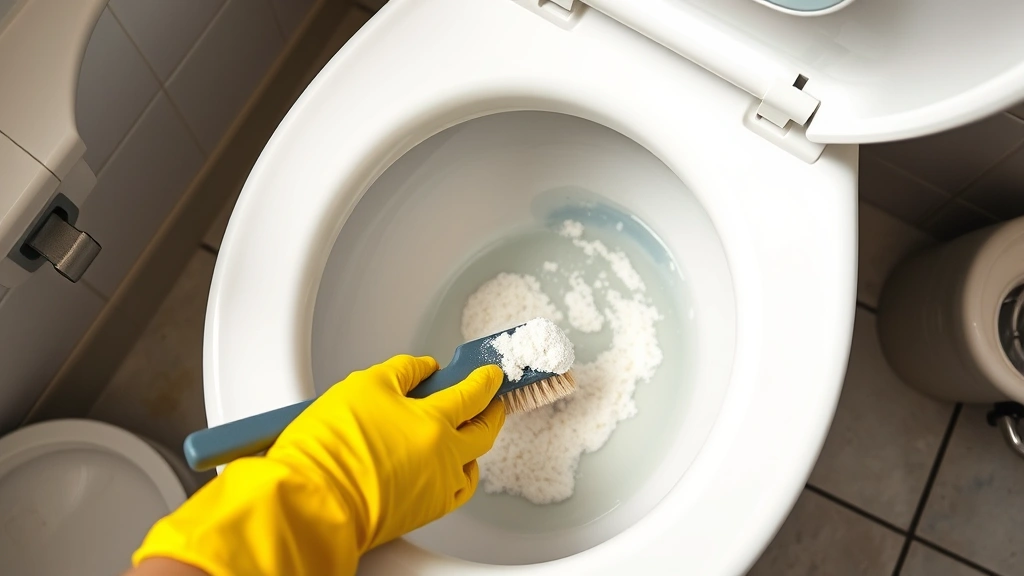
The pumice stone method requires patience and a light touch. I’ve seen it work wonders on stains that resisted chemical treatments, but it’s not for everyone. If you’re uncomfortable with the technique or worried about scratching, stick with chemical methods. Always test the pumice stone on an inconspicuous area first. Wet pumice stones are available at hardware stores or online for just a few dollars, making this an inexpensive experiment if you want to try it.
Method 5: Bleach-Based Solutions
Bleach is a powerful disinfectant and stain remover, particularly effective on mold, mildew, and organic stains. Pour undiluted bleach directly into the toilet bowl, coating all stained areas. Let it sit for 10-15 minutes—don’t leave it longer than 30 minutes, as extended exposure can damage the porcelain. Scrub thoroughly with a toilet brush, then flush. The chlorine in bleach kills bacteria and breaks down organic matter quickly.
Bleach works best on stains caused by mold or mildew rather than mineral deposits. It’s also excellent for sanitizing the bowl after dealing with any stain. However, bleach has a strong odor and can be irritating to skin and lungs. Always ventilate the bathroom well, wear gloves, and never mix bleach with other cleaners. If you have a septic system, use bleach sparingly as it can disrupt the bacterial balance in your tank. For regular maintenance, bleach is overkill—save it for when you specifically need disinfection.
Prevention Tips That Actually Work
The best stain is one that never forms. Install a water softener if you have hard water—this prevents mineral buildup before it starts. Regular cleaning prevents stains from setting in. I recommend a quick scrub with vinegar or a commercial cleaner weekly if you have hard water, or monthly if your water is normal. Keep the bathroom well-ventilated to prevent mold growth, which means running your exhaust fan during and after showers.
Consider a toilet bowl cleaner tablet that releases cleaning agents with each flush. These aren’t replacements for deep cleaning, but they help prevent stain buildup between sessions. If you notice rust stains appearing frequently, investigate your plumbing—corroded pipes might need replacement. Some homeowners also benefit from understanding maintenance patterns similar to how to clean a washing machine, applying regular maintenance schedules to their toilet care routine.
Safety Warnings You Need
Never mix cleaning products. Combining bleach with ammonia (found in many glass cleaners and urine) creates chloramine gas, which is toxic. Combining bleach with acids (like vinegar or commercial toilet cleaners) creates chlorine gas. These combinations can cause serious respiratory damage or death. If you’ve already mixed products, leave the bathroom immediately and ventilate thoroughly.
Always wear gloves when handling commercial cleaners or bleach. These products can irritate skin and damage nail beds with prolonged exposure. If you have respiratory issues, asthma, or are pregnant, be extra cautious with chemical cleaners and consider using natural methods instead. Keep all cleaning products away from children and pets. If someone ingests a cleaning product, call Poison Control immediately at 1-800-222-1222.
Frequently Asked Questions
What’s the fastest way to clean toilet bowl stains?
Commercial hydrochloric acid-based cleaners work fastest, typically showing results in 15-30 minutes. However, if you want a quick natural option, the baking soda and vinegar combination works reasonably fast—usually within 30-45 minutes with active scrubbing.
Can I use bleach and vinegar together on toilet stains?
No. Never mix bleach and vinegar. This combination creates toxic chlorine gas. Use one or the other, never both. If you’ve mixed them, evacuate the bathroom and ventilate immediately.
Why do I keep getting rust stains in my toilet?
Persistent rust stains usually indicate high iron content in your water supply or corroded plumbing. Consider having your water tested and consulting a plumber about potential pipe issues. A water softener or filter system might help.
Is it safe to use a pumice stone on my toilet bowl?
Yes, if used gently. Wet pumice stones are mildly abrasive and won’t damage porcelain when used with light pressure and circular motions. Test it on an inconspicuous area first if you’re worried.
How often should I clean my toilet to prevent stains?
Weekly cleaning prevents stain buildup in homes with hard water. Monthly cleaning is sufficient for normal water conditions. Regular maintenance is far easier than removing set-in stains.
What if nothing works on my stains?
If stains persist after trying multiple methods, you might have a plumbing issue or severely corroded pipes. Consult a plumber to rule out problems beyond surface cleaning. Sometimes the stain is actually porcelain damage rather than a removable deposit.
Final Thoughts
Learning how to clean stains in the toilet bowl puts you in control of your bathroom maintenance. Start with gentle methods like vinegar and baking soda, escalate to commercial cleaners if needed, and reserve aggressive techniques for stubborn cases. Most stains respond to one of these five methods within the first attempt. The key is matching the method to the stain type and not overthinking the process.
Prevention beats removal every time. Regular maintenance, proper ventilation, and addressing water quality issues prevent most stains from forming in the first place. If you’re dealing with recurring stains or suspect plumbing problems, don’t hesitate to call a professional. For more cleaning wisdom, check out resources like Family Handyman’s cleaning guides, This Old House’s maintenance tips, or Bob Vila’s home care advice. Your bathroom deserves a clean toilet, and now you’ve got the roadmap to make it happen.


