
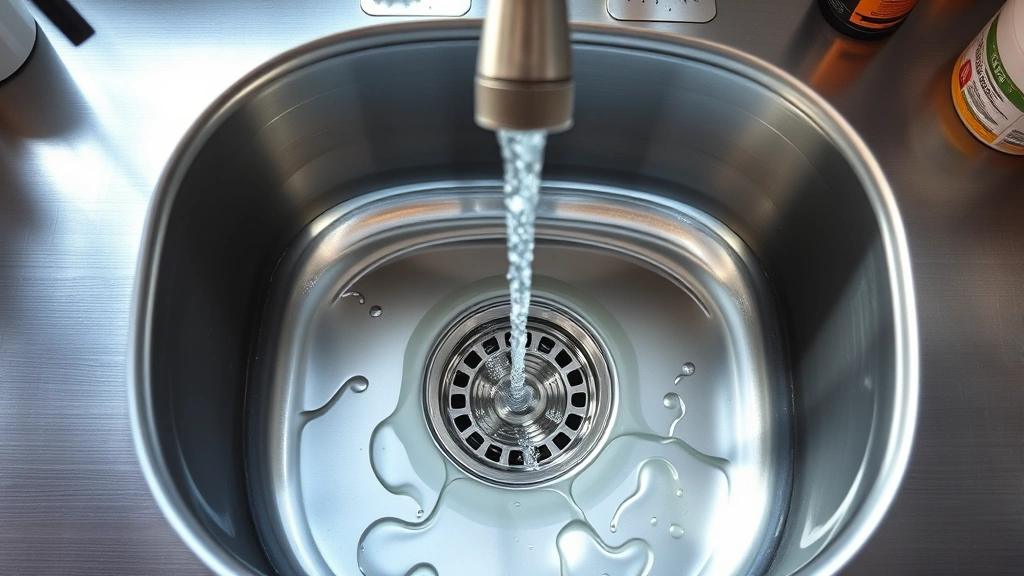
Learning how to clean sink drain is one of those skills that’ll save you hundreds in plumber bills and keep your kitchen running smooth. A clogged or slow drain is usually fixable in under an hour with stuff you’ve got lying around, and I’m going to walk you through every method that actually works.
Table of Contents
Why Drains Clog Up
Before you start fixing anything, it helps to understand what’s actually happening down there. Your sink drain collects hair, soap scum, food particles, and mineral buildup over time. That stuff accumulates on the pipe walls and creates a barrier that slows water flow. Eventually, water backs up and you’ve got a problem on your hands.
The good news? Most clogs form in the first few feet of pipe below your sink, which means they’re totally accessible without calling in the pros. Understanding this is the foundation of knowing how to clean sink drain effectively.
Boiling Water Method
This is your first move, and honestly, it works more often than people realize. Fill a kettle or pot with water and let it boil. Remove any standing water from your sink, then carefully pour the boiling water straight down the drain in a slow, steady stream. The heat breaks down grease and soap buildup that’s causing the slowdown.
Wait 5-10 minutes and run hot tap water. If the drain’s moving faster, you’re done. If not, move to the next method. This costs nothing and takes two minutes, so there’s zero reason not to try it first.
Baking Soda & Vinegar
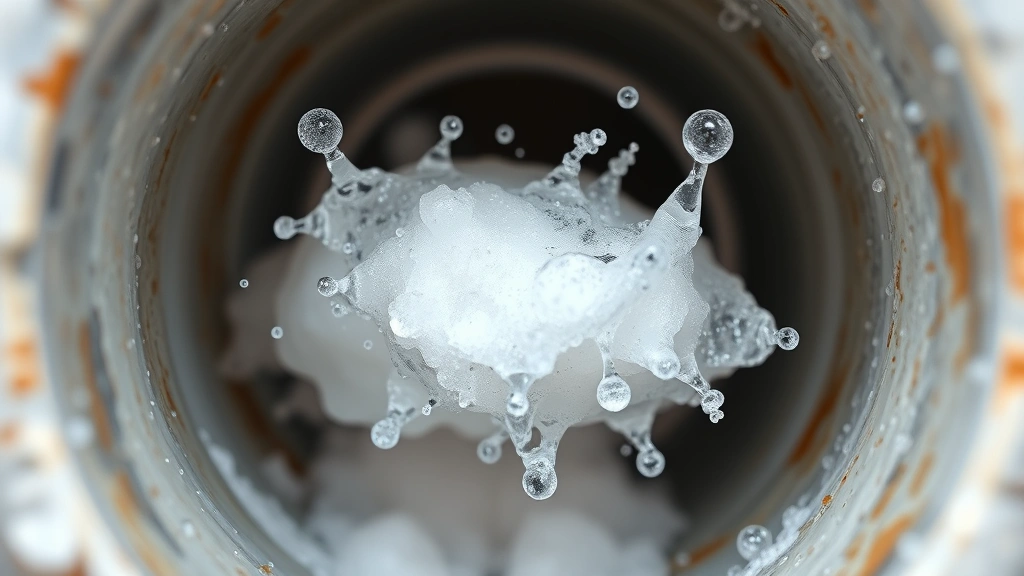
This is the workhorse method for moderate clogs. Grab a box of baking soda and white vinegar from your pantry. Pour about half a cup of baking soda down the drain, followed by half a cup of vinegar. You’ll see it fizz and bubble—that’s exactly what you want. That chemical reaction breaks apart gunk stuck to the pipe walls.
Cover the drain opening with a wet cloth or stopper to keep the fizz working inside the pipe instead of shooting up at your face. Let it sit for 15-30 minutes, then flush with hot water. For stubborn clogs, repeat this twice. This method is safe for all pipe types and won’t damage your plumbing like harsh chemicals can.
Plunger Technique
Most people think plungers are just for toilets, but they work great on sink drains too. Fill your sink with a few inches of water—enough to cover the plunger cup. Position the plunger over the drain and pump vigorously 15-20 times. The suction and pressure dislodges debris caught in the trap.
If you have a double sink, plug the other drain with a wet cloth first. Otherwise, the plunger just moves water between sinks instead of pushing it through the clog. This method works best on partial clogs where water’s still draining slowly.
Using a Drain Snake
When gentler methods don’t cut it, grab a drain snake (also called a plumbing auger). These cost $10-30 and are one of the best investments for DIY drain cleaning. Feed the snake down the drain and crank the handle to rotate the tip. When you hit resistance, push harder or twist—that’s the clog.
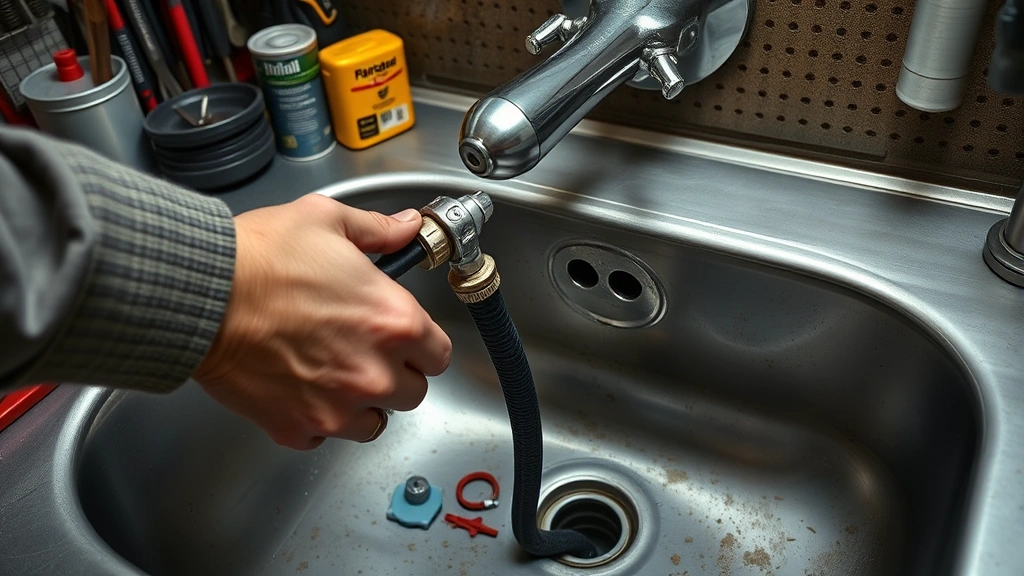
Keep cranking and pushing until you break through. You might pull up a nasty ball of hair and soap—that’s success. Flush with hot water afterward. Snakes work on tough clogs that baking soda and vinegar can’t handle, and they’re reusable for years. If you’re serious about maintaining your home, a drain snake belongs in your toolbox next to your garbage disposal installation knowledge.
Chemical Drain Cleaners
I’ll be honest—chemical drain cleaners should be your last resort before calling a plumber. Products like Drano and Liquid-Plumr work through caustic reactions that generate heat and break down clogs. They’re effective on tough blockages, but they’re also harsh on pipes and dangerous to handle.
If you go this route, follow the label instructions exactly. Wear gloves, avoid splashing, and never mix different products. Never use a plunger after adding chemicals—you’ll splash caustic liquid everywhere. These cleaners work best on organic clogs like hair and grease, not mineral buildup or foreign objects.
Prevention Tips
The best drain maintenance is prevention. Install a drain strainer in your sink to catch hair and food particles before they go down. Clean it weekly. Run hot water down your drain every few days to keep grease flowing. Once a month, do a baking soda and vinegar flush as preventive maintenance—it takes 10 minutes and keeps minor buildup from becoming a major clog.
If you have a garbage disposal, use it properly. Don’t dump grease down there—it solidifies in the pipes. Stick to small food scraps. And if you’re thinking about upgrading, check out our guide on how to install a garbage disposal for a permanent solution to food waste.
When to Call a Plumber
Sometimes you need professional help. If water’s backing up into other fixtures, if you’ve tried all these methods and nothing works, or if you smell sewer gas coming from the drain, call a plumber. Same goes if you suspect a broken pipe or tree roots in your line—those need professional equipment to diagnose and fix.
A professional will use a camera to see inside your pipes and determine the exact problem. It costs more upfront, but it saves you from making things worse. Don’t be stubborn about this—some jobs genuinely need expertise.
Summary
Learning how to clean sink drain puts you in control of one of the most common household problems. Start with boiling water, move to baking soda and vinegar, then try a plunger or drain snake. Chemical cleaners are an option but use them cautiously. Most importantly, prevent clogs through regular maintenance and strainers. You’ve got this—and you’ll save serious money in the process.
Frequently Asked Questions
Can I use baking soda and vinegar on PVC pipes?
Yes, absolutely. Baking soda and vinegar are safe for all pipe types including PVC, copper, and cast iron. They’re non-corrosive and won’t damage your plumbing like harsh chemicals can.
How often should I clean my sink drain?
Do a preventive baking soda and vinegar flush once a month. This keeps minor buildup from becoming a major clog. If you notice water draining slowly, clean it immediately before it gets worse.
Why is my drain still slow after trying everything?
You might have a clog deeper in the line that’s beyond reach of home methods, mineral buildup from hard water, or even a structural problem like a broken pipe. This is when you call a professional plumber with a camera inspection tool.
Is it safe to mix baking soda and vinegar with commercial drain cleaners?
No—never mix different drain cleaning products. Chemical drain cleaners can react dangerously with other substances. If you use a commercial cleaner, flush thoroughly and wait 24 hours before trying other methods.
What’s the difference between a plunger and a drain snake?
A plunger uses suction and pressure to dislodge clogs. A drain snake physically breaks through blockages with a rotating tip. Plungers work best on partial clogs; snakes handle complete blockages and tougher debris.
Can I prevent drain clogs with hot water alone?
Hot water helps prevent grease buildup, but it won’t stop hair clogs. Use a strainer to catch hair and debris before they enter the drain. That’s your best prevention strategy.
How do I know if my clog is in the trap or deeper?
If water drains slowly but not completely, the clog’s likely in the trap or first few feet of pipe—accessible with a plunger or snake. If water backs up into the sink completely or multiple drains are slow, the clog’s deeper and might need professional help.
External resources: Family Handyman Drain Unclogging Guide | This Old House Drain Solutions | Bob Vila Professional Methods


