
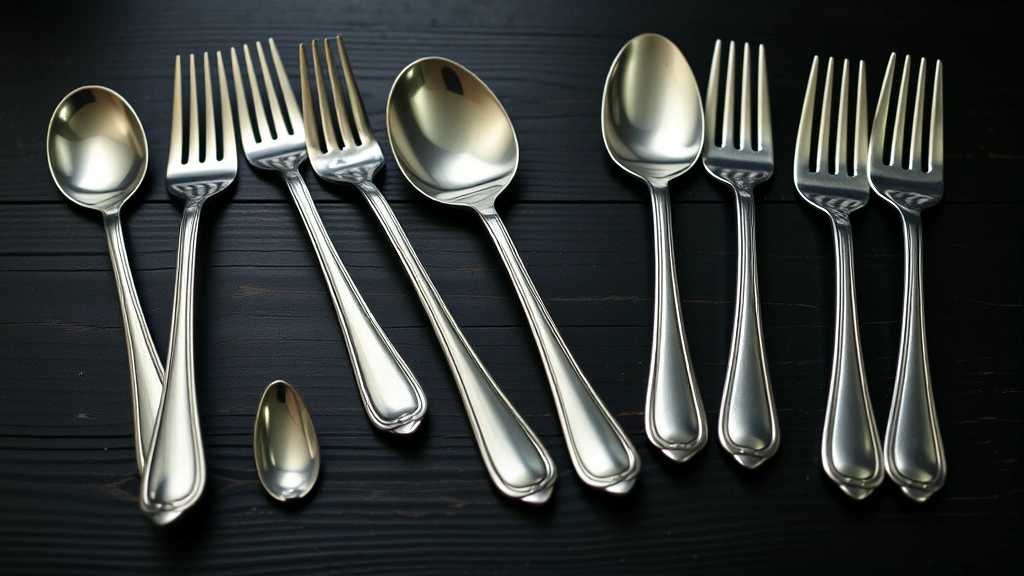
Learning how to clean silverware is one of those skills that separates folks who actually use their nice pieces from those who let them tarnish in a drawer. Tarnish happens—it’s just oxidation doing its thing—but it doesn’t have to be permanent. I’ve tested every method under the sun, from baking soda pastes to fancy commercial dips, and I’m here to walk you through the ones that actually deliver results without trashing your flatware.
Table of Contents
Why Silverware Tarnishes
Before you start scrubbing, understand what you’re fighting. Silver tarnish is silver sulfide—basically what happens when silver reacts with sulfur compounds in the air. It’s not dirt; it’s a chemical reaction. That dark, dull coating builds up over time, especially if your silverware sits unused. The good news? It’s totally reversible with the right approach. Humidity, air pollution, and even certain foods can accelerate tarnishing, which is why storing your pieces properly matters just as much as cleaning them.
The Baking Soda Method
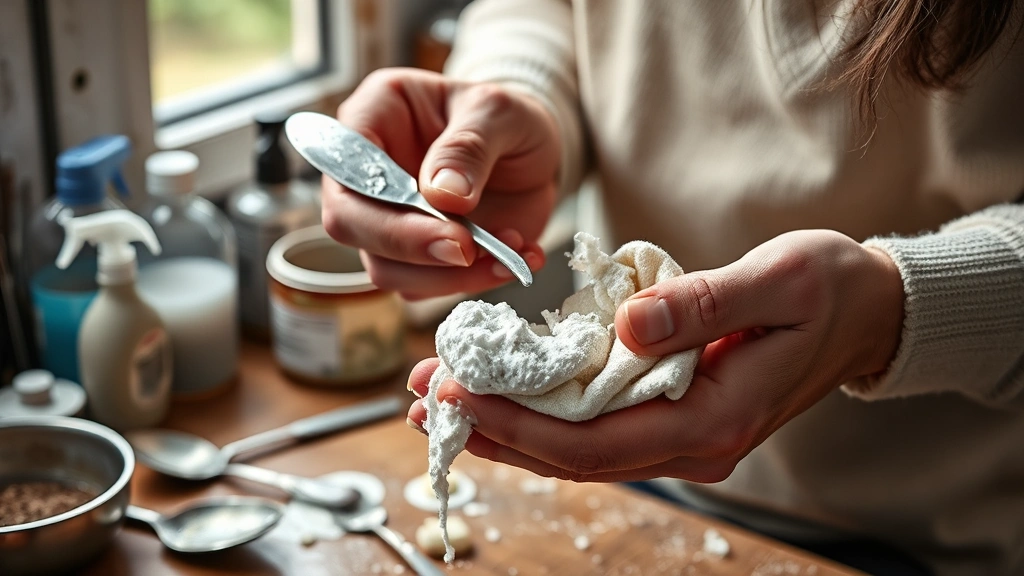
This is my go-to for light to moderate tarnish, and it costs about a dollar. Grab regular baking soda and mix it with a little water to create a thick paste—think toothpaste consistency. Apply it directly to your silverware with a soft cloth, using gentle circular motions. Don’t scrub hard; let the paste do the work. Rinse thoroughly under warm water and dry immediately with a microfiber cloth. For stubborn spots, let the paste sit for 5-10 minutes before buffing. This method is safe for all silver types and won’t scratch your pieces if you keep the pressure light. I’ve used this on everything from spoons to serving platters, and it works like a charm.
Aluminum Foil & Water Trick
This is the clever chemistry hack that feels like magic. Line a bowl with aluminum foil (shiny side up), add your tarnished silverware, then pour hot water over everything. Add a tablespoon of baking soda to the water. The tarnish transfers from your silver to the foil through an electrochemical reaction—no scrubbing required. Let it sit for 5-15 minutes depending on how heavy the tarnish is. Remove your silverware, rinse it well, and dry immediately. This method works best for pieces with intricate patterns where paste methods get stuck in crevices. Fair warning: the water will smell like rotten eggs (that’s the sulfur releasing), but it’s totally normal and harmless.
Vinegar & Baking Soda Paste
Combine white vinegar with baking soda to create a fizzy paste that tackles tough tarnish. The chemical reaction between the acid and base creates an abrasive that works deeper than baking soda alone. Mix them in a small bowl until you get a spreadable consistency, then apply to your silverware. Use a soft-bristled brush or cloth to work it in gently, especially on detailed handles and decorative areas. Let it sit for 10-15 minutes, then rinse under cool water and dry thoroughly. This method is stronger than plain baking soda, so save it for pieces with heavy tarnish. Test it on an inconspicuous spot first if you’re nervous—it’s still gentle, but more aggressive than the basic method.
Lemon Juice & Salt Scrub
For a natural approach that smells better than vinegar, mix fresh lemon juice with fine salt. The citric acid cuts through tarnish while the salt provides gentle abrasion. Create a paste, apply it to your silverware, and buff with a soft cloth using small circular motions. This method works particularly well on forks and spoons where you can get into the grooves. Lemon is gentler than vinegar, making it ideal for antique or delicate pieces. Rinse immediately and dry with a clean cloth. The fresh lemon scent is a bonus compared to other methods, and you probably have both ingredients in your kitchen already.
Commercial Silver Polish
Sometimes the store-bought route makes sense, especially for valuable or antique silverware. Products like Hagerty or Tarnish Guard are specifically formulated for silver and often include protective coatings. Follow the manufacturer’s instructions exactly—these polishes are stronger than DIY methods and can damage pieces if misused. Apply with the provided cloth or a soft microfiber cloth, buff gently, and rinse thoroughly. Commercial polishes often leave a protective layer that slows future tarnishing, which is worth the extra cost if you use your silverware regularly. For heirloom pieces, this might be your safest bet.
Prevention & Storage Tips
Here’s the real secret: prevention beats cleaning every time. Store your silverware in a cool, dry place—ideally in tarnish-resistant cloth or bags designed for silver storage. Avoid rubber bands or plastic wrap, which can trap moisture and accelerate tarnishing. If you store pieces in a drawer, use anti-tarnish strips or chalk nearby to absorb sulfur compounds. Use your silverware regularly; ironically, handling silver actually slows tarnishing because it prevents sulfur buildup. Wash pieces by hand with mild soap and warm water immediately after use, then dry them completely. This simple habit prevents most tarnishing before it starts. Keep silverware away from foods with high sulfur content—eggs, onions, and certain condiments speed up oxidation.
When to Call a Professional
Some situations demand professional help. If your silverware has deep pitting, severe corrosion, or damage from improper cleaning, a professional silversmith can restore it properly. Antique or heirloom pieces with significant sentimental value deserve expert care—they might have special finishes or patinas you don’t want to accidentally remove. Professional restoration costs more upfront but protects irreplaceable pieces. For everyday silverware, DIY methods work great. But when it’s grandma’s 1920s service for twelve, that’s worth the investment in professional restoration. Check with local jewelers or antique dealers for referrals to reputable silver restoration specialists.
Frequently Asked Questions
Is it safe to clean silverware in the dishwasher?
No—avoid the dishwasher entirely. The harsh detergents and high heat accelerate tarnishing and can damage decorative handles or patterns. Hand wash always, with mild soap and warm water, then dry immediately. This takes five extra minutes and keeps your pieces in better condition long-term.
Can I use toothpaste to clean silver?
Technically yes, but I don’t recommend it. Most toothpastes contain abrasives designed for teeth, not silver, and they can scratch the surface. Stick with baking soda or purpose-made silver cleaners. If you’re in a pinch, use the gentlest toothpaste you can find and apply minimal pressure.
How often should I clean my silverware?
That depends on usage and storage. If you use pieces regularly and store them properly, you might clean them once or twice a year. If they sit in a drawer, plan on cleaning every 6-12 months. Heavy tarnish develops faster in humid climates or homes near the ocean due to salt air.
Will these methods work on silver-plated items?
Yes, but be gentler. Silver-plated pieces have a thin silver layer over base metal, so aggressive scrubbing can wear through the plating. Use baking soda or the aluminum foil method rather than commercial polishes. Test on the back of a piece first.
What’s the difference between tarnish and damage?
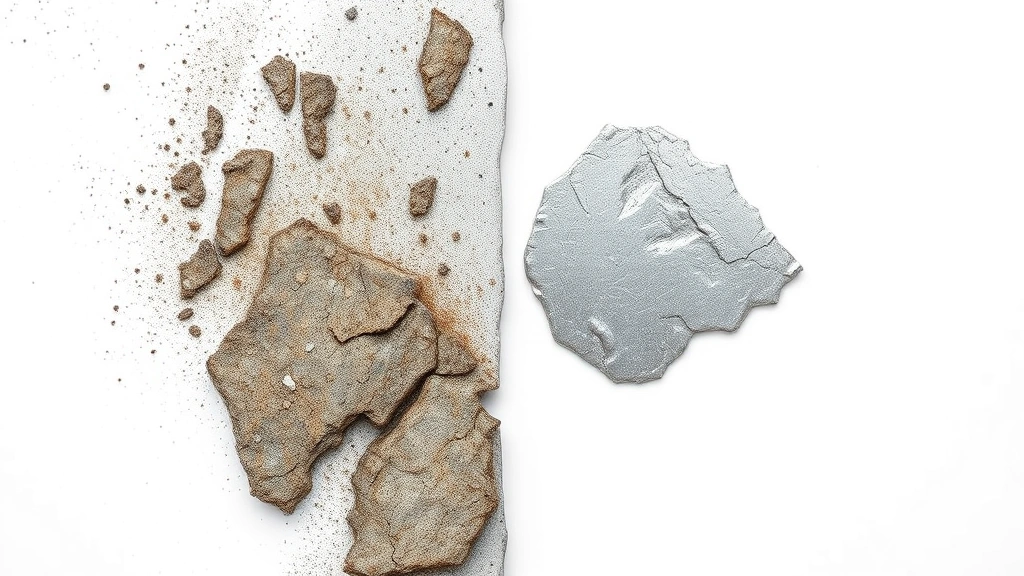
Tarnish is surface oxidation—it cleans off. Damage includes pitting, dents, or scratches that are permanent. These methods remove tarnish but won’t fix structural damage. If your silverware has deep pits or missing material, professional restoration is your only option.
Can I prevent tarnish completely?
Not entirely—silver will tarnish eventually. But proper storage, regular use, and immediate drying after washing slow it dramatically. Anti-tarnish strips and protective bags help, but nothing stops oxidation forever. That’s just the nature of silver.
Is the aluminum foil method safe for all silver types?
It’s safe for sterling and most silver, but test antique pieces first. The electrochemical reaction is gentle, but some antique finishes or patinas might be affected. Do a small test area on the back of a piece before committing to the full method.
At the end of the day, how to clean silverware isn’t complicated—it’s just about choosing the right method for your situation and maintaining good habits. Start with baking soda for routine maintenance, escalate to vinegar paste for stubborn tarnish, and save commercial products for valuable pieces. Store smart, use regularly, and you’ll spend way less time cleaning and more time actually enjoying your silverware. These methods have worked for me across dozens of pieces, from everyday forks to fancy serving trays, and they’ll work for you too. Stop letting that silver sit in the dark—get it out, clean it up, and use it.


