
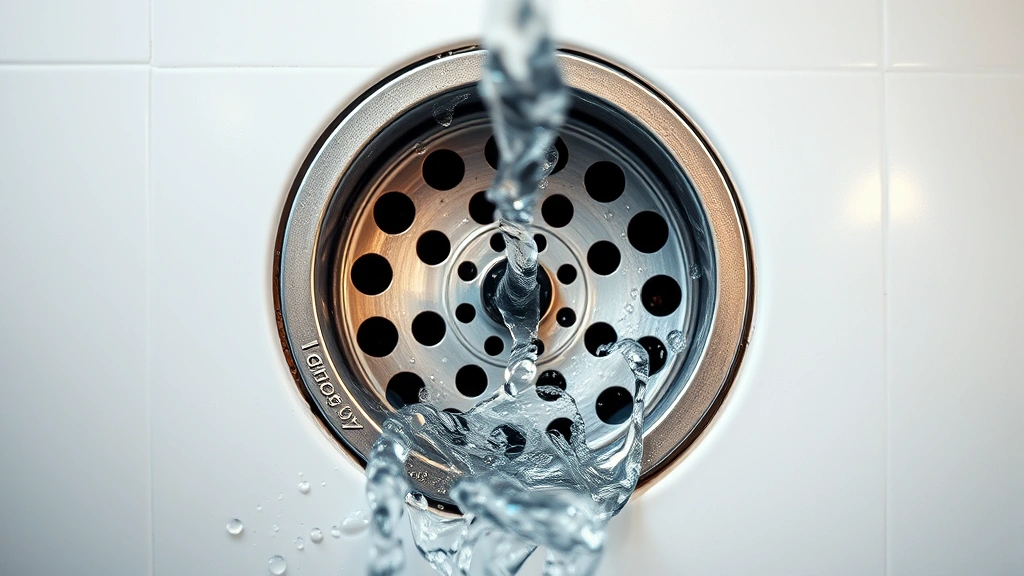
Learning how to clean shower drain is one of those essential home maintenance skills that saves you hundreds in plumber bills and keeps your bathroom running smooth. A clogged drain doesn’t just slow down your shower—it can lead to standing water, mold growth, and some seriously unpleasant odors. The good news? You don’t need fancy tools or chemical nasties to get the job done. I’m going to walk you through five proven methods that actually work, from simple solutions you’ve probably got lying around your house right now to slightly more heavy-duty approaches when you need them.
Table of Contents
Why Drains Clog
Before we dive into solutions, let’s talk about what’s actually happening in there. Your shower drain is basically a hair and soap scum magnet. Every time you shower, you’re shedding anywhere from 50 to 100 strands of hair down that drain. Mix that with dead skin cells, soap residue, and mineral buildup, and you’ve got a perfect recipe for a slow drain that eventually becomes completely blocked. The culprit isn’t usually one massive clog—it’s layers of gunk building up over time. Understanding this helps you pick the right cleaning method because different clogs need different approaches.
Baking Soda & Vinegar Method
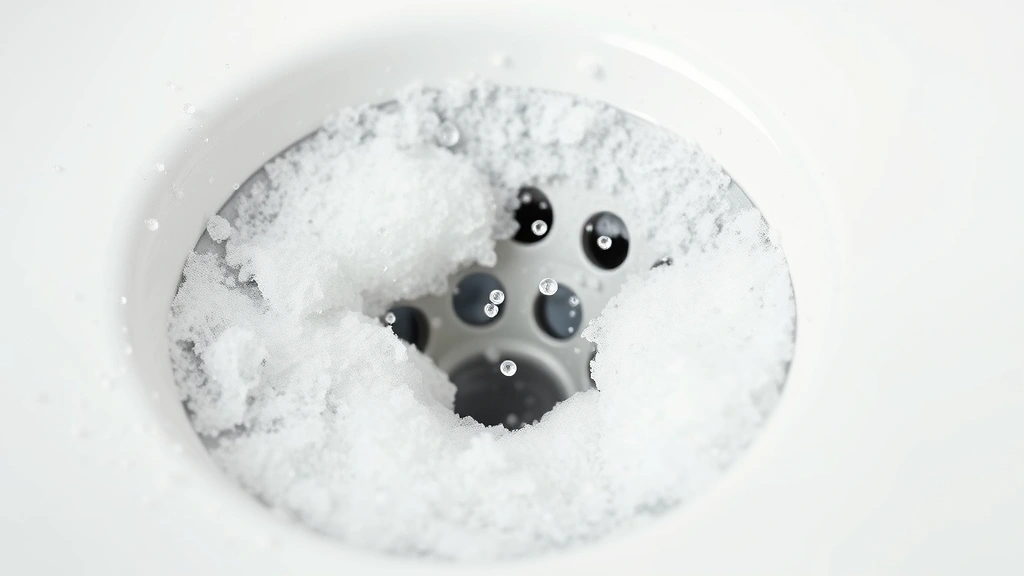
This is my go-to first move, and honestly, it works better than people expect. Start by removing any visible debris from the drain opening—grab a flashlight and pull out whatever hair you can see. Then pour about half a cup of baking soda directly down the drain. Follow that with a cup of white vinegar. You’ll get this satisfying fizzing action that’s actually doing real work breaking down buildup. Cover the drain with a wet cloth or drain stopper and let it sit for 30 minutes. While you’re waiting, boil a kettle of water. After the 30 minutes are up, pour that boiling water down the drain. The combination of the chemical reaction plus heat is surprisingly effective for minor to moderate clogs. This method is safe, non-toxic, and uses stuff you probably already have in your kitchen.
The Plunger Technique
A lot of people think plungers are just for toilets, but they’re equally effective on shower drains. You need a standard cup plunger—not a flange plunger. Fill your tub with a few inches of water so there’s enough liquid to create a seal. Place the plunger directly over the drain, making sure it covers the opening completely. Push down and pull up vigorously about 15-20 times in quick succession. The suction and pressure you create can dislodge clogs that are sitting closer to the surface. If water starts draining, you’ve got it. Keep plunging until the water runs freely. This method works great for hair clogs because it physically breaks apart the blockage rather than trying to dissolve it.
Drain Snake Approach
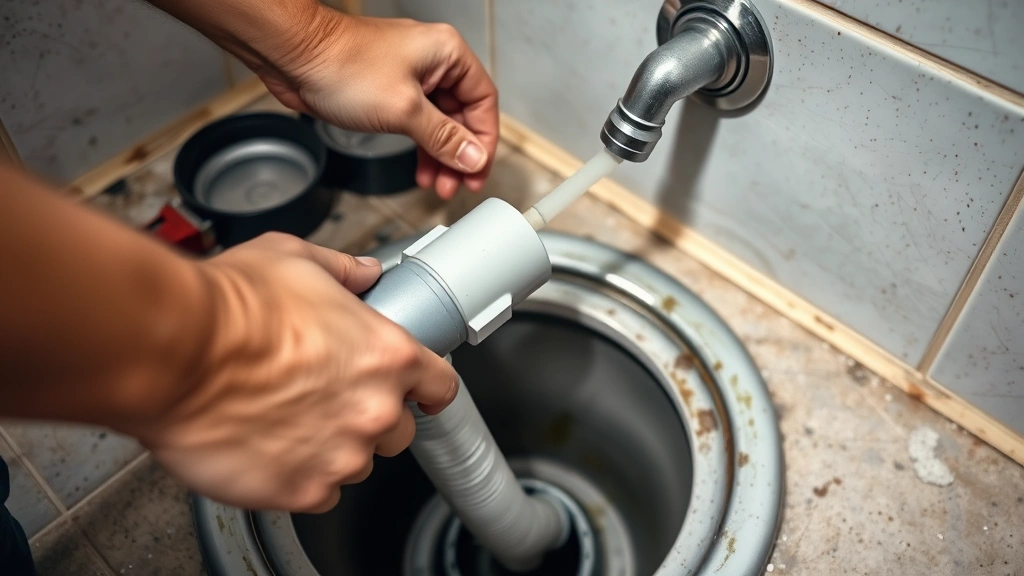
When you need to go deeper, a drain snake is your best friend. You can grab a basic plastic drain snake for about $5 to $10 at any hardware store—no need to spend big money. Feed the snake down the drain slowly, rotating it as you go. When you feel resistance, you’ve hit the clog. Keep rotating and pushing until you break through it or pull out a chunk of hair and gunk. It’s actually pretty satisfying watching years of buildup come out of that drain. Some snakes have little hooks or barbs on the end that catch hair specifically. If you’re dealing with a stubborn clog that baking soda and vinegar didn’t touch, this is your next step. Just be gentle—you’re not trying to damage your pipes, just clear the blockage.
Boiling Water Method
Sometimes the simplest approach is the best one. This works especially well if your clog is mainly soap scum and mineral deposits rather than hair. Boil a large kettle of water—like 2 to 3 quarts. Carefully pour it slowly down the drain in stages, giving each pour a minute to work before adding more. The heat softens soap buildup and helps flush debris through. This method is free, takes five minutes, and works for maintenance too. I do this once a month on all my drains as a preventive measure. The key is using truly boiling water—not hot tap water. That temperature difference is what makes it effective. Fair warning: if you have PVC pipes, be cautious with boiling water as extreme heat can damage them. Check your plumbing type first if you’re unsure.
Enzyme Drain Cleaner
If you want something stronger than baking soda but safer than commercial chemical drain cleaners, enzyme-based drain cleaners are the sweet spot. These use natural enzymes to break down organic material like hair and soap scum. Pour the enzyme cleaner down your drain according to package directions—usually you let it sit overnight. The enzymes work while you sleep, and by morning your drain should be flowing better. These are safer for your pipes than harsh chemicals, better for the environment, and they don’t produce toxic fumes. You can find them at most hardware stores or online. They cost a bit more than baking soda but less than calling a plumber, and they’re genuinely effective on stubborn clogs.
Prevention Tips That Work
Here’s the thing about drains—an ounce of prevention really is worth a pound of cure. Install a simple hair trap or drain strainer in your shower. These cost a couple bucks and catch 90% of the hair before it goes down the drain. Empty it after each shower. Run hot water down your drain for 30 seconds after every shower to help flush debris through. Once a month, do the baking soda and vinegar treatment as maintenance—not waiting until you have a problem. Avoid pouring thick products like conditioner directly down the drain; rinse them out thoroughly. These small habits add up to drains that rarely clog. I’ve got clients who follow this routine and haven’t had a clogged shower drain in years. It’s honestly easier than dealing with a blocked drain after the fact.
When to Call a Pro
Know when you’re in over your head. If you’ve tried all five methods and your drain is still backing up, you’ve got a problem deeper in your plumbing system. If water is backing up into other drains in your house, that’s a sign of a main line issue. If you hear gurgling sounds from your toilet when you shower, same thing. If you see sewage or notice a foul smell that won’t go away, call a professional immediately. A plumber has tools like video cameras and motorized snakes that can diagnose and fix problems you can’t tackle yourself. It’s not cheap, but it beats a flooded bathroom or contaminated plumbing. Most plumbers charge $100 to $300 for a service call plus the cost of repairs, which is worth it for peace of mind and proper diagnosis.
Frequently Asked Questions
Can I use Drano or similar chemical drain cleaners?
You technically can, but I don’t recommend it. Chemical drain cleaners are harsh on pipes, create toxic fumes, and aren’t actually more effective than the methods I’ve outlined. They’re also dangerous if you have kids or pets around. Save them as a last resort, and always follow safety instructions if you do use them. The methods in this guide work just as well without the risks.
How often should I clean my shower drain?
Monthly maintenance with baking soda and vinegar or boiling water keeps clogs from forming. If you have long hair or multiple people showering daily, you might want to do it every two weeks. If you live alone with short hair, monthly is fine. The goal is preventing major clogs, not dealing with emergencies.
Will these methods damage my pipes?
No. Baking soda, vinegar, boiling water, drain snakes, and enzyme cleaners are all safe for standard residential plumbing. The only caution is boiling water on PVC pipes—use warm water instead if that’s your situation. Chemical drain cleaners are actually more likely to damage pipes over time.
What’s the difference between a drain snake and a plumbing auger?
A drain snake is the basic hand-cranked version that works great for shower and sink drains. A plumbing auger is motorized and more powerful, designed for main line clogs. For shower drains, a simple snake is all you need and costs way less.
Why does my drain smell bad even after cleaning?
That’s usually mold or bacteria growing in the trap. Try flushing with boiling water regularly, and consider doing the baking soda and vinegar treatment monthly. If the smell persists, there might be a venting issue in your plumbing—time to call a plumber.
Final Thoughts
Learning how to clean shower drain properly saves you money, prevents water damage, and keeps your bathroom functioning right. Start with the simplest method—baking soda and vinegar—and work your way up if needed. Most clogs clear with one of these five approaches. The real win is staying consistent with monthly maintenance so you never deal with a completely blocked drain in the first place. Your future self will thank you when you’re not stuck with standing water or waiting for a plumber to show up. These are skills worth having in your home maintenance toolkit, right up there with knowing how to fix a leaky faucet or patch drywall. Get a drain strainer, do your monthly maintenance, and you’ll barely think about your drains again.


