
Learning how to clean shower curtain is one of those bathroom tasks that seems daunting until you realize it takes about fifteen minutes and some stuff you probably already have at home. Whether you’re dealing with soap scum, mildew, or that mysterious pink buildup, I’ve got five battle-tested methods that actually work without requiring you to replace the curtain every season.
Table of Contents
Why Shower Curtains Get Gross
Before we jump into solutions, let’s talk about why your shower curtain looks like it’s been through a swamp. Bathrooms are basically humidity factories. Every time someone showers, moisture condenses on that curtain, creating the perfect breeding ground for mildew, mold, and bacteria. Add soap residue, body oils, and hard water deposits, and you’ve got a nasty cocktail of gunk that builds up over weeks and months.
The good news? This buildup is totally preventable with regular cleaning. Think of it like maintaining your car—a little attention now saves you from major problems later. Most shower curtains can last years if you actually clean them instead of just replacing them every time they get discolored.
Method One: Washing Machine
This is my go-to method because it’s lazy-person friendly and actually works great. Most fabric shower curtains (not the plastic ones) can handle a gentle machine wash. Here’s the process:
First, remove the curtain from the rings and toss it in the washing machine. Add a cup of white vinegar to the rinse cycle—this tackles mildew naturally without harsh chemicals. Use warm water and a gentle cycle, then throw in a couple of clean towels to help agitate the curtain gently.
The towels act like little scrubbing buddies, helping loosen stubborn buildup without damaging the fabric. Toss in a regular detergent you’d use for any laundry, nothing special needed. After the cycle finishes, hang the curtain back up while it’s still damp so it dries in place and doesn’t wrinkle.
Pro tip: Don’t use the dryer. Heat can damage some fabrics and set stains permanently. Air drying is your friend here. This method works especially well for canvas or cotton curtains and typically takes about 45 minutes total.
Method Two: Vinegar Soak
White vinegar is basically liquid gold for bathroom cleaning. It’s cheap, non-toxic, and destroys mildew and soap scum like nothing else. For this method, fill your bathtub with warm water and add two cups of white vinegar.
Remove the shower curtain and submerge it completely in the tub. Let it soak for 30 minutes to an hour—the longer, the better for stubborn stains. The vinegar breaks down mineral deposits and kills mold spores naturally. After soaking, use an old toothbrush or soft scrub brush to gently work away any remaining buildup, especially along the bottom where gunk tends to accumulate.
Rinse thoroughly under running water until the vinegar smell fades (it will), then hang it back up to dry. This method is gentler than harsh chemicals and works surprisingly well for plastic curtains too. If you’re worried about the vinegar smell, it completely dissipates once the curtain dries.
Method Three: Baking Soda Paste
When you need serious scrubbing power, baking soda is your secret weapon. Mix baking soda with a little water to create a thick paste—you want it spreadable but not runny. This stuff is mildly abrasive but won’t scratch or damage your curtain.
Apply the paste directly to problem areas, focusing on mildew spots, soap scum buildup, and those mysterious stains along the bottom. Let it sit for 10-15 minutes while the baking soda works its magic. Then grab a soft brush and gently scrub in circular motions. The combination of mild abrasion and chemical action breaks down buildup effectively.
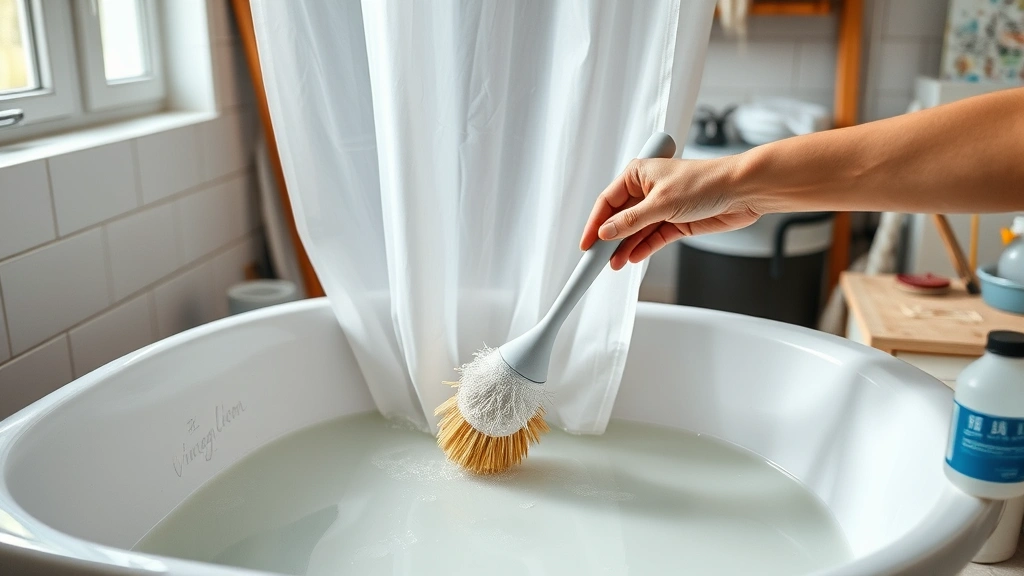
This is particularly effective for plastic shower curtains that can’t handle aggressive scrubbing. Rinse thoroughly and hang to dry. You can also add a few drops of tea tree oil or lavender oil to the paste for antimicrobial benefits and a fresh scent.
Method Four: Bleach Spray
This is the nuclear option, reserved for serious mold and mildew situations. Mix one part bleach with ten parts water in a spray bottle. Never use undiluted bleach—it’ll damage your curtain and is way too harsh.
Spray the solution directly onto affected areas and let it sit for 5-10 minutes. The bleach kills mold spores and bacteria on contact. After sitting, scrub gently with a soft brush, then rinse extremely thoroughly. Make sure your bathroom is well-ventilated when using bleach, and wear gloves to protect your skin.
Bleach works fast and kills nearly everything, but it can discolor some fabrics, so test on an inconspicuous area first. This method is best for white or light-colored curtains. Skip this if you have a fabric curtain you really like—stick to vinegar or baking soda instead.
Method Five: Commercial Cleaners
Sometimes you just want to grab something off the shelf and get the job done. Commercial bathroom cleaners like Scrubbing Bubbles or Clorox work fine for shower curtains. Follow the label instructions carefully, spray on the affected areas, let it sit, then scrub and rinse.
The advantage here is convenience and reliability. The disadvantage is cost and exposure to chemicals. If you go this route, ensure good ventilation and wear gloves. These cleaners are formulated to break down soap scum and kill mold quickly, so results are usually visible within minutes.
Many people find that combining a commercial cleaner with a soft brush gives the fastest results. According to the experts at Family Handyman, commercial bathroom cleaners often contain surfactants that help lift stubborn buildup more effectively than homemade solutions alone.
Prevention Tips That Actually Work
Here’s the thing about shower curtains: an ounce of prevention is worth a pound of cleaning. After every shower, pull the curtain fully open so air can circulate. This is the single most important step. Moisture trapped in folds creates mildew instantly.
Squeegee your curtain after showers if you’re really committed. This removes excess water and speeds drying. Run your bathroom exhaust fan during and for 20 minutes after showers to remove humidity. If you don’t have an exhaust fan, crack a window.
Consider switching to a fabric shower curtain liner instead of plastic. Fabric breathes better and doesn’t trap moisture the same way. You can also buy treated liners with antimicrobial properties. Replace liners every 6-12 months if they’re cheap plastic ones—it’s often cheaper than constant cleaning.
Clean your shower curtain monthly as preventive maintenance rather than waiting until it’s gross. This keeps buildup from getting out of control. Think of it like brushing your teeth daily instead of waiting for a root canal.
When to Replace Instead
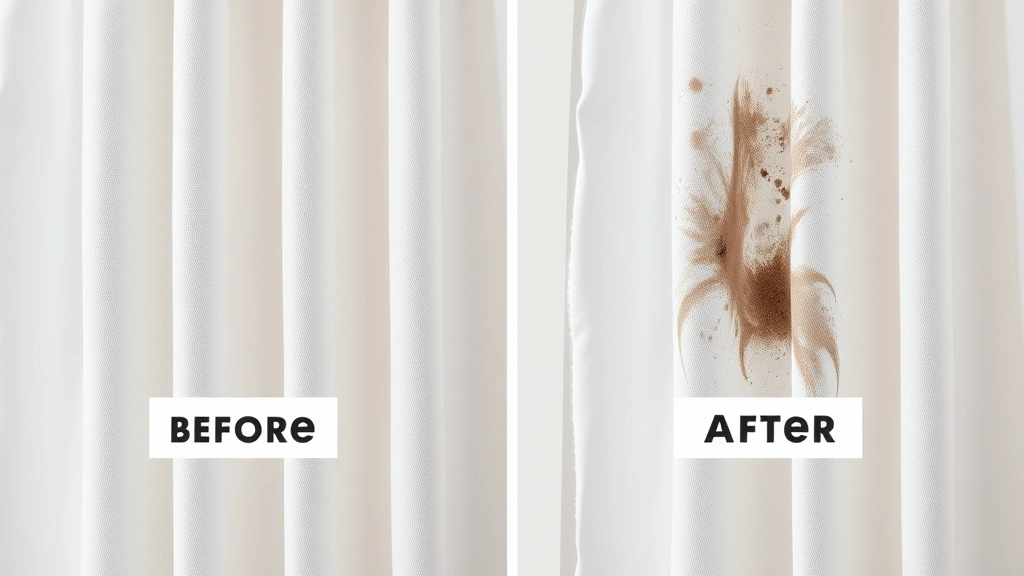
Sometimes cleaning isn’t worth the effort. If your curtain has permanent stains, tears, or holes, replacement is the way to go. A new shower curtain costs $10-30 and lasts 1-2 years with proper care.
If the fabric is deteriorating, becoming brittle, or developing a musty smell that won’t go away despite cleaning, it’s time for a fresh one. Plastic curtains typically last shorter than fabric ones—usually 6-12 months before they need replacing.
When buying a replacement, look for shower curtains with antimicrobial treatments or mildew-resistant properties. These cost slightly more but save you cleaning headaches. Weighted hems help keep the curtain in place and prevent moisture from getting trapped behind it.
Frequently Asked Questions
Can I wash my shower curtain in the washing machine?
Yes, most fabric shower curtains can be washed on a gentle cycle with warm water and vinegar. Plastic or vinyl curtains shouldn’t go in the machine—use soaking or spray methods instead. Always check the manufacturer’s label first to confirm.
What’s the best way to remove mildew from shower curtains?
White vinegar soak is the gentlest effective method for mildew removal. For stubborn cases, a baking soda paste or diluted bleach spray works faster. The key is letting the cleaner sit for 10-30 minutes before scrubbing to give it time to break down the mold.
How often should I clean my shower curtain?
Monthly cleaning prevents serious buildup. If you live in a humid climate or have poor bathroom ventilation, clean every two weeks. Daily habit of opening the curtain fully after showers reduces cleaning frequency significantly.
Is it safe to use bleach on shower curtains?
Diluted bleach (1:10 ratio) is safe for white curtains but can discolor fabric or colored curtains. Always test on a hidden area first, ensure ventilation, and wear gloves. Vinegar or baking soda are safer alternatives for colored fabrics.
Why does my shower curtain smell even after cleaning?
Musty smells often indicate mold spores deep in the fabric that surface cleaning doesn’t reach. Try a full soak in vinegar or a washing machine cycle. If the smell returns quickly, the curtain may need replacing as spores have deeply colonized the material.
Can I prevent mildew on shower curtains?
Absolutely. Open the curtain fully after showers, run exhaust fans, and ensure good air circulation. Squeegee excess water, replace plastic liners regularly, and do monthly preventive cleaning. These habits stop mildew before it starts.


