

Learning how to clean off sticker residue is one of those essential DIY skills that’ll save you hours of frustration. Whether you’re dealing with price tags on new glassware, old bumper stickers on your car, or adhesive left behind on furniture, that sticky mess doesn’t have to be permanent. I’ve tackled this problem countless times in the workshop, and I’m going to walk you through the most reliable techniques that actually work.
Table of Contents
Why Sticker Residue Happens
Before we jump into solutions, let’s understand what we’re dealing with. Sticker adhesive is designed to bond permanently—that’s its job. Over time, the sticker itself deteriorates and peels away, but the adhesive stays put, oxidizing and hardening into that stubborn, gummy mess. The longer a sticker sits, the more it bonds to the surface beneath it. Temperature, humidity, and UV exposure all accelerate this process.
The key to successful removal is choosing the right method for your specific surface. Plastic requires different treatment than glass or painted wood. That’s why I’ve broken this down into specific techniques you can deploy based on what you’re working with.
Heat Gun Method Works Best
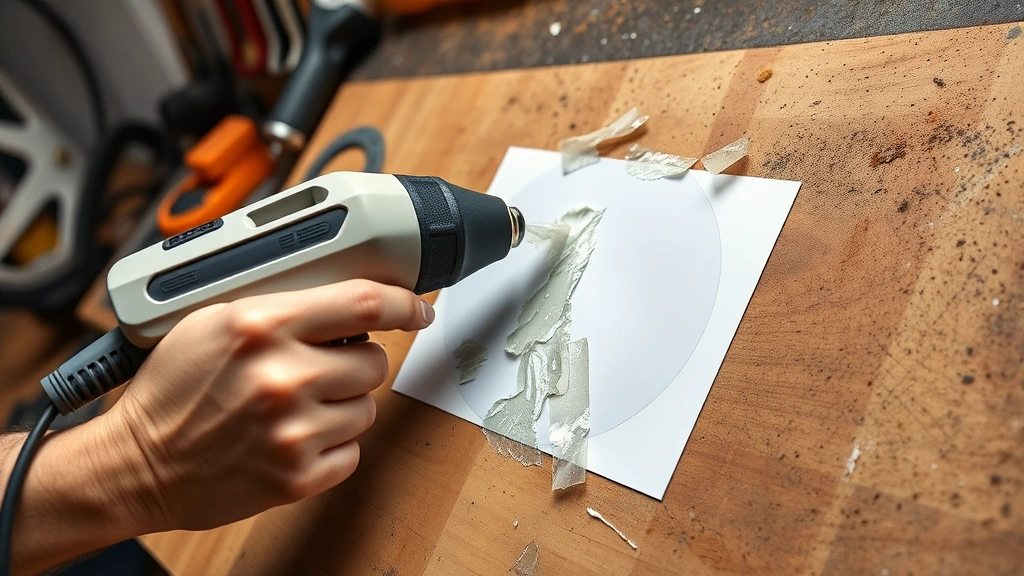
This is my go-to approach for most applications, and it’s surprisingly effective. A heat gun (or even a hair dryer on high) warms up the adhesive, making it pliable and easier to manipulate. Here’s the process:
Set your heat gun to medium heat—you don’t want to scorch the surface or melt plastic. Hold it 4-6 inches away from the residue and apply heat for 30-60 seconds. You’ll feel the adhesive soften. Using your thumb or a plastic scraper, gently roll the residue into a ball. The warmth makes it cohesive, and it’ll clump together rather than smearing. Work slowly—rushing this step means you’ll just spread the gunk around.
This method works exceptionally well on car bumpers, appliances, and painted surfaces where you need to avoid harsh chemicals. The beauty of heat is that it requires zero chemical solvents, making it safe for virtually any material.
Rubbing Alcohol Technique
Isopropyl alcohol is a powerhouse solvent that breaks down adhesive without damaging most surfaces. I keep a bottle in my workshop specifically for this task. Soak a cloth in 70% or 90% isopropyl alcohol and press it directly onto the residue for 2-3 minutes. Let the alcohol penetrate and soften the adhesive.
Once saturated, use a plastic scraper or old credit card to gently lift the residue. Work at a low angle to avoid gouging the surface beneath. If the residue is stubborn, reapply alcohol and wait another minute. You might need to repeat this process 2-3 times for heavy buildup.
Rubbing alcohol evaporates quickly, which is both a pro and a con—you won’t have lingering chemical smell, but you’ll need to reapply frequently. This method is safe on glass, metal, and most plastics, though I’d test it on painted surfaces first.
Oil-Based Solutions Work Wonders
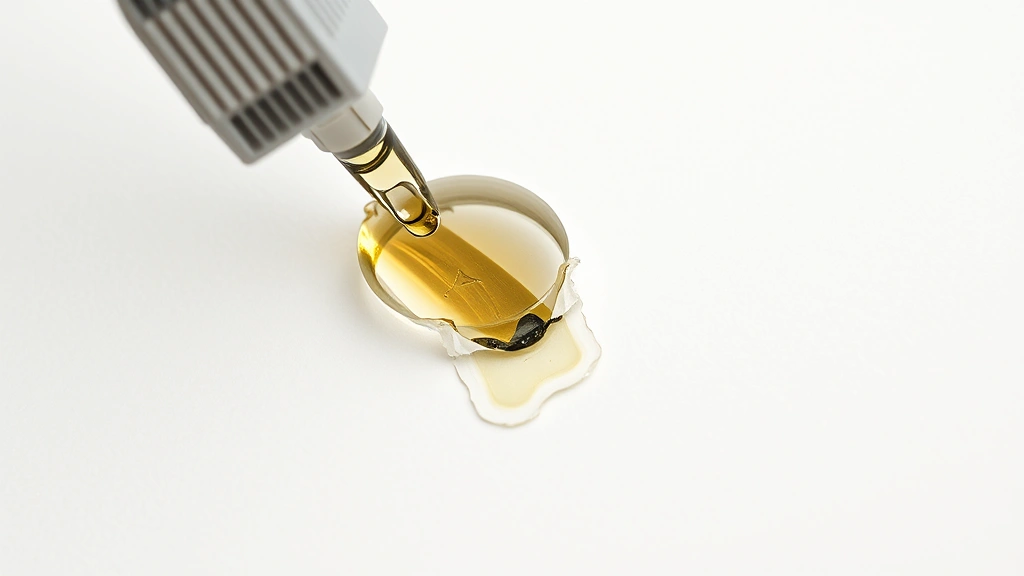
Cooking oil, coconut oil, or even peanut butter can dissolve adhesive effectively. Yes, peanut butter—the oils break down the sticker residue’s molecular bonds. Apply a generous amount directly to the residue and let it sit for 5-10 minutes. The oils penetrate and soften the adhesive, making removal much easier.
Use a soft cloth to rub the residue gently, working in circular motions. You’ll notice the adhesive starting to ball up and separate from the surface. For stubborn spots, reapply oil and wait longer. Once you’ve removed the bulk of the residue, wipe the surface with a damp cloth to remove excess oil.
The downside? Oil leaves a greasy residue that requires additional cleaning. But for delicate surfaces like antique wood or certain varnishes, oil is gentler than solvents. It’s also completely non-toxic and safe around kids and pets.
Commercial Adhesive Removers
Products like Goo Gone are engineered specifically for this task. They contain citrus-based solvents that dissolve adhesive quickly and effectively. Spray directly onto the residue, let it sit for 10-15 minutes, then scrape away with a plastic tool.
These products work fast—often faster than DIY methods—but they come with stronger chemical odors and potential surface compatibility issues. Always test on an inconspicuous area first. They’re excellent for heavy-duty jobs on metal or plastic but overkill for light residue on glass.
Follow the product instructions carefully, ensure proper ventilation, and wear gloves if you have sensitive skin. Commercial removers are your power tool option when gentler methods aren’t cutting it.
Vinegar & Baking Soda Combo
This is the most eco-friendly approach and works surprisingly well for moderate residue. Mix baking soda with white vinegar to create a paste—aim for a consistency similar to peanut butter. Apply this paste directly to the sticker residue and let it sit for 15-20 minutes.
The acidity of vinegar combined with the mild abrasiveness of baking soda creates a gentle but effective cleaning action. Use a soft cloth or old toothbrush to work the paste in circular motions. Rinse thoroughly with water when finished. This method is completely safe for all surfaces, including delicate finishes.
The trade-off is time—this method requires patience and multiple applications for heavy residue. It’s perfect for household items, children’s toys, or anywhere you want to avoid harsh chemicals entirely. Your surface will also smell like vinegar temporarily, but that dissipates quickly.
Surface-Specific Tips Matter
Glass surfaces are forgiving—nearly every method works on glass. Heat guns, alcohol, oils, commercial removers—go with whatever’s convenient. Glass won’t be damaged by aggressive scraping, so you can be more forceful here than with other materials.
Painted surfaces require caution. Avoid aggressive scraping and harsh solvents that might strip paint. Stick with heat guns, rubbing alcohol, or oil-based methods. Test anything new in an inconspicuous corner first.
Plastic is sensitive to certain solvents. Avoid acetone and some commercial removers that can dissolve or dull plastic. Heat guns and rubbing alcohol are your safest bets. For delicate plastics, oil-based methods are ideal.
Wood surfaces benefit from oil-based approaches or gentle heat. Avoid soaking wood with water-based solutions, as this can cause swelling and finish damage. If you’re waiting for paint to dry on a wood project, hold off on sticker removal until the finish is fully cured.
Metal surfaces are nearly indestructible—use whatever method is fastest. Commercial removers work great on metal. For car paint, however, treat it like painted surfaces and use gentler techniques.
Prevention Strategies Save Time
The best sticker residue is the one you never have to clean. When purchasing items with stickers, remove them immediately before adhesive sets. Fresh stickers peel off cleanly with minimal residue.
Store items in cool, dry conditions when possible. Heat and humidity accelerate adhesive hardening. If you know you’ll need to remove a sticker eventually, keep the item away from direct sunlight.
For items you want to keep pristine, apply a thin layer of oil or wax before stickers go on. This creates a barrier that prevents adhesive from bonding directly to the surface. I do this for workshop tools and equipment frequently.
When labeling items yourself, use painter’s tape or removable stickers designed for temporary application. These cost slightly more but save enormous time and frustration later. If you’re framing a puzzle or displaying collectibles, choose acid-free, removable adhesive products from the start.
Pro Tips from the Workshop
Always work slowly and patiently. Rushing leads to surface damage and incomplete residue removal. Multiple gentle passes beat one aggressive scrape every time.
Keep your scraping tools soft—plastic, rubber, or wooden tools are better than metal for most surfaces. Metal scrapers should only be used on metal or glass.
Combine methods for stubborn residue. Heat followed by alcohol, then oil if needed. Layering techniques often works better than relying on a single approach.
Protect your hands. Many of these methods involve solvents or repeated friction. Wear gloves and take breaks. Your hands will thank you.
For cleaning delicate items like humidifiers, avoid getting solvents into mechanical areas. Stick with gentler methods and focus on external surfaces only.
Frequently Asked Questions
How long does it take to remove sticker residue?
Time varies by method and residue thickness. Heat gun methods typically take 5-10 minutes. Oil and vinegar methods require 15-30 minutes including sitting time. Commercial removers work fastest at 10-15 minutes. Fresh residue comes off in minutes; old, hardened residue takes longer.
Can I use WD-40 to remove sticker residue?
Yes, WD-40 works similarly to oil-based solutions. Spray it on, let it sit 5-10 minutes, then scrape. It’s particularly effective on metal surfaces. However, it leaves an oily residue that requires additional cleaning with degreaser or dish soap.
Will vinegar damage my surfaces?
Vinegar is acidic but mild. It’s safe on most surfaces including glass, metal, and sealed wood. Avoid prolonged contact with natural stone like marble or limestone, which can etch. Test on delicate finishes first.
Is Goo Gone safe for all surfaces?
Goo Gone works on most surfaces but can damage certain plastics, lacquers, or delicate finishes. Always test on an inconspicuous area first. Read the product label for specific material warnings.
What’s the safest method for antique items?
Oil-based methods are gentlest for antiques. Coconut oil or mineral oil won’t damage finishes. Apply, wait 10-15 minutes, then gently remove. Avoid heat guns on antique plastics or delicate veneers, which can warp or separate.
Can I use a pressure washer for sticker residue?
High-pressure water can damage surfaces and won’t effectively remove adhesive. Use pressure washers only as a final rinse after removing residue with other methods. Never use as your primary removal technique.
How do I remove sticker residue from car paint?
Use a heat gun or hair dryer first to soften adhesive. Gently roll it off with your thumb. Follow with rubbing alcohol on a soft cloth if needed. Avoid commercial removers and aggressive scraping on automotive paint. For stubborn residue, take it to a professional detailer.
Why won’t my sticker residue come off?
Old, hardened adhesive requires patience and multiple applications. Try combining methods—heat followed by alcohol, or oil with extended sitting time. Some residue simply needs overnight soaking. If all else fails, light sanding (for non-delicate surfaces) as a last resort.


