

Learning how to clean a Ninja coffee maker is one of those simple tasks that’ll keep your machine running like new and tasting better than ever. I’ve been through enough coffee makers to know that neglecting the cleaning routine turns a solid brewer into a sludgy disappointment. The good news? It takes about 15 minutes and some basic supplies you probably already have at home.
Table of Contents
Why Cleaning Matters
Your Ninja coffee maker works hard every morning, and it deserves respect. Inside those tubes and chambers, mineral deposits and old coffee oils accumulate faster than you’d think. This buildup doesn’t just affect taste—it slows down water flow, makes your machine work harder, and can eventually cause it to stop brewing altogether. Think of it like keeping your car’s engine clean; a little maintenance now saves headaches later.
The mineral deposits come from your tap water, especially if you live in a hard water area. Even filtered water leaves trace minerals behind. When these accumulate, they create a crusty layer that blocks water from flowing properly through the heating element. Your coffee tastes off, the machine takes longer to brew, and you’re basically throwing money away on a machine that’s not performing at its best.
Gather Your Supplies
Before you start, round up what you’ll need. Most of this stuff is already in your kitchen or bathroom. You’ll want white vinegar—the standard 5% acidity kind works perfectly. Grab a large bowl or measuring cup, a soft-bristled brush or old toothbrush, and some clean microfiber cloths or paper towels. If you have a pipe cleaner lying around, even better. That’s it. No fancy commercial cleaners required, though there are Ninja-specific descaling solutions available if you prefer them.
The beauty of using vinegar is that it’s food-safe, non-toxic, and cuts through mineral deposits like nobody’s business. It also costs about a dollar and won’t damage any rubber seals or internal components. I keep a dedicated bottle in my kitchen just for cleaning appliances.
Daily Rinse Routine
Here’s where most people slip up—they skip the daily maintenance. After each use, remove the filter basket and rinse it under warm running water. Don’t just dump it; actually rub your fingers through the mesh to dislodge any grounds. Then rinse the carafe with warm water and a bit of dish soap. If you use a reusable filter, give it a quick rinse too.
Empty the water reservoir and give it a quick rinse as well. This prevents stagnant water from sitting in there and developing that musty smell. It takes 30 seconds and makes a massive difference. The carafe should never go in the dishwasher unless Ninja specifically says it’s safe—hand washing extends its life significantly.
The Descaling Process
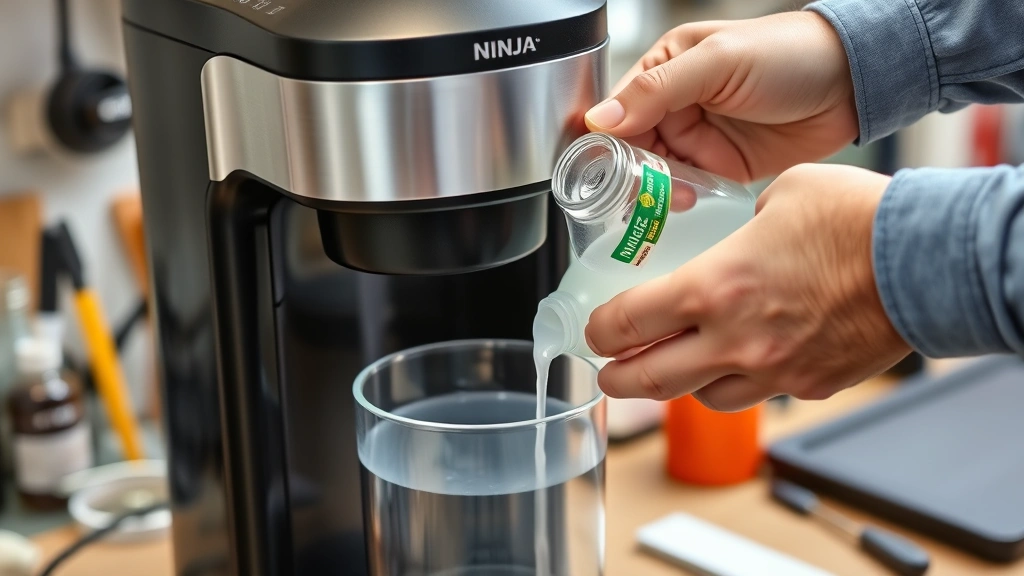
This is the heavy-duty cleaning that happens monthly or every two months, depending on your water hardness. Fill the water reservoir with equal parts white vinegar and water. For a typical Ninja, that’s about 2 cups of vinegar and 2 cups of water. Some folks use pure vinegar, but I find the diluted version works just as well and smells less intense.
Place the carafe on the warming plate and run the brew cycle normally. Let the vinegar solution flow through the entire machine. Don’t panic about the smell—it’s temporary and means the vinegar is doing its job. Once the cycle finishes, let the solution sit in the carafe for about 15 minutes. This gives the vinegar time to break down stubborn mineral deposits inside the heating element and tubes.
After that rest period, dump the vinegar solution and run two full cycles with clean water only. This rinses out all the vinegar residue. I usually do this step twice to be absolutely sure there’s no vinegar taste in my next pot of coffee. Trust me, one pot of vinegar-flavored coffee is enough to make you thorough about rinsing.
Deep Clean the Basket
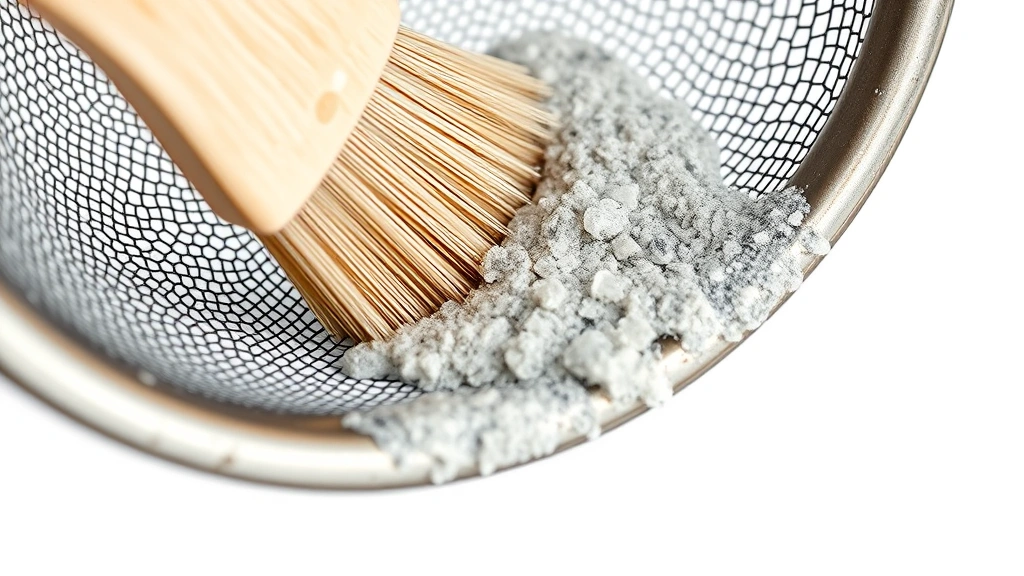
The filter basket is where grounds accumulate and oils build up. Once a month, soak it in hot water and a tablespoon of baking soda for 10 minutes. This loosens stubborn residue that regular rinsing misses. Use your soft-bristled brush to gently scrub the mesh, paying special attention to the edges where grounds like to hide.
For really stubborn buildup, make a paste of baking soda and water and let it sit on the basket for 20 minutes before scrubbing. The basket is usually plastic, so avoid anything abrasive that might scratch it. If you have a reusable filter, the same treatment applies. These filters can last years if you maintain them properly, so it’s worth the extra effort.
Carafe Care Tips
Glass carafes are tougher than they look, but they need gentle handling. If you notice a cloudy film building up inside, that’s mineral deposits. Fill the carafe with equal parts vinegar and water, let it sit for 30 minutes, then scrub with a bottle brush or cloth. For stubborn spots, add a handful of uncooked rice and shake vigorously—the rice acts as a natural abrasive without scratching the glass.
Never use bleach or harsh chemical cleaners on your carafe. Stick with vinegar, baking soda, and gentle scrubbing. If your Ninja has a thermal carafe instead of glass, the same vinegar treatment works, but skip the rice trick. Thermal carafes have a double-wall construction, and you don’t want anything getting trapped between the layers.
Prevent Mineral Buildup
The easiest way to maintain your Ninja coffee maker is to prevent problems before they start. If you have hard water, consider using filtered water in your machine. A simple pitcher filter or faucet filter makes a huge difference. You’ll notice fewer mineral deposits and longer intervals between deep cleanings.
Some folks also add a water softener specifically for their coffee maker, though that’s probably overkill unless you’re in an extremely hard water area. Another trick is to run a water-only cycle once a week without any grounds. This keeps the internal passages clear and prevents mineral from settling in low-flow areas. It’s basically preventive maintenance that takes two minutes.
Troubleshooting Common Issues
If your Ninja is brewing slower than usual, it’s almost always a mineral buildup issue. Run the descaling cycle immediately. If it’s still slow after that, run it again—sometimes stubborn deposits need two rounds of vinegar treatment. If your coffee tastes bitter or off, check the filter basket and carafe for mold or mildew. These usually develop if moisture sits too long, so make sure everything dries completely after washing.
If water leaks from the bottom, the seal might be loose or damaged. Check that all components are seated properly and aligned. If it still leaks after reassembly, you might need a replacement seal kit. Most Ninja coffee makers have readily available parts, and replacements are inexpensive. For specific troubleshooting, check your machine’s manual or contact Ninja customer service—they’re usually helpful.
If your machine isn’t turning on at all, make sure it’s plugged in and the outlet works. Some Ninja models have a safety feature that prevents operation if the carafe isn’t properly seated. Slide it in until you hear a click. If none of these fixes work, you might have an electrical issue that requires professional service.
Frequently Asked Questions
How often should I descale my Ninja coffee maker?
Monthly descaling is ideal if you have hard water. If you use filtered water and live in a soft water area, every two months works fine. Pay attention to brewing speed—if it starts slowing down, it’s time to descale regardless of the calendar.
Can I use commercial descaling solutions instead of vinegar?
Absolutely. Ninja sells their own descaling solution, and other brands work too. Follow the product instructions carefully. Many people prefer commercial solutions because they smell better and work slightly faster, but vinegar is equally effective and cheaper.
Is it safe to use vinegar in my Ninja coffee maker?
Yes, vinegar is completely safe. It won’t damage rubber seals, plastic components, or the heating element. Just make sure you rinse thoroughly afterward so you don’t get vinegar-flavored coffee.
What if my Ninja smells like vinegar after cleaning?
You didn’t rinse enough. Run two or three more cycles with plain water until the smell is gone. Some people run a cycle with lemon juice to freshen it up, which also helps remove any remaining vinegar scent.
Can I put the carafe in the dishwasher?
Check your manual first. Most glass carafes are dishwasher-safe, but thermal carafes usually aren’t. Hand washing is safer and extends the carafe’s life. Plus, you can inspect it for buildup while you’re washing.
Why is my coffee maker leaking?
Check that the carafe is seated properly and the seal is clean and dry. Make sure the water reservoir is filled correctly and not overfilled. If it still leaks, the seal might need replacement. Contact Ninja for a replacement kit specific to your model.
How long does descaling take?
About 15-20 minutes total, including the brew cycle, rest period, and rinsing cycles. It’s a simple process that doesn’t require constant attention—just set it up and let the machine do the work.
Keeping your Ninja coffee maker clean is genuinely simple once you establish a routine. Daily rinsing takes seconds, monthly descaling takes 15 minutes, and you’ll have better-tasting coffee that your machine will produce reliably for years. There’s something satisfying about maintaining your tools properly—it’s the difference between owning an appliance and actually taking care of it. Start with the daily rinse today, add monthly descaling to your calendar, and you’ll never have to worry about your Ninja coffee maker again.
If you’re interested in other kitchen appliance maintenance, check out our guide on making green juice recipes to use that fresh, clean water your filtered pitcher provides. For more cleaning tips around the house, we’ve got detailed instructions on how to clean brass fixtures and surfaces. And if you want to streamline your kitchen workflow, our article on connecting devices to WiFi might help with kitchen gadget setup.


