
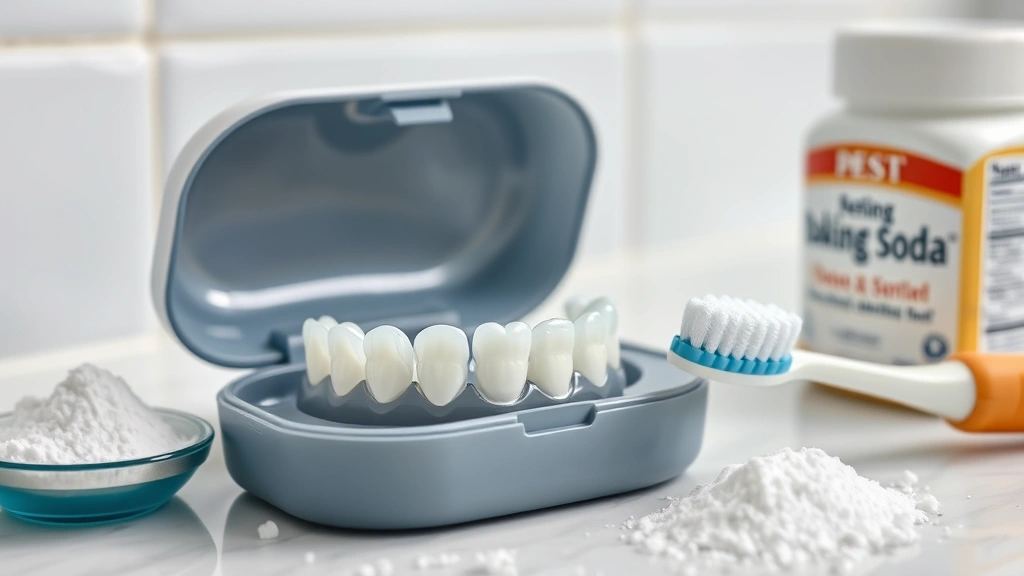
Learning how to clean retainers is one of those essential skills that keeps your orthodontic investment fresh, functional, and hygienic. Whether you’ve just gotten your braces off or you’re a longtime retainer wearer, keeping that device clean prevents bacterial buildup, extends its lifespan, and saves you money on replacements. Let’s walk through the proven methods that actually work.
Table of Contents
Daily Rinse Routine
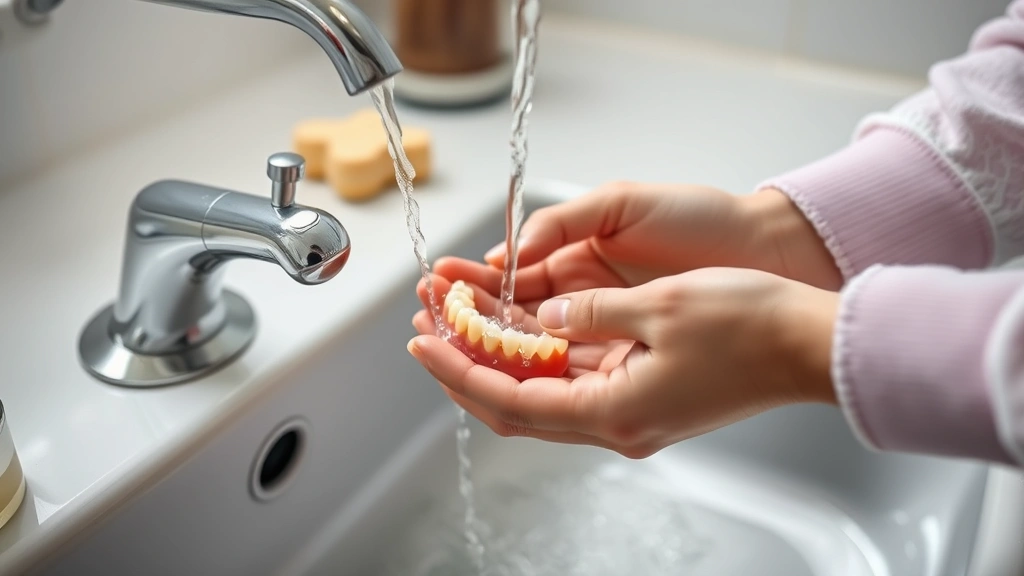
The simplest way to maintain your retainer starts with a quick rinse every single day. After meals, take your retainer out and hold it under lukewarm running water. Use your finger to gently rub away any visible food particles or plaque. This basic habit prevents debris from hardening and becoming difficult to remove later. Think of it like rinsing dishes right after eating instead of letting them sit in the sink—much easier to deal with fresh.
Never use hot water on your retainer. High temperatures can warp the plastic or acrylic material, permanently damaging the fit. Lukewarm water is your sweet spot. While you’re at it, brush your teeth before reinserting the retainer. This reduces the number of bacteria and food particles going back into your mouth.
Baking Soda Soak Method
Baking soda is a powerhouse for retainer cleaning and costs just a few dollars. Mix one tablespoon of baking soda with eight ounces of lukewarm water to create a gentle cleaning solution. Place your retainer in the mixture and let it soak for 15 to 30 minutes. The baking soda naturally breaks down buildup without being harsh on the material.
After soaking, use a soft-bristled toothbrush—the kind you’d use for your own teeth—to gently brush all surfaces. Pay special attention to the wire components if you have a fixed retainer. Rinse thoroughly under running water and pat dry with a clean cloth. This method works wonderfully twice per week for routine maintenance. Many people find the baking soda approach gentler than commercial cleaners, especially if they have sensitive skin or prefer natural solutions.
Vinegar Cleaning Solution
White vinegar is another household staple that tackles retainer cleaning effectively. Mix equal parts white vinegar and lukewarm water in a container. Submerge your retainer for 20 to 30 minutes. The acetic acid in vinegar dissolves mineral deposits and kills bacteria without damaging the retainer material.
The vinegar method is particularly useful if you live in an area with hard water. Hard water minerals accumulate on retainers and create a cloudy, discolored appearance. Vinegar cuts right through that buildup. After soaking, brush gently with a soft toothbrush and rinse well. Some people notice a slight vinegar smell initially, but it disappears completely once dry. If the smell bothers you, rinse an extra time or let it air dry near a window for a few minutes.
Denture Tablet Approach
Denture cleaning tablets work on retainers just as effectively as they do on false teeth. Drop one tablet into a glass of lukewarm water and place your retainer in the solution. Let it soak overnight or for at least 6 to 8 hours. The effervescent action breaks down plaque, tartar, and discoloration.
This method is excellent for deep cleaning and works particularly well if your retainer has accumulated stubborn stains. The tablets are inexpensive and widely available at drugstores. Brands like Polident or Efferdent are reliable choices. One warning: don’t leave your retainer soaking in denture tablets for more than 12 hours regularly, as prolonged exposure can slightly weaken some retainer materials over time. After soaking, brush gently and rinse thoroughly before wearing.
Ultrasonic Cleaner Option
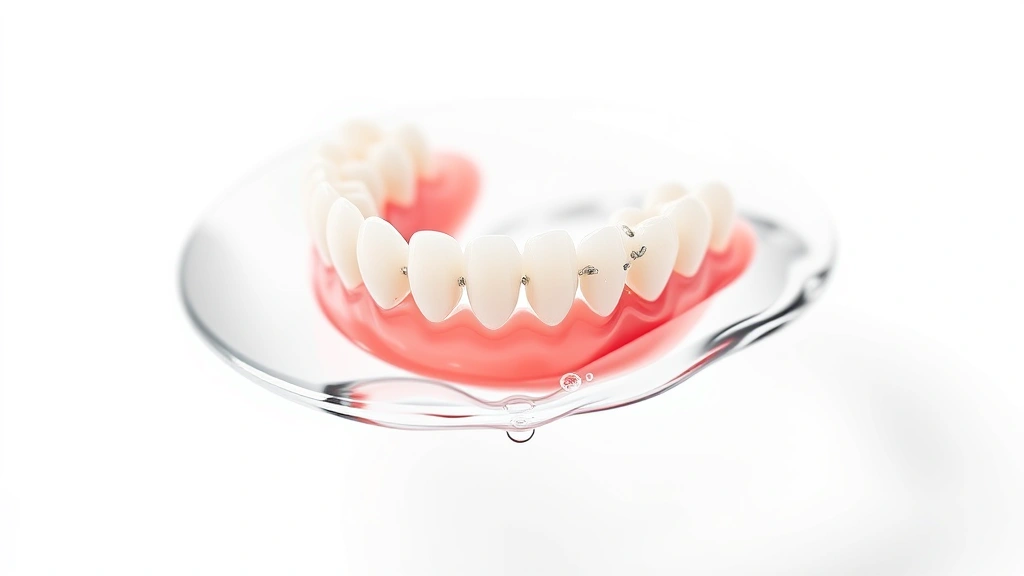
If you want a hands-off approach, an ultrasonic cleaner is worth considering. These devices use high-frequency sound waves to agitate liquid and dislodge particles from hard-to-reach areas. Fill the ultrasonic cleaner with lukewarm water and a small drop of mild dish soap, then place your retainer inside. Run the cycle for 10 to 15 minutes.
Ultrasonic cleaners are particularly useful for fixed retainers bonded to your teeth, where manual brushing is tricky. The sound waves reach every crevice without requiring scrubbing. A quality ultrasonic cleaner costs between $30 and $100 but lasts for years. If you’re serious about retainer maintenance or have multiple dental appliances to clean, it’s a solid investment. Just remember that ultrasonic cleaning shouldn’t replace occasional manual brushing—use it as a supplement to your routine.
What to Avoid
Certain practices can permanently damage your retainer, so steer clear of them. Never soak your retainer in hot water or put it in the dishwasher. Heat warps the plastic or acrylic, ruining the fit. Avoid harsh chemicals like bleach or strong mouthwash, which can discolor the material and make it brittle.
Don’t use abrasive scrubbers like steel wool or rough sponges. Stick with soft-bristled toothbrushes only. Avoid leaving your retainer in direct sunlight for extended periods, as UV rays degrade the material. Keep it away from pets and small children—retainers are surprisingly easy to lose or accidentally damage. Never wrap your retainer in a napkin or paper towel, as it’s easy to accidentally throw away. Use a dedicated retainer case instead.
Storage Best Practices
How you store your retainer matters as much as how you clean it. Always keep it in a protective case when you’re not wearing it. A retainer case keeps it safe from damage, prevents loss, and allows air circulation so it stays dry. Moisture trapped in a closed container without airflow can encourage bacterial growth.
Store your retainer case in a cool, dry place away from heat sources. Your bathroom counter is fine, but avoid leaving it near a heating vent or in direct sunlight. If you’re traveling, bring your retainer case with you. Many people accidentally damage retainers by sitting on them or dropping them because they left them loose in pockets or bags. A dedicated case prevents these mishaps. Clean your retainer case itself once weekly with soap and water, and let it air dry completely before storing your retainer inside.
Troubleshooting Common Issues
If your retainer develops a persistent odor despite regular cleaning, soak it overnight in a denture tablet solution. If it’s still smelly after that, it might be time to replace it—retainers typically last 5 to 10 years depending on care. Discoloration that won’t come off with any cleaning method often indicates it’s time for a replacement as well.
If your retainer feels loose or doesn’t fit properly, don’t force it. Contact your orthodontist immediately. Wearing an ill-fitting retainer can shift your teeth back out of alignment. If you notice cracks or chips, stop wearing it and schedule an appointment with your orthodontist for repair or replacement. Small cracks can trap bacteria and become worse over time.
Frequently Asked Questions
How often should I clean my retainer?
Clean your retainer daily with a quick rinse and gentle brushing. Do a deeper clean using baking soda, vinegar, or denture tablets 2 to 3 times per week. If you notice visible buildup, clean it immediately.
Can I use regular toothpaste on my retainer?
Yes, but use a non-abrasive toothpaste and brush gently. Whitening toothpastes and tartar-control formulas can be harsh on retainer material. Plain, gentle toothpaste works fine for daily brushing.
Is it safe to soak my retainer overnight?
Overnight soaking in denture tablet solution is safe occasionally, but don’t make it a daily habit. Limit it to once or twice weekly. Daily overnight soaking can weaken the material over time.
What’s the best retainer cleaning method?
There’s no single “best” method—it depends on your lifestyle and preferences. Most people do well with daily rinses plus weekly baking soda or vinegar soaks. If you want minimal effort, denture tablets are convenient.
Can I wear my retainer while it’s wet?
No, always let your retainer air dry completely before wearing it. A wet retainer can irritate your gums and encourage bacterial growth inside your mouth.
Why does my retainer smell bad?
Bacterial buildup causes odor. Increase your cleaning frequency and try soaking in denture tablets or vinegar solution. If the smell persists after thorough cleaning, your retainer may need replacement.
Keeping your retainer clean doesn’t require fancy equipment or expensive solutions. Stick with one or two methods that fit your routine, stay consistent, and you’ll keep that retainer fresh and functional for years. Your teeth worked hard to get straight—give your retainer the care it deserves. For more household cleaning tips, check out our guide on how to clean front load washers, which uses similar soaking principles. You might also find our article on how to clean your washing machine helpful for understanding deep-cleaning techniques applicable to other items. The same attention to detail you’d apply to maintaining appliances works well for dental devices too.


