

Learning how to clean mattress properly is one of those game-changing skills that’ll transform your sleep quality and extend your mattress lifespan by years. Most people don’t realize their mattress is basically a dust mite resort collecting dead skin cells, allergens, and who-knows-what every single night. The good news? You don’t need fancy equipment or expensive services—just some basic supplies and a solid game plan.
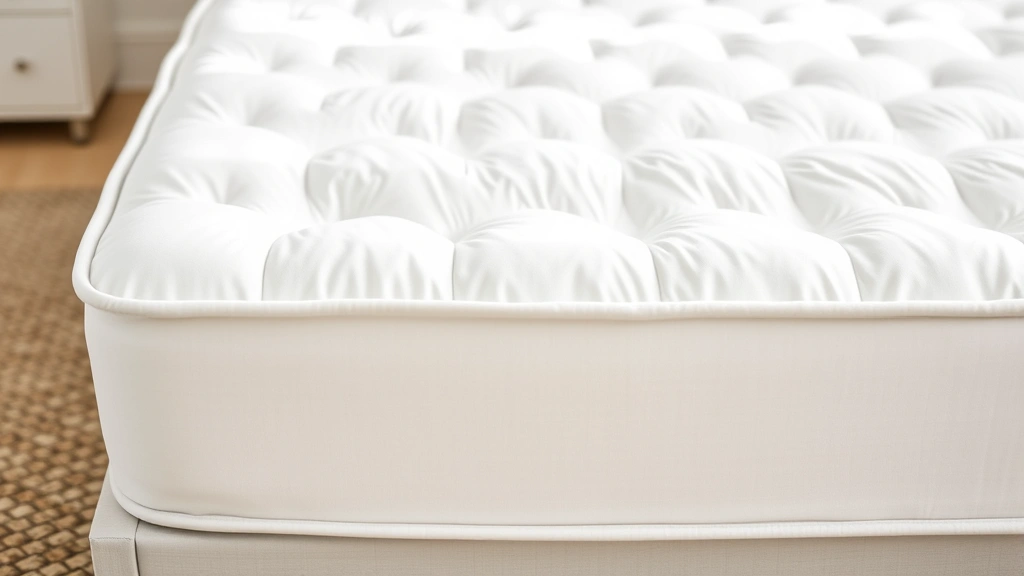







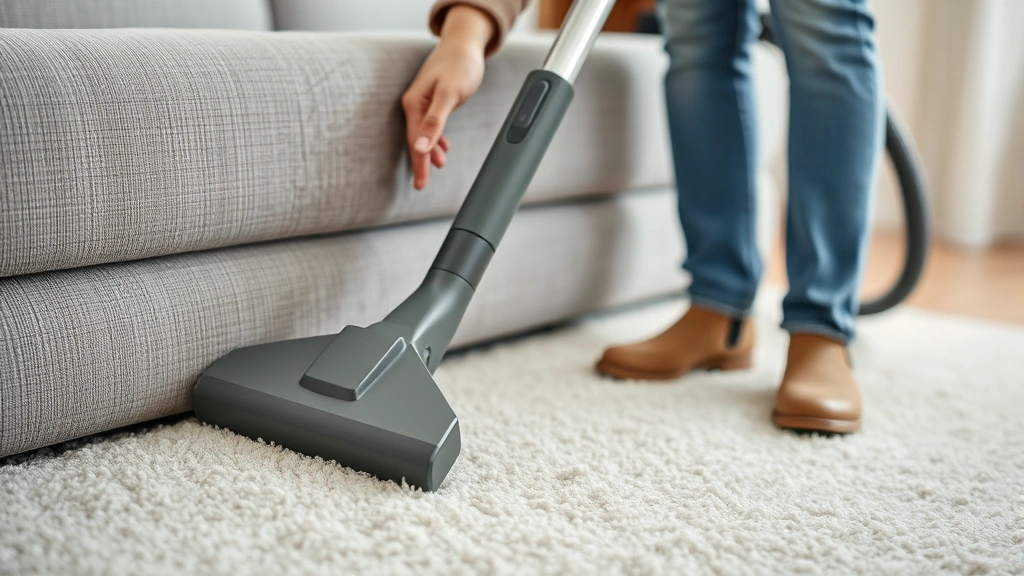




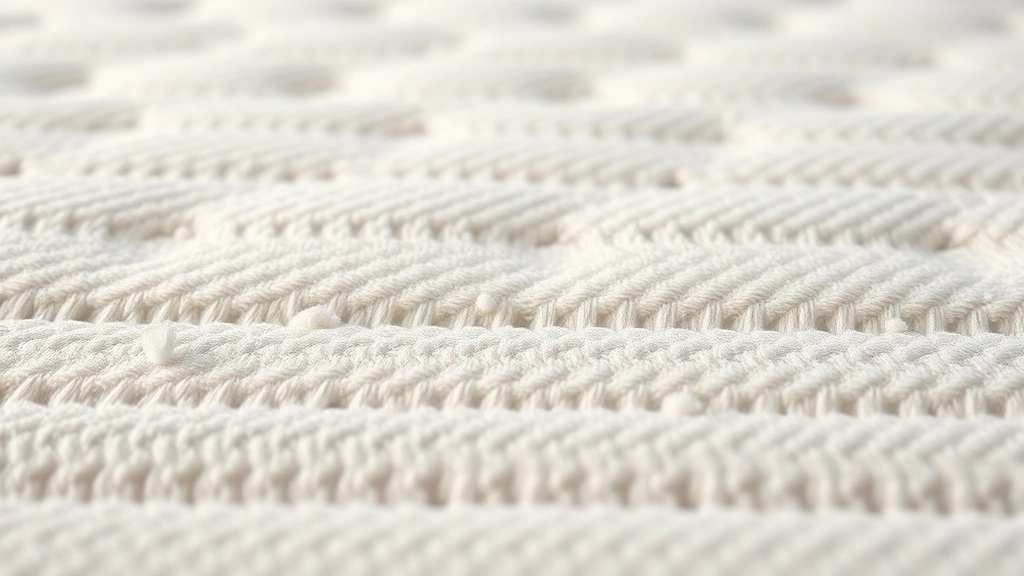





Table of Contents
Why Mattress Cleaning Matters
Here’s the reality: your mattress is ground zero for allergens, dust mites, and bacteria. According to research from Family Handyman, the average mattress can harbor millions of dust mites and their waste products, which trigger allergies and respiratory issues. Over a decade, your mattress can double in weight just from accumulated sweat, dead skin, and dust. That’s not just gross—it’s affecting your sleep quality and health. Regular cleaning prevents odors, reduces allergens, and keeps your sleep surface fresh and hygienic. Think of it like maintaining your car; a little preventive work saves major headaches down the road.
Gather Your Cleaning Supplies
Before you start, round up these essentials. You’ll need a vacuum with an upholstery attachment (non-negotiable), baking soda, white vinegar, a spray bottle, enzyme-based stain remover, and clean white cloths or paper towels. Optional but helpful: a mattress protector for future prevention, essential oils for scent, and a blacklight to spot urine stains. Most of this stuff is already in your home. The enzyme cleaner is your secret weapon for breaking down organic stains without harsh chemicals. Don’t cheap out on the vacuum—a quality upholstery attachment makes a massive difference in pulling out embedded debris.
Vacuum Thoroughly First
Strip your mattress completely and set the sheets aside. Using the upholstery attachment on your vacuum, work systematically across the entire surface in overlapping passes. Don’t rush this step—go slow and methodical, covering seams, piping, and the sides where dust loves to hide. Flip the mattress and repeat on the underside. This single step removes about 80% of surface contaminants. Pay special attention to the corners and edges where dust accumulates like a family reunion. If your vacuum has a HEPA filter, even better—it’ll trap allergens instead of recirculating them into your bedroom air. Spend at least 10-15 minutes on this phase; it’s the foundation for everything else.
Spot-Treat Stubborn Stains
Identify any stains and treat them before moving forward. For organic stains (blood, urine, sweat), apply enzyme-based cleaner directly to the spot and let it sit for 15 minutes. Blot with a damp cloth—never rub, which pushes the stain deeper. For fresh stains, mix one part white vinegar with one part water in a spray bottle, mist the area lightly, and let it sit for 10 minutes before blotting. For set-in stains, make a paste with baking soda and water, apply it, let it dry completely (2-4 hours), then vacuum it up. Test any cleaning solution on a hidden corner first to ensure it won’t discolor your mattress. This is where patience beats aggression—gentle, repeated blotting works better than aggressive scrubbing.
Deodorize and Refresh
Sprinkle baking soda generously across the entire mattress surface. This is the magic ingredient that neutralizes odors at the source instead of masking them. Let it sit for 30 minutes to a few hours—the longer the better. If you want to add fragrance, mix 15-20 drops of essential oil (lavender, eucalyptus, or lemon work great) with a cup of baking soda in a sealed container, let it sit overnight, then sprinkle this scented mixture on your mattress. Vacuum everything up thoroughly, making multiple passes to ensure no baking soda residue remains. This step transforms your mattress from “smells like sleep” to genuinely fresh. The baking soda absorbs odors naturally without chemicals, making it perfect for anyone with sensitivities.
Deep Clean with Moisture
For a more intensive clean, mix equal parts white vinegar and water in a spray bottle. Lightly mist the mattress surface—and I mean lightly; you’re not trying to soak it. Let it air dry completely, which typically takes 2-4 hours depending on humidity. The vinegar smell dissipates as it dries and takes odors with it. Alternatively, use a commercial upholstery cleaner following package directions, but always test in an inconspicuous area first. Never use a steam cleaner directly on your mattress; excess moisture can promote mold growth inside. If you go the moisture route, ensure your bedroom has good ventilation and consider opening windows. This step is optional if your mattress isn’t heavily soiled, but it’s worth doing annually for deep refreshment.
Flip and Rotate Regularly
Make flipping and rotating a quarterly habit. Most modern mattresses shouldn’t be flipped (check your manufacturer’s tag), but rotating 180 degrees every three months distributes wear evenly and prevents body-shaped depressions. If your mattress is older or double-sided, flip it monthly. This simple maintenance extends mattress life by 3-5 years and keeps support consistent. Mark your calendar or set a phone reminder; it’s easy to forget. When you rotate, it’s the perfect time to do a quick vacuum pass and baking soda refresh. Think of it as your mattress’s quarterly maintenance appointment.
Prevent Future Buildup
The best cleaning is the one you don’t have to do. Invest in a quality mattress protector—it’s the single best preventive measure. A waterproof, breathable protector shields against spills, sweat, dust mites, and allergens while remaining invisible under your sheets. Wash your sheets weekly in hot water (if fabric allows) to reduce dust mite populations. Keep pets off the bed if possible, and consider showering before bed to reduce skin oils and sweat transfer. If you have kids prone to accidents, a mattress protector is non-negotiable. This approach aligns with preventive maintenance philosophy—small consistent actions beat occasional deep cleaning.
Frequently Asked Questions
How often should I clean my mattress?
Aim for a thorough cleaning every 3-6 months, with light vacuuming monthly. If you have allergies, pets, or kids, bump that up to monthly deep cleans. At minimum, do a baking soda refresh quarterly.
Can I use bleach on my mattress?
No. Bleach can damage mattress fabric, weaken materials, and create harmful fumes in your bedroom. Stick with enzyme cleaners, vinegar, and baking soda for safe, effective results.
What if my mattress has a strong urine smell?
Enzyme-based cleaners are specifically designed for urine. Apply generously, let sit 24 hours if possible, then vacuum thoroughly. For persistent odors, sprinkle baking soda, let sit overnight, and vacuum. You may need to repeat this 2-3 times.
Is it safe to use essential oils on my mattress?
Yes, when mixed with baking soda first. Never spray essential oil directly on your mattress as it can stain. The baking soda mixture method is safe and effective for most essential oils.
How long does a mattress take to dry after cleaning?
Light vinegar spray typically dries in 2-4 hours. Heavier moisture applications may take 6-8 hours. Ensure good air circulation and avoid sleeping on the mattress until completely dry to prevent mold.
Can I use a carpet cleaner on my mattress?
You can, but be cautious. Most carpet cleaners use hot water extraction, which can leave your mattress too wet. If you use one, use minimal water, extract thoroughly, and ensure complete drying. Enzyme sprays are safer for mattresses.
Final Thoughts
Learning how to clean mattress properly is genuinely one of those skills that pays dividends. You’re not just extending your mattress investment—you’re improving sleep quality, reducing allergens, and creating a genuinely hygienic sleep environment. The process is straightforward: vacuum, spot-treat, deodorize, and maintain. None of it requires special skills or expensive equipment. Start with the basics, develop a routine, and you’ll notice the difference in how your mattress feels and smells. Your future self—and your respiratory system—will thank you. For more cleaning wisdom, check out our guides on how to clean vinyl records and how to clean silver at home to master cleaning across your entire home. And if you’re looking to protect your mattress investment further, explore how to build a table for a custom bed frame solution.


