
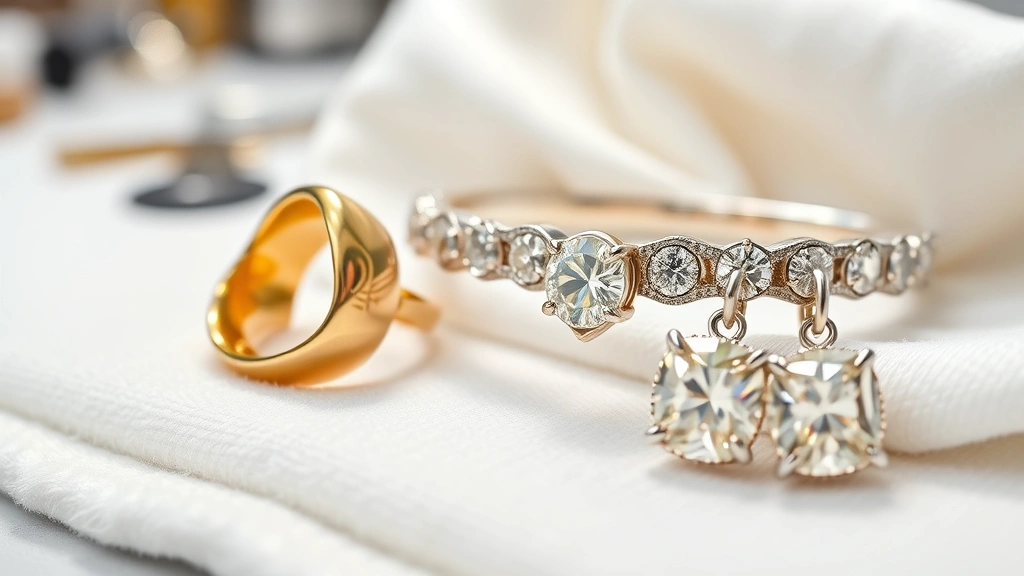
Learning how to clean jewelry is one of those skills that separates people who wear beautiful pieces from people who wear beautiful pieces that actually sparkle. Whether you’ve got heirloom rings gathering dust in a drawer or everyday earrings that have lost their luster, the good news is you don’t need expensive professional cleaning every time. With the right approach and a few household items, you can restore that brilliant shine and keep your favorite pieces looking like they just came from the jeweler’s case.
Table of Contents
The Soap and Water Method
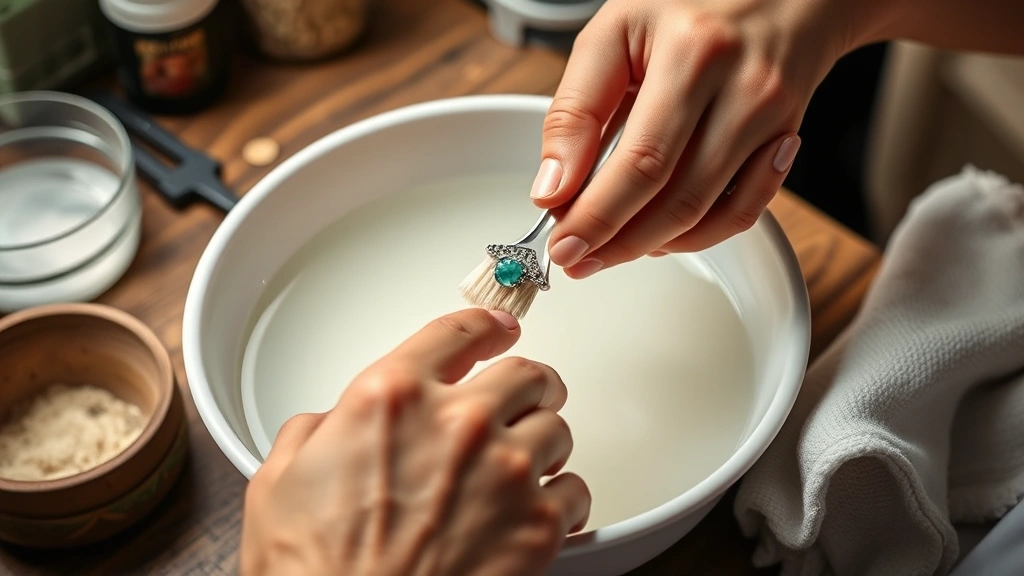
This is your go-to starting point for most jewelry pieces. It’s gentle, effective, and uses items you already have at home. Fill a small bowl with warm (not hot) water and add a few drops of mild dish soap—the kind you’d use to wash delicate dishes. Let your jewelry soak for about 5-10 minutes. This gives the soap time to break down oils, dirt, and buildup without being harsh on the metal or stones.
After soaking, use a soft-bristled toothbrush to gently scrub around the settings, bands, and any intricate details. Pay special attention to areas where dirt accumulates, like the undersides of rings or the backs of earrings. Work slowly and deliberately—rushing here is how you accidentally scratch your pieces. Rinse thoroughly under running water, making sure all soap residue is gone. Any leftover soap will dull the finish and leave spots.
This method works beautifully for gold, silver, and platinum pieces. It’s also safe for most gemstones, though you’ll want to be extra cautious with softer stones like opals or pearls. The soap-and-water approach should be your first line of defense before trying more aggressive methods.
Baking Soda Paste Technique
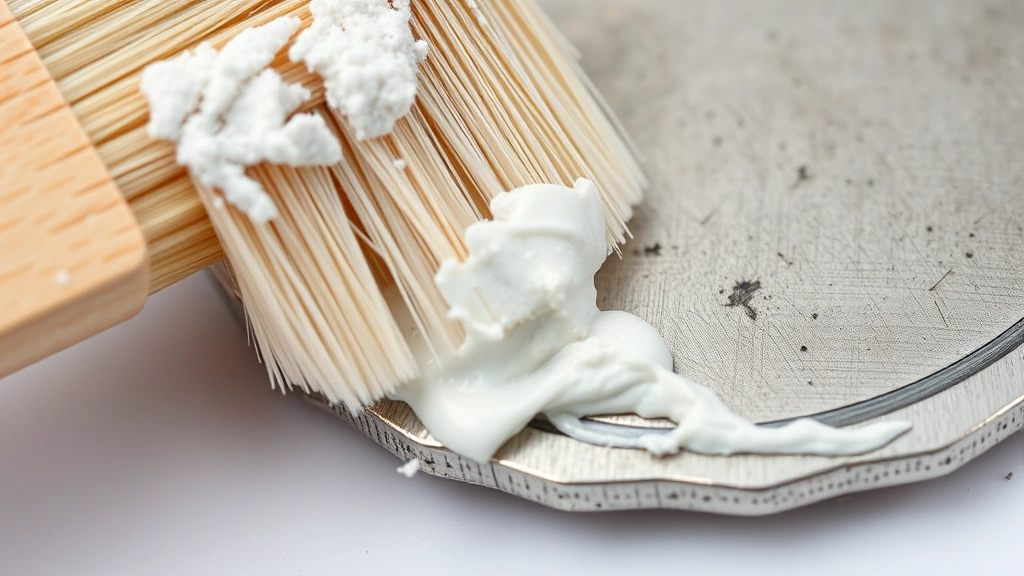
When regular soap and water isn’t cutting it, baking soda becomes your secret weapon. Mix baking soda with a small amount of water to create a thick paste—you’re looking for the consistency of peanut butter. This paste is mildly abrasive, which makes it excellent for removing tarnish and stubborn buildup without damaging most metals.
Apply the paste directly to your jewelry and use a soft cloth or soft-bristled brush to work it in circular motions. For silver pieces, this method is particularly effective at lifting tarnish. Let the paste sit for a few minutes on heavily tarnished items, but don’t leave it on for extended periods. Rinse thoroughly with warm water and dry immediately with a soft cloth.
One important note: avoid using baking soda paste on delicate gemstones or pieces with glued-in stones. The abrasive nature can scratch softer gems or compromise adhesive bonds. This method is best reserved for metal-heavy pieces like silver bangles, gold chains, or solid metal rings. You can also use this same approach to maintain other household items—similar techniques work well when you need to clean battery corrosion from electronic devices.
White Vinegar Solution
White vinegar is a natural cleaning powerhouse that works especially well on tarnished silver. Mix equal parts white vinegar and water in a small bowl, then submerge your jewelry for about 30 minutes. The acidity in the vinegar reacts with tarnish and helps dissolve it away naturally.
After soaking, use a soft cloth to gently rub away any remaining tarnish. For stubborn spots, you can use a soft toothbrush with the vinegar solution. The smell isn’t pleasant, but it dissipates quickly. Rinse thoroughly with clean water and dry completely with a lint-free cloth. Any moisture left behind can reintroduce tarnish, so this step matters.
The vinegar method is gentler than some chemical solutions and works without harsh fumes. It’s particularly good for pieces you wear regularly, as the natural acidity is less likely to cause long-term damage to the metal. However, skip this method for pearls or porous gemstones that can absorb the acidic solution.
Ammonia-Based Cleaning
For pieces with heavy buildup or diamond solitaires, a diluted ammonia solution can be remarkably effective. Mix one part household ammonia with six parts water. This dilution is crucial—straight ammonia is too strong and can damage certain metals and stones. Soak your jewelry for about 10 minutes in the solution.
The ammonia breaks down oils and grime that regular soap misses. Use a soft brush to gently clean around settings and crevices, then rinse thoroughly under running water. Make sure you’re working in a well-ventilated area, as ammonia fumes can be strong. Dry immediately with a soft cloth.
This method is excellent for diamond and hard gemstone jewelry. However, avoid ammonia entirely if you have pearls, opals, emeralds, or other delicate or porous stones. Ammonia can damage these materials permanently. If you’re unsure about your stone’s durability, stick with the gentler soap-and-water method or consult a professional jeweler.
Specialized Jewelry Cleaners
Commercial jewelry cleaning solutions are formulated specifically for different types of jewelry and can be convenient for regular maintenance. These products come in liquid form, ultrasonic machines, or steam cleaners. Liquid cleaners are the most affordable and work similarly to homemade solutions—you soak your jewelry and gently brush away debris.
Ultrasonic cleaners use high-frequency vibrations to dislodge dirt from every angle, including hard-to-reach places. They’re excellent for intricate pieces with lots of detail. However, they’re not suitable for all gemstones. Delicate or glued stones can be damaged by the intense vibrations, so check the manufacturer’s recommendations before using an ultrasonic cleaner on heirloom pieces.
Steam cleaners provide professional results at home by using hot steam to blast away buildup. They’re particularly effective for gold and diamond jewelry. The downside is the initial cost and the learning curve—improper use can potentially damage pieces. Read instructions carefully and test on less valuable items first.
Stone-Specific Care Tips
Different gemstones have different durability levels, and treating them all the same way is a recipe for damage. Diamonds and sapphires are hard and can handle most cleaning methods without issue. Rubies fall into the same category and respond well to soap-and-water or ammonia solutions.
Emeralds are trickier. They’re often treated with oils to fill tiny fractures, and aggressive cleaning can strip away these protective treatments. Stick to gentle soap and water, and avoid soaking emeralds for extended periods. Never use ultrasonic cleaners or steam cleaners on emeralds.
Pearls and opals are the delicate darlings of the gemstone world. These porous stones absorb moisture and chemicals easily. Clean them with nothing more than a soft, damp cloth. Never soak them, never use harsh chemicals, and never brush them with anything abrasive. If your pearls need serious cleaning, take them to a professional. Soft gemstones like turquoise and lapis lazuli require the same gentle approach.
For pieces with mixed stones, always clean based on the most delicate stone in the piece. If you’re uncertain about a particular gemstone, researching its hardness on the Mohs scale will help you determine safe cleaning methods. Your jeweler can also provide specific care recommendations for your particular pieces.
Drying and Polishing
This final step is where your jewelry truly comes to life. After cleaning with any method, drying properly is absolutely essential. Use a soft, lint-free cloth—microfiber cloths work beautifully—and dry each piece thoroughly. Any moisture left behind can lead to water spots, dulling, or even corrosion on certain metals.
For extra shine, polish your jewelry with a clean, dry cloth using gentle circular motions. If you have a jewelry polishing cloth (often included with fine jewelry purchases), this is the perfect time to use it. These cloths are specially treated to enhance shine and remove light scratches. For silver pieces, a silver polishing cloth works wonders and takes just minutes.
Don’t use paper towels or regular tissues for drying—these can leave fibers behind and may be slightly abrasive. Soft cotton cloths or microfiber are your best bets. If you’re polishing a detailed piece, use a soft brush to get into crevices before final polishing with the cloth. The goal is a streak-free, brilliant shine.
Storage and Maintenance
Keeping jewelry clean between wearings is just as important as the actual cleaning process. Store pieces in a cool, dry place away from direct sunlight. UV exposure can fade certain gemstones over time. Individual compartments or soft pouches prevent pieces from scratching each other.
Remove jewelry before swimming, showering, or exercising. Chlorine, saltwater, and sweat all accelerate tarnishing and can damage certain stones and metals. If you accidentally expose jewelry to these elements, clean it as soon as possible. The longer contaminants sit on your pieces, the harder they are to remove later.
For pieces you wear daily, a quick weekly cleaning with soap and water keeps them looking fresh. Monthly deep cleaning with one of the methods described above maintains that jeweler-quality shine. This routine maintenance prevents heavy buildup and extends the life of your jewelry significantly. Think of it like caring for a car—regular maintenance beats emergency repair every time.
Consider having pieces professionally cleaned once a year, especially heirloom items or pieces with intricate settings. Professional jewelers have tools and expertise that catch issues you might miss, like loose stones or worn prongs. This preventive approach saves money and protects your investment in the long run. Similar to how you might clean battery terminals to maintain electrical connections, regular jewelry maintenance ensures everything stays in top condition.
Frequently Asked Questions
Can I use toothpaste to clean jewelry?
While some people swear by toothpaste, it’s generally not recommended. Toothpaste is abrasive and can scratch softer metals like gold and silver, as well as delicate gemstones. Stick with baking soda paste or commercial cleaners designed for jewelry instead. If you do use toothpaste, choose the least abrasive formula available and test it on an inconspicuous area first.
How often should I clean my jewelry?
Weekly light cleaning with soap and water keeps daily-wear pieces looking fresh. Monthly deeper cleaning with baking soda or vinegar maintains brilliance. Annual professional cleaning is ideal for heirloom pieces or anything with intricate settings. Adjust frequency based on how often you wear each piece and your environment—humid climates accelerate tarnishing.
Is it safe to clean vintage or antique jewelry at home?
Vintage and antique pieces require extra caution. Many older pieces have delicate settings or repairs that won’t withstand aggressive cleaning. Start with gentle soap and water only. If tarnish persists, consult a professional jeweler familiar with antique restoration. The cost of professional cleaning is worth protecting irreplaceable pieces.
What should I do if my jewelry still looks dull after cleaning?
If gentle methods don’t restore shine, try the baking soda paste or vinegar solution. If those don’t work, the piece may need professional refinishing or polishing. Some jewelry develops a patina over time, which some people prefer to the original shine. If you want that original luster back, a professional jeweler can restore it through polishing and, if necessary, replating.
Can I clean jewelry with stones while they’re still in the setting?
Yes, as long as the stones are securely set and you use appropriate methods for those specific stones. Avoid ultrasonic cleaners or steam if stones are glued in rather than prong-set. When in doubt, remove the stone or have a professional clean it. Loose stones can fall out during cleaning and be lost forever.
Why does silver tarnish so quickly?
Silver tarnishes when it reacts with sulfur compounds in the air and moisture. This is a natural chemical process and doesn’t indicate poor quality. Storing silver in airtight containers or with anti-tarnish strips slows the process. Regular cleaning and wearing actually helps prevent tarnish, as friction naturally polishes the surface.
Final Thoughts
Knowing how to clean jewelry properly transforms how your pieces look and how long they last. You don’t need expensive professional services every time—just the right method for your specific pieces and regular maintenance. Start with soap and water for routine cleaning, graduate to baking soda or vinegar for tarnish removal, and reserve stronger methods like ammonia for heavy buildup on durable metals and stones.
The key is matching your cleaning method to your jewelry type. Diamonds and sapphires are forgiving; pearls and opals demand gentleness. When you’re unsure, gentle soap and water is always the safe choice. Take time to dry and polish properly—this final step makes all the difference between “clean” and “brilliant.”
By incorporating these methods into your routine, your jewelry will maintain that just-purchased sparkle for years to come. Your favorite pieces deserve better than sitting in a drawer looking dull, and now you have the knowledge to keep them looking like treasures.


