
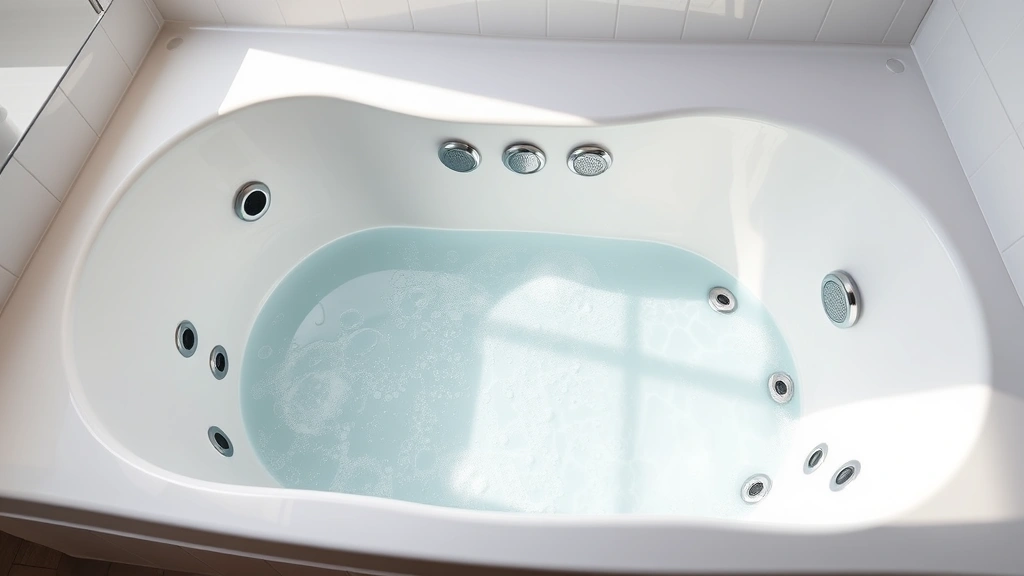
Learning how to clean jacuzzi jets in bathtub is one of those maintenance tasks that separates spa-like relaxation from grimy disappointment. Those jets that feel amazing when they’re working? They’re basically tiny highways for bacteria, mineral deposits, and soap scum. Neglect them, and you’re not just soaking—you’re marinating in yesterday’s bathwater. The good news: cleaning your jacuzzi jets isn’t rocket science, and you don’t need fancy equipment or a plumber’s paycheck.
Table of Contents
Why Jets Get Dirty
Before we jump into the cleaning process, let’s talk about what’s actually happening inside those jets. Your bathtub jets are constantly exposed to standing water, body oils, soap residue, and minerals from your tap water. Over time, biofilm—that slimy bacterial layer—builds up inside the jet lines. You can’t see most of it because it’s hiding in the pipes behind your tub wall. When you turn on the jets, you’re essentially blasting this gunk directly onto your skin. Gross, right? That’s why regular cleaning isn’t optional; it’s hygiene 101.
Gather Your Supplies
You don’t need to raid the cleaning aisle at every store. Here’s what actually works:
- White vinegar or commercial jet cleaner (like Jacuzzi’s own cleaning tablets or similar brands)
- Baking soda (for stubborn deposits)
- Hot water (crucial—heat breaks down buildup faster)
- Small brush or old toothbrush (for scrubbing jet openings)
- Dish soap (the grease-cutting kind works best)
- Towels (for cleanup)
- Rubber gloves (optional, but your hands will thank you)
If you’re dealing with serious mineral deposits from hard water, you might grab some citric acid powder too. It’s cheap and incredibly effective at dissolving calcium buildup.
Step One: Drain the Tub
This is non-negotiable. Fill your tub about three-quarters full with hot water—as hot as your tap can produce. Hot water is your secret weapon because it dissolves oils and mineral deposits way better than cold water. If you want to get fancy, heat the water on your stove first and pour it in; hotter water means faster cleaning. Let the hot water sit for a few minutes while you prep your cleaner. This soaking period is doing half the work for you already.
Step Two: Soak with Cleaner
Add your cleaning agent to the hot water. If you’re using white vinegar, pour in about two cups. For commercial jet cleaner tablets, follow the package directions—usually one or two tablets per tub. If you’re going the baking soda route, dissolve half a cup in the hot water first so it doesn’t clog the jets. The mixture needs to sit for at least 15-20 minutes. This is when the chemical action happens—the cleaner is breaking down biofilm and dissolving mineral deposits. Go grab a coffee. You’ve earned it.
Step Three: Run the Jets
Now comes the fun part. Turn on your jets and let them run for 15-20 minutes. Yes, really. This forces the cleaning solution through all the internal lines and pipes. You’ll probably see discolored water coming out—that’s the gunk you couldn’t see before. Don’t panic; that’s exactly what you want. If your jets have multiple settings (low, medium, high), cycle through them. Different pressure levels reach different parts of the jet system. Keep the jets running until the water coming out looks relatively clear.
Pro tip: If your tub has an air button or air jets, don’t forget to run those too. They have their own internal pathways that collect debris.
Step Four: Scrub Jet Openings
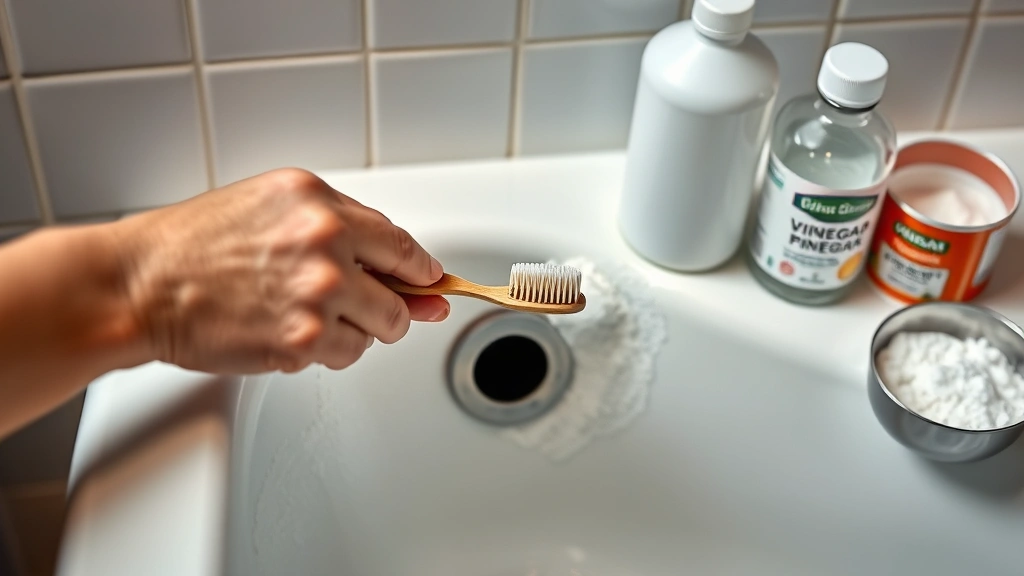
Turn off the jets and grab your small brush. This is where elbow grease comes in. Scrub around each jet opening—the visible part sticking into the tub. You’ll be surprised how much gunk accumulates right at the surface. Pay special attention to the edges where the jet meets the tub wall; that’s a favorite hiding spot for biofilm. If you’re really thorough, you can use an old toothbrush to get into any crevices. For stubborn deposits, make a paste with baking soda and a little water, apply it to the jet openings, and let it sit for 5-10 minutes before scrubbing.
Step Five: Final Rinse
Drain the tub completely. Refill it with fresh hot water—no cleaner this time. Run the jets again for another 10-15 minutes to flush out any remaining cleaning solution. You want to make sure there’s no vinegar smell or chemical residue left behind. Drain again and inspect the jets. They should look noticeably brighter and cleaner. If you still see discoloration or buildup, repeat the soak-and-run cycle. Sometimes really neglected tubs need two rounds.
Maintenance Between Cleanings
Now that your jets are clean, let’s keep them that way. The easiest approach is running a quick cleaning cycle monthly. Fill the tub with hot water, add one cup of white vinegar, run the jets for 15 minutes, then drain and rinse. This takes about 45 minutes total and prevents serious buildup from ever returning. Think of it like brushing your teeth—a little prevention beats major intervention every time.
Another smart move: drain your tub completely after every use if it’s not a built-in spa. If you have a portable jacuzzi, this is especially important. Standing water is where biofilm thrives. Also, rinse off before getting in the tub. I know, it sounds obvious, but body oils and soap are the main culprits feeding bacterial growth. The cleaner you are going in, the longer your jets stay clean.
If you’re dealing with hard water, you might want to invest in a water softener or at least run that citric acid cleaning cycle every other month. Hard water minerals are relentless, and staying ahead of them saves frustration.
Troubleshooting Common Issues
Sometimes things don’t go perfectly. Here’s what to do if you hit a snag:
Jets won’t turn on: Check that the tub is filled to the proper level. Most jacuzzis have a safety shutoff if water is too low. Make sure the power is on and you’re holding the button long enough. Some tubs have a delay before jets engage.
Water drains slowly: Your drain line might be clogged with debris. Try running the jets without the tub filled to full capacity. Sometimes lowering the water level helps the drain work better. If it’s really slow, you might need a plumber—drain clogs are outside DIY territory.
Vinegar smell won’t go away: You didn’t rinse thoroughly enough. Fill the tub again with fresh hot water and run the jets for another 20 minutes. Do this twice if needed. The smell will fade completely once all the vinegar is flushed out.
Jets still look dirty after cleaning: You might have mineral deposits that need stronger treatment. Try citric acid powder instead of vinegar, or use a commercial descaler made for hard water. Let it soak longer—sometimes 30-45 minutes instead of 15.
One jet doesn’t work: That specific jet line might be clogged. Run the cleaning cycle as normal, then use a straightened paperclip or small wire to gently probe the jet opening. Don’t force it—you can damage the jet. If it’s still stuck, a plumber visit might be necessary.
Frequently Asked Questions
Can I use bleach to clean jacuzzi jets?
Technically yes, but I’d avoid it. Bleach can damage certain tub materials and leave a strong chemical smell that’s hard to rinse out. Vinegar and baking soda work just as well without the downsides. If you absolutely want to use bleach, dilute it heavily (one part bleach to ten parts water) and rinse extremely thoroughly.
How often should I clean my jacuzzi jets?
If you use your tub regularly, monthly maintenance cleanings are ideal. A deep cleaning every 2-3 months keeps things in great shape. If you use it rarely, quarterly cleaning is fine. The more you use it, the more often you should clean it.
What’s the difference between vinegar and commercial jet cleaner?
Commercial cleaners are formulated specifically for biofilm and mineral deposits, so they work faster. Vinegar is cheaper and works nearly as well for regular maintenance. For really stubborn buildup, commercial products have the edge. For routine cleaning, vinegar is perfectly adequate.
Can I clean the jets while the tub is full?
Yes, but it’s less effective. You can’t see what you’re doing, and the water cools down faster. It’s worth draining and refilling for a proper cleaning. However, if you’re doing a quick monthly maintenance soak, you can get away with keeping some water in.
Is it safe to use jacuzzi jets right after cleaning?
Make sure you’ve rinsed thoroughly. Run the jets with clean water for at least 10-15 minutes after your cleaning solution. Any remaining vinegar or chemical won’t hurt you, but it’s uncomfortable and tastes awful if water splashes in your mouth.
What if my tub has a built-in heater?
Even better. Use the heater to keep water hot during the cleaning cycle. Hot water accelerates the cleaning process. Just make sure you’re not running the heater while cleaning solution is in the tub for extended periods—some solutions can damage heater elements if left sitting too long.
Do I need to clean the jets if I use a hot tub cover?
Yes, absolutely. A cover prevents debris from falling in, but it doesn’t stop biofilm growth inside the pipes. If anything, covered tubs that aren’t used regularly might need more frequent cleaning because stagnant water is biofilm’s favorite environment.
For more information on water heating and temperature management, check out our guide on how long it takes to boil water—understanding water temperature is key to effective cleaning.
Final Thoughts
Cleaning your jacuzzi jets isn’t complicated, but it’s absolutely necessary. Those jets are only enjoyable when they’re clean, and the whole process takes maybe an hour from start to finish. Once you’ve done it once, you’ll realize how straightforward it is. The key is staying consistent with monthly maintenance cleanings so you never let buildup get out of hand. Your future self—the one soaking in a perfectly clean, perfectly functioning tub—will thank you for taking 15 minutes today to keep those jets pristine. Now stop reading and go grab that vinegar. Your jets are waiting.


