
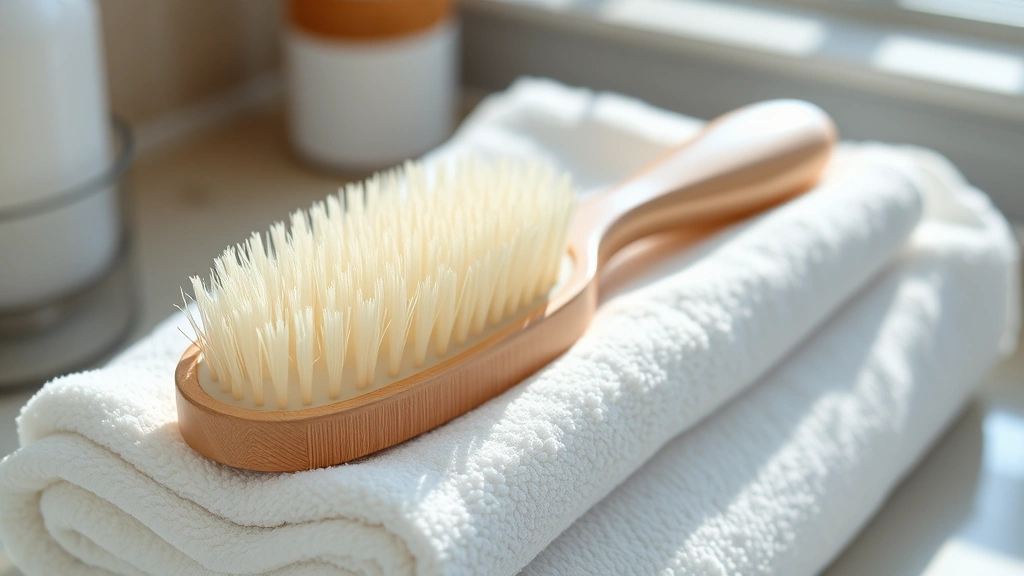
Learning how to clean hair brushes is one of those overlooked maintenance tasks that makes a huge difference in your hair health and brush longevity. Think about it—your brush collects dead hair, dust, product buildup, and oils every single day. If you’re not cleaning it regularly, you’re basically redistributing all that gunk back onto your freshly washed hair. I’ve been there, and it’s gross. The good news? It takes maybe 10 minutes, costs almost nothing, and your hair will thank you.
Table of Contents
Why Clean Your Brushes Regularly
Your hair brush is basically a bacteria and product buildup magnet. Every time you brush your hair, you’re collecting dead skin cells, sebum (natural oils), lint, and whatever styling products you used that day. If you have a paddle brush or round brush with a solid back, moisture can get trapped inside, creating the perfect breeding ground for mold and mildew. I learned this the hard way when I noticed my hair looked dull despite using good products—turns out my brush was the culprit. Clean brushes mean cleaner hair, healthier scalp, and brushes that actually last years instead of months. It’s preventive maintenance at its finest.
Gather Your Cleaning Supplies
You don’t need fancy products for this job. Here’s what I keep in my bathroom for brush cleaning: warm water, a small bowl or cup, mild dish soap or shampoo, an old toothbrush (the soft kind), and a clean towel. That’s literally it. Some people swear by adding a drop of tea tree oil or apple cider vinegar to the soak water for extra antimicrobial power, and honestly, it doesn’t hurt. If your brush has stubborn product buildup, keep a fine-tooth comb handy to help loosen debris. The beauty of this method is that you probably have everything already sitting in your home.
Remove Loose Hair First
Before you even think about water, get all that loose hair out. This step saves you from clogging your drain and makes the actual cleaning process way more effective. Grab your brush and run your fingers through the bristles backward—so against the direction the bristles point. You’ll be amazed how much hair comes out. If you’ve got a fine-tooth comb, run it through the bristles too; it’ll catch hair trapped deep in there. Do this over a trash can so you’re not spreading hair all over your bathroom. This takes maybe 30 seconds but makes everything that follows easier. Trust me on this one.
Soak and Scrub the Bristles
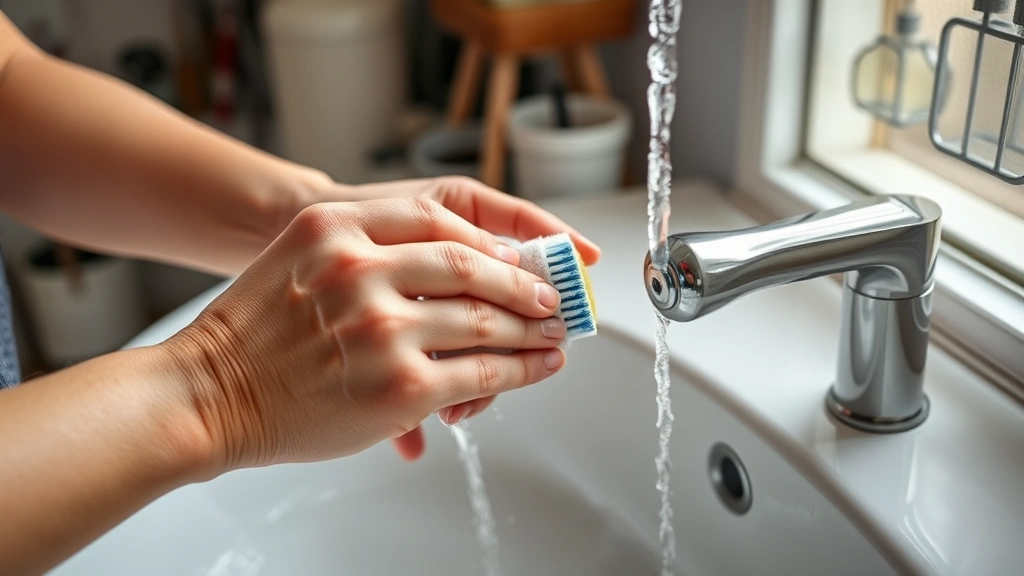
Fill your bowl with warm (not hot) water and add about a teaspoon of mild dish soap or shampoo. Drop your brush in and let it soak for 5-10 minutes. The warm water softens buildup and the soap breaks down oils. While it’s soaking, you can grab that old toothbrush and start gently scrubbing the bristles. Work in small sections, brushing the toothbrush against the bristles in multiple directions. Pay special attention to the base where the bristles meet the handle—that’s where the nastiest buildup hides. For paddle brushes with ventilation holes, use the toothbrush to clean those holes too. The whole scrubbing process should take about 2-3 minutes. You’re not trying to be aggressive here; gentle but thorough is the way.
Rinse Thoroughly With Water
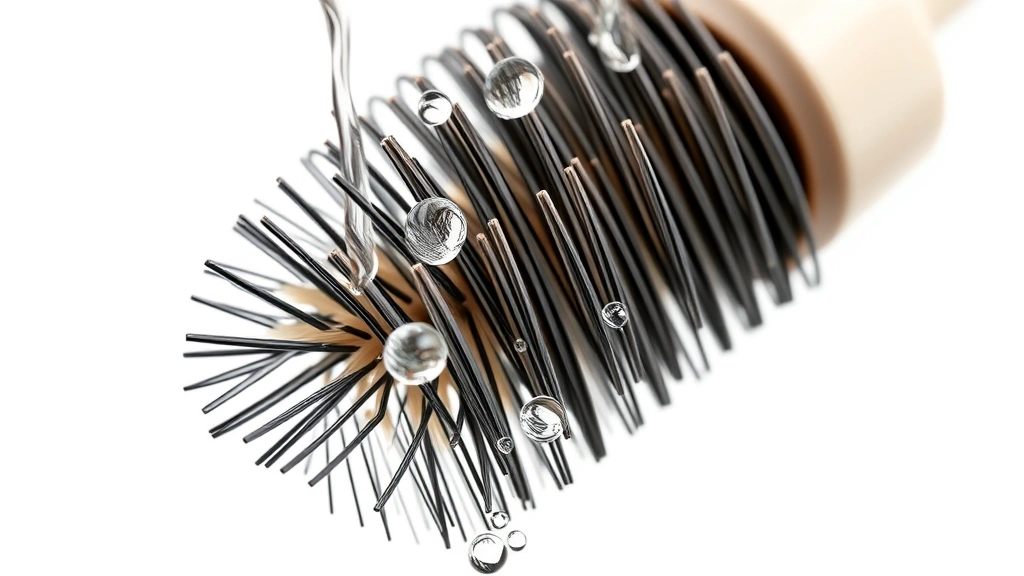
Once you’ve scrubbed, hold your brush under running warm water and rinse until the water runs completely clear. This is important—leftover soap residue will transfer to your hair, so don’t skip this step. Rinse from the handle down toward the bristles, letting water flow through naturally. If you’ve got a round brush or barrel brush with a hollow interior, angle it so water runs through the opening. Keep rinsing until you don’t see any bubbles or soap film. I usually do a final rinse with cooler water to close up the bristles slightly, which keeps them in better shape long-term. This whole rinse process takes about a minute.
Dry Your Brush Properly
This is where most people mess up. You can’t just set your wet brush on the counter bristles-down—that traps moisture and encourages mold growth. Instead, gently squeeze out excess water with a clean towel, then set your brush on the towel with the bristles facing down and slightly off the edge of a table or counter. This way air can circulate underneath. If you’ve got a round brush, lay it on its side on the towel. Let it air dry completely before using it again—usually 2-4 hours depending on humidity. I usually clean my brushes at night so they’re dry by morning. Never use a hair dryer to speed up the process; you’ll damage the bristles. Patience here pays off.
How Often to Clean
For daily-use brushes, I clean mine once a week. If you have thick, long hair or use a lot of styling products, bump that up to twice weekly. If you have short hair and minimal product use, every two weeks is fine. The real test is this: if your brush starts looking dingy or you notice product buildup, it’s time to clean it. Some people do a quick bristle rinse every few days and a deep clean weekly—that’s a solid approach too. Think of it like washing your hair itself; you’re not doing it daily, but regularly enough to maintain cleanliness. Mark it on your calendar if you need to. It becomes a habit after a few weeks.
Handling Special Brush Types
Different brushes need slightly different approaches. Round brushes with ventilation holes need extra attention to those holes—use a toothbrush or even a small pipe cleaner to get inside. Boar bristle brushes are delicate, so use cooler water and be gentler with the scrubbing. Paddle brushes with rubber backs can trap moisture, so make sure they’re completely dry before storing them. Detangling brushes have wider-spaced bristles, which makes them easier to clean but you need to get between each bristle. Metal combs can go in hot water and even get a deeper clean with a little vinegar soak. The basic method works for everything, but adjust water temperature and scrubbing intensity based on your specific brush’s construction.
Frequently Asked Questions
Can I put my brush in the dishwasher?
Technically you could, but I don’t recommend it. High heat can damage bristles and loosen the glue holding them in place. The hand-washing method is gentler and honestly faster. Save the dishwasher for actual dishes.
What if my brush smells bad even after cleaning?
That usually means mold or mildew got a foothold. Soak it longer (20-30 minutes) in warm water with a tablespoon of white vinegar or a few drops of tea tree oil. If the smell persists, the brush might be damaged internally and it’s time for a replacement.
How do I clean a brush with a wooden handle?
Be careful not to soak it too long—wooden handles can warp. Quick soak (2-3 minutes max) and immediate drying is the move. Don’t let water sit on the wood. Pat it dry quickly and stand it bristles-up to dry faster.
Is it okay to clean my brush with hot water?
Warm water is better than hot. Hot water can damage synthetic bristles and loosen bristles from their base. Stick with water that’s comfortable to touch—around 100-110°F is perfect.
Can I use regular shampoo instead of dish soap?
Absolutely. Shampoo is actually gentler and works great. Use whatever mild cleanser you have on hand—dish soap, shampoo, body wash all work fine. Avoid anything with heavy conditioners or oils.
Why does my brush keep getting dirty so quickly?
You might be using a lot of styling products, or your brush might be too small for your hair volume. Also check that you’re actually drying it completely—damp brushes attract bacteria faster. If you’re cleaning weekly and it’s still gross by day three, you might need a larger brush or to adjust your styling product usage.
Final Thoughts
Learning how to clean hair brushes properly is genuinely one of those small habits that compounds into better hair health over time. You’re looking at maybe 10-15 minutes of actual work per week, and the payoff is cleaner hair, longer-lasting brushes, and no mystery smells. The method is straightforward: remove loose hair, soak with soap, scrub gently, rinse thoroughly, and dry completely. Stick to that routine and you’ll never have a grimy brush again. Your hair will look shinier, feel cleaner, and your brushes will last years instead of months. It’s honestly one of the easiest maintenance tasks that makes a real difference. Start this week and you’ll be wondering why you didn’t do it sooner.
For more helpful cleaning and maintenance tips, check out our guide on how to flush DNS cache for keeping your digital life clean, or learn about how long chicken takes to boil for kitchen efficiency. If you’re interested in other practical skills, we’ve got articles on how to identify duplicates in Excel and how to get rid of a headache in 2 minutes for quick solutions to everyday problems.


