
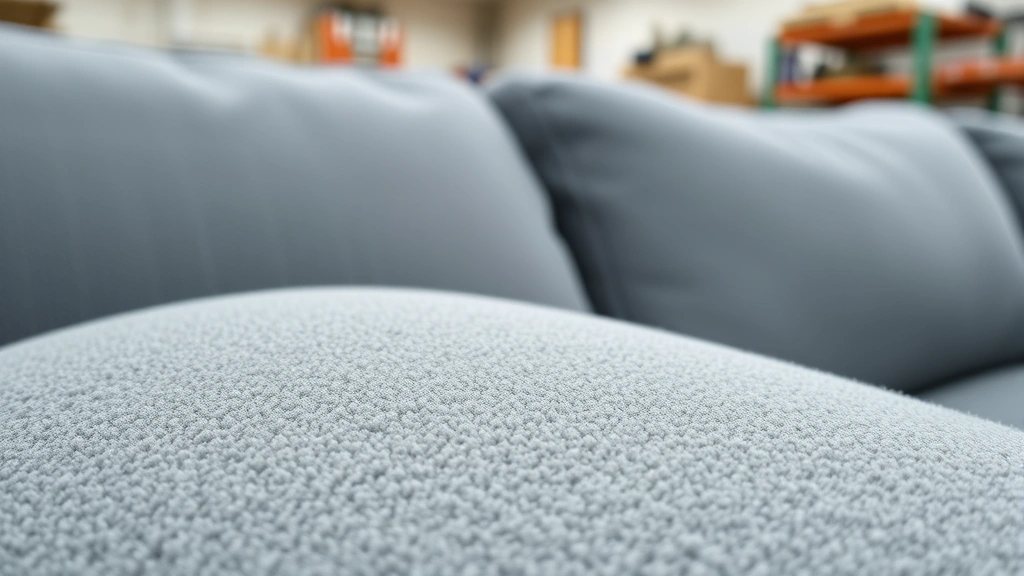
Learning how to clean microfiber is one of those skills that’ll save you hundreds of dollars and keep your furniture, car interiors, and clothes looking factory-fresh for years. Microfiber is everywhere these days—couches, upholstery, cleaning cloths, jackets—and it’s beloved for good reason. It’s durable, soft, and attracts dirt like a magnet. But here’s the catch: clean it wrong, and you’ll end up with water stains, matted fabric, or worse. I’ve made every mistake in the book, so let me walk you through the proven methods that actually work.
Table of Contents
Understanding Microfiber Fabric
Before you start scrubbing, you need to understand what you’re dealing with. Microfiber is made from synthetic fibers—typically polyester and polyamide—that are incredibly fine and tightly woven. This construction is what makes it so effective at trapping dust, oils, and moisture. The same properties that make microfiber great for cleaning also make it temperamental when you’re cleaning the microfiber itself.
The fabric has a delicate structure, and harsh chemicals or excessive water can permanently damage it. You’ll see matting, discoloration, or those stubborn water rings that seem impossible to remove. The key is treating microfiber gently while being aggressive enough to actually get it clean. Think of it like working with fine sandpaper—you need the right grit and technique, or you’ll ruin the finish.
Gather Your Cleaning Supplies
You don’t need an arsenal of fancy products. Here’s what actually works:
- Distilled water (tap water leaves mineral deposits)
- White vinegar (cuts through oils without residue)
- Isopropyl alcohol (70% concentration is ideal)
- Mild dish soap (just a tiny amount)
- Soft-bristled brush or old toothbrush
- White cloths or paper towels (colored ones can bleed)
- Spray bottle (for even application)
- Vacuum with upholstery attachment
Avoid fabric softeners, bleach, and oil-based cleaners at all costs. These will leave residue that actually attracts more dirt. I learned this the hard way after treating a microfiber couch with what I thought was a safe cleaner—it left a slick film that made everything stick to it.
The Dry Cleaning Method
This is your first line of defense and works surprisingly well for fresh spills and light dust. Start by vacuuming thoroughly with the upholstery attachment. Get into crevices and seams where dirt loves to hide. This removes loose particles so you’re not grinding them into the fabric when you treat it.
Next, use a soft-bristled brush—I use an old toothbrush—and gently brush the fabric in one direction. You’re not scrubbing hard; you’re coaxing dirt and dust to the surface. Work in small sections and use short, controlled strokes. For microfiber couches and furniture, this method alone handles about 80% of cleaning needs. It’s also the safest approach if you’re unsure about the fabric’s dye stability.
After brushing, vacuum again to pick up the loosened particles. You’ll be amazed at how much comes up on the second pass. This dry method is perfect for maintaining microfiber between deeper cleanings and prevents the buildup that leads to stubborn stains.
Water-Based Cleaning Approach
When dry cleaning isn’t enough, water-based solutions come next. Mix one part white vinegar with one part distilled water in a spray bottle. The vinegar smell dissipates as it dries, and it cuts through oils without leaving residue. This is my go-to for most microfiber cleaning because it’s gentle, effective, and cheap.
Spray the solution lightly onto the fabric—and I mean lightly. You want the cloth damp, not soaked. Oversaturation is the enemy; it can cause the fibers to swell and create permanent damage. Let the solution sit for 5-10 minutes to break down the dirt. Then use a white cloth to blot (never rub) the area in one direction. Blotting lifts the dirt; rubbing spreads it around and can damage fibers.
For tougher grime, add a single drop of mild dish soap to your vinegar solution. This helps emulsify oils and grease. But seriously—just one drop. Too much soap leaves residue that’s harder to remove than the original stain. After treating, use a clean damp cloth with plain distilled water to remove any vinegar residue, then blot dry.
Using Alcohol Solutions Safely
Isopropyl alcohol is your heavy-hitter for stubborn stains, but it requires respect. The 70% concentration works best because it’s diluted enough to be safe on most microfiber but concentrated enough to be effective. Never use 90% or higher concentrations—that’s too harsh and can strip dyes.

Mix one part 70% isopropyl alcohol with one part distilled water. Test this solution on a hidden area first—like under a cushion or on the back of a couch. Wait 24 hours to ensure the dye doesn’t run or the fabric doesn’t discolor. Microfiber comes in different formulations, and some react differently to alcohol.
Apply the alcohol solution the same way as the vinegar mixture: light spray, let it sit for 5-10 minutes, then blot with a white cloth. Alcohol evaporates quickly, which is actually a benefit—it dries faster than water and leaves less residue. After treatment, use a damp cloth with plain water to remove any alcohol residue, then blot dry immediately.
Spot Treatment for Stains
Different stains require different approaches. For protein-based stains (blood, vomit, food), start with cold water—never hot, which sets the stain. Blot first to remove excess, then apply your vinegar solution and let it work. For grease and oil stains, the alcohol solution is your best bet because it breaks down oils more effectively than water.
Ink and dye stains are trickier. Try the alcohol solution first, but if that doesn’t work, don’t keep scrubbing. You might set the stain permanently. Sometimes living with a small stain is better than creating a bleached spot by over-treating. For wine or juice stains, the vinegar solution works well because the acid helps break down the pigment.
Always work from the outside of the stain toward the center. This prevents the stain from spreading. Use a clean cloth for each blot—once it’s saturated, you’re just moving dirt around. And patience matters more than elbow grease. Let the solution dwell and do the work instead of scrubbing aggressively.
Drying and Fabric Restoration
After cleaning, proper drying is critical. Air dry completely—never use heat from a hair dryer or radiator. Heat can set any remaining moisture into stains and can damage the synthetic fibers. Open windows, use a fan, or crack a door to increase air circulation. On a couch, this might take 24-48 hours, but that’s normal and necessary.
Once the fabric is completely dry, you might notice it feels a bit stiff or matted. This is where the soft-bristled brush comes back. Gently brush the fabric in one direction to restore the nap and soften the fibers. Use light pressure and work in small sections. This step makes a huge difference in how the microfiber looks and feels after cleaning.
If you’re dealing with large areas that feel matted after drying, you can lightly mist with distilled water and brush while damp, then let air dry again. This can help restore the original texture. The goal is to work with the fabric’s natural properties, not against them.
Regular Maintenance Tips
The best cleaning is the cleaning you prevent. Vacuum microfiber furniture weekly with the upholstery attachment. This removes dust before it gets ground into the fibers. Keep food and drinks away from microfiber—I know that’s not realistic, but at least try to minimize spills.
For microfiber car interiors, which get heavy use, a quick vacuum and dry brush weekly keeps things looking fresh. Store microfiber clothing in breathable bags away from direct sunlight to prevent fading. When washing microfiber garments, use cold water, gentle cycle, and skip the fabric softener.
Consider applying a fabric protector specifically designed for microfiber. These create an invisible barrier that helps repel liquids and dirt. Apply after cleaning, and reapply every 6-12 months depending on use. It’s not foolproof, but it buys you time to blot a spill before it becomes a stain.
Common Mistakes to Avoid
The biggest mistake is using too much water. Microfiber is hydrophobic—it doesn’t like water—and oversaturation causes permanent damage. You want damp, not wet. Another common error is rubbing instead of blotting. Rubbing spreads stains and damages fibers. Always blot in one direction.
Don’t use hot water, bleach, or harsh chemicals. These strip dyes and damage the synthetic fibers. Avoid fabric softeners and dryer sheets on microfiber clothing—they leave residue that attracts dirt. And don’t let spills sit. Fresh stains are infinitely easier to remove than set-in ones. Blot immediately and treat within hours for best results.
One more thing: don’t assume all microfiber is the same. Furniture microfiber, car upholstery microfiber, and microfiber cloths all have slightly different formulations. What works perfectly on a couch might damage a car interior. Always test your cleaning solution on a hidden area first. That 30 seconds of testing can save you from ruining an expensive piece.
Frequently Asked Questions
Can I use a steam cleaner on microfiber?
No. Steam introduces too much moisture and heat, which can permanently damage microfiber and set stains. Stick to dry and damp methods only. If you’ve already used a steam cleaner, make sure everything dries completely and brush the fabric to restore the nap.
What’s the best way to clean microfiber car seats?
Start with a vacuum to remove loose dirt and crumbs. Then use the vinegar and water solution with light spray and blotting. Car seats get heavy use, so weekly dry brushing helps prevent buildup. For stubborn stains, the isopropyl alcohol solution works well, but always test on a hidden area first.
Can I wash microfiber clothes in the washing machine?
Yes, but use cold water on a gentle cycle. Wash separately from other fabrics to prevent color bleeding. Skip fabric softener and dryer sheets. Air dry or use low heat in the dryer. Microfiber dries quickly, so you don’t need high heat anyway.
How do I remove water rings from microfiber?
Water rings happen when minerals in tap water are left behind. Prevent them by always using distilled water for cleaning. To remove existing rings, lightly mist with distilled water and vinegar solution, let sit for 10 minutes, then blot and air dry. Brush the area once dry to restore texture.
Is it safe to use baking soda on microfiber?
Baking soda is safe and works well for odor removal. Sprinkle lightly on the fabric, let sit for 15-20 minutes, then vacuum thoroughly. Make sure all powder is removed before using any liquid cleaners, or you’ll create a paste. For fresh odors, this dry method is perfect.
What should I do if microfiber gets matted?
Matting usually happens from moisture or heavy use. Once the fabric is completely dry, use a soft-bristled brush and gentle, directional strokes to restore the nap. Light misting with distilled water while brushing can help. Avoid aggressive scrubbing, which makes matting worse.


