
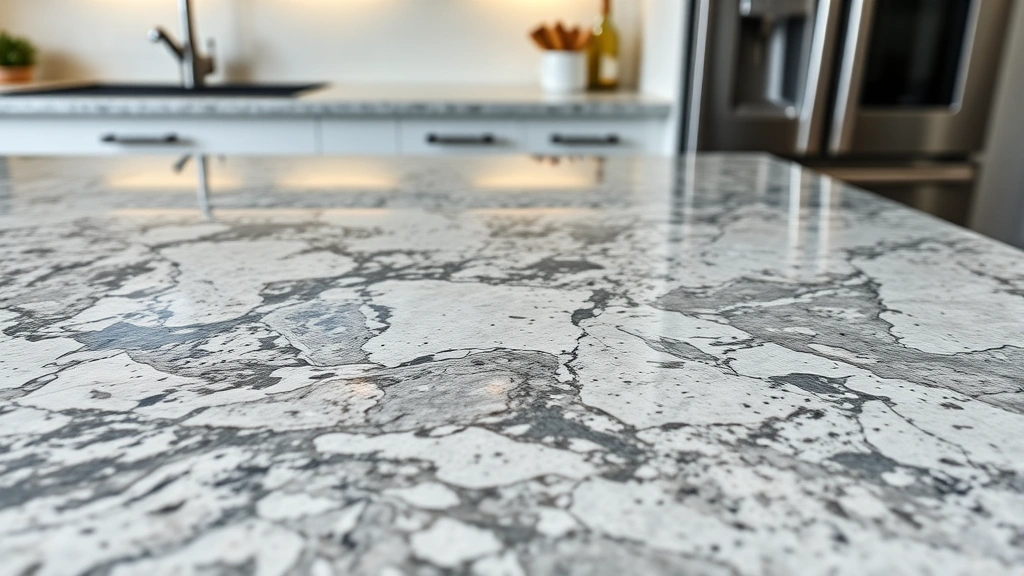
Learning how to clean granite countertops properly is one of those skills that separates people who have beautiful kitchens from people who have beat-up kitchens. I’ve spent years working with granite, marble, and other natural stone surfaces, and I’m going to walk you through exactly what works and what’ll wreck your investment.
Table of Contents
Daily Cleaning Routine
The best way to keep your granite looking sharp is to stay on top of it every single day. After you cook or prep food, wipe down your countertops with a soft cloth and warm water. That’s it. Seriously. You don’t need anything fancy for everyday maintenance. The key is catching spills before they sit around and potentially etch or stain the surface.
For tougher daily grime, use a microfiber cloth—they’re gentler on stone than regular sponges or paper towels. Microfiber traps dirt and bacteria way better than cotton cloths, which means you’re actually cleaning, not just pushing stuff around. Keep a couple hanging near your sink so they’re always within arm’s reach when you need them.
Supplies You’ll Need
Before you start scrubbing, gather the right tools. Here’s what actually works for granite cleaning without causing damage:
- pH-neutral granite cleaner – This is non-negotiable. Look for products specifically labeled for natural stone.
- Microfiber cloths – Soft, absorbent, and won’t scratch the surface.
- Soft-bristled brush – For gentle scrubbing when needed.
- Spray bottle – Mix your cleaner with water for easy application.
- Baking soda – A natural option for mild stains.
- Rubbing alcohol – Cuts through grease and disinfects.
- Granite sealer – Essential for long-term protection.
Skip the vinegar, lemon juice, and bleach. I know everyone’s grandmother swore by these, but natural stone hates acidic cleaners. They’ll etch the surface faster than you can say “regret.” According to Family Handyman, acidic cleaners are one of the top reasons granite gets damaged in home kitchens.
Deep Cleaning Granite
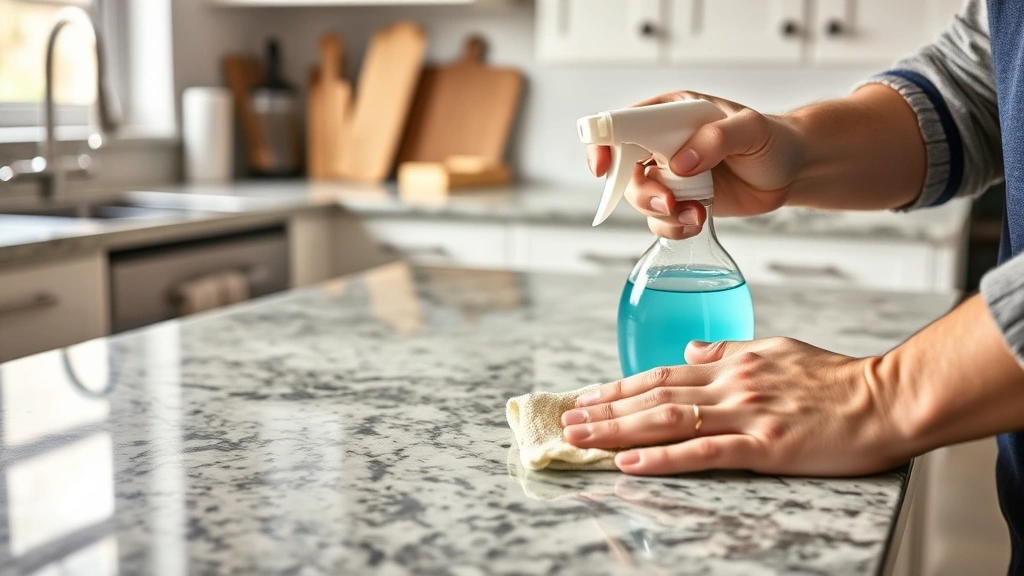
Once a week or so, give your granite a proper deep clean. Spray your pH-neutral granite cleaner on the surface—don’t oversaturate it. Use a microfiber cloth to wipe in circular motions, working from one end of the counter to the other. Then go back over with a damp cloth to remove any cleaner residue, and finish with a dry cloth to prevent water spots.
For stubborn buildup, let the cleaner sit for a minute or two before wiping. Don’t leave it sitting for hours—that’s overkill and can leave streaks. The whole process should take you less than five minutes per counter section.
If you’ve got granite countertops in multiple areas of your home, treat them the same way. Consistency is what keeps natural stone looking fresh. Think of it like maintaining any other investment—you wouldn’t ignore your car’s oil changes, right?
What to Avoid
Here’s where most people mess up. Granite is beautiful but temperamental about what you use on it. Never use:
- Acidic cleaners (vinegar, lemon, citrus products) – These etch the surface and dull the finish.
- Abrasive scrubbers (steel wool, harsh scouring pads) – They scratch the polished surface.
- Bleach or ammonia – These can discolor granite and damage the sealer.
- Oil-based products – They leave a greasy film and attract dirt.
- Wax or furniture polish – These create buildup and make the surface slippery.
I learned this the hard way years ago when I used vinegar on a client’s granite island. The etching wasn’t obvious at first, but after a few months, the whole surface looked dull and spotty. We had to have it professionally refinished. Don’t be that person.
Sealing and Protection
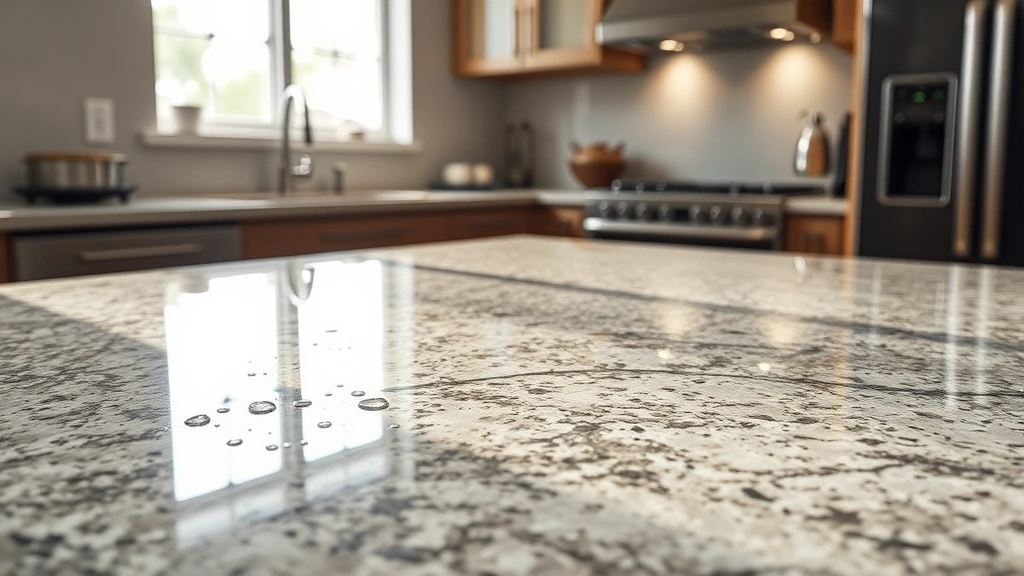
Granite is porous, which means liquid can soak into it if you’re not careful. That’s why sealing is absolutely critical. Most granite should be sealed every 1-3 years, depending on the type and how much use it gets. Test your seal by dropping water on the surface—if it beads up, you’re good. If it soaks in, it’s time to reseal.
Applying a granite sealer is straightforward. Clean the surface thoroughly first, let it dry completely, then apply the sealer according to the product instructions. Most sealers require 24-48 hours of drying time before you use the counters again, so plan accordingly. This Old House has excellent guidance on sealing different types of natural stone, and I’d recommend checking their resources before you buy a sealer.
Removing Stains
Stains happen. Wine, oil, coffee—granite gets hit with everything. The key is acting fast. Blot (don’t wipe) fresh spills immediately with a clean cloth. For set-in stains, make a paste with baking soda and water. Apply it to the stain, cover it with plastic wrap, and let it sit overnight. The baking soda pulls the stain out as it dries. Wipe away the paste in the morning and rinse thoroughly.
For oil-based stains, you might need a poultice made with baking soda and a small amount of rubbing alcohol. The alcohol helps break down the oil while the baking soda absorbs it. Again, let it sit overnight and check your progress in the morning.
Stubborn stains might need professional help. There’s no shame in calling in a stone specialist if you’ve got something that won’t budge. Trying aggressive methods could damage the stone permanently.
Granite Maintenance Schedule
Keep your granite in top shape with this simple schedule:
- Daily: Wipe up spills immediately with warm water and a soft cloth.
- Weekly: Deep clean with pH-neutral granite cleaner.
- Monthly: Check for any stains or buildup and address them.
- Every 1-3 years: Reseal your granite (test first to see if it needs it).
- As needed: Address stains with baking soda poultices.
This schedule keeps your counters looking brand new without eating up a ton of your time. You’re talking maybe 10-15 minutes per week, plus a couple hours every few years for sealing.
Common Mistakes to Skip
I’ve seen homeowners make the same granite mistakes over and over. Avoid these:
- Using dish soap: It leaves a film and can dull the finish over time.
- Letting spills sit: The longer something sits, the deeper it penetrates.
- Using too much water: Excess moisture can seep into the stone and cause problems underneath.
- Skipping the sealer: This is the single biggest mistake. Unsealed granite is a disaster waiting to happen.
- Using the same cloth for everything: A dirty cloth just redistributes grime around your counters.
Think of these mistakes like ignoring maintenance on your home. Small oversights compound into big problems. Stay ahead of it, and you’ll have beautiful granite for decades. According to Bob Vila, proper maintenance is what separates granite that lasts from granite that needs restoration.
Frequently Asked Questions
Can I use Clorox wipes on granite?
No. Clorox wipes contain bleach and other harsh chemicals that can damage the sealer and discolor the stone. Stick with pH-neutral cleaners designed for natural stone.
How often should I seal granite countertops?
Most granite needs resealing every 1-3 years. Test it first by dropping water on the surface. If the water beads up, the sealer is still working. If it soaks in, it’s time to reseal.
What’s the best cleaner for granite?
A pH-neutral granite cleaner is your best bet. Look for products specifically labeled for natural stone. You can also use a simple mixture of warm water and a tiny bit of dish soap in a pinch, but stick with dedicated granite cleaners for regular cleaning.
Can granite countertops get scratched?
Granite is very hard, but it can get scratched with heavy abuse or abrasive tools. Use cutting boards, avoid dragging heavy pots, and never use steel wool or harsh scouring pads.
Is it safe to put hot pans on granite?
Granite can handle heat, but extreme temperature changes can cause cracking. Use trivets or hot pads for very hot cookware, and avoid placing cold items directly next to hot ones.
What causes etching on granite?
Acidic substances like vinegar, lemon juice, and wine etch granite by reacting with the minerals in the stone. This creates dull spots that look like stains but are actually damage to the surface. Wipe up acidic spills immediately.
Wrapping It Up
Knowing how to clean granite countertops properly is honestly one of the best investments you can make in your kitchen’s longevity. The routine is simple: use the right products, stay consistent with maintenance, and reseal regularly. Your granite will look stunning for years to come.
The bottom line? Treat your granite like you’d treat any high-end tool. Respect it, maintain it, and it’ll reward you with beauty and durability. You’ve got this.


