
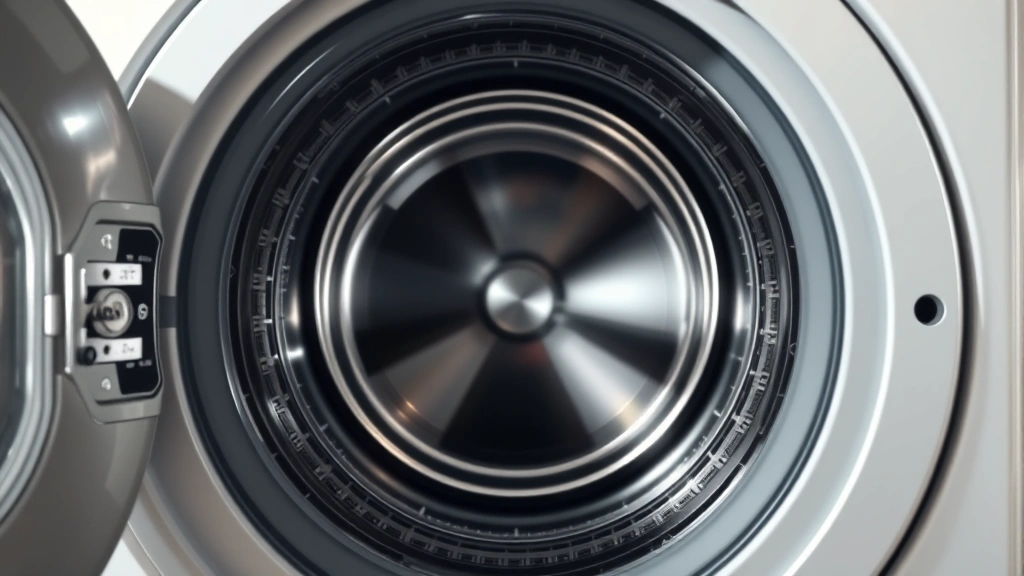
Learning how to clean front load washer machines is one of those maintenance tasks that pays dividends every single time you do laundry. Front loaders are fantastic at saving water and energy, but they’re also notorious for trapping moisture, detergent residue, and organic gunk that leads to that funky, musty smell nobody wants on their clothes. The good news? You don’t need fancy chemicals or professional help. With about 30 minutes and some basic household items, you can banish those odors and keep your washer running like a champ.
Table of Contents
Why Front Loaders Smell
Here’s the thing about front load washers: that rubber gasket around the door is basically a moisture trap. Water sits in there after every cycle, and combined with lint, detergent buildup, and fabric fibers, it creates the perfect breeding ground for mildew and bacteria. Unlike top loaders that drain completely, front loaders retain water in the seal, creating damp conditions that smell like a gym locker after a week.
The other culprit is using too much detergent. Modern front loaders are designed to work with high-efficiency (HE) detergent in small quantities. When people use regular detergent or too much HE soap, it leaves a film inside the drum and pump that traps moisture and promotes odor. It’s a vicious cycle, but the fix is straightforward.
Gather Your Supplies
Before you start, round up these items from around your house. You probably have most of them already:
- White vinegar (the workhorse of washer cleaning)
- Baking soda (odor neutralizer and mild abrasive)
- An old toothbrush or small brush (for tight spaces)
- Microfiber cloth or old towel (for wiping)
- Rubber gloves (optional but recommended)
That’s genuinely all you need. No commercial washer cleaners required. If you want to reference more detailed washing machine maintenance, check out our guide on how to clean a washing machine for additional troubleshooting steps.
Clean the Rubber Gasket
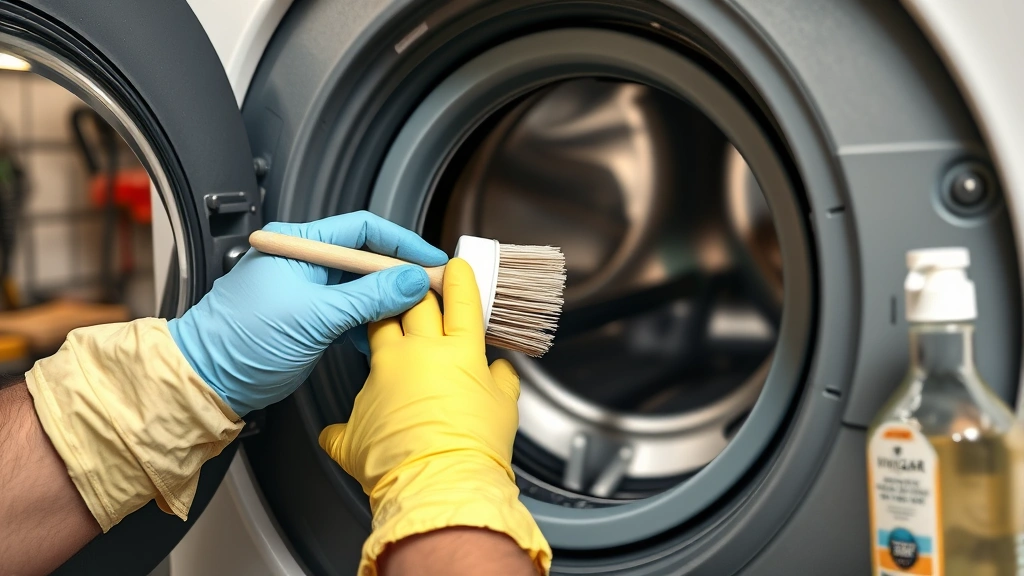
This is where the magic happens. Open your washer door and look at that rubber seal running around the edge. Peel it back gently—yes, you can do this—and you’ll probably find a nasty collection of lint, hair, and dark mildew spots. Don’t be grossed out; this is normal.
Mix equal parts white vinegar and water in a spray bottle. Spray the entire gasket, both the front surface and the underside where you pulled it back. Let it sit for 10 minutes. Then take your old toothbrush and scrub along the entire seal, getting into the crevices. Pay special attention to the bottom of the gasket where water pools. Wipe everything clean with a damp cloth, then dry it thoroughly with a dry cloth. This single step removes most odors immediately.
For stubborn mold spots, make a paste of baking soda and water, apply it to the affected areas, let it sit for 15 minutes, then scrub and rinse. The combination of vinegar and baking soda is incredibly effective at breaking down biofilm.
Run a Hot Vinegar Cycle
Now you’re going to clean the interior drum and pump system. Fill your washer’s detergent dispenser with two cups of white vinegar—not in the fabric softener compartment, but in the main detergent slot. If your washer has a dedicated cleaning cycle, use it. Otherwise, run the hottest water cycle available with the longest duration.
The vinegar will circulate through the entire system, dissolving detergent residue, killing bacteria, and neutralizing odors. You might smell strong vinegar during this cycle—that’s exactly what you want. It means the vinegar is working. After the cycle completes, run a second hot water cycle with nothing in it to rinse out any remaining vinegar smell.
Clean the Detergent Dispenser
Most front loaders have a removable detergent drawer. Pull it out (usually there’s a button or release catch) and rinse it under hot water. You’ll see white crusty buildup—that’s dried detergent. Use your toothbrush to scrub this away, especially in the corners and the dispenser slots where water doesn’t reach during normal cycles.
Soak the drawer in a bowl of white vinegar for 15 minutes if the buildup is heavy. This dissolves the mineral deposits and detergent film. Rinse thoroughly, dry it completely, and slide it back in. This prevents future detergent clogs and reduces the odor-causing residue buildup.
Wipe Down the Interior
With a damp microfiber cloth, wipe down the interior of the drum, paying attention to the holes in the drum where water and lint accumulate. You don’t need to be aggressive—just remove any visible lint or debris. Some people use a vacuum with a hose attachment to suck out lint from the drain pump filter area, which is accessible from the bottom front of the machine (check your manual for the exact location).
After wiping, leave the door open for at least an hour to allow the interior to air dry completely. This is crucial. Moisture is your enemy here, so don’t close the door immediately after cleaning. Better yet, leave it open overnight or all day if possible.
Establish a Maintenance Routine
The key to preventing future odors is consistency. Here’s what works:
- After every load: Leave the door open for at least 30 minutes to allow moisture to evaporate. This single habit prevents 80% of washer odor problems.
- Once a month: Run a hot water cycle with two cups of white vinegar to keep the interior clean.
- Every three months: Do the full cleaning routine—gasket inspection, detergent dispenser cleaning, and vinegar cycle.
- Always use HE detergent: Use the recommended amount (usually less than you think). Too much detergent is the primary cause of washer odors.
This routine takes minimal time but makes an enormous difference. You’re essentially preventing buildup instead of dealing with heavy cleaning later.
Troubleshooting Persistent Odors
If you’ve done all these steps and the smell persists, there are a few other things to check:
Check the drain pump filter: Most front loaders have a small filter at the bottom front of the machine that traps lint and debris. A clogged filter traps water and causes odors. Consult your manual for access instructions, but generally you’ll unscrew a small panel, pull out the filter, rinse it under hot water, and replace it.
Inspect the drain hose: If the hose is kinked or clogged, water backs up into the drum. Straighten any kinks and check for blockages by running water through it over a bathtub.
Run a cleaning cycle with baking soda: If vinegar alone isn’t cutting it, try running a hot cycle with one cup of baking soda instead. Some people alternate vinegar and baking soda cycles for stubborn cases.
Check your water supply: Hard water or mineral-heavy water can contribute to buildup. If you have very hard water, consider running vinegar cycles more frequently.
If odors still persist after all these steps, you might have a more serious issue like a compromised seal or internal mold growth that requires professional service. But 99% of the time, these steps solve the problem completely.
Frequently Asked Questions
Can I use bleach instead of vinegar to clean my front load washer?
You can, but vinegar is better. Bleach is harsher on rubber seals and can degrade them over time. Vinegar is gentler, equally effective at killing odor-causing bacteria, and won’t damage gaskets or internal components. Save the bleach for your laundry, not your washer.
How often should I clean my front load washer?
Run a vinegar cycle once a month, and do a thorough cleaning (gasket, dispenser, interior) every three months. If you live in a humid climate or have particularly hard water, increase frequency to every two months. The key is prevention through consistent maintenance rather than occasional deep cleaning.
Why does my washer still smell after cleaning?
The most common reason is that you’re closing the door immediately after cycles. Front loaders need air circulation to dry out. Leave the door open between loads—this alone prevents most odors. Also verify you’re using the correct amount of HE detergent; most people use too much.
Is it safe to use vinegar on all washer parts?
Yes. Vinegar is safe for rubber seals, stainless steel drums, and all internal components. It’s actually gentler than many commercial cleaners. The only thing to avoid is mixing vinegar with bleach, which creates toxic chlorine gas.
Can I use lemon juice instead of vinegar?
Lemon juice works similarly to vinegar for odor removal, though it’s slightly less effective. The acidity is lower, so you’d need to use more. Stick with white vinegar—it’s cheaper, more effective, and easier to use in large quantities.
What if my washer has a self-cleaning cycle?
Many newer models have a dedicated self-cleaning or sanitize cycle. Use it monthly, but still do manual gasket cleaning quarterly. The self-cleaning cycle helps, but it doesn’t replace hand-cleaning the gasket where most odors originate.


