
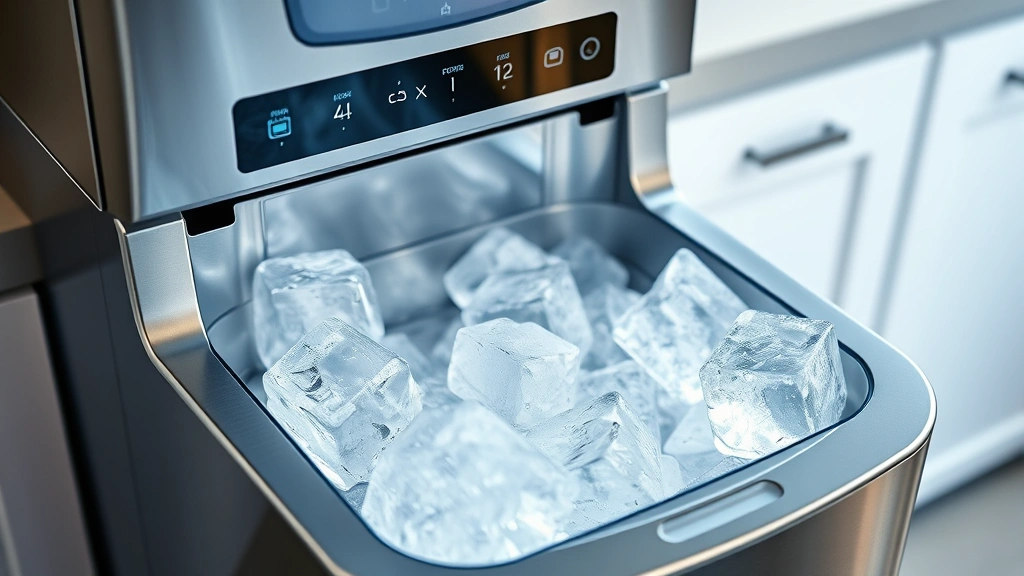
Learning how to clean Frigidaire ice maker is one of those maintenance tasks that’ll save you money and keep your ice tasting fresh. If you’ve noticed cloudy ice cubes, weird smells, or slower production, your ice maker’s probably due for a cleaning. The good news? It’s straightforward enough that anyone can do it without calling a technician.
Table of Contents
Why Clean Your Ice Maker
Your Frigidaire ice maker works hard, cycling water through a freezing mechanism multiple times daily. Over time, mineral deposits, bacteria, and mold can accumulate in the water lines and ice bin. This buildup affects ice quality and can slow production to a crawl. Regular cleaning prevents these issues and extends your appliance’s lifespan. Think of it like changing your car’s oil—preventative maintenance beats emergency repairs every time.
Gather Your Supplies
Before you start, round up everything you’ll need. You don’t need fancy commercial cleaners; basic household items work great. Grab white vinegar (the MVP of appliance cleaning), warm water, a soft-bristled brush, clean cloths, and a small bowl or cup. Optional but helpful: a turkey baster for reaching tight spots. Having everything within arm’s reach means you won’t waste time hunting for tools mid-project. If you’re tackling other household cleaning tasks, check out how to clean mousepad for similar techniques using vinegar solutions.
Disconnect Power First
Safety first, always. Unplug your Frigidaire from the wall outlet before touching any internal components. Some models have a power switch on the control panel—flip that too. Wait a few minutes for any residual electrical charge to dissipate. This isn’t just cautious; it’s essential. Water and electricity don’t mix, and you’re about to introduce plenty of liquid into the system. Better safe than sorry with appliance work.
Remove the Ice Bin
Open your freezer and locate the ice bin—it’s the container where finished ice cubes collect. Most Frigidaire models have a simple push-release mechanism or a slide-out design. Empty any remaining ice into a cooler or sink. Check your model’s manual for specific removal steps if you’re unsure. Once it’s out, dump out any accumulated water at the bottom. Inspect the bin’s interior for visible mold, slime, or discoloration. These are signs you’re doing the right thing by cleaning.
Clean Internal Components
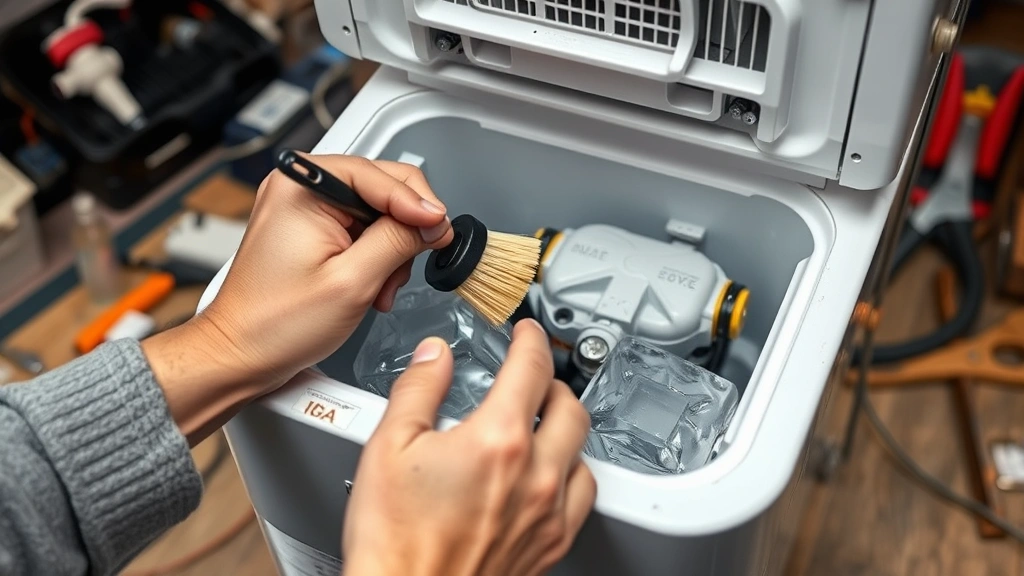
This is where vinegar earns its keep. Mix equal parts white vinegar and warm water in your bowl. Dip your soft-bristled brush into the solution and gently scrub the ice maker’s visible surfaces inside the freezer compartment. Pay special attention to the ejector arm (the mechanism that pushes ice into the bin) and any accessible water channels. Use a clean cloth to wipe away residue. Don’t use abrasive scrubbers or harsh chemicals—you’re cleaning food-contact surfaces. The vinegar smell will dissipate within hours, so don’t panic if your freezer smells like a salad for a bit. For other appliance maintenance, similar principles apply to how to use a pizza stone regarding proper care and cleaning.
Descale Water Lines
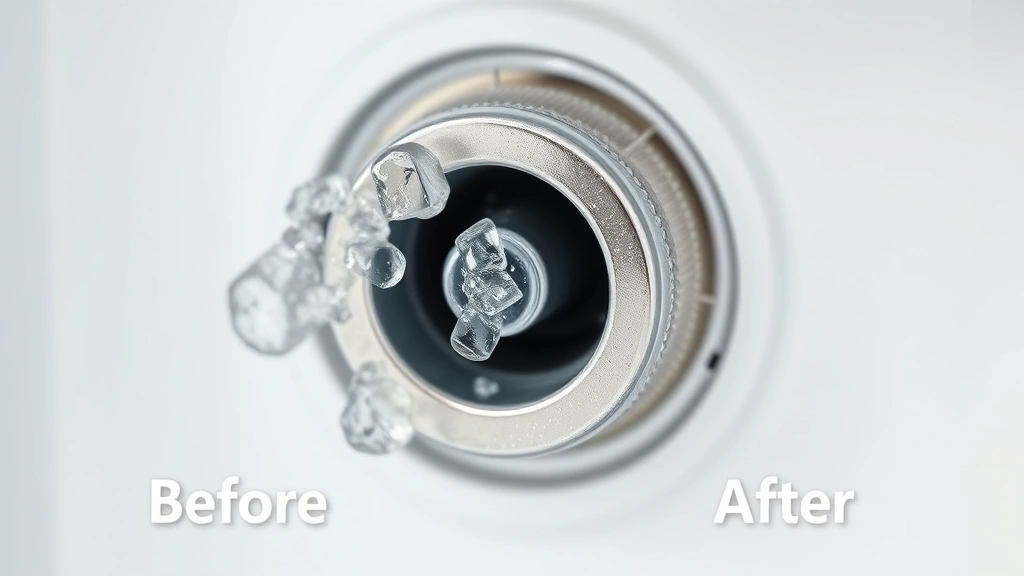
The water inlet valve and supply lines are where mineral buildup really causes problems. If your Frigidaire has an accessible water inlet, you can flush it with vinegar solution using a turkey baster or small syringe. Inject the vinegar mixture slowly, allowing it to dissolve mineral deposits. Work carefully and don’t force anything—you’re dissolving buildup, not blasting it out. If you can’t access the inlet directly, run a cycle or two with the vinegar solution in the water reservoir if your model allows it. Some newer Frigidaire models have self-cleaning functions; check your manual to see if yours qualifies. The goal is getting vinegar through the entire water pathway. According to the U.S. EPA’s Energy Star program, regular descaling improves efficiency and ice quality significantly.
Reassemble and Test
Once everything’s clean and dry, reverse your steps. Slide the ice bin back into place, ensuring it seats properly. Plug your Frigidaire back in and power it on. Run the ice maker through a complete cycle or two. The first batch of ice might taste slightly vinegary—that’s normal. Just discard the first few ice cubes and run another cycle. Within a few hours, you should have fresh, clear ice. Listen for normal operating sounds and watch for any leaks. Everything should run smoothly and quietly.
Maintenance Schedule
Now that your ice maker’s clean, keep it that way. Deep clean every three to six months, depending on your water hardness. If you have hard water, lean toward the three-month mark. In between deep cleans, empty and rinse the ice bin monthly. Keep your freezer at the proper temperature (0°F or below) to prevent bacterial growth. Replace your refrigerator’s water filter every six months—this prevents mineral and sediment buildup upstream. Think of it as an investment in better ice and fewer headaches down the road. Similar to how how to install artificial grass requires proper ongoing maintenance, your ice maker benefits from a consistent care routine.
Troubleshooting Common Issues
If your ice maker still isn’t producing ice after cleaning, check a few things. Make sure the water supply line isn’t kinked or frozen. Verify the inlet valve isn’t clogged—you might need to backflush it more aggressively. Check that the ice bin is seated correctly and the door switch is engaging properly. If ice tastes off despite cleaning, your water filter might need replacement. According to Family Handyman’s appliance guides, most ice quality issues stem from neglected water filters rather than the ice maker itself. Sometimes the simplest solution is the right one.
Frequently Asked Questions
How often should I clean my Frigidaire ice maker?
Deep clean every three to six months depending on water hardness. Monthly rinses of the ice bin keep things fresh between deep cleans. Hard water areas should aim for quarterly deep cleaning.
Can I use bleach to clean my ice maker?
No. Bleach is too harsh and leaves residue on food-contact surfaces. Stick with white vinegar—it’s effective, food-safe, and won’t damage internal components.
Why is my ice cloudy after cleaning?
Cloudy ice usually indicates dissolved minerals in your water, not dirty equipment. A quality water filter addresses this better than cleaning. Make sure you’re replacing filters every six months.
What if I see mold in the ice bin?
Mold grows in moist environments, especially if your freezer isn’t cold enough. After cleaning with vinegar solution, ensure your freezer maintains 0°F or below. Run a few cleaning cycles after treatment.
Do I need special tools for this job?
Nope. A soft brush, clean cloth, and vinegar are all you need. A turkey baster helps reach tight spots but isn’t essential. Keep it simple—your Frigidaire isn’t complicated.
Final Thoughts
Cleaning your Frigidaire ice maker isn’t a complicated job, but it’s one that pays dividends. You’ll get better-tasting ice, faster production, and peace of mind knowing your appliance is well-maintained. The whole process takes about an hour, and most of that is waiting for vinegar to work its magic. Schedule it quarterly, and you’ll never deal with cloudy ice or funky smells again. Your future self will thank you every time you drop a fresh cube into a cold drink.


