
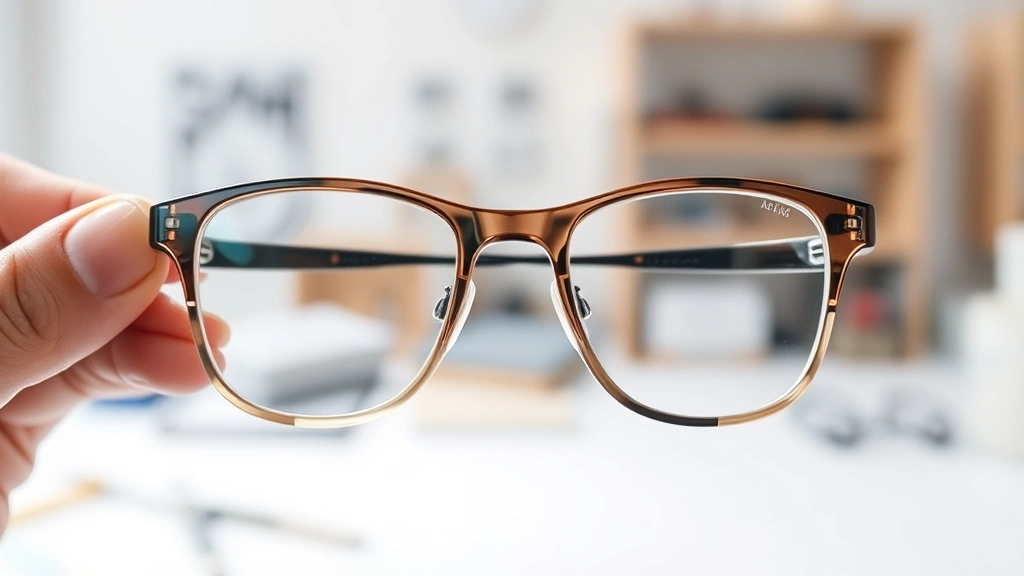
Learning how to clean eyeglasses properly is one of those simple skills that makes a massive difference in your daily life. Whether you’re dealing with smudges from fingerprints, dust buildup, or mysterious streaks that seem to appear out of nowhere, knowing the right technique saves you frustration and keeps your lenses crystal clear. I’ve spent years helping folks tackle household cleaning challenges, and I can tell you that eyeglass care is one area where most people are doing it completely wrong.
Table of Contents
Why Proper Cleaning Matters
Your eyeglasses sit on your face all day, picking up oils, dust, and debris constantly. When you clean them wrong, you’re actually grinding microscopic particles across your lenses, creating tiny scratches that accumulate over time. These scratches reduce clarity, create glare, and eventually make your glasses harder to see through than they should be. The good news? Proper technique takes about 30 seconds and costs almost nothing. Think of it like caring for any precision tool—a little respect goes a long way.
Gather Your Supplies First
Before you touch those lenses, assemble the right gear. You’ll need lukewarm water (not hot), a drop of dish soap, and a microfiber cloth. That’s genuinely it. Many people grab whatever cloth is nearby—a shirt, paper towel, or tissue—and that’s where the damage happens. Microfiber cloths work because their fibers are much finer than regular cotton, so they lift oils without scratching. If you don’t have one, most eyeglass retailers include them free with purchases. Keep one in your car, one at home, and one at the office.
The Water Rinse Method
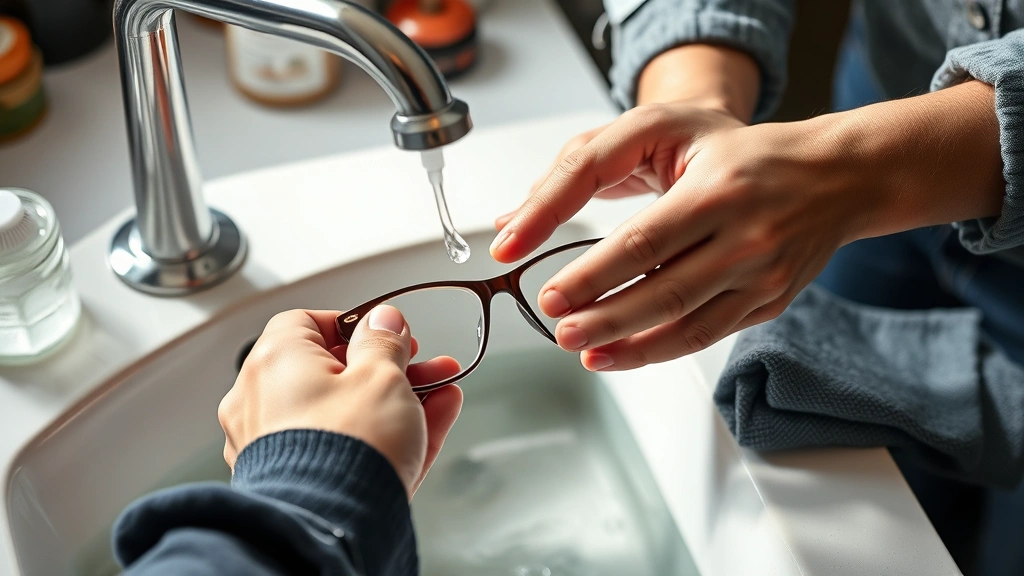
This is the foundation of streak-free eyeglass cleaning. Hold your glasses under lukewarm running water—not hot, because extreme temperatures can damage lens coatings and frames. Add one tiny drop of dish soap to your fingertip and gently rub both sides of each lens in circular motions. Use your pinky finger or ring finger to avoid applying too much pressure. The soap breaks down oils that water alone can’t remove. Rinse thoroughly under running water until you see no soap residue. This step is non-negotiable if you want truly clean glasses. For related cleaning challenges around your home, check out our guide on how to clean baseboards, which uses similar gentle techniques.
Microfiber Cloth Technique
Now comes the drying phase, and this is where people mess up most often. Never rub aggressively. Instead, gently fold your microfiber cloth and use light pressure to dab moisture away. Start at the top of each lens and work downward, using different sections of the cloth as it gets damp. The gentle pressure is key—you’re not trying to polish them like a car hood. If streaks appear, it usually means either your cloth is dirty or you’re using too much pressure. Once you’re done, hold the glasses up to light and inspect both sides. You should see no streaks, spots, or residue. This same gentle-pressure approach works for cleaning delicate household items too.
Tackling Stubborn Smudges
Sometimes you’ll encounter smudges that won’t budge with the standard method. Maybe someone touched your lenses with greasy fingers, or you’ve let them sit unwashed for a few days. For these situations, repeat the water and soap process, but add a second rinse. Use slightly warmer water (still not hot) and make sure you’re rinsing every trace of soap away. If a smudge persists after two full cycles, it might be dried-on debris rather than an oil smudge. In that case, use your fingernail gently—just barely scrape at the edge of the smudge while the lens is wet and soapy. Never do this on dry lenses. The water acts as a lubricant that prevents scratching.
Mistakes to Avoid Always
Let me spell out what not to do, because I see these mistakes constantly. Don’t use paper towels, tissues, or napkins—they’re abrasive and will scratch your lenses over time. Don’t breathe on your glasses and rub them with your shirt. Don’t use window cleaner, alcohol, or acetone. Don’t use hot water that’s too hot to hold comfortably. Don’t store your glasses lens-down on hard surfaces. Don’t leave them in direct sunlight for extended periods, as this can damage coatings and warp frames. Each of these habits seems harmless in the moment but compounds into real damage. It’s similar to how small maintenance mistakes on household appliances add up—like the issues we discuss in our how to clean washing machine guide.
Maintaining Your Frames Too
While you’re cleaning your lenses, don’t forget the frames themselves. Use the same soapy water method to clean the nose pieces and ear stems, where sweat and oils accumulate. These areas affect comfort and fit. Use an old toothbrush—a soft one—to gently clean crevices and joints where dirt hides. Dry the frames with the same microfiber cloth. If your frames are metal, occasional cleaning prevents corrosion. If they’re plastic, this routine keeps them from becoming sticky or discolored. Frames are often the most expensive part of your glasses, so treating them well extends their lifespan significantly.
Storage and Protection
How you store your glasses matters as much as how you clean them. Always use a proper eyeglass case when you’re not wearing them. A case protects against drops, pressure, and accidental damage. Keep your microfiber cloth in the case too. Store glasses in a cool, dry place away from direct sunlight and extreme temperatures. Never leave them on your dashboard in summer or in a car overnight in winter. Don’t toss them loose in a bag or pocket. If you wear glasses occasionally rather than daily, clean them before wearing, even if they’ve been stored. Dust settles on stored glasses, and you want to rinse that away gently rather than rubbing it across your lenses.
Frequently Asked Questions
Can I use vinegar to clean my eyeglasses?
While vinegar is great for many household cleaning tasks, it’s not ideal for eyeglasses. The acidity can damage lens coatings over time and leave streaks. Stick with plain water and a tiny drop of dish soap—it’s specifically formulated to break down oils without harming delicate coatings. For general household vinegar cleaning solutions, our how to adjust sprinkler heads guide mentions proper maintenance techniques that apply across many cleaning tasks.
How often should I clean my glasses?
Daily cleaning is ideal if you wear glasses all day. A quick rinse and dry in the morning keeps them fresh. If you notice smudges during the day, do a spot clean. For occasional wearers, clean before each use. The more frequently you clean with proper technique, the less buildup you’ll have and the easier maintenance becomes. Think of it like brushing your teeth—small frequent efforts beat occasional intensive efforts.
What if my microfiber cloth gets dirty?
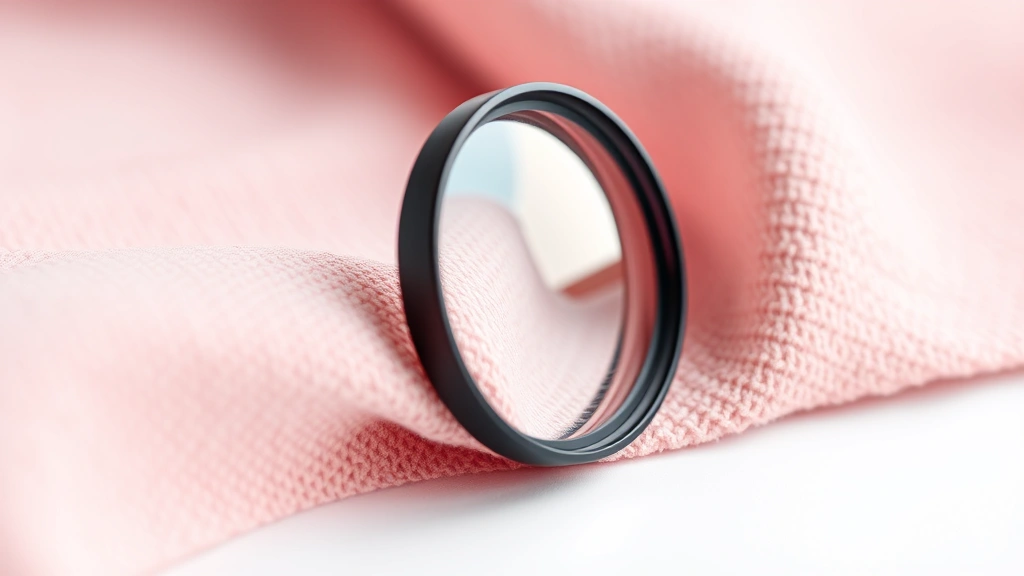
Wash it regularly with warm water and a gentle detergent. Never use fabric softener or bleach, as these damage the microfiber structure. Air dry it completely before using again. Most microfiber cloths last years if cared for properly. If yours becomes worn or frayed, replace it—a new one costs just a few dollars and lasts a long time. Many eyeglass stores will give you free replacement cloths if you ask.
Can I use rain or tap water instead of filtered water?
Tap water is fine for eyeglass cleaning. You don’t need filtered or distilled water. The minerals in regular tap water won’t harm your lenses. What matters is using the right temperature and technique, not water purity. Hard water areas might leave slight mineral deposits, but a proper rinse and dry with a clean microfiber cloth prevents this from being visible.
Why do my glasses still get streaky after cleaning?
Streaks usually come from three sources: a dirty microfiber cloth, using too much pressure while drying, or residual soap. Make sure your cloth is clean before each use. Use light dabbing motions rather than rubbing. Rinse thoroughly until you see no soap bubbles. If streaks persist, try the entire process again with a fresh cloth. Sometimes patience and repetition reveal what went wrong the first time.
Final Thoughts on Eyeglass Care
Learning how to clean eyeglasses properly is a small skill with big payoffs. You’ll see better, your glasses will last longer, and you’ll stop wasting money on replacements. The entire process takes less time than it took you to read this article. Keep a microfiber cloth handy, use lukewarm water with a drop of dish soap, and dry gently. That’s the complete system. Your eyes deserve clear vision, and your investment in quality frames deserves proper care. Start today with the right technique, and you’ll notice the difference immediately. For more household maintenance guidance on protecting your investments, check out our how to format SD card article for digital storage care tips that apply the same maintenance philosophy.


