
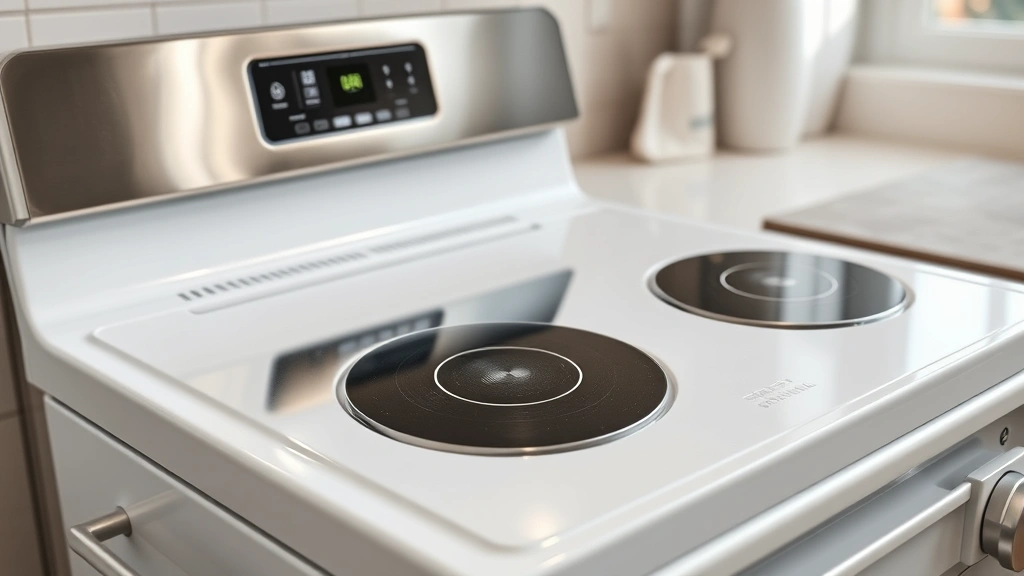
Learning how to clean electric stove top surfaces doesn’t require fancy chemicals or hours of elbow grease—just the right technique and a little patience. Whether you’re dealing with stubborn burnt-on food, grease splatters, or everyday grime, I’ve got a straightforward approach that’ll have your cooktop looking fresh again. Let’s walk through this together, step by step.
Table of Contents
Safety First: Power Down
Before you touch anything on your electric stove, turn off the power at the breaker or unplug the unit if it’s a portable model. This isn’t just about being cautious—it’s about keeping your fingers intact. Wait at least 30 minutes after the last use to let the coils or glass surface cool completely. I learned this the hard way years ago, and trust me, a burnt hand isn’t worth rushing the process.
Gather Your Cleaning Supplies
You don’t need an arsenal of specialized products. Here’s what works best: warm water, dish soap, baking soda, white vinegar, non-abrasive sponges, soft cloths, and optionally a cooktop scraper for glass surfaces. For tougher jobs, keep cream of tartar and lemon juice handy. Most of these are already in your kitchen, which means you can start cleaning right now without a store trip.
Remove Loose Debris First
Start by wiping away loose crumbs, dust, and dried food particles with a dry cloth or soft brush. This prevents you from smearing debris around when you apply liquid cleaners. Pay special attention to the edges and corners where gunk loves to hide. If you’re working on a glass cooktop, make sure nothing is scratching the surface—use only soft cloths and plastic scrapers, never steel wool or harsh scouring pads.
Soak Stubborn Spots
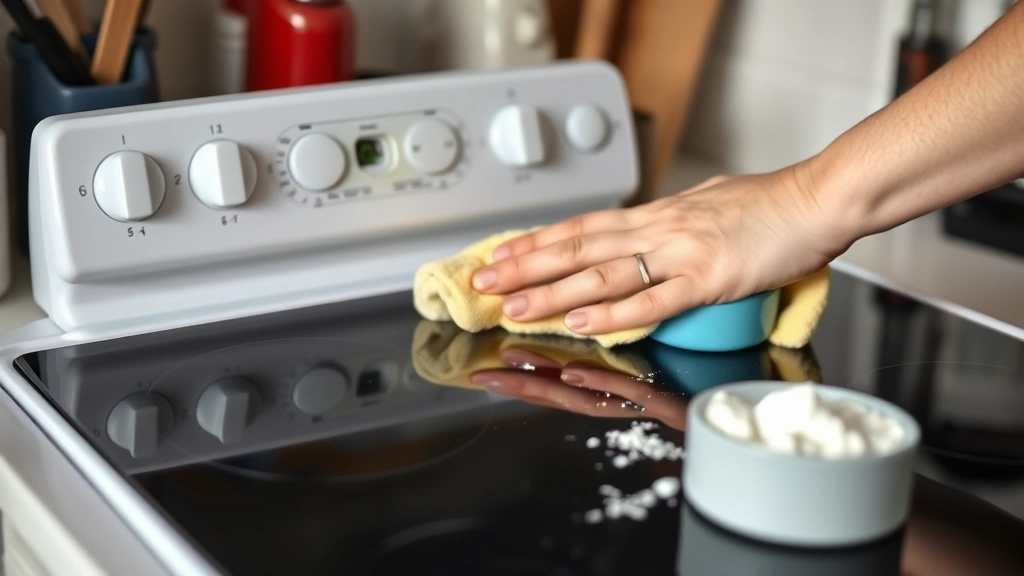
For burnt-on food or grease, make a paste with baking soda and water (roughly 3 parts baking soda to 1 part water). Spread this paste directly on problem areas and let it sit for 15-20 minutes. The longer it sits, the better it works. This is also a perfect time to clean related kitchen appliances—check out our guide on how to clean a washing machine while you’re waiting, since kitchen maintenance often comes in batches.
Master the Scrubbing Technique
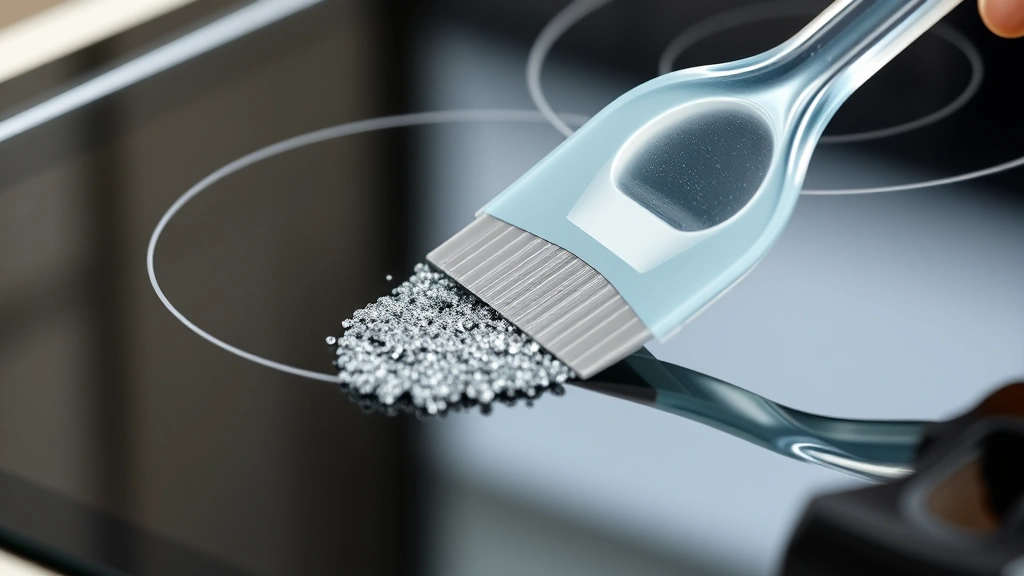
Use circular motions with a non-abrasive sponge or soft cloth to gently scrub away the baking soda paste. Don’t press hard—let the chemical action do the work instead of your muscles. For glass cooktops, use a cooktop scraper at a 45-degree angle for stubborn spots. Wipe everything clean with a damp cloth, then dry thoroughly with a soft towel to prevent water spots and streaks.
Caring for Coil Elements
If your stove has removable coil elements, take them out and soak them in hot soapy water for 10-15 minutes. Scrub gently with a soft sponge, rinse well, and dry completely before reinstalling. Never submerge the electrical connection end. For the reflector pans underneath, wash them separately and replace if they’re too damaged. Clean coils heat more efficiently and distribute warmth evenly across your cookware.
Glass Cooktop Special Care
Glass surfaces need a gentler touch than coil stoves. After your baking soda treatment, try this vinegar rinse: spray white vinegar on the surface and let it bubble for a minute, then wipe clean. The vinegar cuts through grease and leaves a streak-free shine. For extra shine, finish with a microfiber cloth. Avoid abrasive scrubbers and never use oven cleaner on glass cooktops—it’ll damage the surface permanently.
Prevent Future Buildup
The best cleaning is the one you don’t have to do. Wipe spills immediately after the stove cools (never on a hot surface). Use lids when cooking to reduce splatters. When you’re preparing meals, remember that proper technique matters too—our article on how long to steam asparagus shows how using the right cooking method reduces mess. Keep a small cloth nearby during cooking for quick cleanup. These habits cut your deep-cleaning time in half.
Monthly Deep Clean Routine
Set a monthly reminder for a thorough cleaning. This prevents heavy buildup and keeps your cooktop looking new. A quick 30-minute session once a month beats scrubbing for hours every few months. Make it part of your broader kitchen maintenance—while you’re at it, tackle other surfaces and appliances that accumulate grime. Consistency is your best friend here.
Frequently Asked Questions
Can I use oven cleaner on my electric stove top?
No—oven cleaner is too harsh for most cooktop surfaces, especially glass. It can damage the finish and leave toxic residue. Stick with baking soda, vinegar, and mild dish soap for safe, effective cleaning. According to Family Handyman’s guide on glass cooktops, these gentler methods work just as well without risk.
How often should I clean my electric stove top?
Wipe up spills immediately after cooking. Do a light weekly cleaning, and tackle a deeper clean monthly. Heavy-use kitchens might need weekly deep cleans. The frequency depends on your cooking habits—daily cooking means more frequent cleaning, but it’s worth the effort to maintain your investment.
What’s the safest scraper for glass cooktops?
Use only plastic or ceramic scrapers designed for glass cooktops. Hold them at a 45-degree angle and apply gentle pressure. Never use metal scrapers, steel wool, or abrasive scouring pads—these scratch and permanently damage glass surfaces. Your hardware store carries cooktop-specific scrapers for just a few dollars.
Is vinegar safe for all cooktop types?
Yes, white vinegar is safe for glass, ceramic, and coil cooktops. It’s mild, effective, and leaves no harmful residue. Dilute it 50/50 with water if you prefer, or use it full strength for tougher grease. The smell dissipates quickly, and the cleaning results speak for themselves.
Why do water spots appear after cleaning?
Water spots form when mineral-rich water dries on the surface. Always finish with a dry cloth or microfiber towel. If spots appear anyway, wipe them away with vinegar on a cloth. This is especially important on glass cooktops where spots are most visible.
The Bottom Line: How to clean electric stove top surfaces comes down to patience, the right tools, and a bit of elbow grease. Whether you’re dealing with coil elements or a glass surface, these steps work reliably. Start with power off, use baking soda for stubborn spots, and finish with vinegar for shine. For more kitchen maintenance tips, check out This Old House’s stovetop cleaning advice and Bob Vila’s comprehensive guide. Keep up with weekly wipes and monthly deep cleans, and your cooktop will stay looking showroom-fresh for years. Now get out there and make that stove shine.


