

Learning how to clean couch cushions is one of those skills that’ll save you hundreds of dollars and keep your furniture looking fresh for years. Whether you’re dealing with crumbs, pet hair, spills, or just general grime buildup, I’ve got you covered with methods that actually work without trashing your cushions in the process.
Table of Contents
Assess Your Cushion Material
Before you go full steam ahead, take a minute to figure out what you’re working with. Most couch cushions fall into a few categories: microfiber, cotton blend, leather, or specialty fabrics. Check your couch’s tag—it’ll have a code that tells you what cleaning methods are safe.
The codes are simple: W means water-based cleaners are okay, S means solvent-based only, WS means either works, and X means dry cleaning or vacuuming only. Ignore this at your peril—use the wrong cleaner on a delicate fabric and you’ll end up with permanent damage that makes those stains look minor.
Run your fingers across the cushion surface. If it feels smooth and slick, you’ve probably got microfiber or a synthetic blend. If it’s nubby and textured, it’s likely a natural fiber like cotton or linen. This matters because different materials absorb and release moisture differently.
The Vacuum Method
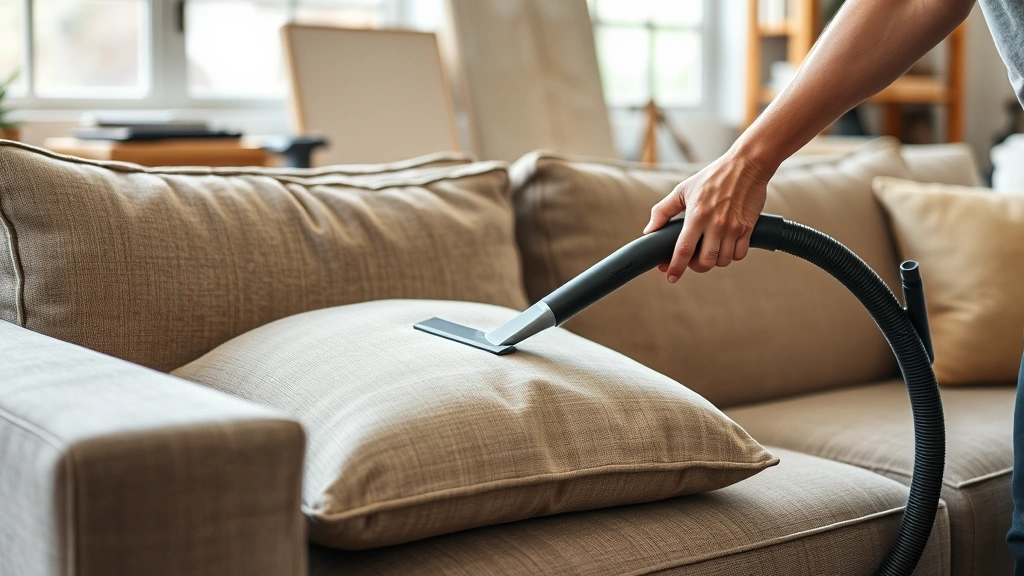
Start here, every single time. Grab your upholstery attachment—not the regular brush head—and work systematically across each cushion. Use slow, overlapping passes to really pull embedded debris out of the fabric.
Pay special attention to the seams and crevices where crumbs love to hide. Those little gaps between cushions are basically crumb hotels, so take your time there. If you’ve got a handheld vacuum, the crevice tool works beautifully for getting into tight spots.
This alone handles about 80% of what makes cushions look dingy. Pet hair, dust, food particles—the vacuum pulls it all out. Do this monthly and you’ll be amazed at how much longer your couch stays looking decent. It’s also the safest method for any fabric type, so there’s zero risk of damage.
Baking Soda Deodorizing Trick
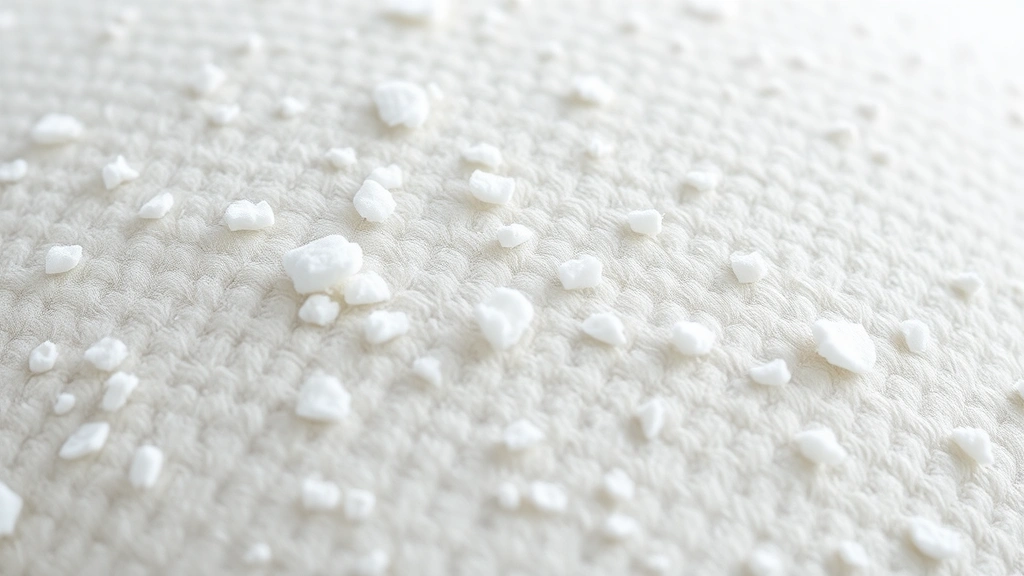
After vacuuming, sprinkle baking soda generously over the cushions and let it sit for 15-30 minutes. This stuff is magic for absorbing odors—way better than those spray fresheners that just mask the problem. If your couch smells like last night’s pizza or has that stale sitting-around funk, baking soda fixes it.
For stubborn smells, mix baking soda with a few drops of essential oil—lavender or lemon work great. Let the mixture dry completely, then sprinkle it on. The longer it sits (up to an hour), the more odor it’ll pull out.
Vacuum it all up thoroughly when you’re done. Don’t skip this step or you’ll have white powder residue all over your dark cushions. Use your regular vacuum, but go slowly to make sure you get every bit. This method is safe for literally every fabric type and costs about 50 cents.
Steam Cleaning for Deep Dirt
When surface cleaning isn’t cutting it, steam is your friend. A handheld steam cleaner works better than a full-size carpet cleaner for cushions because you’ve got more control. Fill it with distilled water only—tap water leaves mineral deposits that make things look worse.
Hold the steamer about 6 inches from the cushion surface and work in sections, letting the steam penetrate the fabric for a few seconds before moving on. The heat kills bacteria and loosens embedded dirt, which you then wipe away with a clean microfiber cloth.
Here’s the key: don’t oversaturate. You want the cushion damp, not soaking wet. After steaming, open windows, turn on fans, and let those cushions dry completely before anyone sits on them. Damp cushions are a breeding ground for mold and mildew, and that’s a whole different problem you don’t want.
Spot Treatment Solutions
Got a specific stain? Different stains need different approaches. For fresh spills, blot immediately with a clean cloth—don’t rub or you’ll push the liquid deeper into the fibers.
For general stains, mix a solution of one tablespoon dish soap, one tablespoon white vinegar, and two cups of warm water. Test it on a hidden area first, then apply with a cloth, working from the outside of the stain inward to prevent it from spreading. Blot with a damp cloth to rinse, then blot dry.
Grease stains need something different. Sprinkle cornstarch or talcum powder on the stain and let it sit for 15 minutes to absorb the oil, then vacuum it up. If residue remains, use the soap-vinegar solution above.
For organic stains like food or pet accidents, an enzymatic cleaner breaks down the proteins. These are game-changers for pet owners and families with kids. Follow the product instructions, but generally you apply, let it sit for 10-15 minutes, then blot thoroughly.
Commercial Upholstery Shampoo
When you need serious cleaning power, commercial upholstery shampoo delivers. Products from brands like Folex or Resolve upholstery cleaner are formulated specifically for couch cushions and work on most fabric types.
Always read the label and test on a hidden area first. Apply the shampoo according to directions—usually you spray it on, let it work for 5-10 minutes, then scrub gently with a soft brush or cloth. Wipe away the residue with a damp cloth and let it dry completely.
The advantage here is that these products are designed to rinse clean without leaving residue, unlike some DIY solutions. They’re also stronger than homemade cleaners, so they tackle tougher stains. Just don’t oversaturate or use too much—a little goes a long way.
If you’re dealing with particularly stubborn stains or your couch is valuable, this is also when you might want to call in professionals who have industrial-grade equipment and expertise.
Drying Without Damage
Drying is where most people mess up. Wet cushions left to air dry in a closed room can develop mildew or mold, especially in humid climates. Here’s the right approach:
Open windows and doors to create airflow. If weather permits, put cushions in direct sunlight—UV rays naturally kill bacteria and help dry things fast. If it’s humid or cold outside, use fans strategically. A box fan pointed at the cushions speeds things up dramatically.
Flip cushions halfway through drying to ensure both sides dry evenly. Depending on humidity and thickness, this takes anywhere from 4-24 hours. Don’t sit on cushions until they’re completely dry to the touch—moisture trapped under your weight can cause mold.
If you’re in a hurry, a hair dryer on cool setting can help, but it’s slow. Better to just plan ahead and give yourself time. Rushing the drying process is how you end up with problems worse than the original stain.
Prevention and Maintenance
The best cleaning is the cleaning you don’t have to do. Establish a routine: vacuum cushions monthly, rotate them every few weeks to distribute wear evenly, and address spills immediately before they set in.
Use cushion covers if your couch allows it—removable covers are washable and protect the actual cushions underneath. Keep food and drinks away from the couch, or at least establish a no-eating-on-the-couch rule if you can manage it.
For pet owners, consider a washable throw blanket draped over the couch. It’s way easier to wash a blanket than deep-clean cushions. Regular vacuuming with the upholstery attachment also minimizes pet hair accumulation.
If you’ve got kids, teach them early that the couch isn’t a trampoline and spills need immediate attention. Yes, you’ll still have accidents, but prevention saves time and money in the long run. Similar to how how to get nail polish out of carpet requires quick action, couch stains respond better to immediate treatment.
Frequently Asked Questions
Can I use a regular carpet cleaner on couch cushions?
You technically can, but handheld upholstery cleaners or steamers are better because they give you more control and won’t oversaturate your cushions. Full-size carpet cleaners are too powerful and can damage delicate upholstery. If you only have access to a carpet cleaner, use it very carefully with minimal water.
How often should I clean my couch cushions?
Vacuum monthly, deep clean every 3-6 months depending on use. Heavy traffic areas or homes with pets might need quarterly deep cleaning. Spot treat stains immediately when they happen. This schedule keeps your couch looking good without overdoing it.
What’s the difference between W and WS fabric codes?
W means water-based cleaners only, while WS means you can use either water-based or solvent-based cleaners. Always follow the manufacturer’s code—it’s there to protect your investment. When in doubt, go with the gentler water-based approach first.
Can baking soda damage my couch?
No, baking soda is completely safe for all fabric types. The only downside is residue if you don’t vacuum thoroughly. Make sure you get every bit of powder out, especially on darker fabrics where white powder shows up easily.
How do I know if my cushions are dry enough to sit on?
Feel the underside of the cushion—it should feel completely dry to the touch, not damp or cool. If you’re unsure, wait another hour or two. Sitting on damp cushions can trap moisture and cause mold growth, so it’s worth being patient.
Are leather cushions cleaned differently?
Yes, leather needs special care. Never use water-based cleaners on leather. Use a leather-specific cleaner and conditioner, and test on a hidden area first. Leather is porous and can stain easily, so treat spills immediately with a dry cloth.
What if my cushions have a weird smell I can’t get rid of?
Try the baking soda method first—let it sit for a full hour. If that doesn’t work, try activated charcoal placed near the cushions overnight, or spray lightly with white vinegar solution and let dry completely. If it’s mold or mildew smell, you may need professional cleaning or replacement.


