
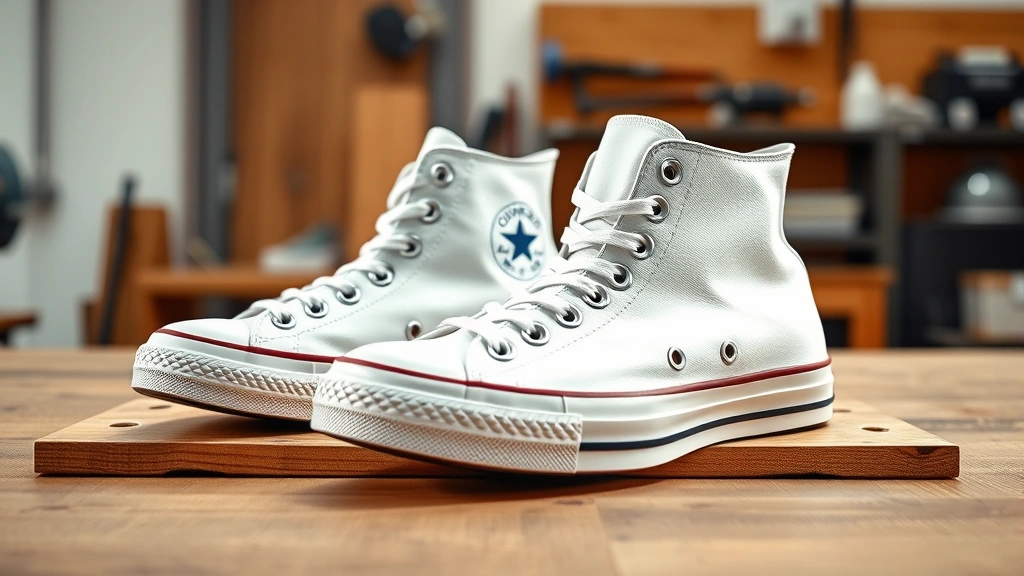
Learning how to clean Converse shoes properly can extend their lifespan and keep them looking fresh for years. Whether you’ve got classic white Chuck Taylors that have seen better days or colorful high-tops that need a refresh, the right cleaning approach makes all the difference between shoes that look beat-up and kicks that turn heads.
Table of Contents
Gather Your Cleaning Supplies
Before you start scrubbing, round up everything you’ll need. You don’t need fancy shoe cleaners or expensive products—most of what you need is probably already sitting in your kitchen or bathroom. Grab a soft-bristled brush (an old toothbrush works great), white vinegar, baking soda, mild dish soap, and some clean cloths or sponges. Having everything prepped saves you from mid-cleaning frustration and ensures you can tackle the job efficiently.
Water temperature matters too. You’ll want lukewarm water—not hot, which can damage the canvas, and not cold, which won’t dissolve dirt as effectively. A small bucket or bowl works perfectly for mixing your solution. Keep a dry towel nearby for blotting and a well-ventilated area for drying afterward. If you’re dealing with stubborn stains, grab some hydrogen peroxide or a magic eraser as backup weapons.
Remove Surface Dirt First
This step separates the pros from the amateurs. Before introducing any liquid, brush off loose dirt and dust with a dry brush. Tap your shoes together to dislodge debris from the soles and crevices. Use your soft brush to gently sweep the canvas uppers and rubber areas. This prevents you from turning surface dust into mud when you add water later—a rookie mistake that just spreads grime around.
Pay special attention to the toe area and the seams where dirt loves to hide. A dry brush works because you’re not pushing particles deeper into the fabric. Spend two to three minutes on this step; it genuinely makes the wet cleaning phase more effective and prevents you from redepositing dirt onto clean areas.
Prepare Your Cleaning Solution
Mix your cleaning solution in your bucket with lukewarm water. For general cleaning, combine one tablespoon of mild dish soap with two cups of water. This gentle solution works for most canvas shoes without stripping color or damaging fabric. For tougher stains, add one tablespoon of white vinegar to the mix—the acidity cuts through stubborn marks and helps brighten white canvas.
If you’re dealing with yellowing or discoloration, make a paste with baking soda and water (roughly equal parts). This natural whitening agent is gentler than bleach and won’t damage your Converse the way harsh chemicals might. Test any solution on an inconspicuous area first—the inside of the shoe or a hidden spot on the heel—to make sure it won’t cause unexpected color changes. This takes 30 seconds and prevents disaster.
Scrub the Canvas Uppers
Dip your soft brush into your cleaning solution and start scrubbing the canvas in circular motions. Work section by section, starting from the top and moving downward. Don’t go full-strength with pressure; let the solution do the work. For white Converse, you can be more aggressive, but for colored shoes, use a lighter touch to preserve the dye.
Pay attention to problem areas like the toe box, where scuffs accumulate, and the sides where your foot naturally rubs. Use a cloth to wipe away the soapy residue as you go, then dip back into the solution for the next section. This prevents dirty water from sitting on the fabric. For stubborn stains that resist your brush, apply the baking soda paste directly and let it sit for 10-15 minutes before scrubbing. Patience beats elbow grease here.
Clean the Rubber Sole
The sole takes a beating and shows dirt like nothing else. Mix a slightly stronger solution for the rubber—add an extra half-tablespoon of dish soap to your water. Use your brush to scrub the sole’s bottom and sides thoroughly. The rubber can handle more aggressive scrubbing than canvas, so don’t hold back here. Work the brush into the tread grooves where mud and grime pack in.
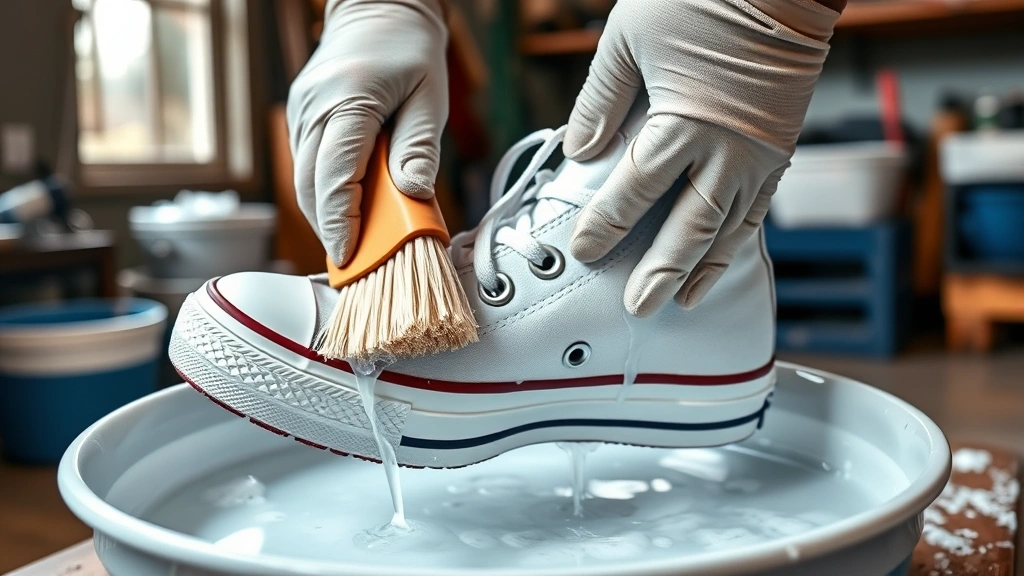
For the white rubber toe cap and sidewalls, the baking soda paste becomes your secret weapon. Apply it generously, let it sit briefly, then scrub with your brush. Rinse thoroughly with clean water on a cloth to remove all residue. The rubber sole should look noticeably brighter when you’re done. If you’ve got scuff marks on the rubber, a magic eraser works wonders—just dampen it slightly and rub gently.
Handle the Toe Cap Area
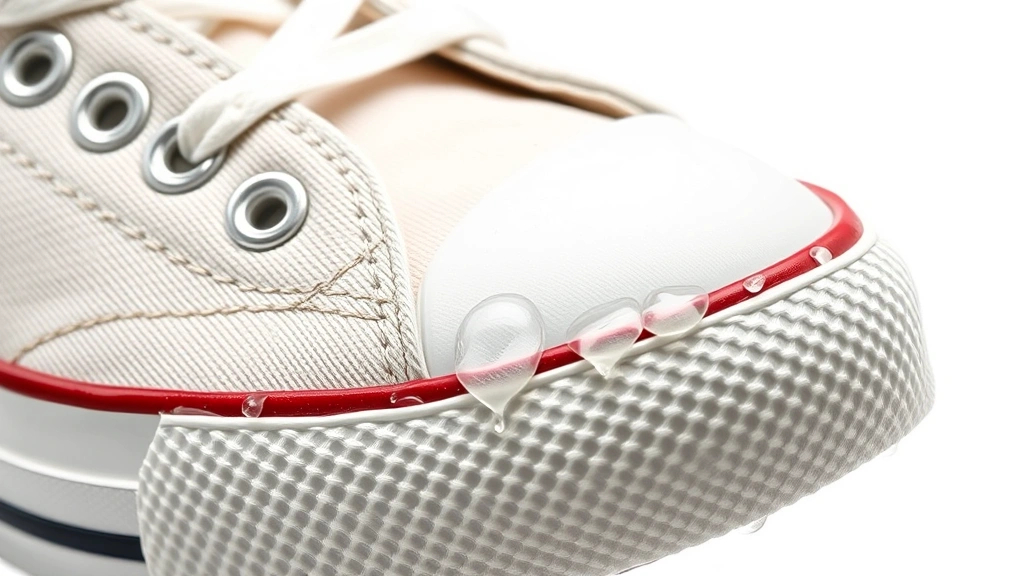
The reinforced toe cap is where Converse shoes show their age fastest. This rubber area collects scuffs, creases, and discoloration. Treat it with your stronger cleaning solution and a slightly stiffer brush—the rubber can handle it. Work in small circular motions, focusing on any visible marks or yellowing. If you’re cleaning white Converse, this is where baking soda paste really shines.
For stubborn toe cap stains, apply your baking soda paste and let it sit for 15-20 minutes. The longer dwell time helps break down oxidation and yellowing. Then scrub gently but firmly. This area requires patience because results aren’t always instant, but consistent effort yields impressive whitening. Rinse thoroughly to remove all paste residue, which can leave a chalky appearance if not completely cleared.
Dry Your Converse Properly
This step determines whether your cleaning effort sticks around or fades. Never throw wet Converse in the dryer—the heat damages the glue holding the sole and can warp the shoe permanently. Instead, stuff them loosely with newspaper or paper towels to help absorb moisture and maintain shape. Replace the paper every few hours as it gets damp. Air drying in a well-ventilated area takes 24-48 hours but preserves your shoes.
Position them in indirect sunlight if possible—direct sun can fade colors over time, but indirect light helps with drying and provides natural disinfection. Avoid placing them near heat sources like radiators or vents. The slower the drying process, the better for the shoe’s structural integrity. Once they’re completely dry, remove the newspaper and your Converse will feel crisp and clean. This patience pays dividends in longevity.
Prevent Future Stains
Once you’ve got your kicks looking fresh, protect that investment. Fabric protector spray designed for canvas works wonders—apply it according to product directions after your shoes are completely dry. This creates an invisible barrier that repels dirt and liquids, making future cleaning easier. Reapply every few months or after cleaning. It’s like giving your Converse a raincoat for everyday wear.
Store your shoes in a cool, dry place away from direct sunlight. Use shoe bags or boxes to minimize dust exposure. Rotate between multiple pairs if you wear Converse regularly—giving shoes rest days extends their life significantly. When you notice dirt accumulating, do a quick spot-clean immediately rather than waiting for heavy buildup. A 5-minute touch-up prevents the need for deep cleaning sessions. Small maintenance beats major restoration every time.
Frequently Asked Questions
Can I wash Converse in the washing machine?
It’s not recommended. Machine washing can damage the glue bonding the sole to the upper, cause color bleeding, and misshape the shoe. Hand cleaning gives you control and extends shoe life significantly. The hand-cleaning method takes about 20-30 minutes and produces better results without risk.
What’s the best way to remove scuffs from white Converse?
For white canvas scuffs, make a paste with baking soda and water, apply it to the scuffed area, let it sit 10-15 minutes, then scrub gently with a soft brush. For rubber scuffs, a magic eraser dampened slightly works remarkably well. Test on a hidden area first, then apply to the scuff mark with light circular motions.
How often should I clean my Converse?
Spot-clean visible dirt immediately to prevent staining. Do a thorough cleaning every 2-4 weeks depending on how often you wear them. Heavy daily wearers might need monthly deep cleaning, while occasional wearers can stretch it to every other month. Regular maintenance prevents the need for aggressive scrubbing later.
Will cleaning damage the colors on my Converse?
Gentle cleaning with mild dish soap won’t damage colors. Avoid bleach and harsh chemicals. Test your cleaning solution on an inconspicuous area first. The gentle methods described here—mild soap, baking soda, and white vinegar—are safe for colored canvas and actually preserve colors better than letting dirt accumulate.
What should I use for canvas that’s yellowing?
Baking soda paste is your best friend for yellowing. Mix equal parts baking soda and water, apply generously, let sit 15-20 minutes, then scrub and rinse thoroughly. For stubborn yellowing, repeat the process. Avoid bleach, which can weaken canvas fibers and cause permanent damage. Patience with baking soda produces better results.
Can I use bleach to clean white Converse?
Avoid bleach. It weakens canvas fibers, can cause yellowing over time, and may damage the rubber sole. Baking soda, white vinegar, and mild soap are gentler alternatives that produce excellent whitening results without the risks. These natural methods take slightly longer but preserve your shoes’ integrity.
How do I prevent my Converse from getting dirty so quickly?
Apply fabric protector spray after cleaning and drying. Store shoes in a cool, dry place away from direct sunlight. Rotate between multiple pairs to give shoes rest days. Spot-clean immediately when you notice dirt. These preventive measures significantly reduce how often you need deep cleaning and keep your kicks looking fresher longer.
Fresh Kicks Start with Proper Care
Knowing how to clean Converse properly transforms how long your favorite shoes last. The process isn’t complicated—gather supplies, remove surface dirt, prepare a gentle cleaning solution, scrub methodically, and dry patiently. Each step serves a purpose, and skipping any one diminishes results. Whether you’re restoring vintage kicks or maintaining new ones, these proven methods work across all Converse styles and colors.
The investment of 30-45 minutes in cleaning pays dividends in extended shoe life and maintained appearance. Your Converse will thank you with years of comfortable wear and that fresh-out-of-the-box look. Start with a test pair if you’re nervous, but once you see the results, you’ll be a believer. Clean shoes aren’t just about aesthetics—they’re about respecting the gear you wear daily and getting maximum value from your purchases. Now get out there and make those kicks shine.
For more DIY maintenance tips, check out our guides on how to check tire pressure for your vehicle’s longevity, or learn about how to disconnect a car battery for basic automotive maintenance. You might also enjoy discovering how to use a diffuser to keep your living spaces fresh while your shoes dry.
For professional shoe care insights, consult resources from Family Handyman, which covers household maintenance thoroughly. This Old House also provides detailed care guides for personal items and home goods. For additional footwear care advice, Bob Vila offers comprehensive cleaning and maintenance resources.


