
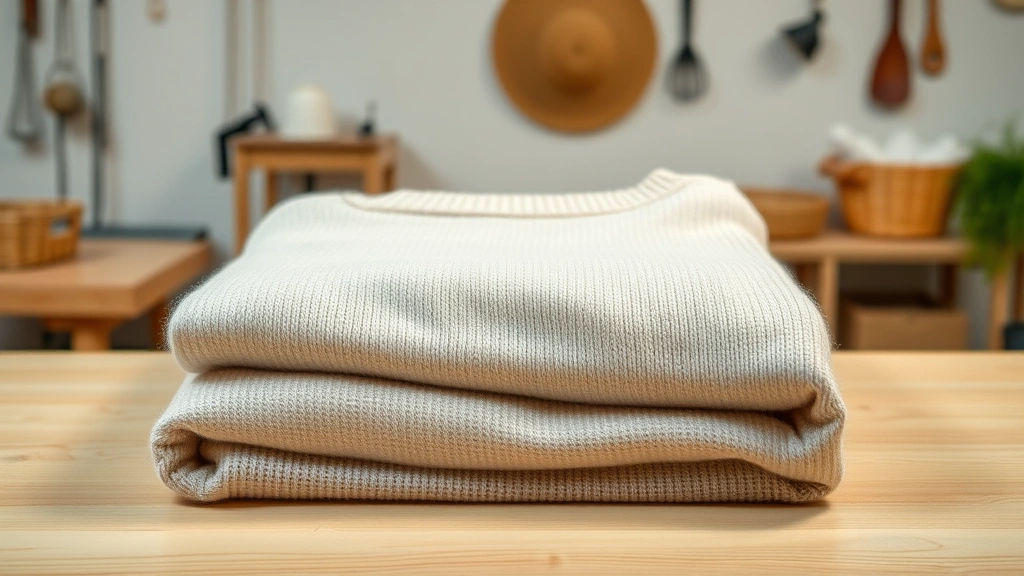
Learning how to clean cashmere is one of those skills that separates people who wear their luxury knits for years from those who ruin them in a single wash. Cashmere is delicate, expensive, and absolutely worth protecting—but it’s not as complicated as the care labels make it sound. I’ve spent years working with fine fabrics, and I’m going to walk you through exactly what you need to know to keep your cashmere pieces looking pristine.
Table of Contents
Why Cashmere Needs Special Care
Cashmere comes from goat undercoat fibers, and those fibers are incredibly fine—roughly one-third the diameter of human hair. That’s what makes cashmere so soft and luxurious, but it’s also why it demands respect. Unlike synthetic fabrics or even wool, cashmere can felt, pill, shrink, and lose its shape if you treat it like your everyday cotton t-shirt.
The fibers are also prone to damage from harsh chemicals, hot water, and aggressive agitation. When you understand what you’re working with, the care process becomes less intimidating. You’re not doing anything complicated—you’re just being gentle and intentional.
Gather the Right Supplies
Before you wash anything, get your materials together. You’ll need:
- Gentle detergent: A wool-specific or cashmere-specific wash like Woolite Delicates or The Laundress Delicate Wash. Regular detergent is too harsh.
- Cool water: Room temperature or slightly cooler. Never hot.
- A basin or sink: Something large enough to submerge your garment.
- Soft towels: For drying—microfiber or cotton work well.
- A flat drying surface: A mesh sweater drying rack or clean towel on a flat surface.
- Optional: white vinegar: A small splash helps remove detergent residue and restores softness.
Having everything ready before you start means you won’t be scrambling mid-wash. It’s the same approach I use for any detailed craft work—preparation prevents problems.
Hand Washing Method
This is the core of how to clean cashmere properly. Hand washing takes about 10 minutes and protects your investment far better than machine washing ever will.
Step 1: Fill Your Basin
Fill your sink or basin with cool water—aim for about 5-6 inches deep. Add a small amount of cashmere-specific detergent. I use about a teaspoon for a standard sweater, but follow the bottle’s guidance. The water should smell lightly soapy, not like a chemical factory.
Step 2: Submerge and Soak
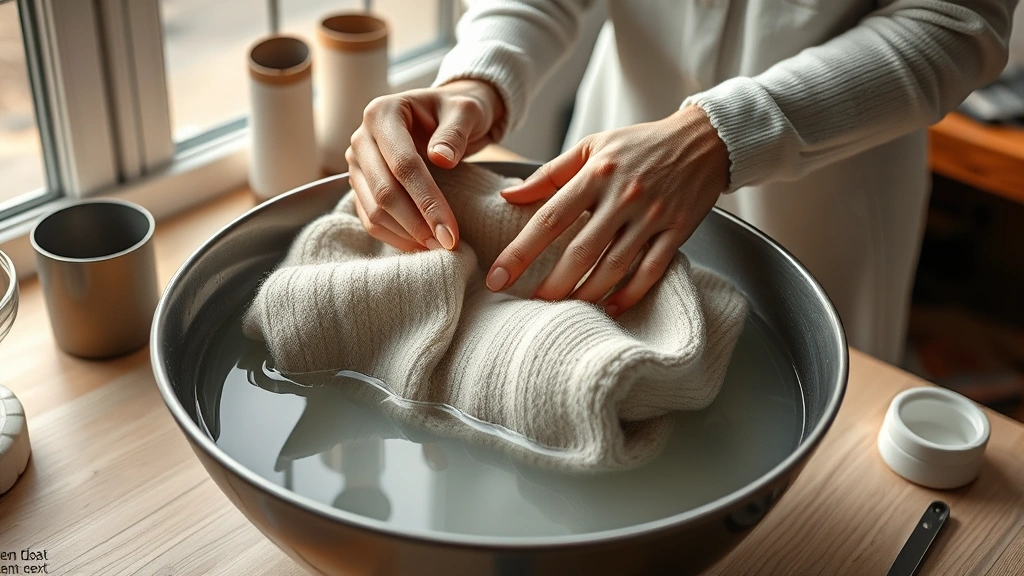
Turn your cashmere piece inside out and gently submerge it in the water. Let it soak for 10-15 minutes. You’re not doing anything—just letting the detergent work. This is where the dirt and body oils start loosening without any mechanical stress on the fibers.
Step 3: Gentle Agitation
After soaking, gently squeeze the soapy water through the fabric. Use your hands like you’re squeezing a sponge—no wringing, no twisting, no rubbing. Pay extra attention to areas that touch your skin: necklines, cuffs, and underarms. Those spots accumulate oils and need a bit more attention, but still keep it gentle.
Step 4: Rinse Thoroughly
Drain the basin and refill with clean, cool water. Submerge the garment again and gently squeeze to rinse out the soap. Do this 2-3 times until the water runs clear and you can’t smell detergent anymore. Residual soap will make your cashmere stiff, so don’t skip this step.
Step 5: Final Rinse with Vinegar
For the last rinse, add a tablespoon of white vinegar to the water. This neutralizes any remaining alkaline detergent and adds softness back into the fibers. Submerge and squeeze gently one more time, then drain completely.
Drying Cashmere Properly
This is where most people mess up. You can’t hang cashmere to dry like regular clothes—the weight of the water will stretch it into a sad, distorted shape.
Squeeze Out Excess Water
Don’t wring your cashmere. Instead, gently press it against the side of the basin to remove excess water. You want it damp but not dripping.
Lay Flat to Dry
Place your cashmere piece on a clean, flat surface. A mesh sweater drying rack is ideal, but you can also use a clean towel on your bed or a table. Reshape the garment to its original dimensions—smooth out wrinkles and make sure sleeves are straight. This takes two minutes and prevents permanent creasing.
Air Dry Completely
Let it sit undisturbed for 24-48 hours. Don’t use a dryer, heat source, or direct sunlight. Just patience. You’ll know it’s dry when it feels completely cool to the touch and slightly crisp. It’ll soften up once you wear it again.
Storage Techniques Matter
How you store cashmere between wears affects how long it lasts. Fold it instead of hanging it—hangers stretch the shoulders and create permanent bumps. Store it in a cool, dry place away from direct sunlight, which can fade colors and weaken fibers.
Cedar blocks or lavender sachets keep moths away naturally without harsh chemicals. Cashmere moths are real, and they’ll eat holes in your sweaters if you’re not careful. Store everything in breathable cotton bags, not plastic, which traps moisture.
Spot Cleaning Stains
You don’t need to wash your entire cashmere piece every time you get a small stain. Spot cleaning extends the time between washes and reduces wear on the fibers.
For fresh stains, blot immediately with a clean white cloth—don’t rub. If it’s a liquid spill, absorb as much as possible. For oily stains, sprinkle a tiny bit of talcum powder or cornstarch and let it sit for 15 minutes to absorb the oil, then brush it off gently.
For stubborn spots, mix a tiny amount of cashmere detergent with cool water to create a paste. Apply it to the stain, let it sit for 5 minutes, then gently dab with a damp cloth. Rinse with cool water and lay flat to dry.
Pilling Prevention Tips
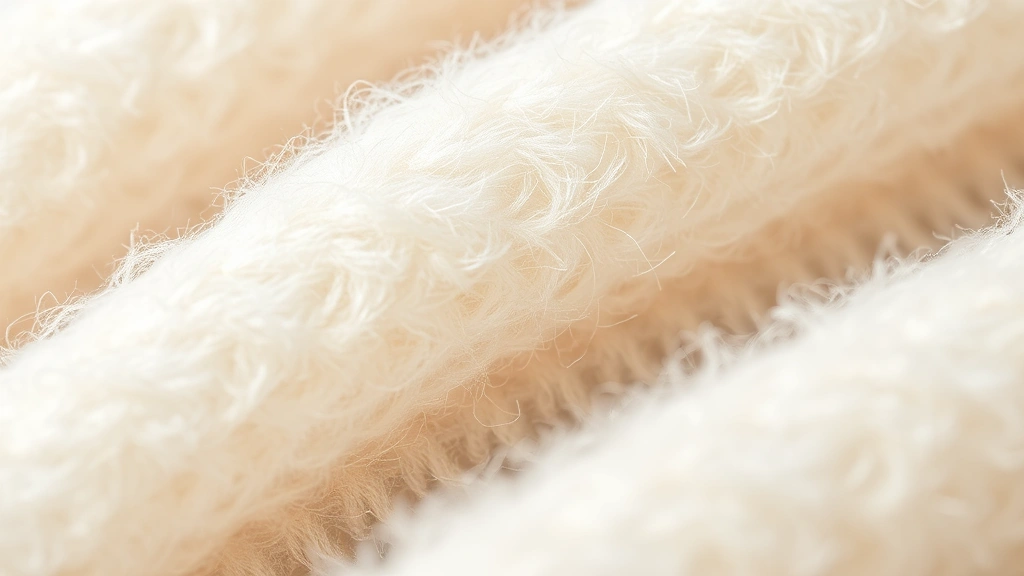
Pilling—those little fabric balls that form on the surface—happens with cashmere, especially in high-friction areas like underarms and where your arms rub against your torso. It’s not a sign of poor quality; it’s just what cashmere does.
Minimize it by wearing cashmere layers underneath jackets instead of on the outside where it rubs against other fabrics. Avoid sitting with your arms crossed for extended periods. When you do get pills, use a cashmere comb or a gentle sweater stone to carefully remove them. Never pick at them with your fingers—you’ll damage the underlying fibers.
When to Dry Clean
Hand washing handles 95% of cashmere care, but some situations call for professional help. If you have a large stain that won’t come out with spot cleaning, or if your cashmere has been damaged or stretched significantly, take it to a dry cleaner experienced with fine knits. Make sure they specialize in cashmere—not all dry cleaners understand how to handle it properly.
For general fabric care guidance, Family Handyman offers solid advice on delicate materials. You can also check This Old House’s laundry practices for broader context on textile maintenance.
Frequently Asked Questions
Can I machine wash cashmere on a delicate cycle?
Technically, some modern machines have gentle cycles designed for delicates, but hand washing is always safer. Machine washing, even on delicate, introduces variables you can’t control—water temperature fluctuations, agitation timing, and spin cycles. Hand washing takes 10 minutes and guarantees you’re protecting your investment. Skip the machine for cashmere.
How often should I wash cashmere?
Less often than you think. Cashmere doesn’t absorb odors like cotton or synthetics. Wear it 5-7 times between washes if possible. If you wear it close to your skin without a layer underneath, wash it after 3-4 wears. Spot-clean minor stains instead of full washes when you can.
What temperature water is best?
Cool water, around 60-65°F. Think of it as the temperature of your house on a spring day. Never use hot water—it opens the fiber cuticles and makes cashmere prone to felting and shrinking. Cold water is fine too, but cool water works best for dissolving detergent.
Will cashmere shrink if I wash it?
Not if you follow these steps. Cashmere shrinks from heat and agitation. Hand washing with cool water and gentle handling prevents shrinking. The only time cashmere shrinks is if you use hot water, machine wash it, or dry it with heat. Stick to cool water and gentle handling, and you’re safe.
Can I use regular laundry detergent?
No. Regular detergent is too harsh and alkaline for cashmere fibers. It strips natural oils, causes pilling, and leaves residue that makes the fabric stiff. Invest in a wool or cashmere-specific detergent. A bottle lasts months because you use so little per wash.
What’s the best way to remove pilling?
Use a cashmere comb or sweater stone, which you can find online for $10-20. Gently brush the pilled areas in one direction. Never pull at pills with your fingers—you’ll create holes. If pilling is severe, a professional restoration service can help, though Bob Vila has good resources on fabric care basics.
Keep Your Cashmere Investment Protected
Learning how to clean cashmere properly means your favorite pieces will look beautiful for years instead of months. The process isn’t complicated—cool water, gentle detergent, careful handling, and flat drying. That’s it. No special equipment, no expensive treatments, just a little intentionality.
Cashmere rewards you for taking care of it. A well-maintained cashmere sweater actually gets softer with age. The fibers settle, the fabric becomes more luxurious, and you’ll reach for it constantly. That’s the payoff for spending 10 minutes on proper washing instead of tossing it in the machine and hoping for the best. Your cashmere is worth the effort.


