
Knowing how to clean a pipe is one of those skills that’ll save you hundreds in plumbing bills and keep your home running smoothly. Whether you’re dealing with a clogged drain, buildup in supply lines, or just general maintenance, I’ve got you covered with methods that actually work—no guesswork required.
Table of Contents
Why Clean Pipes Matter
Let me be straight with you—ignoring pipe buildup is like ignoring an oil change in your car. It catches up with you fast. Over time, mineral deposits, hair, grease, and debris accumulate inside your pipes, restricting water flow and creating the perfect breeding ground for nasty clogs. A well-maintained pipe system prevents backups, reduces water damage risks, and keeps your plumbing functioning at peak efficiency.
The good news? Most pipe cleaning jobs are totally doable without calling in the pros. I’ve tackled everything from slow kitchen drains to stubborn bathroom clogs using these five methods, and they work consistently when you follow the right approach.
The Plunger Method Works
This is your first line of defense, and honestly, it solves about 60% of drain issues without any fancy equipment. The key is using the right plunger and technique. You’ll want a cup plunger for sinks and a flange plunger for toilets—they’re designed differently for a reason.
Fill the sink or tub with enough water to cover the plunger cup completely. Place it directly over the drain, making sure you get a good seal. Now here’s the critical part: plunge vigorously for 15-20 seconds, maintaining that seal. You’re creating pressure waves that dislodge the clog, not just pushing water down. Lift the plunger quickly and repeat 5-10 times. If water drains, you’re golden. If not, move to method two.
Pro tip: If you’ve got a double sink, block the overflow hole with a wet cloth. You need pressure building up in that pipe, not escaping elsewhere.
Using a Drain Snake
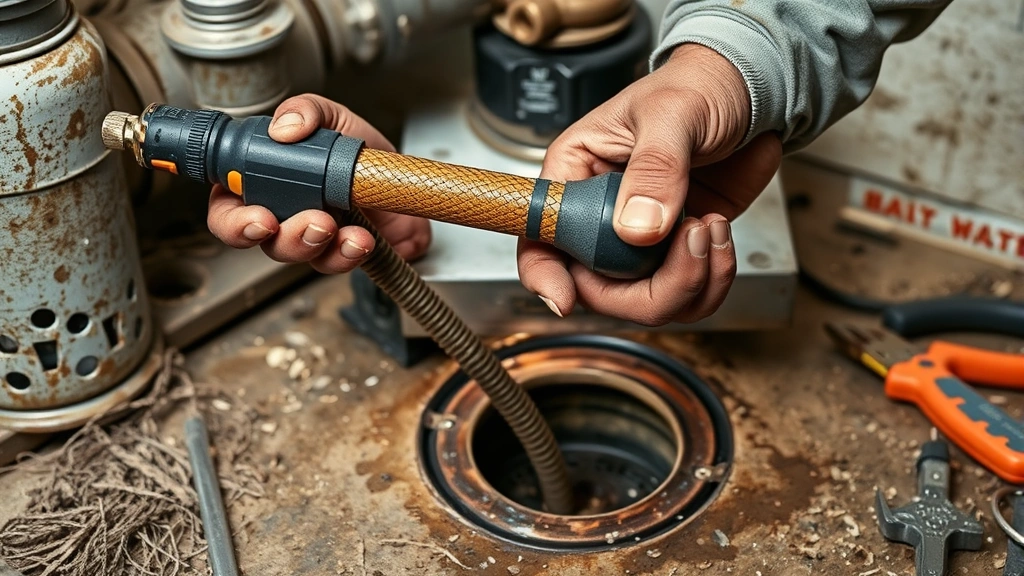
When the plunger fails, a drain snake becomes your best friend. This flexible auger physically breaks up or retrieves clogs that plunging can’t budge. You can grab a basic 25-foot snake for under $20, or go electric if you’re dealing with serious blockages.
Insert the snake into the drain and crank the handle while pushing forward gently. You’ll feel resistance when you hit the clog—that’s your signal to keep working it. Twist and push simultaneously, breaking apart hair, grease, and debris. Once you’ve worked through the clog, retract the snake slowly and run hot water to flush everything out.
One thing I’ve learned: don’t force it. If the snake isn’t moving, you might be hitting a bend in the pipe rather than a clog. Back off and try a different angle. Forcing can damage older pipes, and that’s a headache you don’t want.
Vinegar and Baking Soda
This is the natural method that actually delivers results, unlike some of the internet hype out there. The chemical reaction between vinegar and baking soda creates pressure that can dislodge minor clogs and freshen your pipes simultaneously.
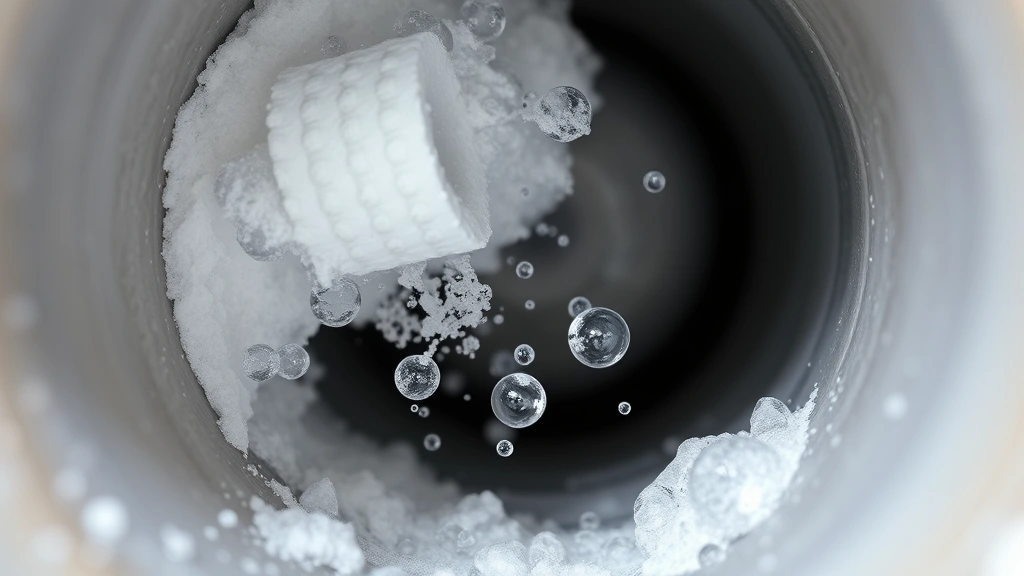
Start by removing any standing water from the drain. Pour about half a cup of baking soda directly down the drain, followed by a cup of white vinegar. You’ll see it fizz like crazy—that’s the magic happening. Cover the drain with a plug or wet cloth to keep the reaction contained in the pipe rather than bubbling up into your sink. Let it sit for 15-30 minutes, then flush with boiling water.
This method works best for preventative maintenance and minor buildup. For serious clogs, it’s more of a supplementary technique. But I use it monthly on my drains to keep them flowing freely and eliminate odors naturally.
High-Pressure Water Jetting
If you’re serious about pipe cleaning, a pressure washer with a drain jetting attachment is a game-changer. This method uses high-velocity water to blast away buildup, grease, and mineral deposits without chemicals. It’s especially effective for outdoor pipes and main drain lines.
You’ll need a specific drain jetting nozzle—they have backward-facing jets that propel the nozzle forward while blasting debris backward and out of the pipe. Insert it into the drain and let the pressure do the work. Start at low pressure and increase gradually. Most homeowners can handle this themselves, though some prefer hiring it out since the equipment can be pricey.
Fair warning: this method isn’t suitable for old or fragile pipes. If your home was built before 1980 and has cast iron or clay pipes, consult a professional first. Modern PVC and copper pipes handle it fine.
Chemical Drain Cleaners
I’ll be honest—chemical drain cleaners are my last resort, but they work when nothing else does. Products like Drano and Liquid-Plumr use caustic or oxidizing chemicals to dissolve clogs. They’re powerful, fast, and effective on tough buildup.
That said, they come with real downsides. They’re harsh on pipes, dangerous to handle, and terrible for the environment. If you go this route, follow the label instructions exactly. Wear gloves and eye protection. Don’t mix different cleaners—that creates toxic fumes. And never plunge after using chemicals; you’ll splash caustic liquid everywhere.
A better approach: use chemicals only when you’ve exhausted mechanical methods, and follow up by running water to dilute any remaining chemical residue in your pipes.
Prevention is Key
Here’s what I’ve learned from years of dealing with pipes: prevention beats cure every time. Install drain screens in all sinks and tubs to catch hair before it enters the pipes. Run hot water weekly to keep grease from solidifying inside your lines. Avoid pouring cooking oil down drains—it cools and hardens inside pipes, creating stubborn blockages.
For your main water line, consider having it professionally cleaned every 3-5 years if you live in a hard water area. Mineral buildup in supply lines reduces water pressure and strains your fixtures. It’s like the difference between checking your engine oil regularly versus waiting until your engine seizes.
Also, don’t ignore slow drains. A drain that’s slowing down is giving you a warning sign. Address it with one of the methods above before it becomes a complete backup.
When to Call a Professional
Know your limits. If you’ve tried the plunger, snake, and vinegar method without success, it’s time to call a licensed plumber. They have camera equipment to diagnose the exact problem, industrial-grade snakes, and high-pressure jetting systems that’ll handle anything.
Also call a pro if you suspect the clog is in your main line (sewage backing up into multiple fixtures), if you have old cast iron pipes, or if you’re getting recurring clogs in the same spot. That last one usually indicates a structural problem like tree roots or pipe collapse—something that requires professional assessment.
Think of it this way: trying to fix a serious pipe problem yourself can cost you thousands in water damage. A $200-300 service call is cheap insurance. For more complex plumbing challenges, professionals use the same methodical approach we’ve discussed here, just with better tools and experience.
Frequently Asked Questions
What’s the fastest way to clean a pipe?
High-pressure water jetting is the fastest method if you have access to the equipment. If you’re using household tools, a drain snake typically clears clogs in 10-15 minutes once you’ve located the blockage. Chemical cleaners work fastest (30 minutes to an hour) but are hardest on your pipes.
Can I clean pipes without removing them?
Absolutely. All five methods work on pipes in place. You don’t need to disassemble anything. The plunger, snake, and pressure methods all work through the drain opening. Chemical cleaners and vinegar solutions pour directly down without removal.
How often should I clean my pipes?
For preventative maintenance, use the vinegar and baking soda method monthly. For active clogs, clean as needed. If you’re experiencing recurring issues, have a professional inspect your lines—that indicates a deeper problem that cleaning alone won’t fix.
Is baking soda and vinegar safe for all pipes?
Yes, this method is completely safe for all pipe materials. It’s gentler than chemical cleaners and won’t damage old pipes. It’s actually one of the best preventative methods for maintaining healthy pipes over time.
What’s the difference between a plunger and a snake?
A plunger creates pressure waves to dislodge clogs, while a snake physically breaks apart or retrieves blockages. Plungers work best for clogs close to the drain opening. Snakes reach deeper into the pipe system and handle tougher, more stubborn clogs.
Can I use a regular plunger on a drain?
Not ideally. Cup plungers work better on sinks and tubs because they create a better seal on flat surfaces. Flange plungers are designed for toilets. Using the wrong type reduces effectiveness, though it’ll still create some pressure.
Is chemical drain cleaner safe?
Chemical drain cleaners are effective but hazardous. They’re caustic and can burn skin, damage pipes over time, and harm the environment. Use them only as a last resort, and always follow label instructions carefully. Mechanical methods are safer for regular maintenance.


