
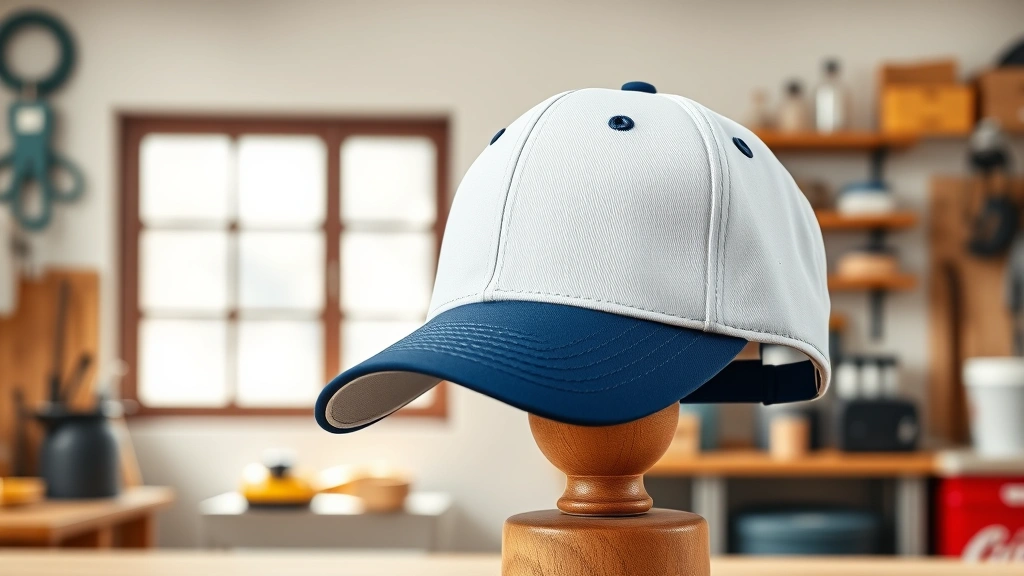
Learning how to clean a baseball cap properly keeps your favorite headwear looking fresh and extends its lifespan by years. Whether it’s sweat stains, dirt, or stubborn grime, most caps can be restored to near-original condition with the right approach. The trick is knowing which method works best for your cap’s material and how aggressive you can be without damaging the fabric or structure.
Table of Contents
Assess Your Cap Material
Before you start scrubbing, take a moment to examine what you’re working with. Cotton caps handle aggressive cleaning better than wool or structured vintage pieces. Check the bill—is it cardboard or plastic? Cardboard bills can warp if soaked, while plastic bills are more forgiving. Look for any embroidered logos or patches that might need gentler treatment. Read the care tag if one exists, though many caps don’t have them. Most standard baseball caps made from cotton blends can handle hand washing without issues, but premium or vintage pieces deserve extra caution.
Hand Washing: The Safest Approach
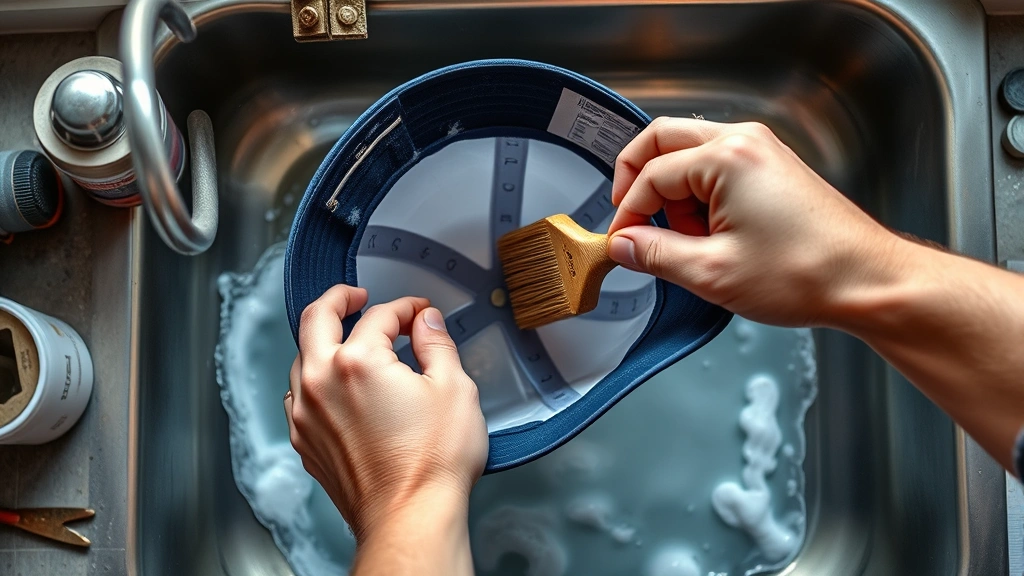
Hand washing is the gold standard for cap cleaning and works on nearly every material. Fill a sink or bucket with cool water and add a small amount of mild detergent—think laundry soap or dish soap, not bleach. Submerge the cap and let it soak for 10-15 minutes to loosen dirt and sweat. Using a soft-bristled brush (an old toothbrush works perfectly), gently scrub the exterior, paying special attention to the bill where dirt accumulates. Work the brush in circular motions along the sweatband inside, as this area holds the most grime and odor. Rinse thoroughly under cool running water until all soap residue disappears. This method is safe for embroidered logos and structured caps that can’t handle machine washing.
Spot Cleaning Stubborn Stains
For targeted stain removal, create a paste using baking soda and water—this mild abrasive works wonders on sweat marks and discoloration without harsh chemicals. Apply the paste directly to the stain and let it sit for 5-10 minutes, then gently scrub with a soft brush. For grease or oil stains, a small amount of white vinegar mixed with water cuts through the buildup effectively. If you’re dealing with mold or mildew (common in humid climates), a solution of one part white vinegar to three parts water kills spores without damaging fabric. Test any cleaning solution on an inconspicuous area first—the inside of the bill works great for this. Never use chlorine bleach on colored caps, as it causes yellowing and weakens fibers. This approach lets you target problem areas without full-cap submersion.
Machine Washing (When Safe)
Machine washing is acceptable for sturdy cotton caps without embroidery, but it’s riskier than hand washing. Use the delicate cycle with cold water and mild detergent. Place your cap in a mesh laundry bag to protect it from agitation and tangling. Avoid washing with heavy items like jeans—the friction damages the fabric and bill. Never use hot water, as heat sets sweat stains and can shrink the cap. The washing machine works best for removing general dirt and odors from caps you wear frequently to the gym or outdoors. If your cap has a cardboard bill, skip the machine entirely—hand washing is your only safe option. This method saves time but sacrifices some control over the cleaning process.
Cleaning the Sweat Band
The interior sweatband is where bacteria and odor live, making it the most important area to clean thoroughly. This band absorbs sweat daily and becomes a breeding ground for smell-causing microbes. During hand washing, pay extra attention here with your soft brush and soapy water. For stubborn odors that persist after washing, soak the cap with the interior facing down in a solution of equal parts white vinegar and water for 30 minutes. The vinegar neutralizes odor-causing bacteria without harsh chemicals. After soaking, rinse well and proceed with regular hand washing. If odor still lingers after drying, sprinkle baking soda inside the cap and let it sit overnight—the powder absorbs remaining smells. Some people swear by crumpling newspaper inside a dried cap, which also absorbs odors naturally.
Dry Cleaning for Delicates
Vintage caps, wool blends, or pieces with delicate embroidery sometimes need professional dry cleaning. If you’ve got a treasured vintage cap or one made from premium materials, a dry cleaner experienced with hats can work wonders. They have specialized equipment and solvents that clean without water exposure, protecting structure and color. Expect to pay $10-25 per cap depending on your location and the cap’s condition. This method is overkill for everyday wear caps but perfect for sentimental pieces or expensive vintage finds. Call ahead to confirm they handle baseball caps—some dry cleaners focus only on clothing. This is the safest option when you’re unsure about material composition or want professional results.
Drying Without Damage
How you dry your cap matters as much as how you clean it. Never put it in the dryer—heat warps bills, shrinks fabric, and sets stains permanently. Instead, gently squeeze excess water (don’t wring) and reshape the cap with your hands. Place it on a clean towel in a well-ventilated area away from direct sunlight, which fades color over time. For structured caps, stuff the crown loosely with white paper towels or newspaper to help it maintain shape as it dries. Replace the paper every few hours if it becomes damp. The cap should air-dry completely within 24 hours depending on humidity. Avoid heat sources like radiators or fans—slow drying prevents damage. Once fully dry, your cap is ready to wear and should smell fresh and look noticeably cleaner.
Preventing Future Stains
An ounce of prevention beats a pound of cure when it comes to cap maintenance. Rotate between multiple caps so each one dries completely between wears—this reduces sweat buildup and odor. Store caps in a cool, dry place away from direct sunlight to prevent fading and mildew. If you know you’ll be sweating heavily, wear a sweatband under the cap or apply a thin layer of fabric protectant spray before wearing. Similar to how you’d protect fabric in other contexts, these preventative sprays create a barrier against sweat and dirt absorption. Clean your cap every 2-3 weeks if you wear it daily, or monthly for occasional wear. This regular maintenance prevents deep staining and keeps your cap fresher longer. Consider investing in a cap rack or shelf to store them properly—hanging caps can lose their shape.
Frequently Asked Questions
Can I use bleach on my baseball cap?
Avoid bleach on colored caps—it causes yellowing, weakens fibers, and creates permanent damage. Chlorine bleach is only safe for white cotton caps, and even then, dilute it heavily (1 part bleach to 10 parts water) and use sparingly. Oxygen-based cleaners like OxiClean are safer alternatives for stubborn stains on white caps. Always test on a hidden area first.
How often should I clean my baseball cap?
Clean your cap every 2-3 weeks if you wear it daily, or monthly for occasional wear. If you notice visible stains or smell odor, clean it immediately. Regular maintenance prevents deep staining and extends the cap’s lifespan significantly. Seasonal deep cleaning is also a good practice.
What if my cap has a cardboard bill?
Hand wash only—never machine wash or soak heavily. Cardboard bills absorb water and warp permanently. Spot clean the bill gently with a damp cloth and mild soap. Let it air-dry completely. If the bill is severely damaged, some cap repair services can replace it, similar to how you’d approach restoration on other items.
Can I wash my cap with other laundry?
Hand washing is always safer than machine washing, but if you use the machine, place the cap in a mesh laundry bag and wash separately on delicate cycle with cold water. Never wash with heavy items like jeans or towels—friction damages the fabric and bill. This method works only for sturdy cotton caps without embroidery.
How do I remove mold from a cap?
Mix one part white vinegar with three parts water and soak the affected area for 10 minutes. Gently scrub with a soft brush and rinse thoroughly. The vinegar kills mold spores without harsh chemicals. Air-dry completely in sunlight if possible—UV rays prevent mold return. Store in a dry location to prevent future growth.
Why does my cap still smell after washing?
Odor indicates bacteria in the sweatband that regular washing didn’t fully eliminate. Soak the interior in a 50/50 vinegar and water solution for 30 minutes, then rinse and hand wash normally. After drying, sprinkle baking soda inside and let it sit overnight. Ensure the cap dries completely—dampness allows odor-causing bacteria to return.


