
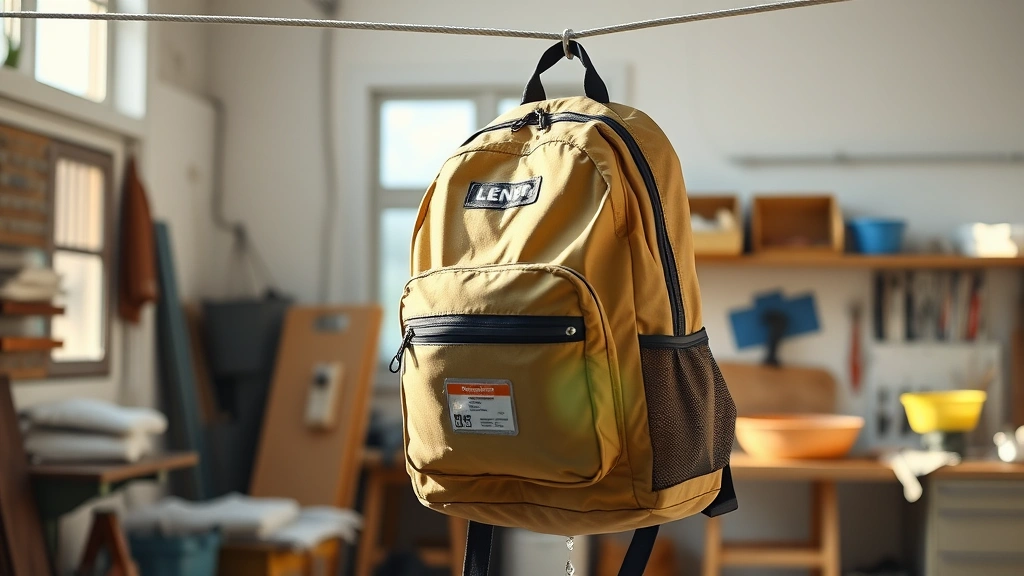
Learning how to clean a backpack is one of those skills that saves you money and keeps your gear in top shape for years. Whether you’re dealing with a dusty hiking pack, a grimy school bag, or a travel backpack that’s seen better days, the process is straightforward and doesn’t require fancy equipment. I’ll walk you through everything you need to know to get your backpack looking fresh and functioning like new.
Table of Contents
Gather Your Supplies
Before you start the backpack cleaning process, round up what you’ll need. You don’t need anything fancy—most of this stuff is already in your home. Grab a soft brush or old toothbrush, mild dish soap, warm water, a sponge or soft cloth, and maybe some white vinegar for stubborn odors. If your pack has leather accents, grab a leather-specific cleaner. For synthetic fabrics, plain soap and water handle most situations beautifully. Have some clean towels ready for drying, and if you’re dealing with mold or mildew, keep some baking soda nearby.
The beauty of cleaning a backpack at home is that you’re working with materials designed to handle regular washing. Most modern backpacks use nylon, polyester, or canvas—all tough fabrics that won’t fall apart when you treat them right. Just avoid bleach and harsh chemicals that can fade colors or damage water-resistant coatings.
Empty and Inspect Pockets
This step sounds obvious, but trust me—pockets hide surprises. Turn your backpack inside out if possible, or reach into every compartment and pocket. You’ll find forgotten snacks, old receipts, mysterious crumbs, and probably some change. Empty everything completely. While you’re at it, inspect the pack for any damage like small tears, broken zippers, or loose seams. Now’s the time to note these issues so you can address them before or after cleaning.
Check the bottom seams and corners especially—dirt and moisture love hiding there. If you spot any mold or mildew, note it for special treatment during the cleaning process.
Remove Loose Debris
Grab that soft brush and go to town on the exterior. Brush in one direction to dislodge dust, dirt, and debris. Pay special attention to textured areas, seams, and pockets where particles accumulate. For the interior, turn the pack inside out if it’s designed that way, or use your brush to reach into corners and along the bottom. You’d be surprised how much dust comes out with just a good brushing.
If your backpack has been sitting in storage or used for outdoor activities, this step prevents you from turning loose dirt into mud when you add water. A thorough dry brushing can remove 50% of the grime without any liquid.
Spot Clean Stains
For specific stains, mix a small amount of mild dish soap with warm water to create a cleaning solution. Dip your soft cloth into the mixture and gently rub the stained area. Don’t scrub aggressively—let the soap do the work. For tougher stains like grease or ink, let the soapy cloth sit on the stain for a minute before gently working it in circles.
If you’re dealing with organic stains like food or grass, a paste of baking soda and water works wonders. Apply it, let it sit for 15 minutes, then gently scrub with a soft brush. This method also helps eliminate odors naturally, which is particularly useful if you want to make your freshener last longer after cleaning.
Wash the Exterior
Now for the main event. Fill a bucket or sink with lukewarm water and add a small squirt of mild dish soap—you want it barely sudsy, not bubbly. Submerge your cloth or sponge and wring it out well so it’s damp, not dripping wet. Gently wipe down the entire exterior of your backpack. Work in sections, rinsing your cloth frequently in clean water.
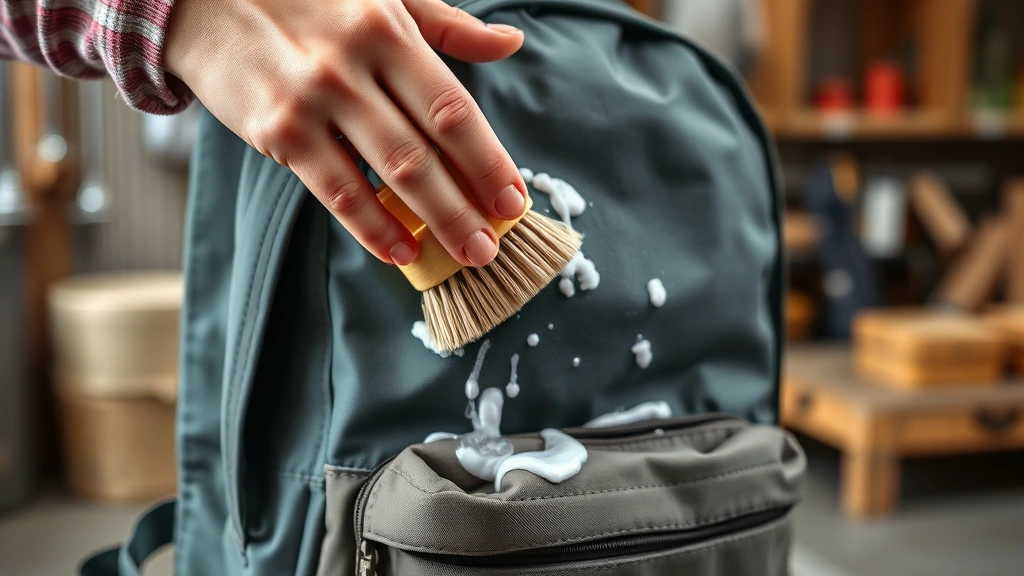
Pay extra attention to handles, straps, and the bottom of the pack where dirt accumulates. For textured fabrics, use a soft brush with your soapy water to gently work the cleaning solution into the material. Rinse thoroughly with clean water until no soap residue remains. This is crucial—leftover soap can leave stains and attract more dirt.
Clean Interior Thoroughly
The inside of your backpack deserves just as much attention as the outside. Mix fresh soapy water and dampen your cloth. Wipe down the interior fabric, paying special attention to the bottom where crumbs and dirt settle. If your pack has a laptop compartment or other specialty sections, clean those separately.
For stubborn odors, sprinkle baking soda inside the pack and let it sit overnight, then vacuum or brush it out. If you notice any electronic components like charging ports (similar to how you’d clean a charging port), avoid getting them wet. Just use a dry brush or compressed air to remove dust.
Handle Zippers and Hardware
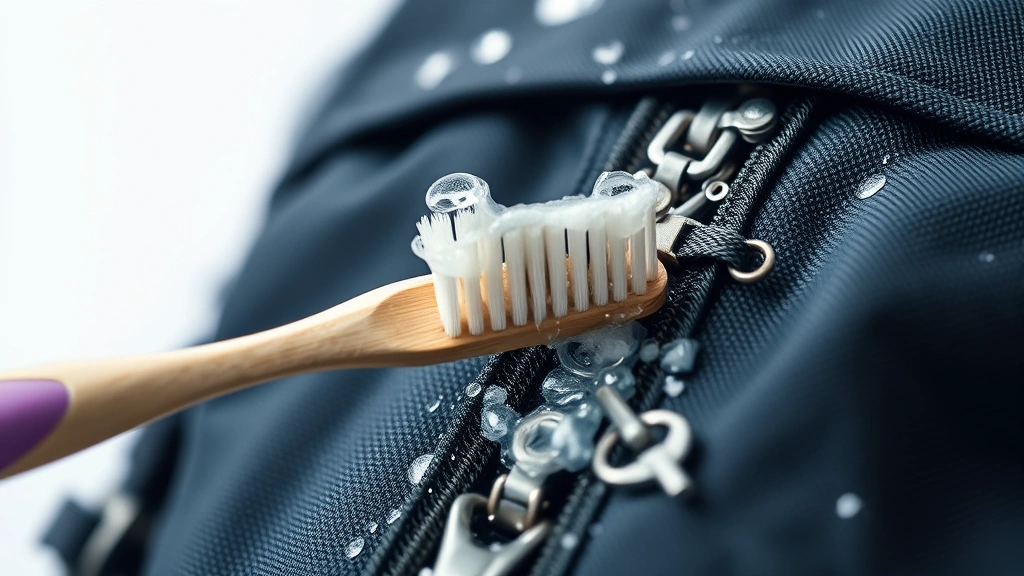
Zippers are the unsung heroes of backpack functionality, and they deserve care. Use an old toothbrush dipped in soapy water to scrub along the zipper tracks, removing dirt and buildup. Work the zipper up and down gently several times to distribute the cleaning solution. Rinse with a damp cloth and let dry completely.
For metal hardware like buckles and D-rings, wipe them down with your damp cloth. If they’re tarnished, a tiny dab of white vinegar on your cloth works wonders. This same approach helps with battery corrosion issues on other gear—the principle is the same as when you’re cleaning battery corrosion from electronics. Dry everything thoroughly to prevent rust.
Dry Properly
This step determines whether your backpack stays fresh or develops mildew. Never use a dryer or direct heat source—you’ll damage the fabric and any water-resistant coatings. Instead, gently squeeze out excess water with clean towels. Don’t wring or twist the pack, as this can damage seams and distort the shape.
Hang your backpack in a well-ventilated area, preferably outdoors or near an open window. Position it so air can circulate inside and out. If you can stuff it loosely with clean, dry towels, they’ll absorb interior moisture and help maintain the pack’s shape. Allow at least 24-48 hours for complete drying. You’ll know it’s ready when it feels completely dry to the touch and smells fresh.
Maintenance Between Cleanings
Keep your backpack cleaner longer with simple habits. Empty pockets regularly and shake out debris weekly. Store your pack in a dry place away from direct sunlight, which can fade colors. If you use it for outdoor adventures, brush it off when you get home before dirt dries and sets in.
For gear that travels with electronic accessories (like if you’re carrying an AirTag that needs a battery replacement), keep those items clean and dry separately. A light freshening spray or baking soda treatment monthly keeps odors at bay without requiring a full wash. If you notice stains, address them immediately before they set—fresh stains are always easier to remove than old ones.
Expert Tips for Best Results
Here’s what I’ve learned from cleaning dozens of backpacks: cold water works better than hot for most fabrics and helps prevent color bleeding. Always test your cleaning solution on a hidden area first. If your pack has a water-resistant coating, avoid harsh scrubbing that can damage it—gentle cleaning preserves that protective layer.
For backpacks with specialized materials like Gore-Tex or other technical fabrics, stick to plain water or very mild soap. Check the manufacturer’s care tag if available—many packs have specific recommendations. And remember, patience beats aggression every time. Gentle, repeated passes with your cloth remove more dirt than one aggressive scrubbing session.
Frequently Asked Questions
Can I machine wash my backpack?
Most backpacks shouldn’t go in the washing machine. The agitation can damage seams, zippers, and water-resistant coatings. Hand washing gives you much better control and extends your pack’s life significantly. Check your manufacturer’s tag—some specialty packs designed for washing might have different instructions, but hand washing is the safest approach for most backpacks.
What if my backpack smells bad?
Baking soda is your best friend here. Sprinkle it generously inside, seal the pack if possible, and let it sit overnight or longer. The baking soda absorbs odors naturally without chemicals. You can also hang the pack in sunlight—UV rays naturally kill odor-causing bacteria. If the smell persists after cleaning and baking soda treatment, check for mold or mildew, which requires more aggressive treatment.
How often should I clean my backpack?
If you use your pack daily, a deep clean every 3-6 months works well. For occasional-use packs, once or twice a year is sufficient. Light maintenance like brushing and spot-cleaning should happen regularly. Heavy-use outdoor packs might need quarterly cleaning, while school backpacks can usually go longer between washes.
Is it safe to use bleach on my backpack?
Avoid bleach completely. It fades colors, weakens synthetic fabrics, and can damage water-resistant coatings. Stick with mild dish soap and water—they’re effective and won’t harm your pack. For tough stains, baking soda paste or white vinegar are much safer alternatives that actually work better on most materials.
What about leather trim on my backpack?
Leather needs gentler treatment than synthetic fabrics. Use a leather-specific cleaner or a mixture of saddle soap and water. Never soak leather or let it dry in direct sunlight. After cleaning, condition the leather with a leather conditioner to keep it supple and prevent cracking. This extra step keeps leather components looking great for years.
Final Thoughts
Cleaning a backpack is straightforward work that pays dividends in longevity and performance. Your pack carries everything important—it deserves regular care. The process takes maybe an hour of active work plus drying time, and you’ll be amazed at how much better your gear looks and functions afterward. A clean backpack isn’t just about appearance; it’s about maintaining the structural integrity and water resistance that protect your belongings.
Whether you’re prepping for a new hiking season, getting your school pack ready, or just refreshing travel gear, these steps will get the job done right. And here’s the bonus: once you’ve cleaned your backpack once, you’ll understand its specific needs and quirks. Future cleanings become even easier. Your future self will thank you for taking care of this essential gear today.


