
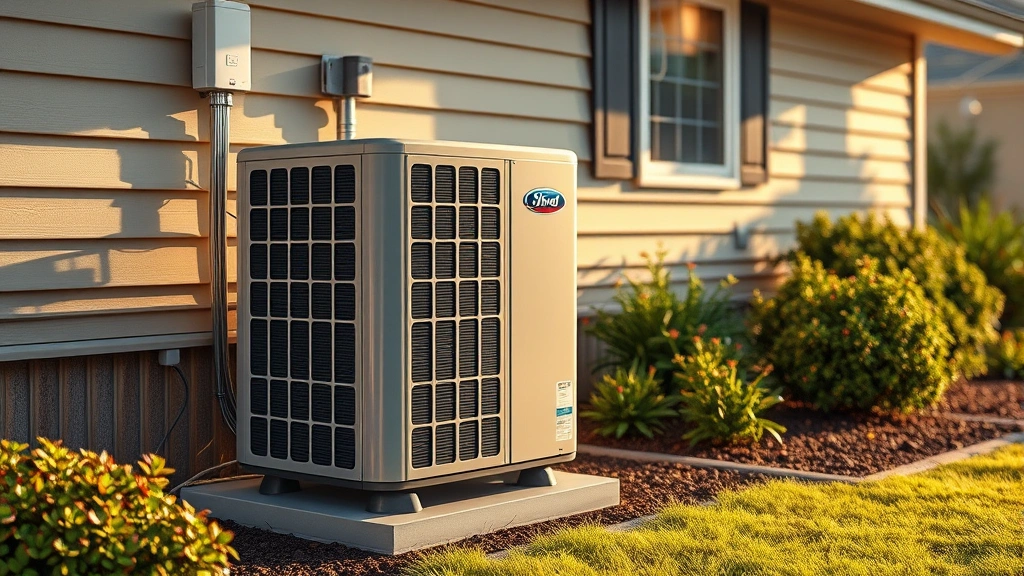
Figuring out how to choose heating and air conditioning system for your home is one of the biggest decisions you’ll make as a homeowner—and honestly, it can feel overwhelming if you don’t know where to start. Your HVAC system keeps your family comfortable year-round, affects your energy bills, and can last 15-20 years if you pick right. Get it wrong, and you’re looking at constant repairs, sky-high utility costs, or a premature replacement that’ll drain your wallet.
I’ve helped plenty of folks navigate this decision, and I’m going to walk you through everything you need to know to make a smart choice. This isn’t about fancy jargon or pushing the most expensive option—it’s about understanding your actual needs and finding the system that works best for your home and budget.
Table of Contents
Assess Your Home Size
The first thing you need to figure out is the cooling and heating capacity you actually need. This is measured in BTU (British Thermal Units) or tonnage—and getting this wrong is one of the biggest mistakes homeowners make.
An undersized system will run constantly trying to reach your thermostat setting and won’t keep you comfortable. An oversized system will cycle on and off rapidly, waste energy, and cost you more money every month. You need the Goldilocks solution: just right.
Professional HVAC contractors use something called a Manual J calculation to determine your exact needs. This factors in your square footage, insulation levels, window quality, and local climate. If a contractor quotes you without doing this calculation, find someone else. Don’t just let them guess based on your home’s size.
For a rough estimate: a 1-ton system handles about 400 square feet. But that’s just a starting point—your actual needs depend on much more. Get a proper load calculation done before you commit to anything.
Understand Efficiency Ratings
When you’re shopping for systems, you’ll see numbers like SEER, HSPF, and AFUE thrown around. These ratings tell you how efficiently your system converts energy into heating or cooling.
SEER (Seasonal Energy Efficiency Ratio) measures cooling efficiency. Higher numbers mean lower energy bills. Current minimum federal standards are SEER2 13 for most regions, but you’ll find systems ranging from 13 to 24+. Every point higher costs more upfront but saves you money long-term.
HSPF (Heating Seasonal Performance Factor) measures heat pump heating efficiency. Again, higher is better. You’re looking at HSPF2 ratings of 7 to 12+ depending on the system.
AFUE (Annual Fuel Utilization Efficiency) applies to gas furnaces. An 95% AFUE system converts 95 cents of every dollar of fuel into heat. Older systems might be 80-85%. The difference adds up fast on your heating bills.
Here’s the real talk: a high-efficiency system costs $1,000-$3,000 more upfront, but you’ll recover that investment through lower utility bills over 5-10 years. Run the numbers for your area’s energy costs before deciding.
Your Climate Matters
What works great in Arizona won’t work the same way in Minnesota. Your local climate should heavily influence your choice.
If you’re in a hot climate where cooling dominates, prioritize a high-SEER air conditioner. If you’re in a cold climate, focus on heating efficiency. In moderate climates with both heating and cooling needs, you need balanced performance in both categories.
Heat pumps are increasingly popular nationwide because they handle both heating and cooling efficiently. They work by moving heat rather than generating it, which is why they’re so efficient. However, they can struggle in extreme cold climates below -15°F unless you get a cold-climate heat pump model. Check what your local HVAC professionals recommend for your specific area—they know what actually performs in your weather.
Fuel Type Options
You’ve got several choices here, and each has tradeoffs. Your existing infrastructure often limits your options, but it’s worth understanding what’s available.
Natural Gas Furnace + AC: This is the traditional setup in many homes. Gas furnaces are affordable upfront and powerful in cold climates. You’ll need a separate air conditioner for cooling. This works well if you already have gas service.
Heat Pump (Electric): These handle both heating and cooling from one unit. They’re increasingly efficient and work in most climates now. You need reliable electricity and may need backup heating in very cold areas. Family Handyman has a detailed comparison of heat pumps versus furnaces if you want to dive deeper.
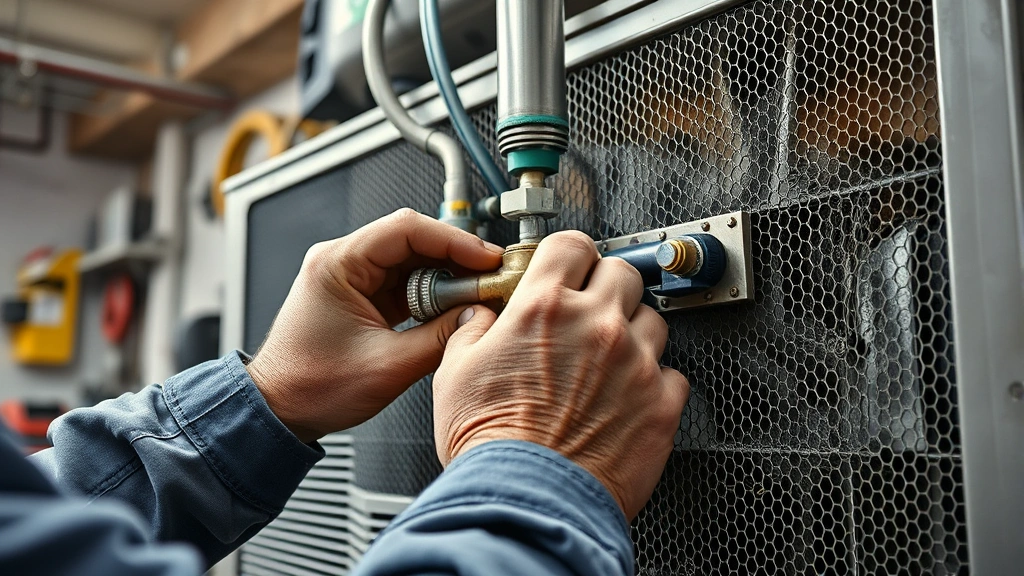
Oil Heating: If you’re in a rural area without natural gas, oil might be your option. It’s more expensive to operate and requires tank storage and regular deliveries. Not ideal, but sometimes necessary.
Hybrid Systems: These pair a heat pump with a gas furnace. The heat pump handles mild weather efficiently, and the furnace kicks in during extreme cold. It’s the best of both worlds if your budget allows.
Single-Stage vs Multi-Stage
This refers to how your system adjusts its output to match your heating or cooling needs.
Single-Stage: The system runs at full capacity or not at all. It’s the cheapest option but less comfortable and efficient. It cycles on and off more frequently, which wastes energy and wears out equipment faster.
Two-Stage: The system has a low and high setting. It runs on low most of the time and kicks to high only when needed. Much more efficient and comfortable than single-stage.
Variable-Speed (Multi-Stage): The system continuously adjusts its output to match demand. This is the most efficient and comfortable option. You’ll barely notice the system running. It costs more but delivers the best performance and lowest energy bills.
If you’re replacing an old system and want to improve comfort and efficiency without going all-out, two-stage is a smart middle ground. If you’re building new or doing a full upgrade, variable-speed is worth the investment.
Smart Features Worth Considering
Modern HVAC systems can connect to your home’s smart ecosystem, and some features actually deliver real value rather than just being gadgets.
A programmable or smart thermostat lets you set different temperatures for different times of day. You can heat or cool less when nobody’s home and adjust before you return. This Old House reviews the best smart thermostats if you want specific product recommendations.
Remote monitoring through an app is convenient but not essential. What matters more is a thermostat that actually learns your patterns and adjusts automatically. Some systems offer air quality monitoring, which is valuable if anyone in your home has allergies or respiratory issues.
Don’t overpay for features you won’t use, but do invest in a quality thermostat. It’s one of the few components you’ll interact with daily, and a good one can save you 10-15% on energy costs.
Installation Costs Reality Check
Here’s where people often get sticker shock. The equipment itself might be $3,000-$8,000, but installation can easily be another $3,000-$5,000 or more.
Quality installation matters enormously. A poorly installed system won’t perform to its rated efficiency, and you’ll waste money for years. You need:
- Proper ductwork sizing and sealing (leaky ducts kill efficiency)
- Correct refrigerant charge for AC systems
- Proper electrical connections and grounding
- Thorough testing and balancing
Get quotes from at least three licensed contractors. Don’t just pick the cheapest—ask about their warranty on labor, how long they’ve been in business, and check reviews from actual customers. A contractor who’s been around for 20 years and has solid reviews is worth paying a bit more.
If you’re replacing an existing system, removal and disposal add $500-$1,500. If you need new ductwork or electrical upgrades, costs climb higher. Get a complete itemized quote before committing.
Maintenance Requirements
Your system choice affects how much ongoing maintenance you’ll need to do or pay for.
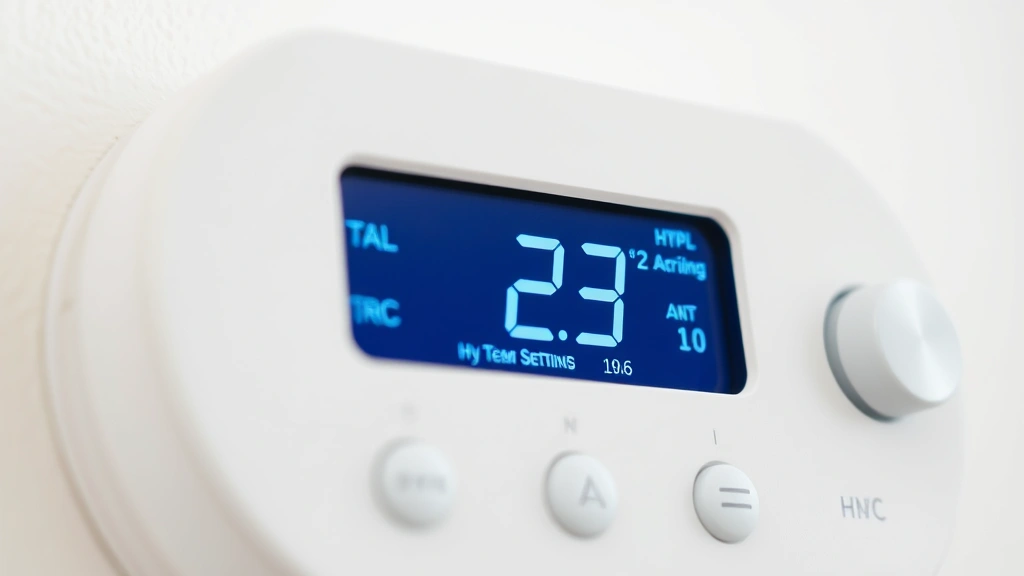
All systems need basic maintenance: changing air filters every 1-3 months, keeping the outdoor unit clear of debris, and scheduling professional service annually. This costs $100-$200 per visit.
More efficient systems often have more complex components that require professional servicing. You can’t DIY much beyond filter changes. Budget for annual maintenance as part of your operating costs—it’s not optional if you want your system to last.
Some contractors offer service plans where you pay a monthly fee for regular maintenance. If you’re not naturally inclined to stay on top of this stuff, a service plan removes the guesswork and ensures your system gets proper care.
Warranty Protection Matters
HVAC equipment is expensive, and warranties protect your investment.
Most manufacturers offer 5-10 year warranties on parts. Some offer 10-year warranties on the compressor specifically. Labor warranties from the installer typically run 1-5 years depending on the contractor.
Extended warranties are available but often not worth it. The equipment either fails early (usually within the standard warranty period) or it lasts 15-20 years without major issues. However, if you’re getting a high-end system and plan to stay in your home long-term, extended coverage might give you peace of mind.
Always keep your warranty documentation and maintenance records. Bob Vila explains HVAC warranties in detail if you want to understand the fine print better.
Frequently Asked Questions
How often should I replace my heating and air conditioning system?
Most systems last 15-20 years with proper maintenance. If your system is over 15 years old and needs major repairs, replacement often makes more financial sense than repair. Newer systems are significantly more efficient, which pays for itself over time.
Can I install an HVAC system myself?
No. HVAC installation requires EPA certification for refrigerant handling, proper electrical work, and specialized knowledge. DIY installation voids warranties and violates building codes. Hire a licensed professional.
What size HVAC system do I need?
You need a Manual J calculation from an HVAC contractor. This considers your square footage, insulation, windows, and climate. Never just guess based on home size.
Is a heat pump better than a furnace?
It depends on your climate and budget. Heat pumps are more efficient overall but cost more upfront. In cold climates, a hybrid system (heat pump plus furnace) often makes the most sense. Your local HVAC contractor can recommend what works best for your area.
How much will a new HVAC system cost?
Equipment ranges from $3,000-$8,000. Installation adds $3,000-$5,000+. Total cost for a complete system replacement typically runs $6,000-$13,000 depending on your home’s needs and local labor costs.
What’s the difference between SEER and HSPF?
SEER measures cooling efficiency (air conditioning). HSPF measures heating efficiency (heat pumps). Both use higher numbers to indicate better efficiency and lower operating costs.
Final Thoughts
Choosing the right heating and air conditioning system comes down to understanding your home’s actual needs, your climate, your budget, and your long-term plans. Don’t let anyone pressure you into an oversized system or unnecessary features. Get multiple professional quotes, ask questions until you understand what you’re buying, and remember that the cheapest option upfront often costs the most over time.
Take your time with this decision. Your HVAC system is a major investment that’ll affect your comfort and utility bills for the next 15-20 years. Do it right, and you’ll forget about it—which is exactly how it should be.


